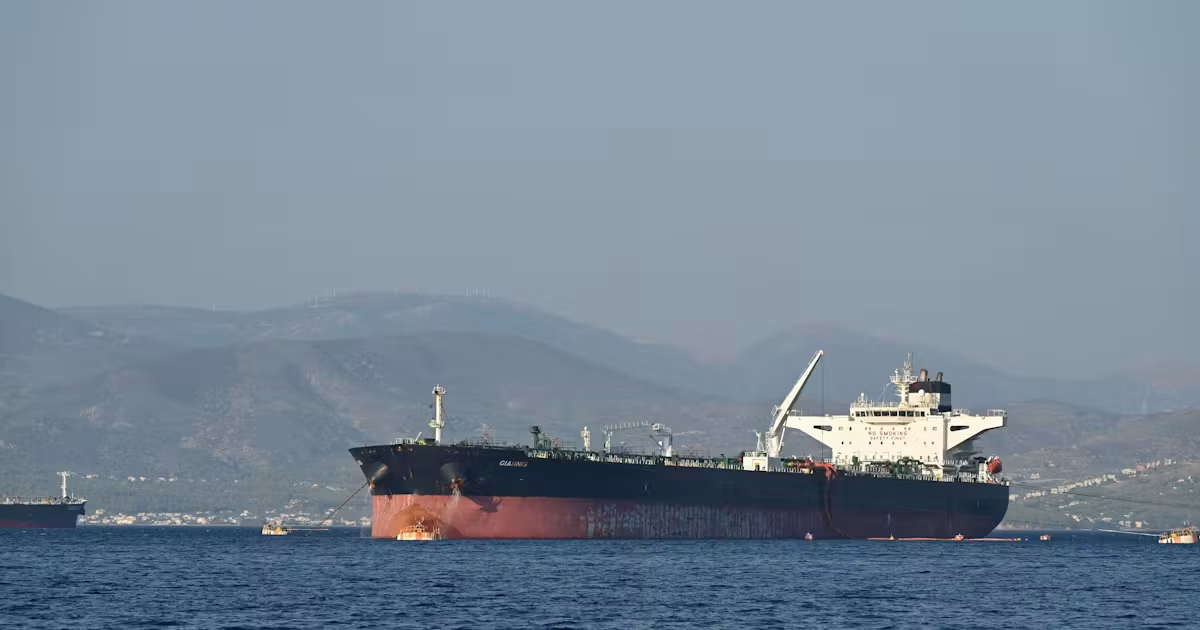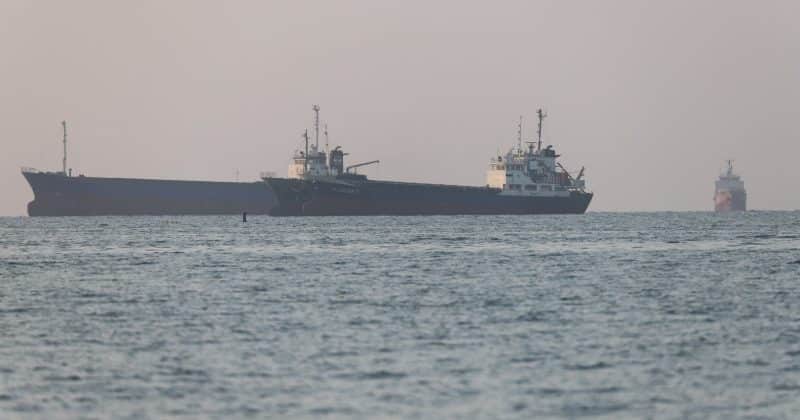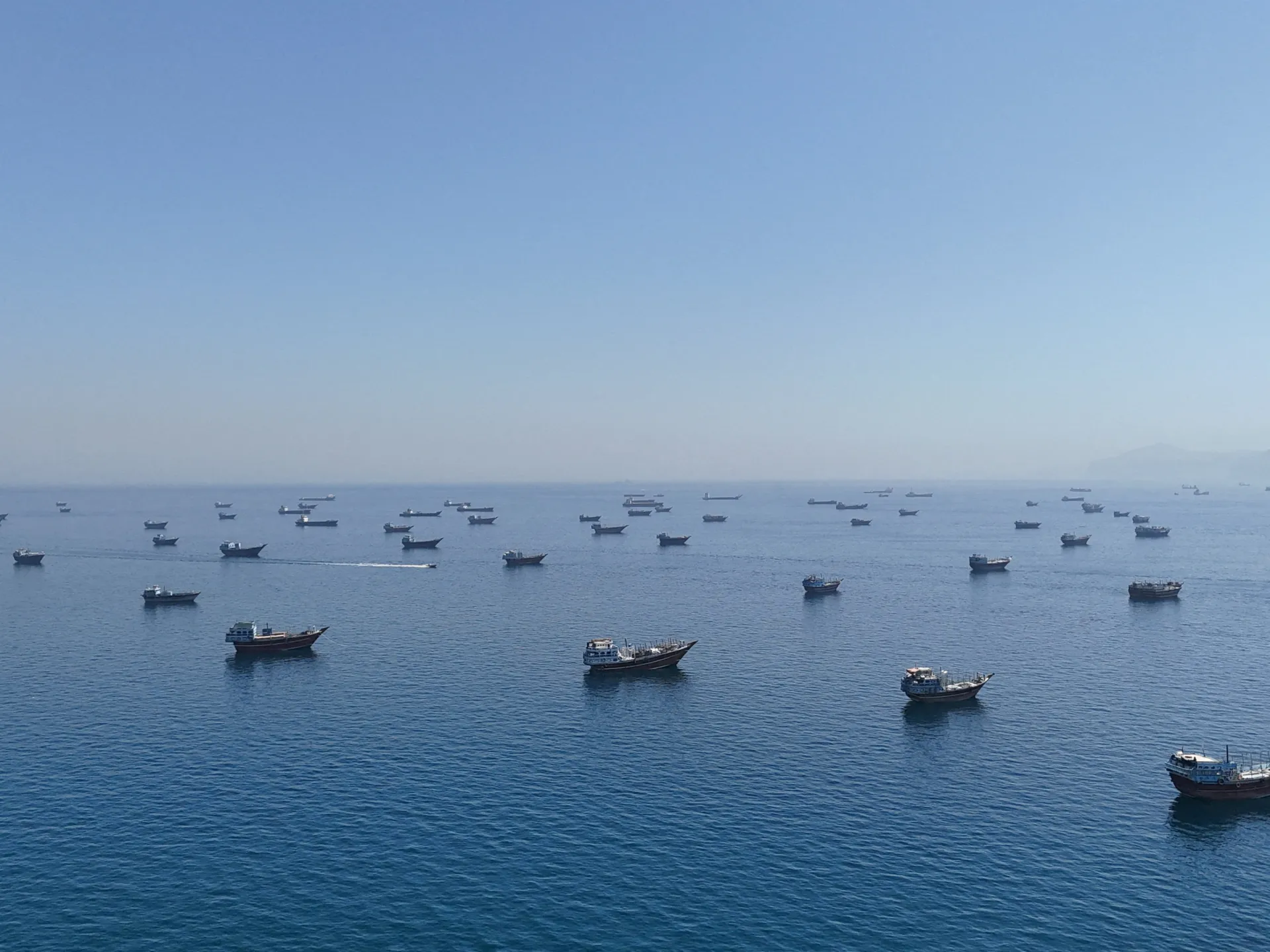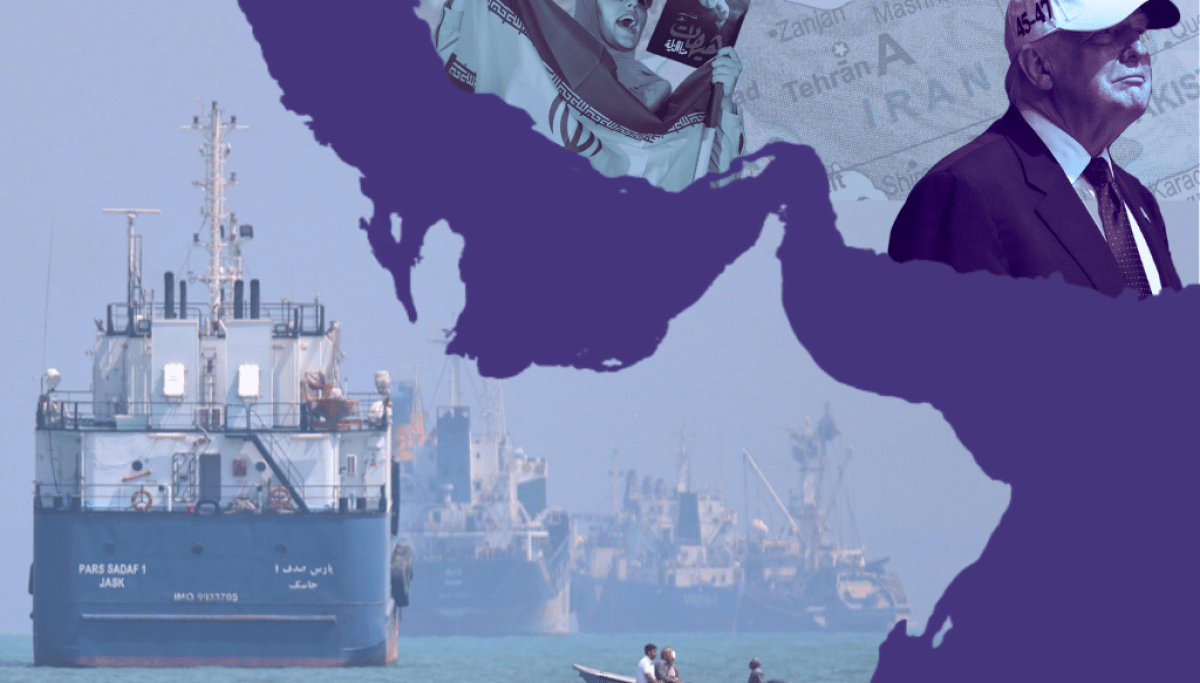
Trump administration officials are straining the credulity of markets by claiming ever more assertively over the past week that upward of 10 million barrels per day of crude oil are passing through the Strait of Hormuz, about half of what was transiting the crucial trade route before the war with Iran began.A flow of oil of that magnitude would suggest that the United States has dramatically limited Iran’s ability to hold oil markets hostage and weakened its leverage in peace talks. But oil market analysts and tanker trackers are skeptical of the administration’s figures, with some even calling the numbers “egregious.”They have remained doubtful in recent days, even after the administration has upped its estimates of the oil flowing through the strait and said it has set up an operation to facilitate the passage of oil tankers despite the Iranian threat.
Two U.S. officials claimed this week that the U.S. military has been able to facilitate the transit of around 10 million barrels of oil a day through the strait via a southern channel along the coast of Oman, according to Axios.This is higher than the estimate suggested last week by Energy Secretary Chris Wright, who said the seven-day average for oil leaving the Strait of Hormuz, as of Aug. 11, was nearly 9 million barrels per day.Wright also claimed that, when combined with the number of barrels leaving the region via upgraded pipelines and export facilities, the average amount leaving the Persian Gulf was around 15 million barrels per day.Before the war, roughly 20 million barrels per day were traveling through the Strait of Hormuz, around 20% of global oil demand.The Strait of Hormuz is the only waterway connecting the Persian Gulf with the wider ocean and has become a critical chokepoint in the war with Iran. (Grace Hagerman/Washington Examiner)