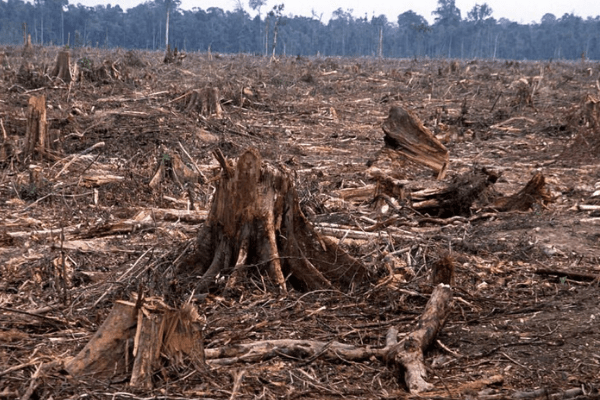
Northern Nigeria’s worsening loss of vegetation is increasingly becoming more than an environmental problem, threatening agricultural productivity, rural livelihoods, biodiversity and the resilience of communities already exposed to drought and climate variability.
Against this backdrop, the Centre for Information Technology and Development (CITAD) is pushing a community-led campaign that combines tree planting, digital monitoring and public mobilisation to help restore degraded landscapes and strengthen environmental protection across the region.
The initiative is coming at a time when official data indicate that a substantial portion of Nigeria’s land is already affected by degradation.
The United Nations Convention to Combat Desertification (UNCCD) estimates that 21.07 million hectares of Nigeria’s land was degraded in 2019, equivalent to 23.41% of the country’s total land area.
The National Agency for the Great Green Wall (NAGGW) says about 43% of Nigeria’s landmass is threatened by desertification, while approximately 2,168 square kilometres of farmland and rangeland are lost annually. It estimates that the environmental challenge threatens the livelihoods of more than 40 million people, particularly in northern Nigeria.