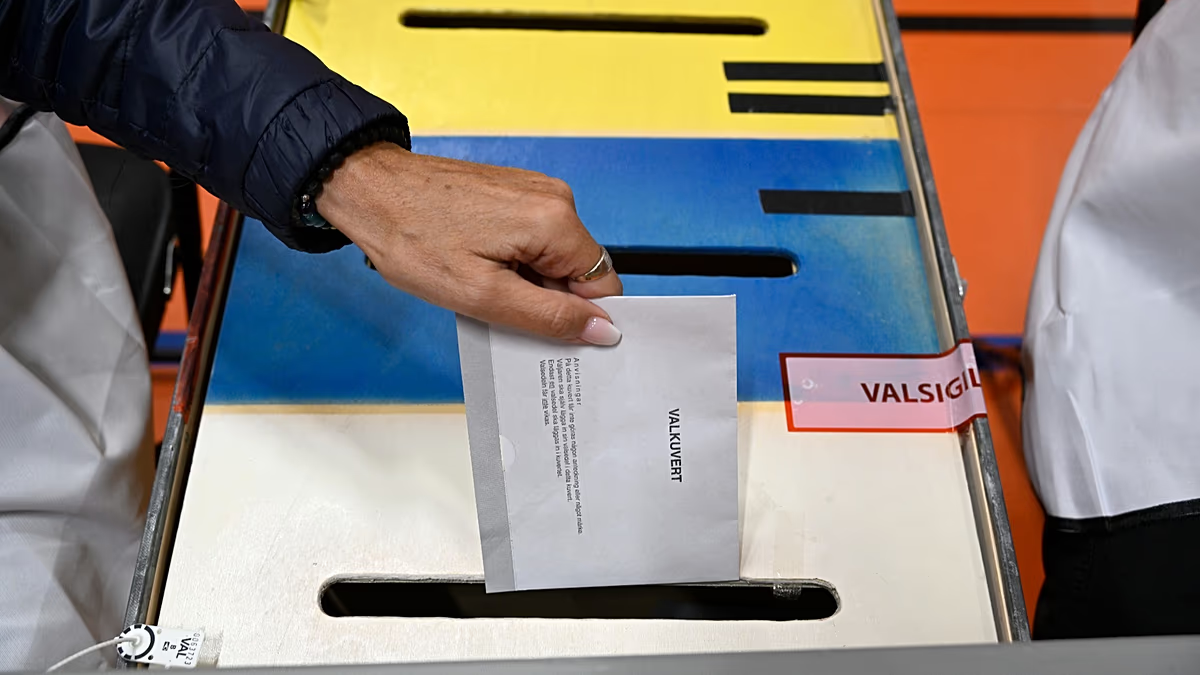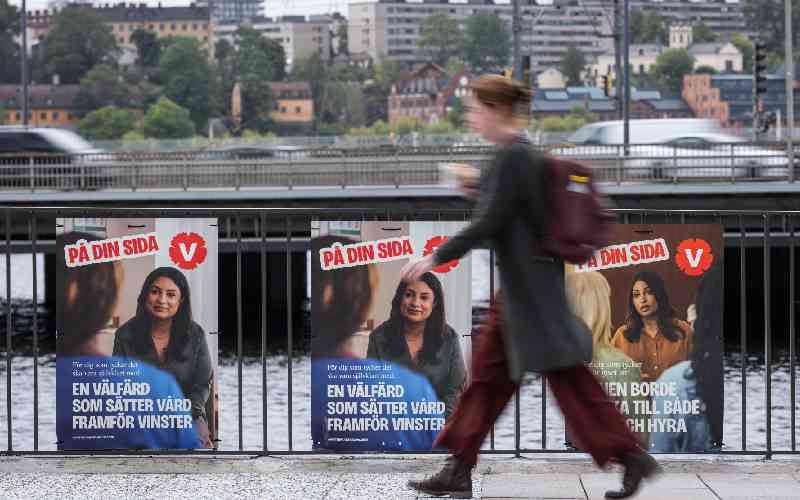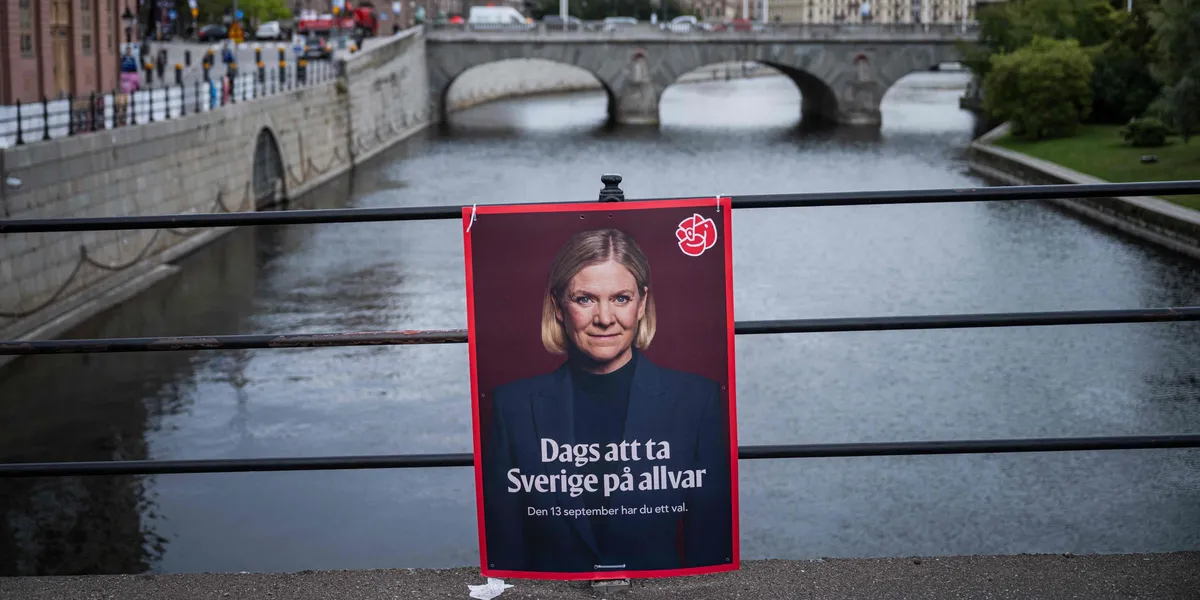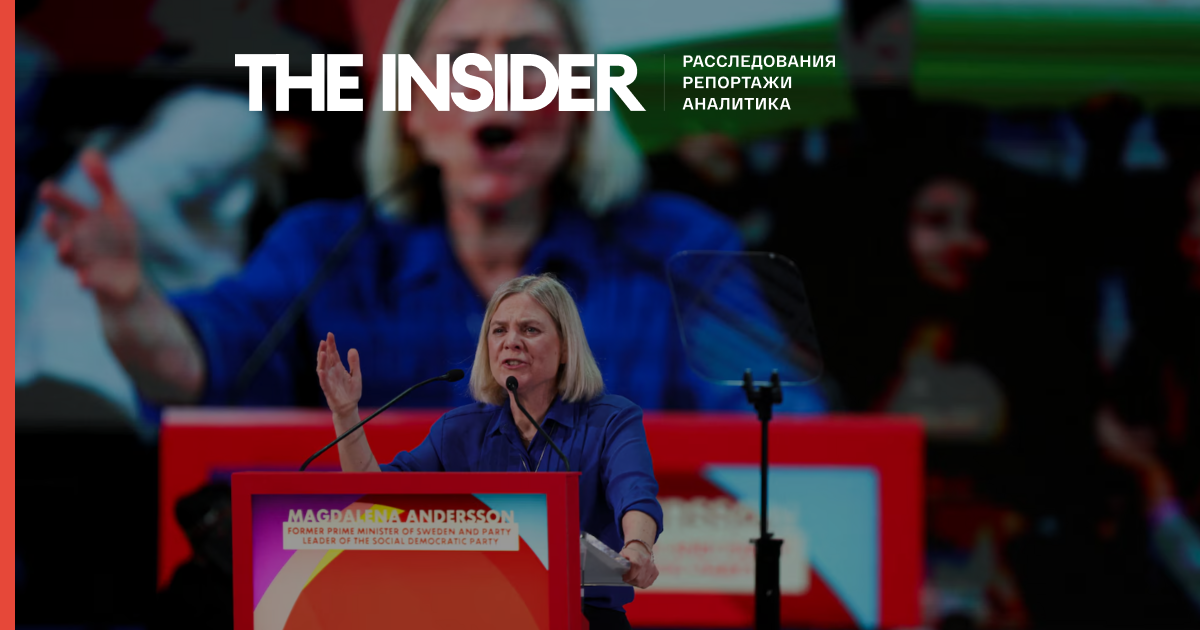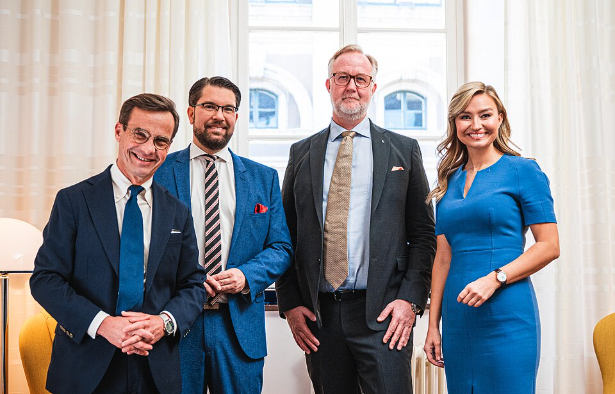
Sweden will hold general elections next Sunday (13 September), a vote that will decide the political direction of the country after four years of the Tidö Agreement – the existing four-party rightwing coalition agreement.
As the date approaches, prime minister Ulf Kristersson’s centre-right coalition is banking heavily on macroeconomic optimism to secure a second term.
Sweden changed its 2026 GDP growth forecast to 2.5 percent on 27 August – contrasting sharply with the broader European Union average of around 1.1 percent.
With inflation slowing below one percent, the government insists its policies to boost households and businesses will allow Sweden’s economy to outpace European rivals over the coming four years.
But will this optimistic message be enough?