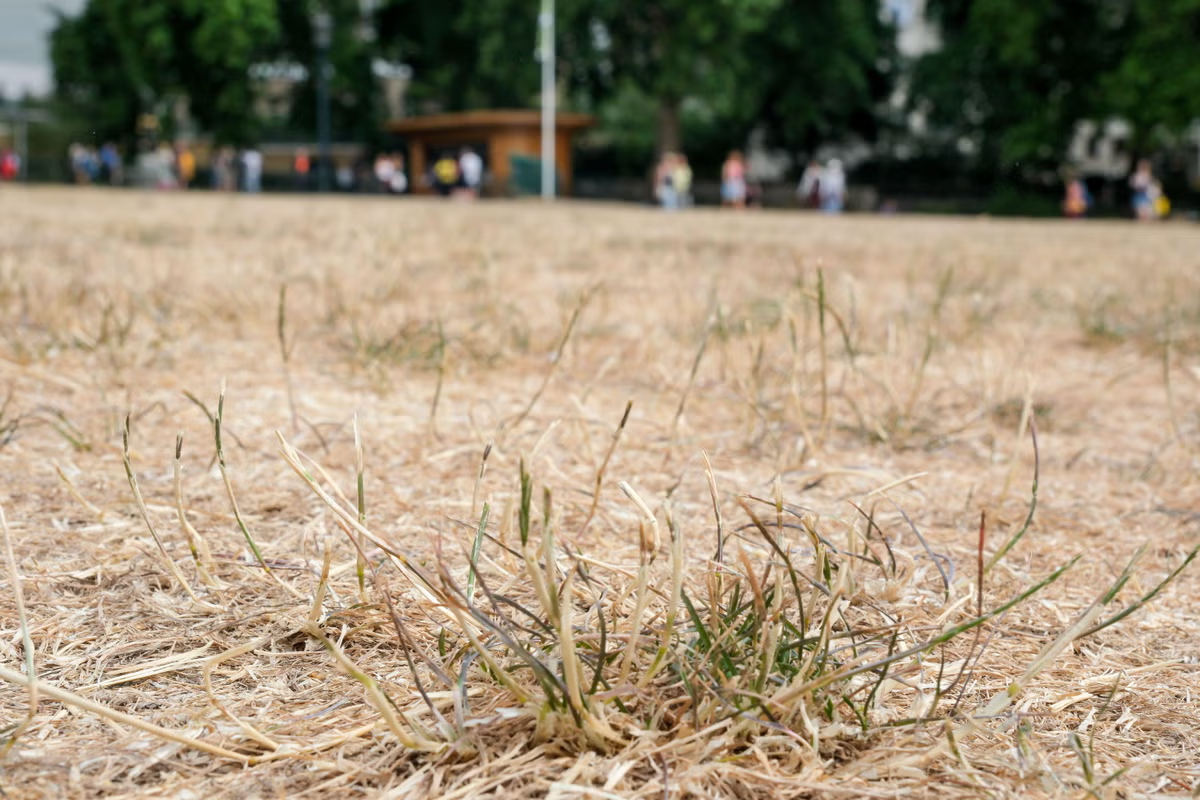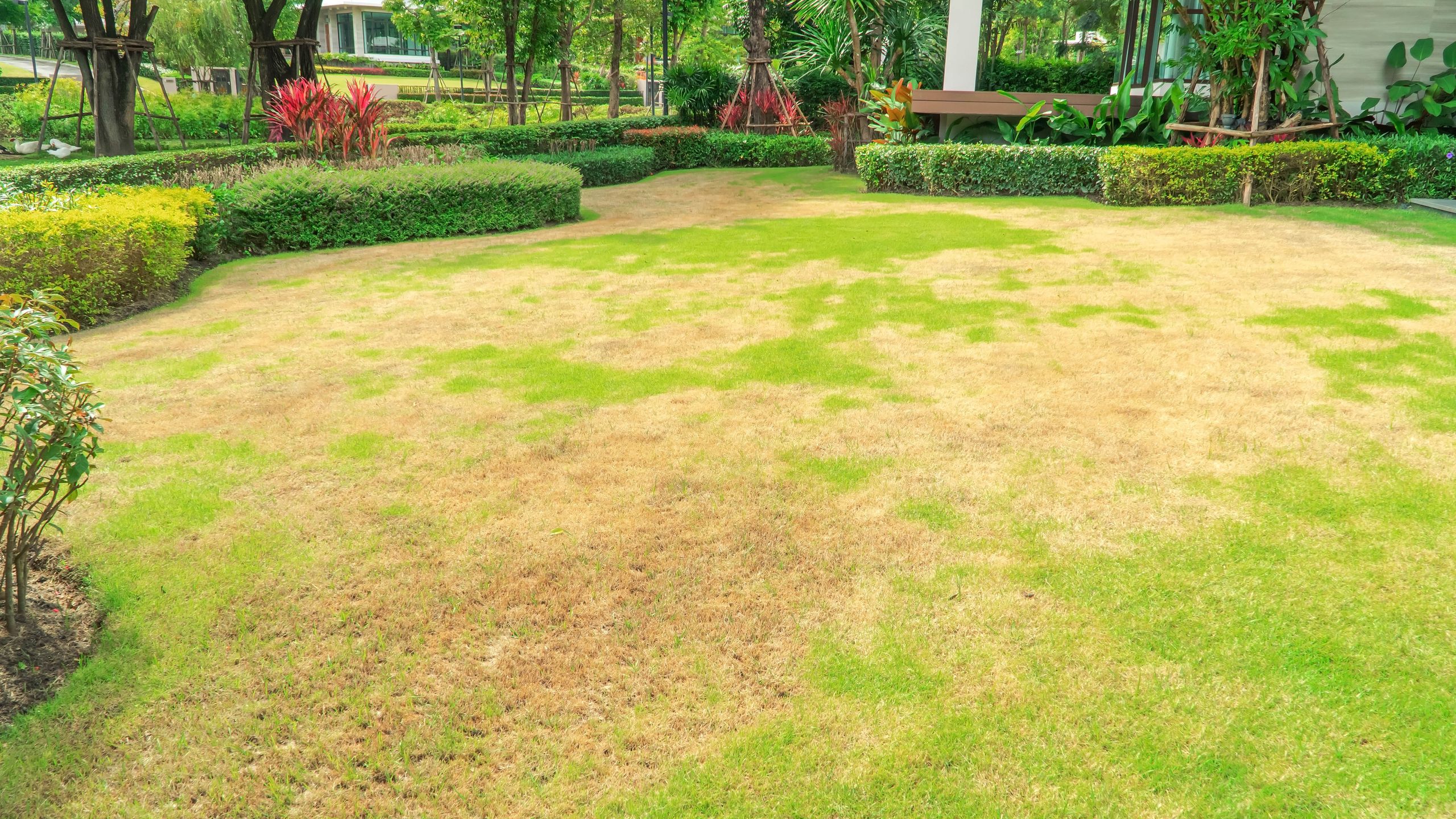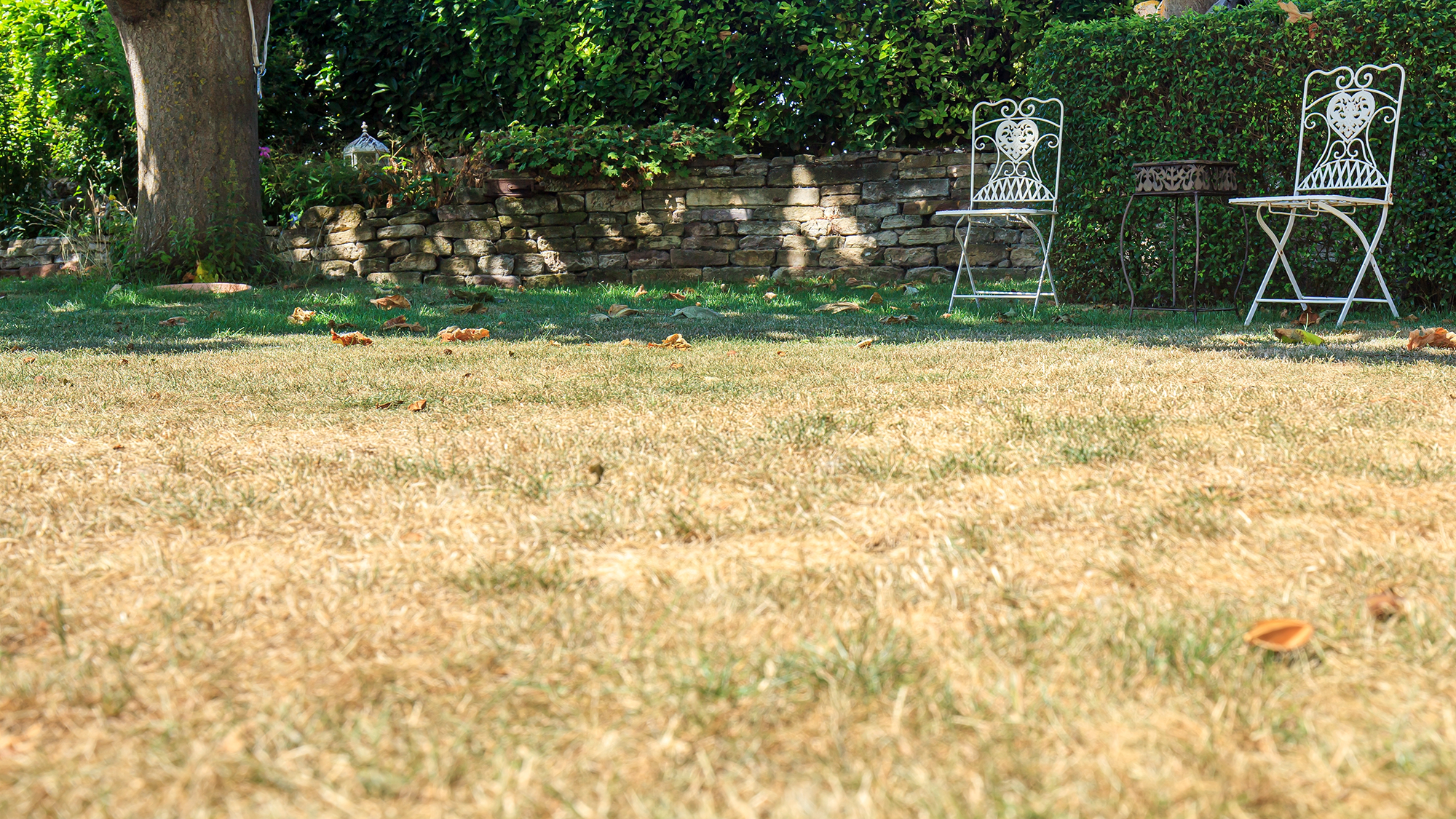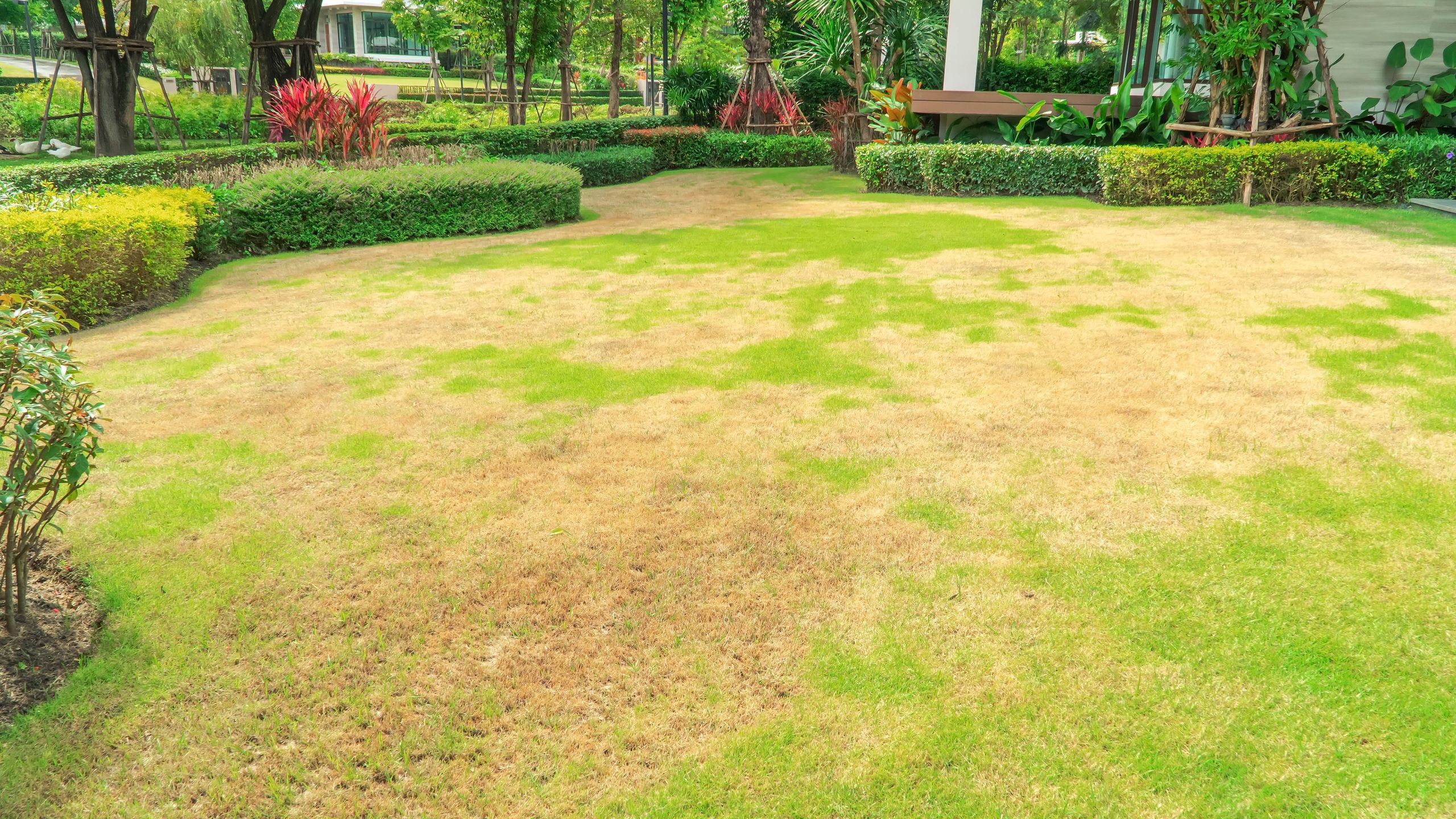
Between the summer heatwave and a strictly enforced watering restrictions, my yard didn't stand a chance. By late August, it looked like a doormat. Straw-like and baked dry — it was tempting to accept defeat and leave it till next year.Then I caught myself and remembered: a brown lawn is usually just dormant and playing defense. As cool weather and seasonal rain roll in, fall offers the ultimate window for a full comeback. If you follow the right recovery plan.If you want to transform your drought-damaged lawn into a lush, resilient yard before winter hits, here's what you need to do.1. Aerate compacted soil Heat and foot traffic compact soil throughout summer, restricting air and water movement to the root zone. Aeration removes small plugs of soil, opening pathways for water, oxygen, and nutrients to reach the roots.Fall aeration is particularly effective because the lawn recovers during its peak growing season. You can rent an aerator, hire a professional, or use a manual aerator or garden fork for smaller lawns.
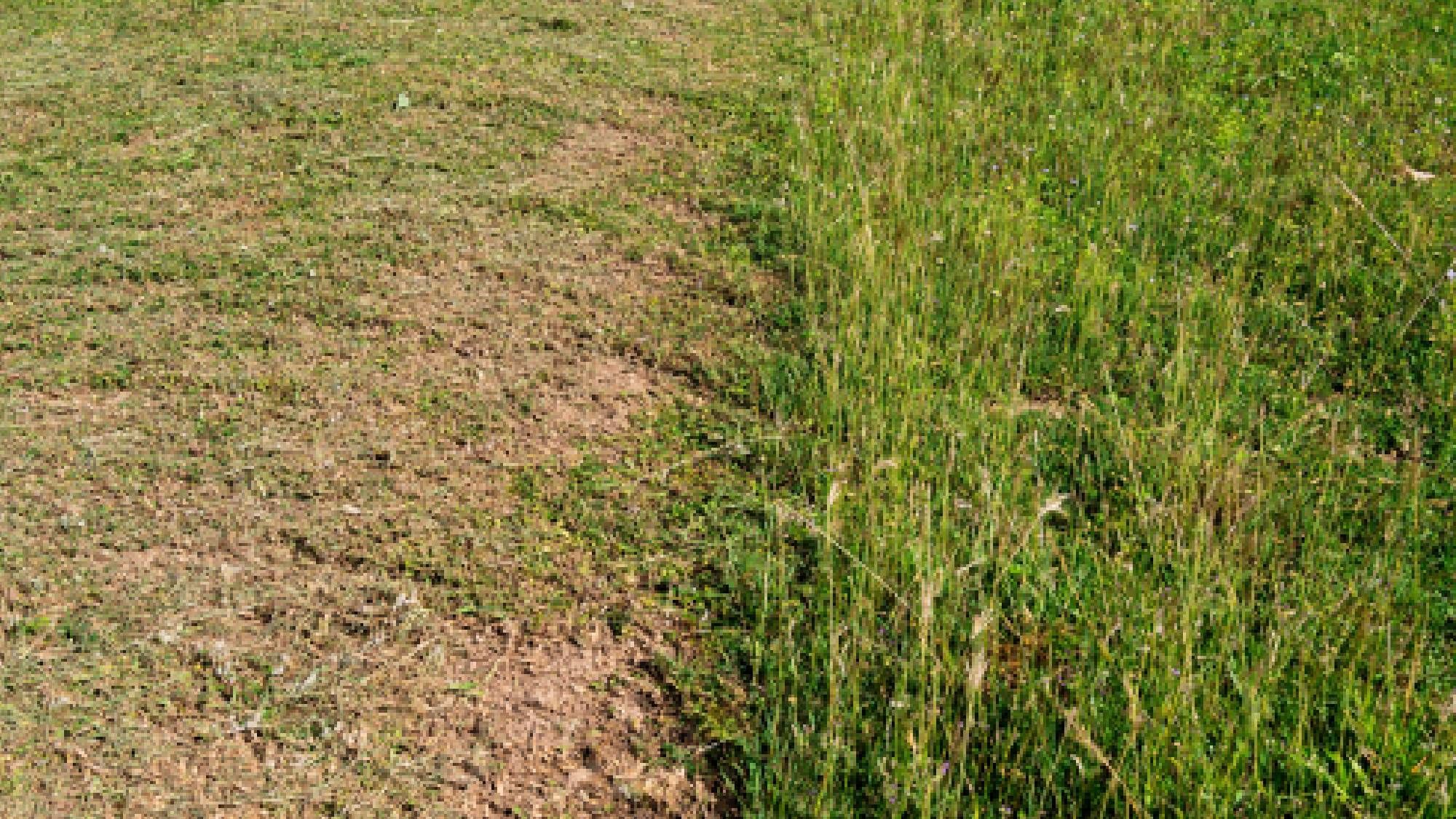
(Image credit: Shutterstock)Aerate when soil is moist but not waterlogged. This ensures the plugs pull cleanly without clogging. Leave the soil plugs on the lawn to break down naturally.Aeration combined with deep watering dramatically improves recovery because water and nutrients now reach the roots more effectively.Get instant access to breaking news, the hottest reviews, great deals and helpful tips.2. Overseed bare patches and thin areasHeat stress creates bare spots where grass dies back completely. Fall is ideal for overseeding because cooler temperatures and increased rainfall help new seeds germinate.