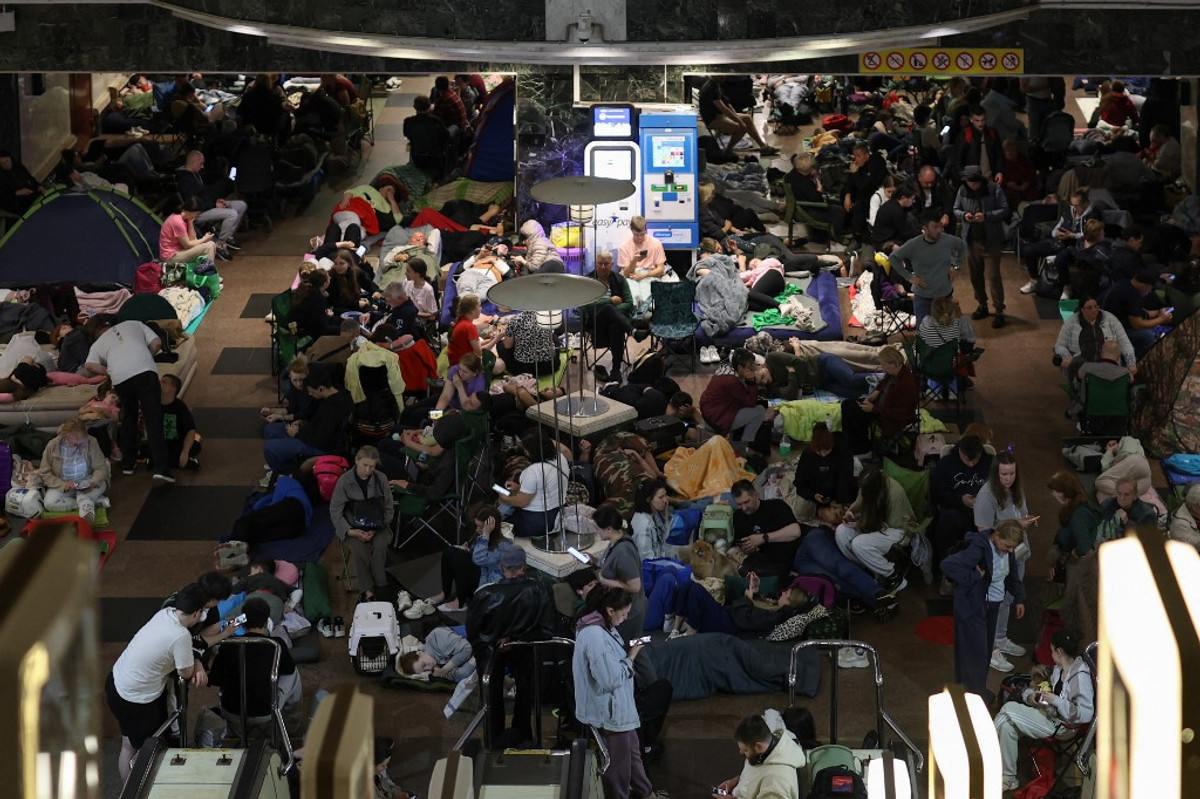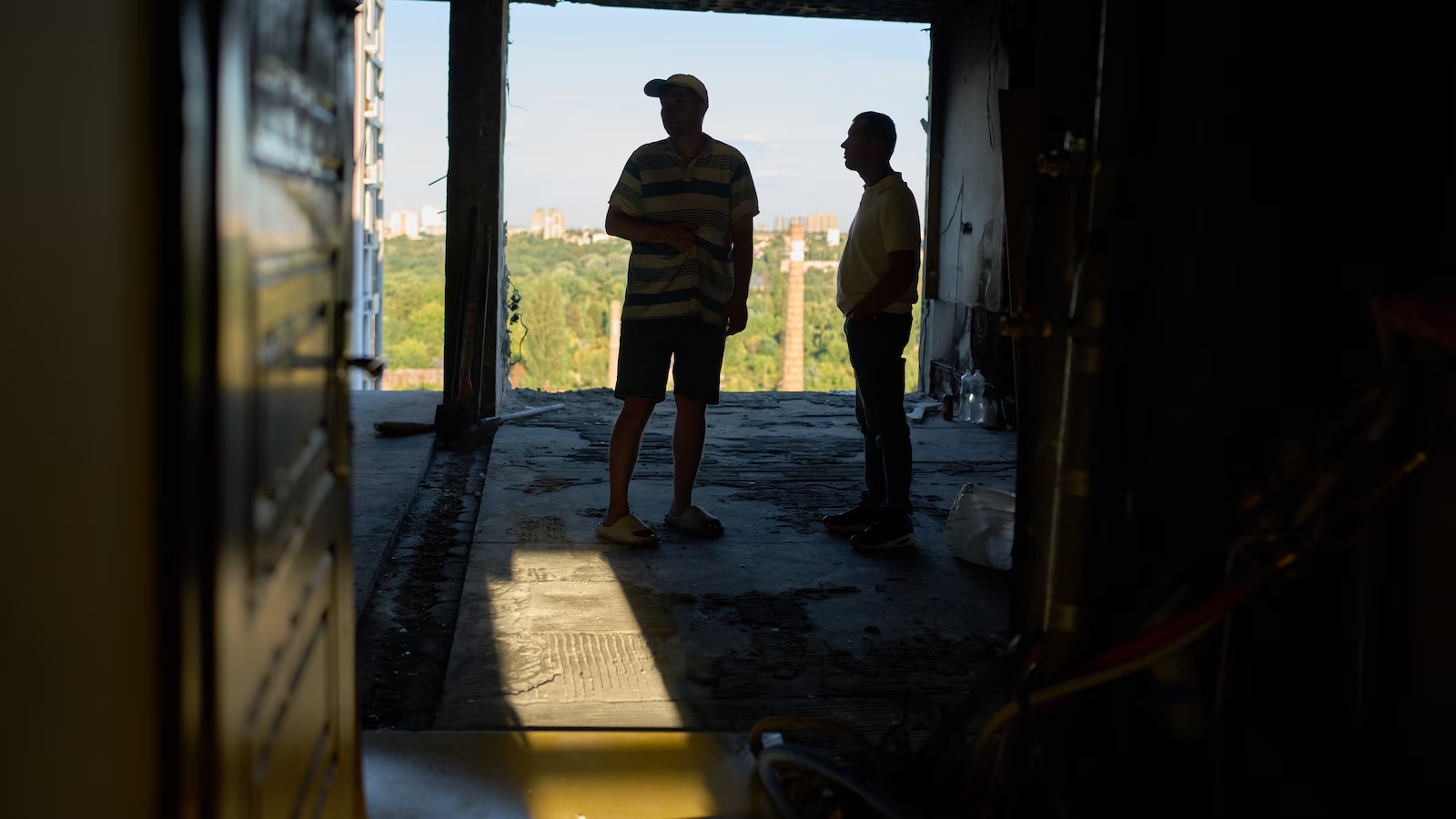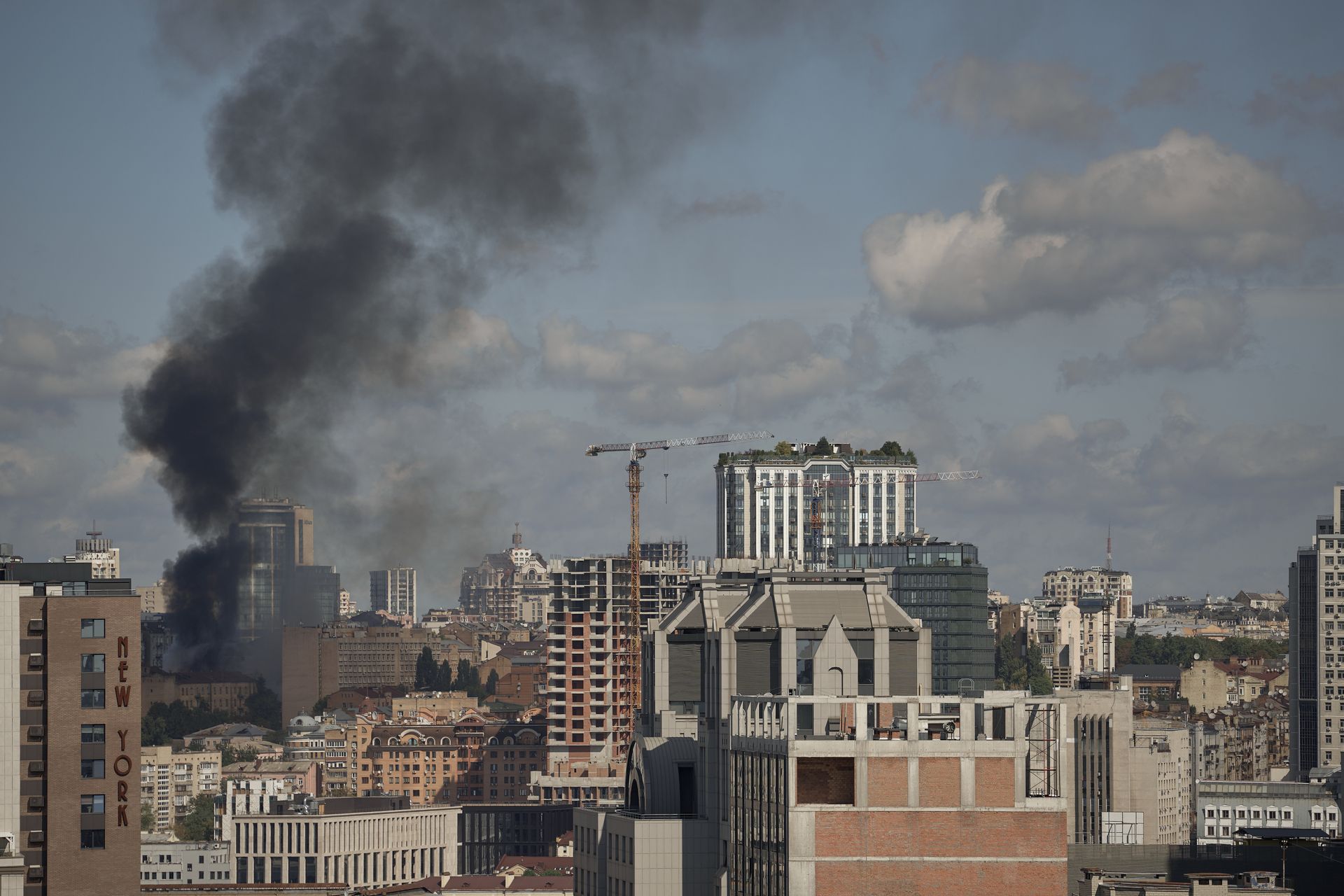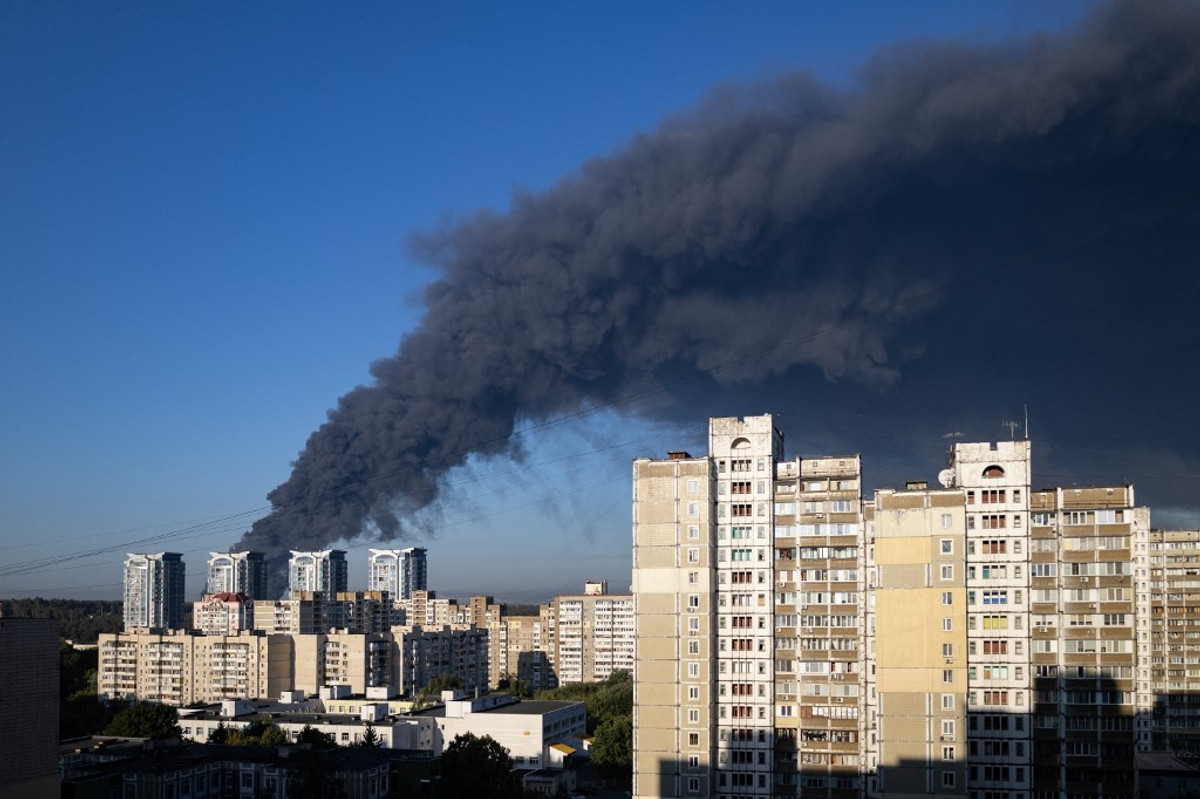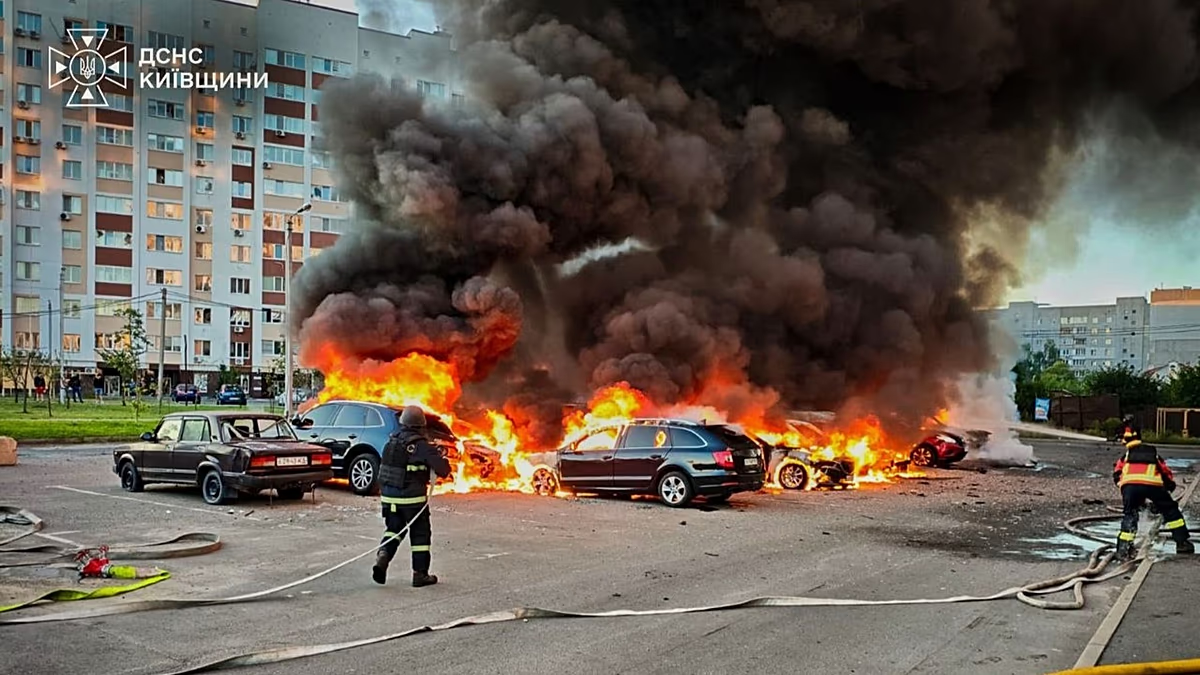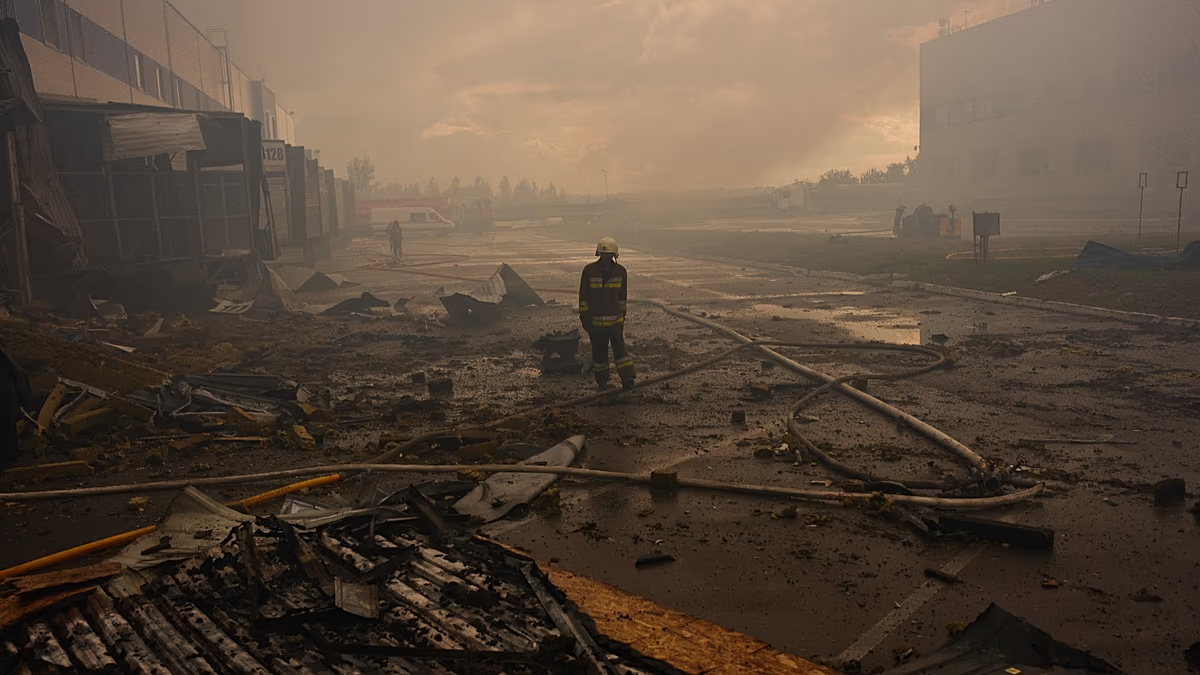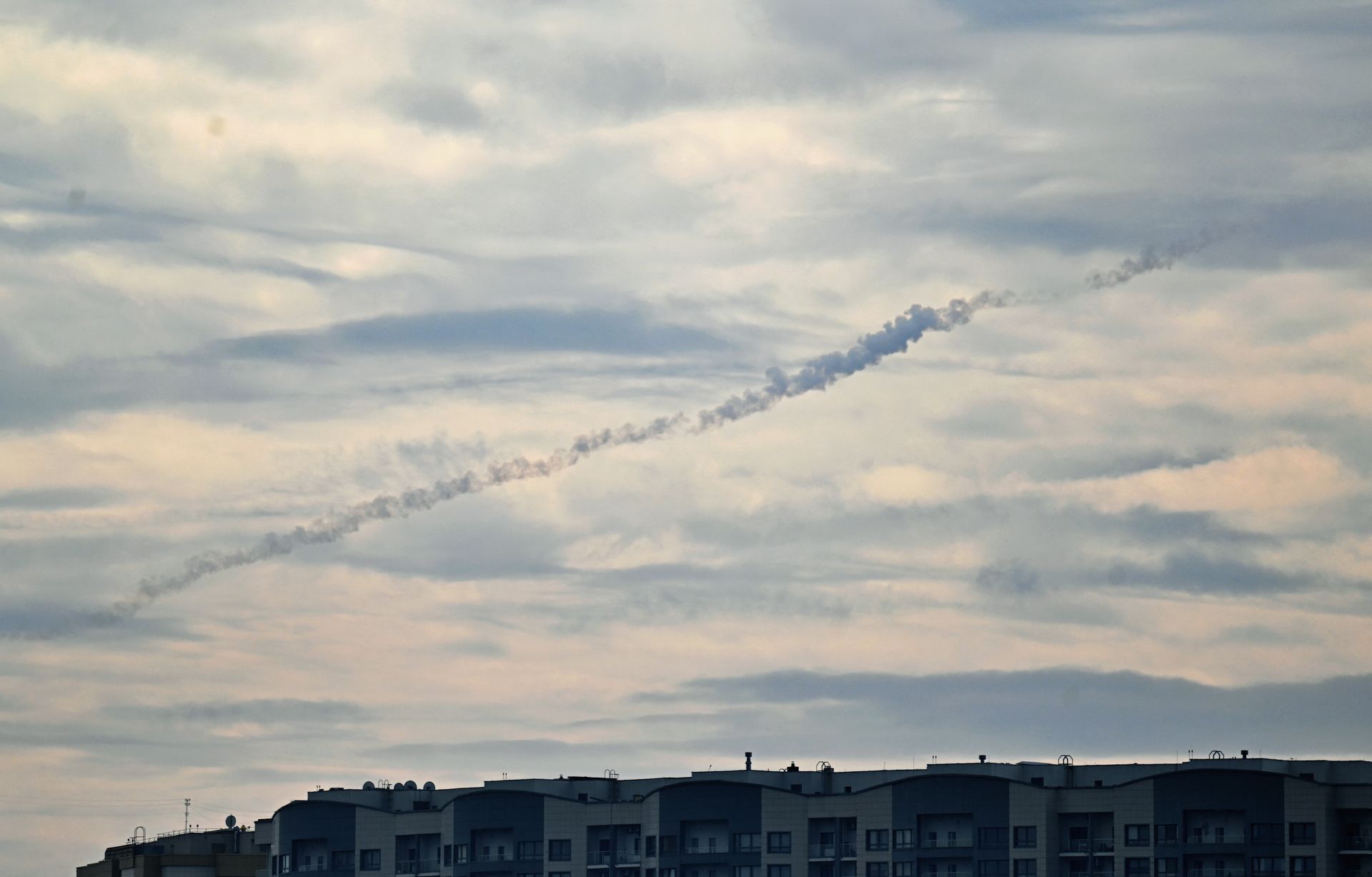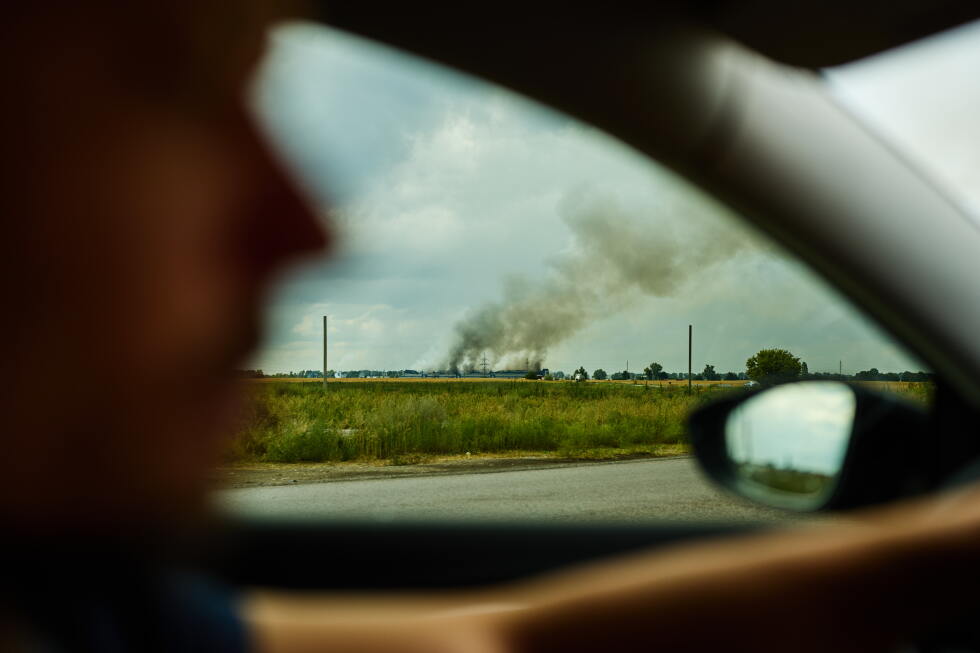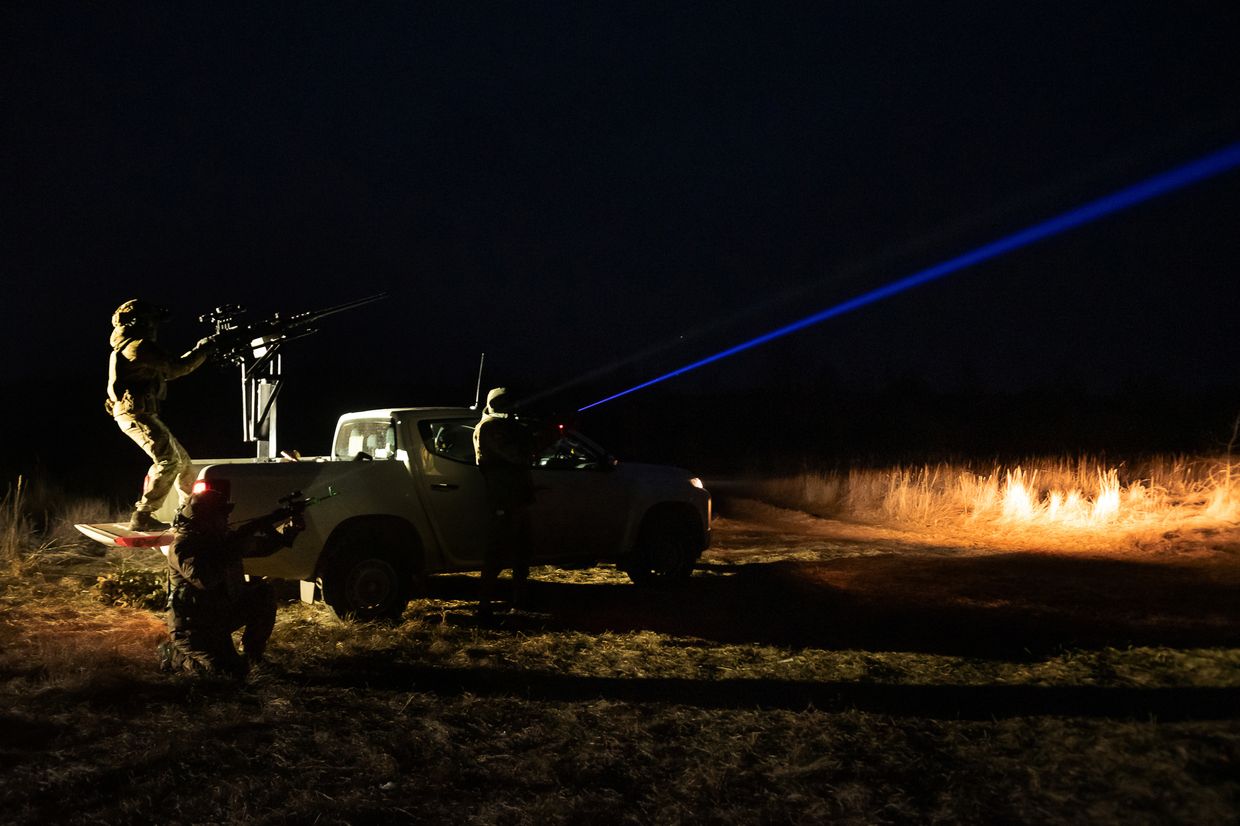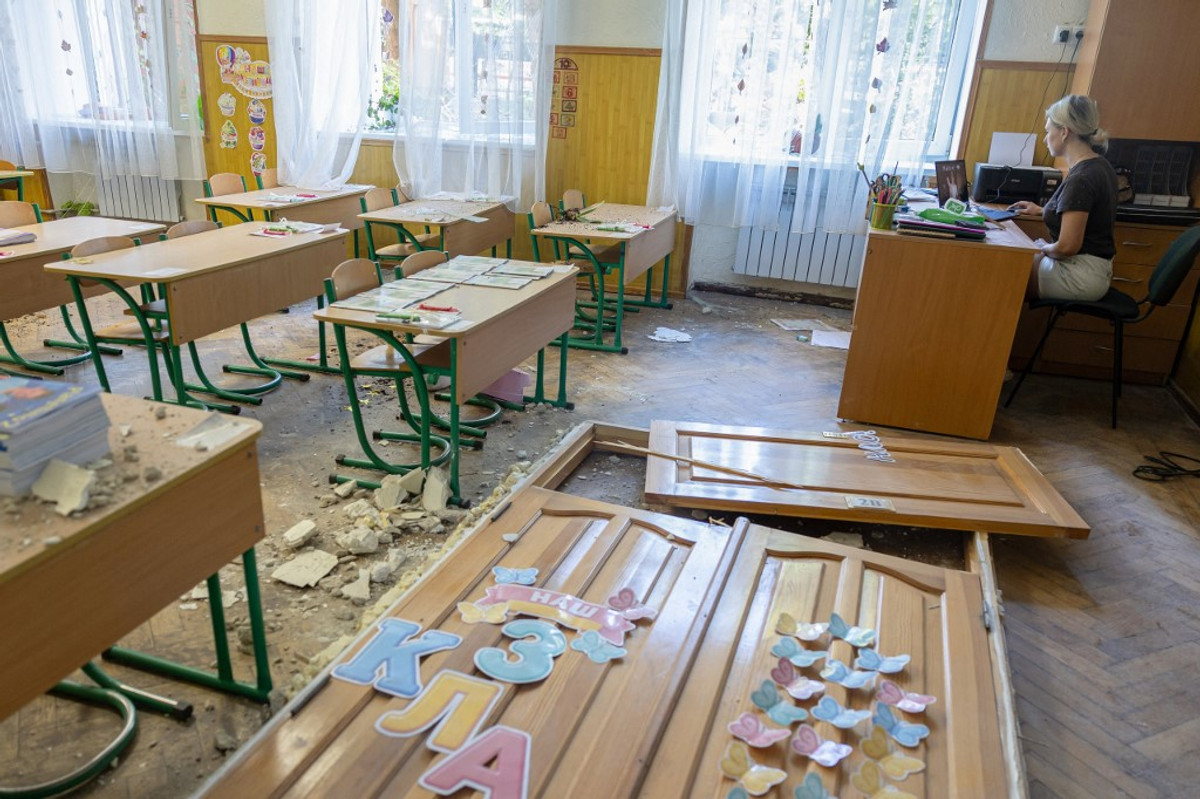
At the end of August, Russia switched its tactics in its air strikes against Kyiv from short, massive attacks to continuous bombardment by small groups of drones. This resulted in an air raid alert that lasted 15 hours in the Ukrainian capital. The new strategy is apparently aimed at exhausting Ukraine’s air defence capabilities and causing long-term disruption to everyday civilian life. We have chosen to liveJOIN US ON TELEGRAMFollow our coverage of the war on the @Kyivpost_official. Human rights activist Olexandra Matviychuk (Ukraine) describes everyday life in Kyiv in a Facebook post: “The Russians are using tactics of continuous bombardment to paralyse life in Kyiv. The metro stops, traffic across the bridges is blocked, and administrative buildings and shopping complexes close. I walk through the streets while drones are being shot down directly overhead. When I look up at the sky, I see only a threat. Yet it is impossible to put your daily affairs, and your very life, on hold. Paralysis is a forerunner of death. And we have chosen to live.” Frank discussions needed Political scientist Viktor Shlintchak (Ukraine) addresses the government on Facebook: “Just as in 2022, our moral resilience is now being put to the test. And today it is almost entirely up to the government whether it manages to unite the whole of society so that we can hold our ground mentally. Communication must therefore play an exceptionally important role. ... I am not urging the government to simply avoid repeating the same mistakes of the past here, but to finally face reality. To reach out to the people. ... To speak to the media and civil society activists and explain that there really are problems, and that the state really does understand what needs to be done. Provided, of course, it does understand.”
Russia Changes Strategy: Non-Stop Alerts in Kyiv
At the end of August, Russia switched its tactics in its air strikes against Kyiv from short, massive attacks to continuous bombardment by small groups of drones.
457 words~2 min read