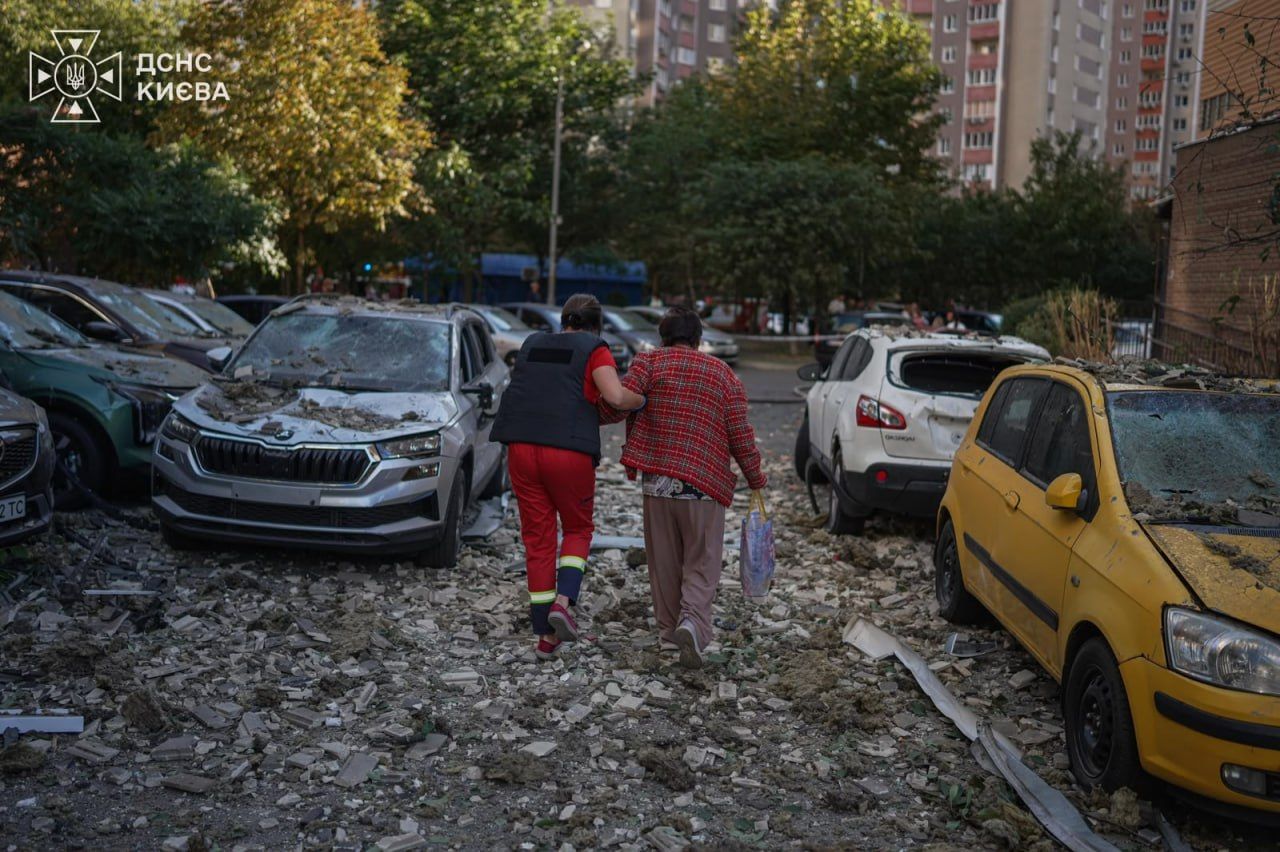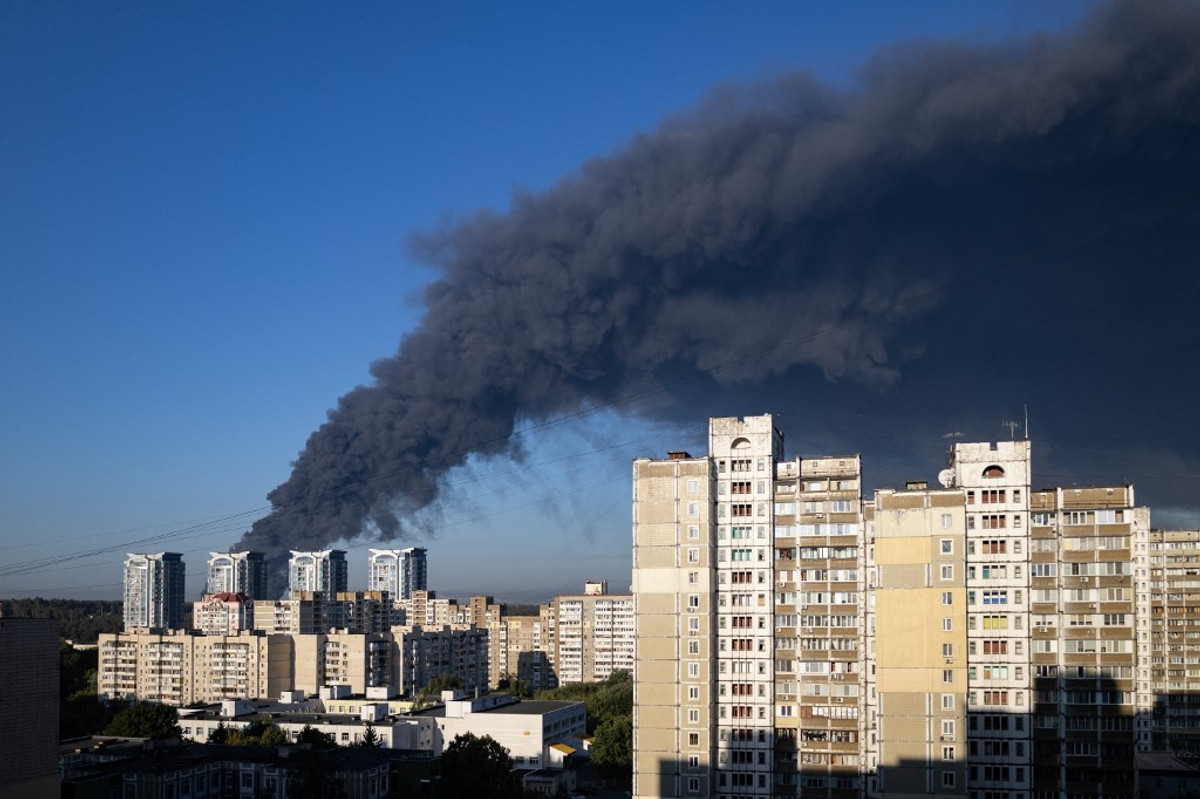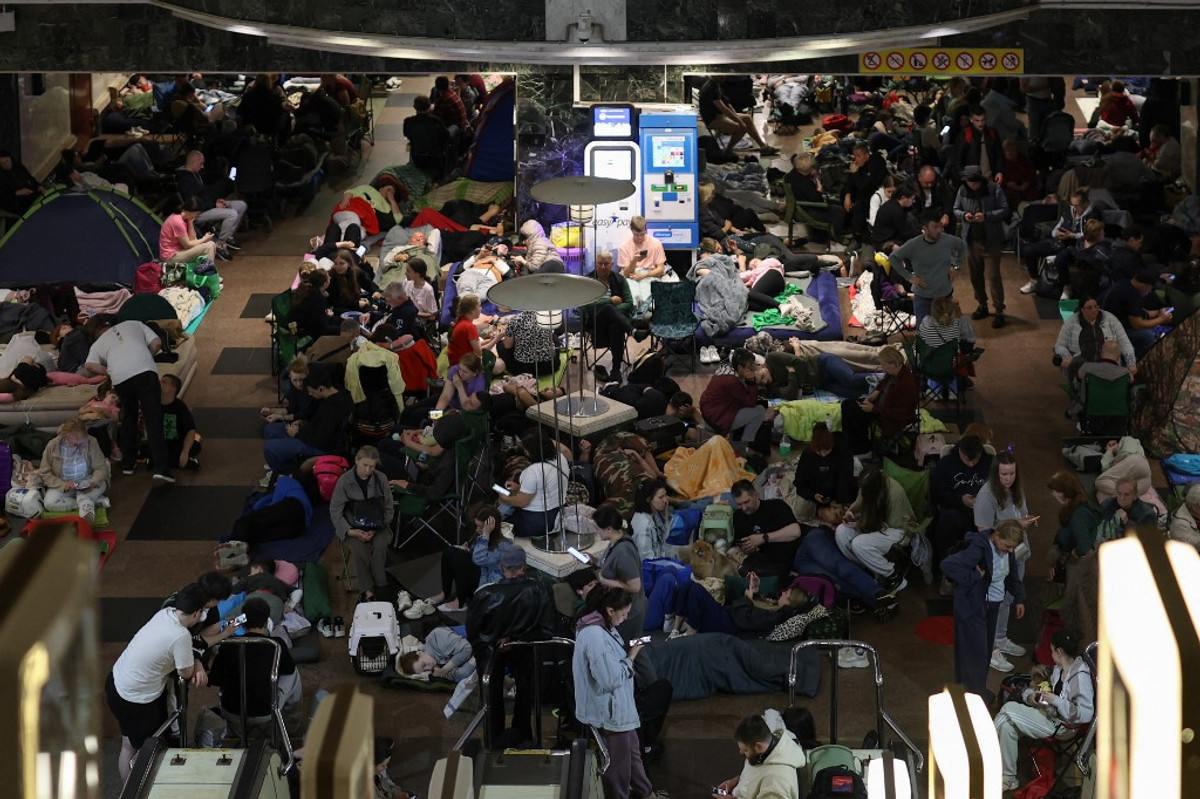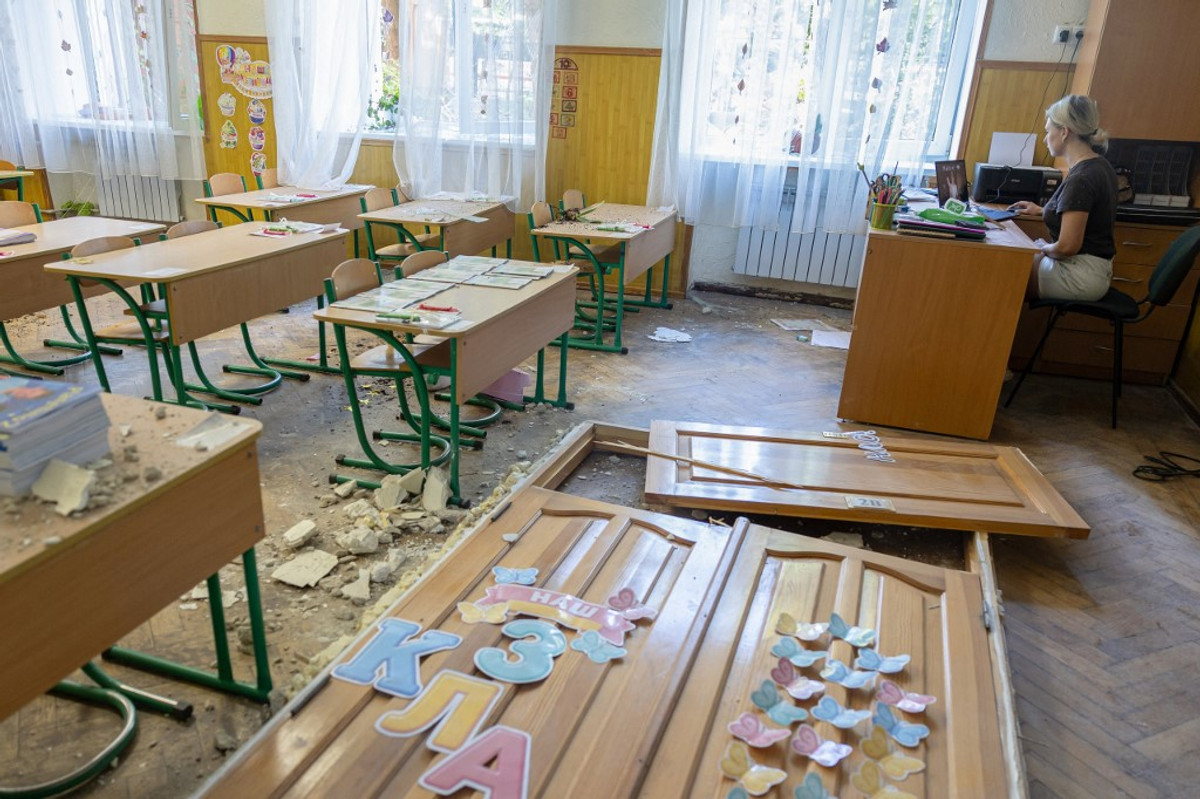
Russia failed to capture Kyiv in 2022. It is now trying to dictate how the city sleeps, travels, and works. The latest attack began early on Tuesday, Sept. 8, just hours after the expiration of a three-day pause in strikes on Kyiv and Moscow, which was observed during the visit of US envoys Jared Kushner and Steve Witkoff. Russian missiles and drones killed three people and wounded 16, according to Ukrainian officials. The strike damaged at least 14 high-rise buildings, a dormitory, a school, a clinic, and multiple warehouses.JOIN US ON TELEGRAMFollow our coverage of the war on the @Kyivpost_official. “The moment the US president’s peace envoys left, Putin launched another massive, horrific attack against Kyiv,” Ukrainian Foreign Minister Andrii Sybiha said. Attacks are spread across the entire day For much of the war, Kyiv’s air-raid routine followed a grim but predictable rhythm: Russian drones arrived at night, missiles struck before dawn, and the city dusted itself off to restart in the morning. Russia is now deploying smaller groups of drones throughout the day and night. Many are jet-powered models that travel faster and are significantly harder to intercept than the propeller-driven Shahed drones used earlier in the war. Kyiv Post documented more than 100 jet-powered drones approaching Kyiv during one 12-hour period. Russia launched more than 2,800 jet-powered drones against Ukraine in August, averaging roughly 90 a day, according to Ukrainian Air Force spokesperson Yurii Ihnat. Their use increased fivefold in July compared with June.
Russia’s New Aerial Siege of Kyiv Targets Daily Life, Not Just Buildings
Russia is dispersing faster drone attacks across the day and night and turning air alerts into a weapon against Kyiv’s economy, infrastructure, and population.
1,497 words~7 min read