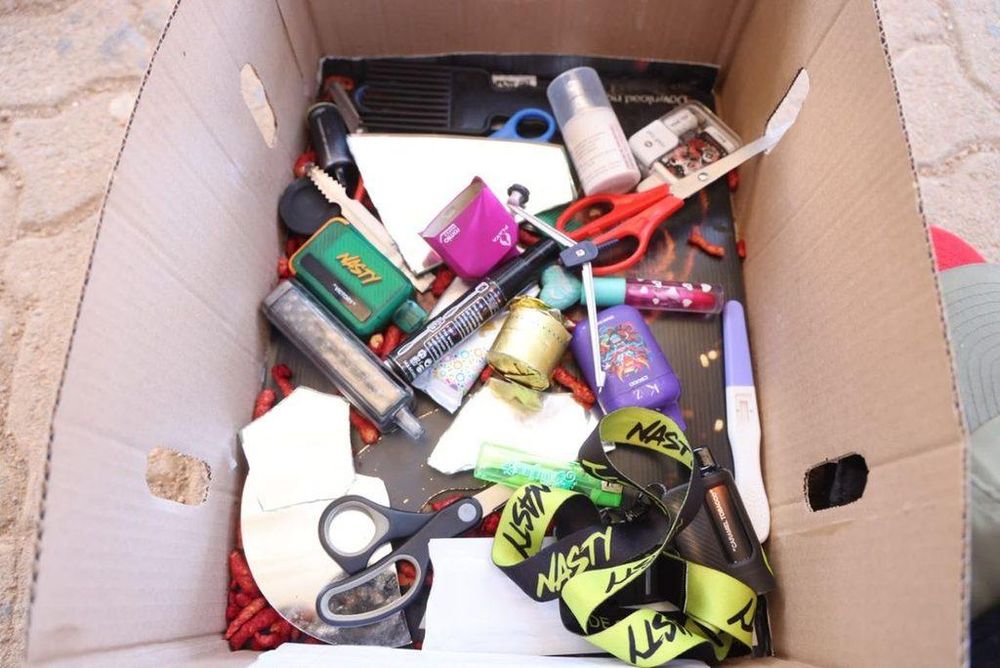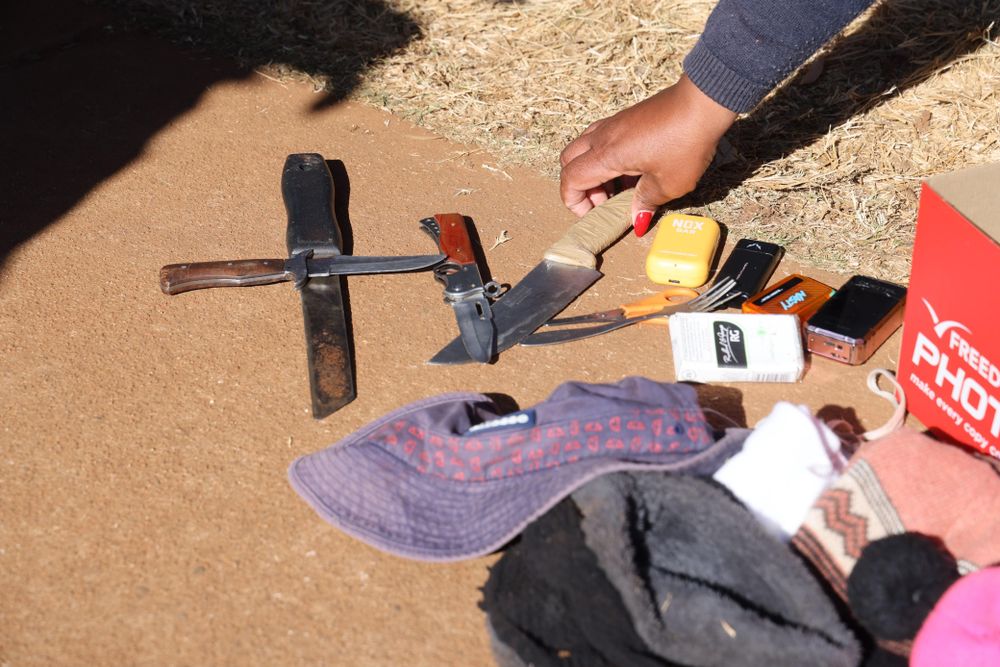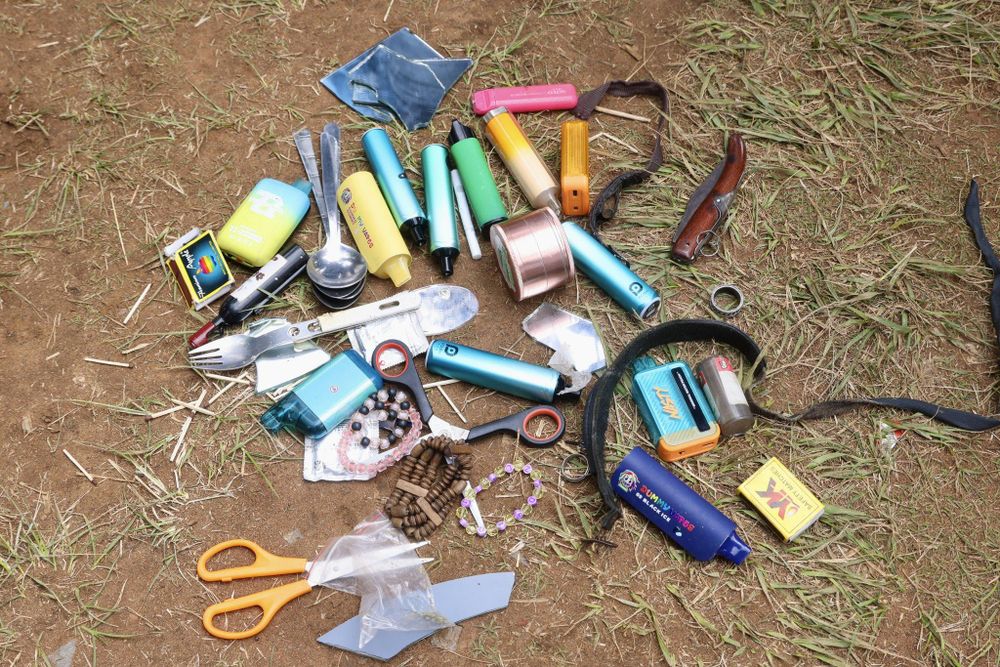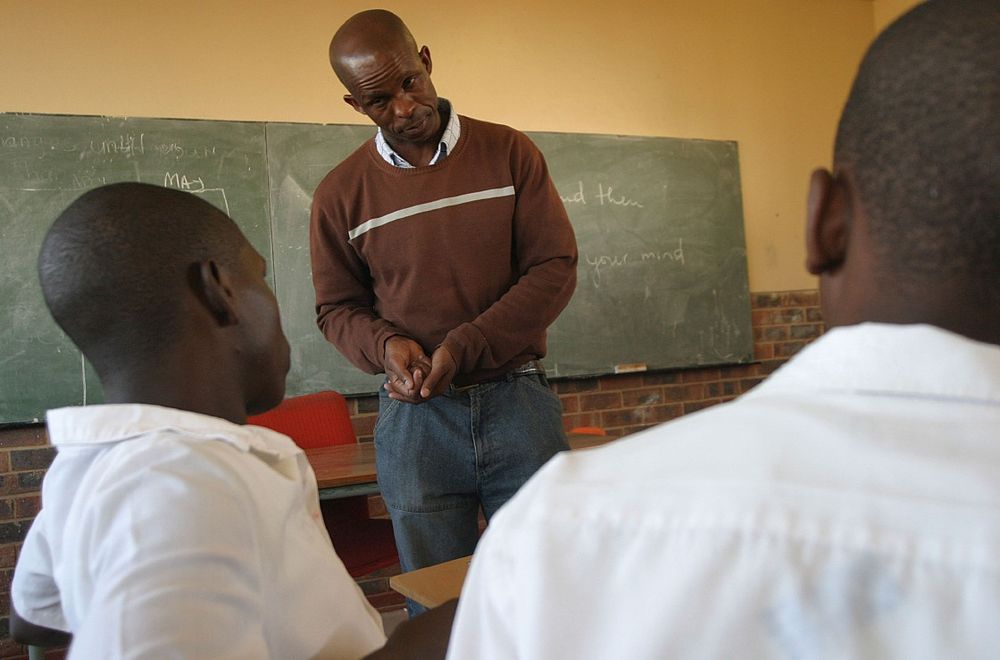
SUPER Mtshali, an ex-convict, speaks to Grade 10 students from Morris Isaacson High in Soweto about his real life story and his experience in prison. Mtshali is a member of the MoAfrica Itlhokomele organisation, that regularly visits schools to talk about their prison life with the aim of stopping crime and violence in Gauteng's basic education institutions. | ANA Archives
Edwin Naidu
When South Africa's schools reopened after the COVID-19 disruptions, there was hope that attention could return to learning losses, teacher development and educational recovery. Instead, many schools have become mirrors of the violence, poverty, gangsterism and social breakdown affecting communities across the country.
The numbers tell a disturbing story. According to Statistics South Africa, more than 1.15 million learners experienced some form of violence at school in 2024, with incidents involving both fellow learners and, alarmingly, educators themselves. Teacher-perpetrated physical violence accounted for more reported cases than learner-on-learner physical violence.
Yet statistics alone fail to capture the human cost. Across Gauteng, the Western Cape, KwaZulu-Natal and other provinces, learners are being stabbed, shot, assaulted, robbed and recruited into criminal activity. Schools that should be places of safety increasingly find themselves on the frontline of South Africa's broader crisis of violence.