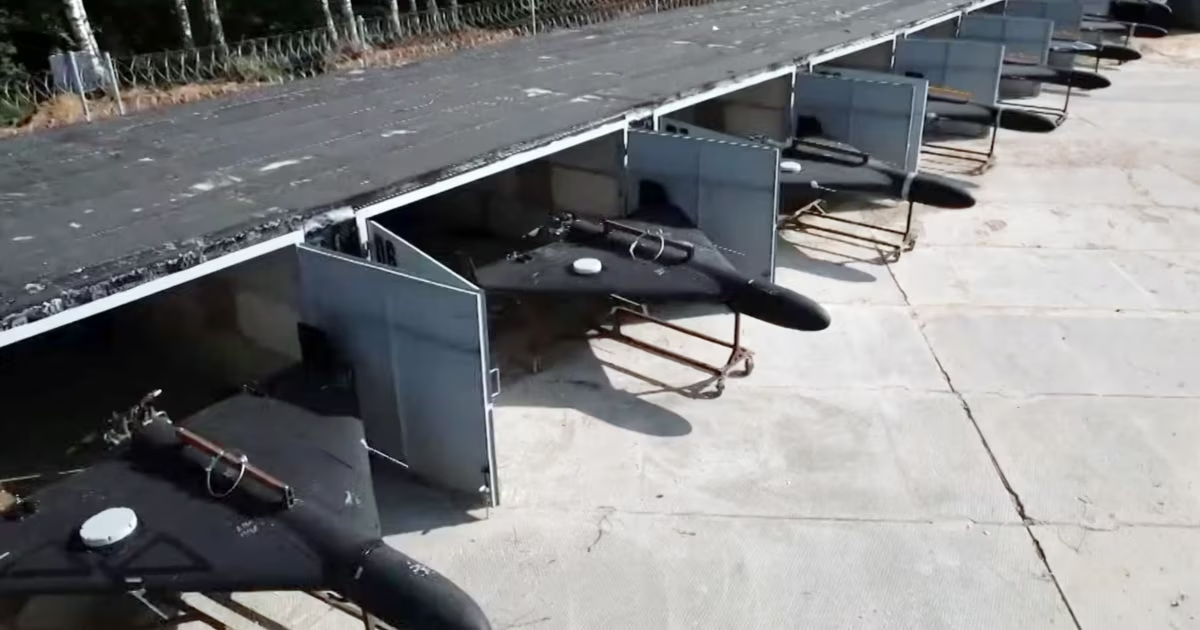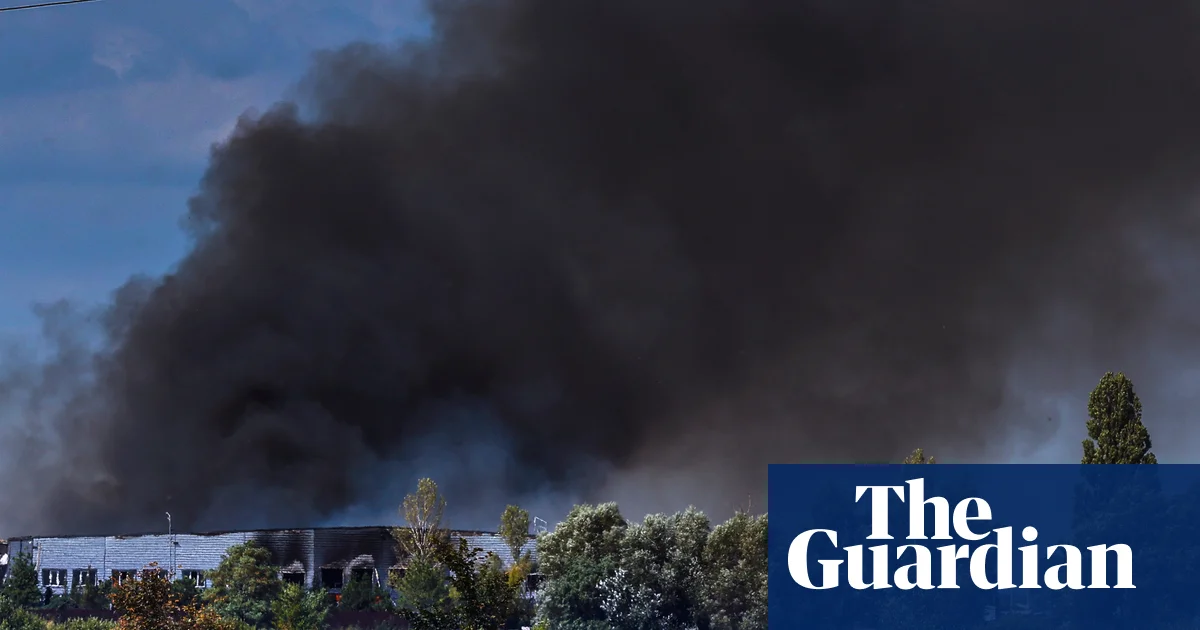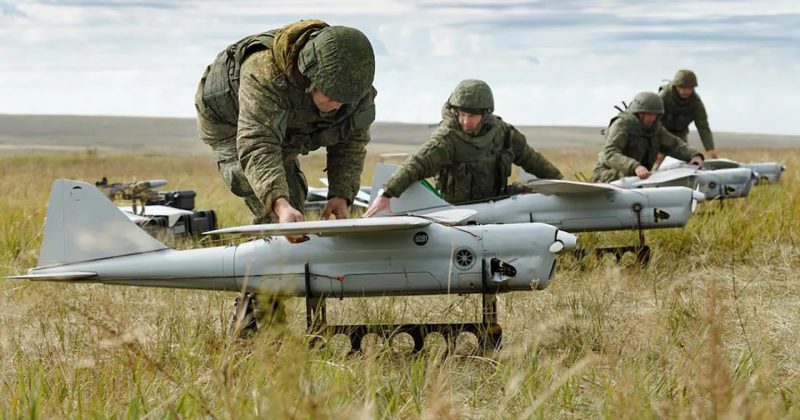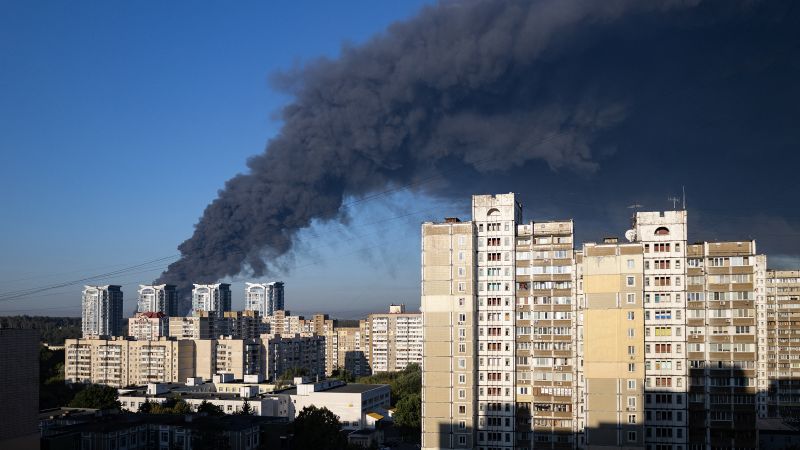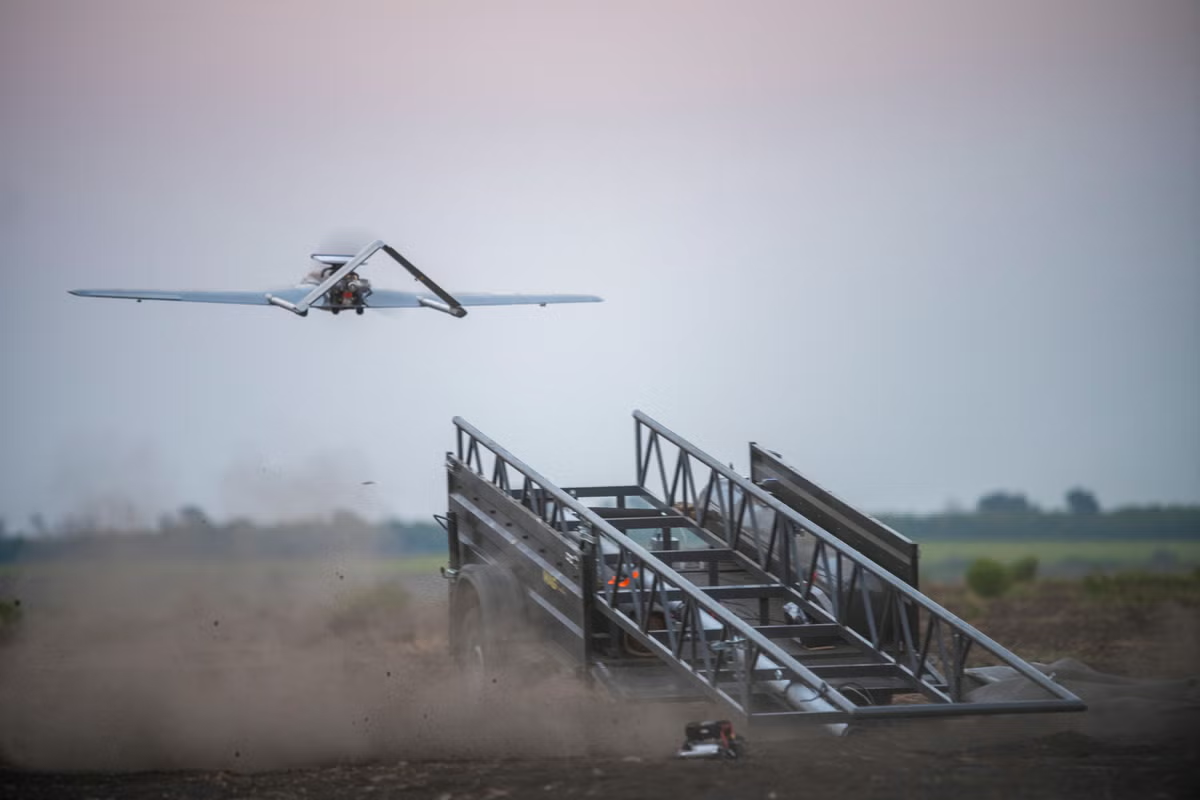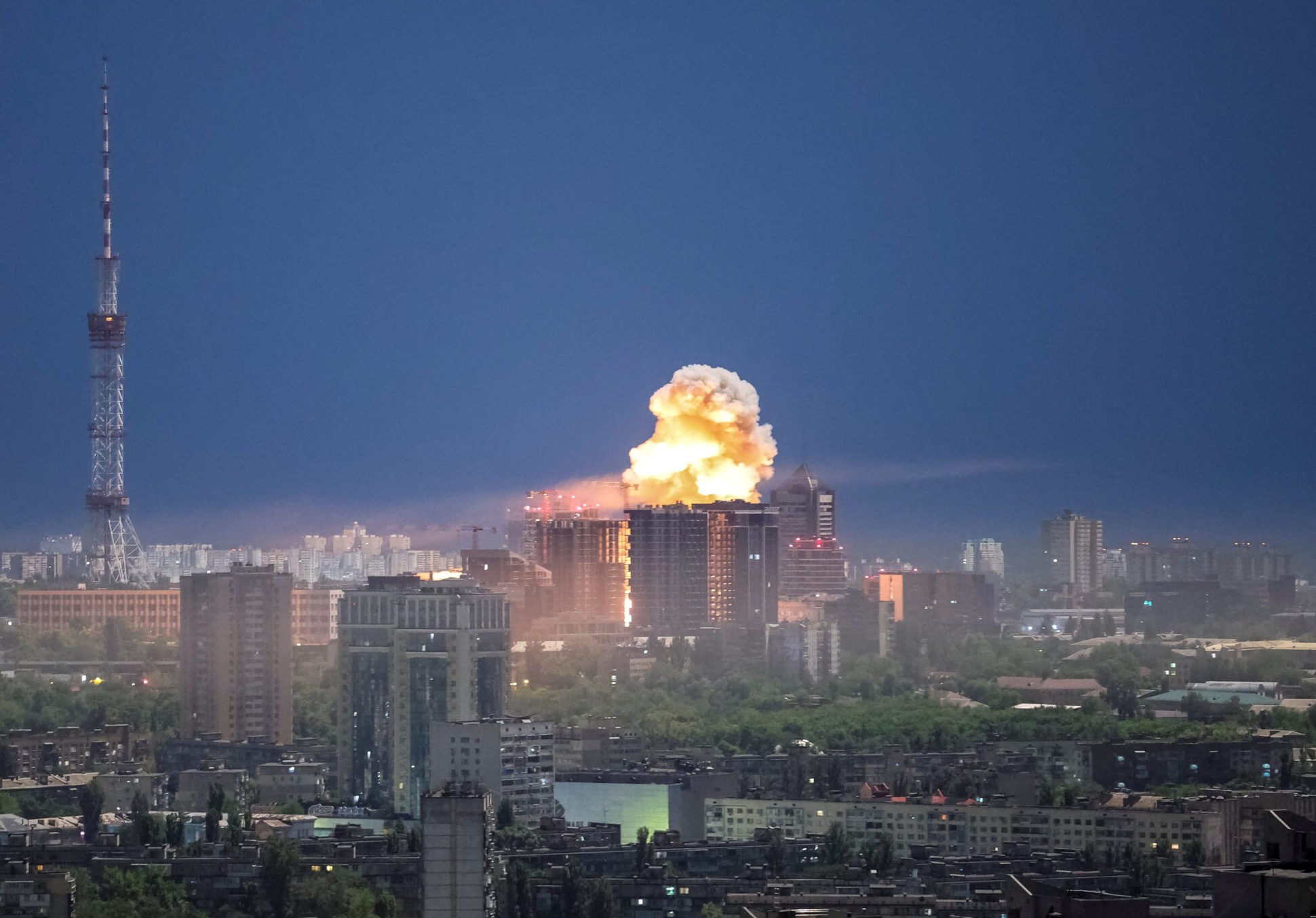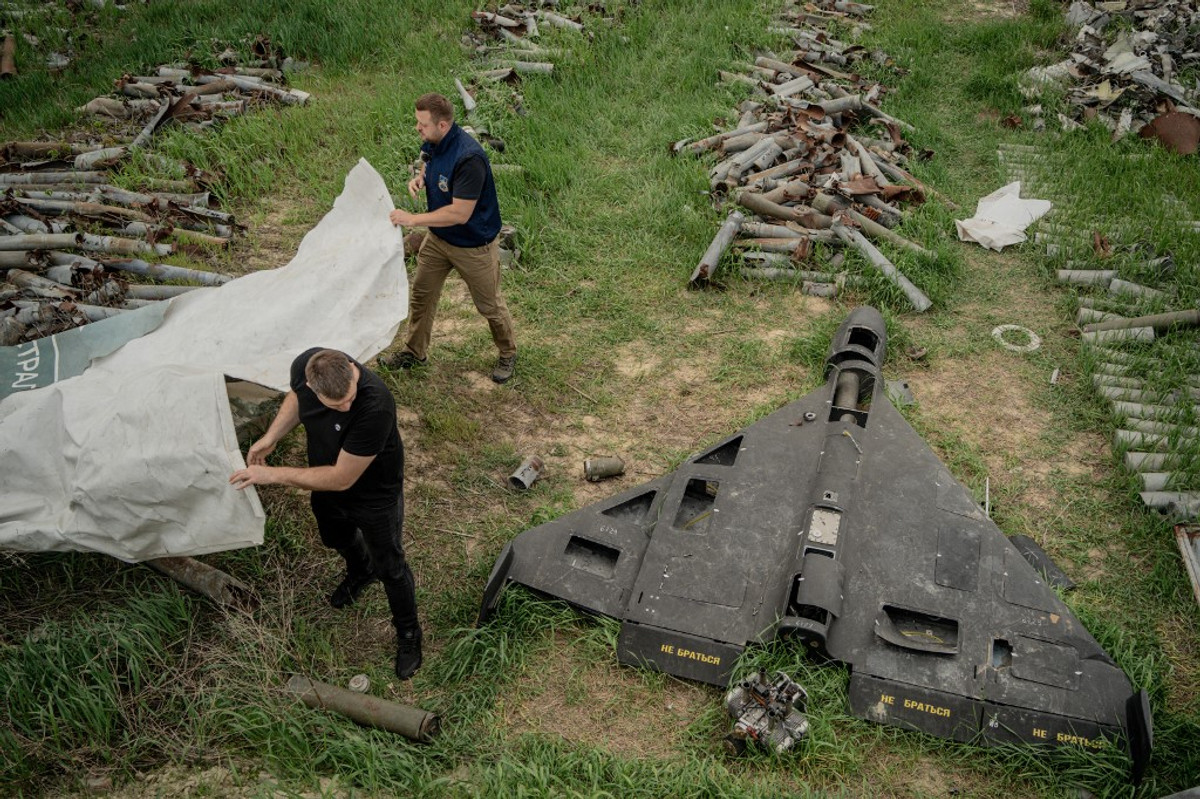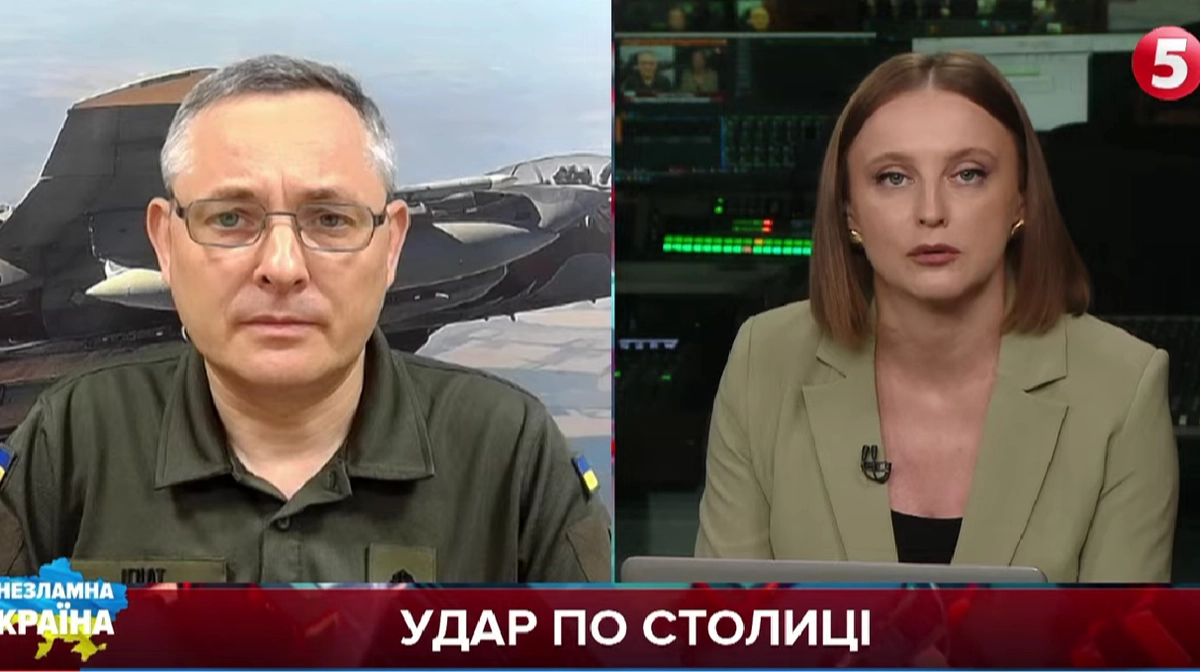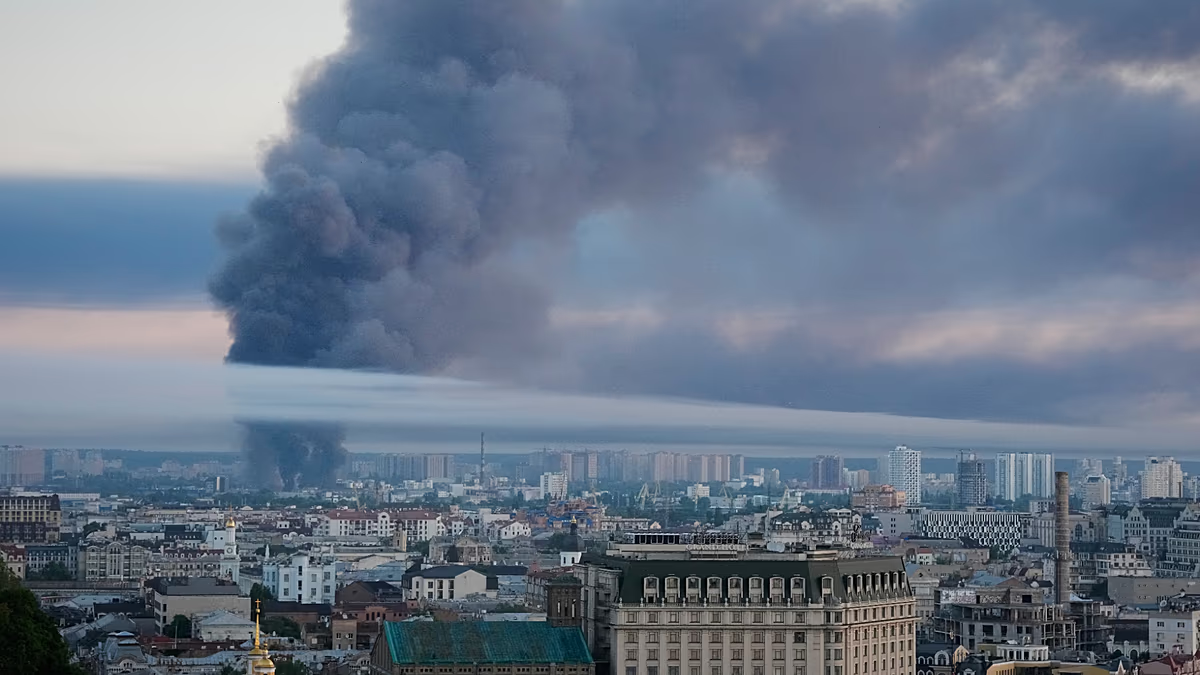
The Russian strikes tormenting Ukraine’s capital in recent days have had an ominous new feature: jet-powered drones.Significantly faster and harder to intercept than the propeller-driven drones that have stalked Ukraine’s skies for years, these munitions are stretching air defences and stoking anxiety about what analysts and officials predict will be a dangerous new stage of the war.How do these new drones compare to the old ones?Experts say the new versions blur the line between drones and cruise missiles, weapons on which Russia is increasingly reliant.Russia started launching Iranian-made, propeller-powered Shahed drones against Ukraine in the fall of 2022. Later, it began to mass-produce its own versions, called Gerans.The triangle-shaped drones have small piston engines that sputter like lawnmowers, and they carry explosive payloads that detonate when they crash into targets. They are relatively slow, noisy and fly at low altitude – characteristics that helped Ukraine find ways to shoot them down.Shahed drones were first developed by Iran. Photograph: Efrem Lukatsky/AP But they are cheap to produce – €17,000 to €43,000 apiece, by most estimates – especially when compared with missiles. Russia took to launching hundreds of them each night across Ukraine, to overwhelm the country’s air defences.Ukrainian officials believe that their success in intercepting those early versions of the drones – they often claimed a rate of 90 per cent or more – is what drove Russia to explore jet power.When did these new jet-powered drones emerge?Ukraine’s military intelligence first raised the alarm about jet drones in September 2025. By January of this year, the authorities began to report their appearance in the skies, saying the design was based on Iranian technology with Russian modifications.But they remained something of a rarity until this summer.Then in July, Russia’s use of jet-powered drones jumped fivefold from the previous month, according to Ukraine’s air force spokesman, Yurii Ihnat.Drone debris following an air strike in Dnipro earlier this week. Photograph: Mykola Synelnykov/AFP via Getty Images Serhii Beskrestnov, an adviser to Ukrainian president Volodymyr Zelenskiy on military technology, said that Ukraine detected 1,500 Russian jet drones in July and 3,000 in August.Ukrainians long ago grew accustomed to detecting the sounds of Shaheds, likened to the buzz of a moped. Jet-powered drones, though, are different. Some people describe the sound as the quieter whoosh of an aeroplane or a whistle.Behind that audible contrast are potentially lethal differences. Jet-powered drones “are effectively cheap cruise missiles,” explained Franz-Stefan Gady, a military analyst based in Vienna.With jet engines, drones can carry heavier explosive payloads, flying farther, higher and much faster than they can with propellers. Ukrainian officials say the jet versions can reach speeds of about 595km/h – roughly three times as fast as the older models.As a result, the air-defence measures Ukraine has worked to develop – including mobile antidrone groups using machine guns and short-range interceptor rockets – are not very effective against the jet drones.Ihnat said Ukraine was mostly using surface-to-air missiles or fighter jets to shoot them down, but such missiles are costly, and “we have a lack of supplies,” he said.Wreckage of a drone seen at the site of a Russian strike on a high-rise residential building in Kyiv earlier this week. Photograph: EPA What has the impact been? Ukrainian officials have declined to share the interception rate for jet-powered drones, but they acknowledge that it is lower than that for the older types, which Russia is also still launching.The jet speeds not only reduce the window for air-defence measures but also the amount of time people have to reach shelter after an air-raid alarm sounds.Jet drones have hit apartment buildings, a passenger train, a shopping mall. And Russia has taken to launching waves of them throughout the day, a shift in tactics after years of overnight assaults.On August 27th, more than 100 of the 140 attack drones Russia launched against Ukraine were jet-powered, according to the Ukrainian air force.Ukrainian rescuers work at the site of a Russian drone strike on a shopping centre in Zaporizhzhia, Ukraine, last month. Photograph: EPA How many can Russia make? Jet engines are significantly more expensive to produce than piston engines, and parts are more limited globally, according to analysts. That could affect Russian production levels.Gady said of self-destructing drones that “the whole logic of this class of weapon is mass,” which requires keeping costs low.[ Ukraine urgently needs money and missiles. Can Europe find them?Opens in new window ]“There’s a hard ceiling on how advanced you can make something you intend to fire in the hundreds,” he said. “Jet engines are the binding constraint – the machined components and supply chains simply can’t scale the way a lawn-mower-grade piston engine can.”How is Ukraine responding?The war that began in February 2022 has been one of constant technological innovation, in which each breakthrough invites a countermeasure from the other side. Analysts and Ukrainian officials expect that this new cycle will prove no different.Jet-powered drones “are a big emerging problem that will worsen through the winter as Russia produces more,” Dara Massicot, a senior fellow at the Carnegie Endowment for International Peace, wrote recently. “But,” she said, “there are counters in work.”[ CIA director gives bleak assessment of Russia’s war in Ukraine during Moscow visitOpens in new window ]Ukrainian officials say that four companies have developed interceptors to shoot down jet-powered drones. Those are still in the testing phase.“The task,” Ukraine’s new defence minister, Yevhenii Khmara, recently told reporters, “is to bring these solutions to the required level as quickly as possible and scale production to thousands of units.” – This article originally appeared in The New York Times.
Russia’s new jet-powered drones are fuelling anxiety in Ukraine
Upgraded Russian drones are more destructive, faster and harder to shoot down than propeller-driven models
929 words~4 min read