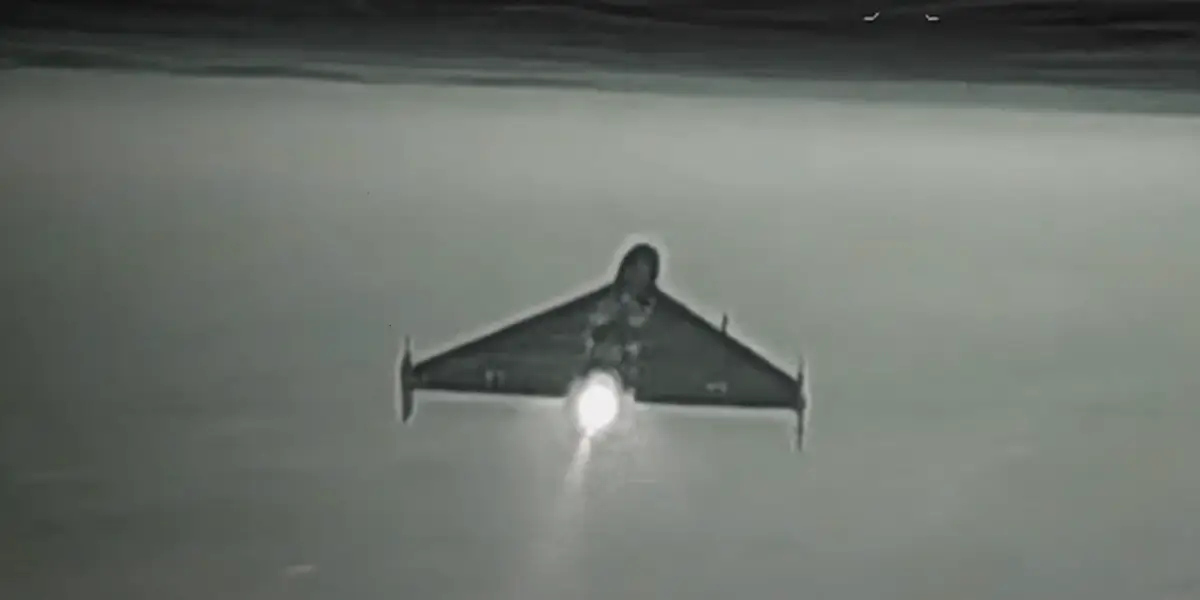
A jet-engine roar passes over a Ukrainian train stuck on the tracks during an air-raid alert as dozens of passengers shelter in a wooded area nearby. Moments later, a black drone strikes the locomotive, engulfing the train in an orange flash of fire and forcing passengers to flee.
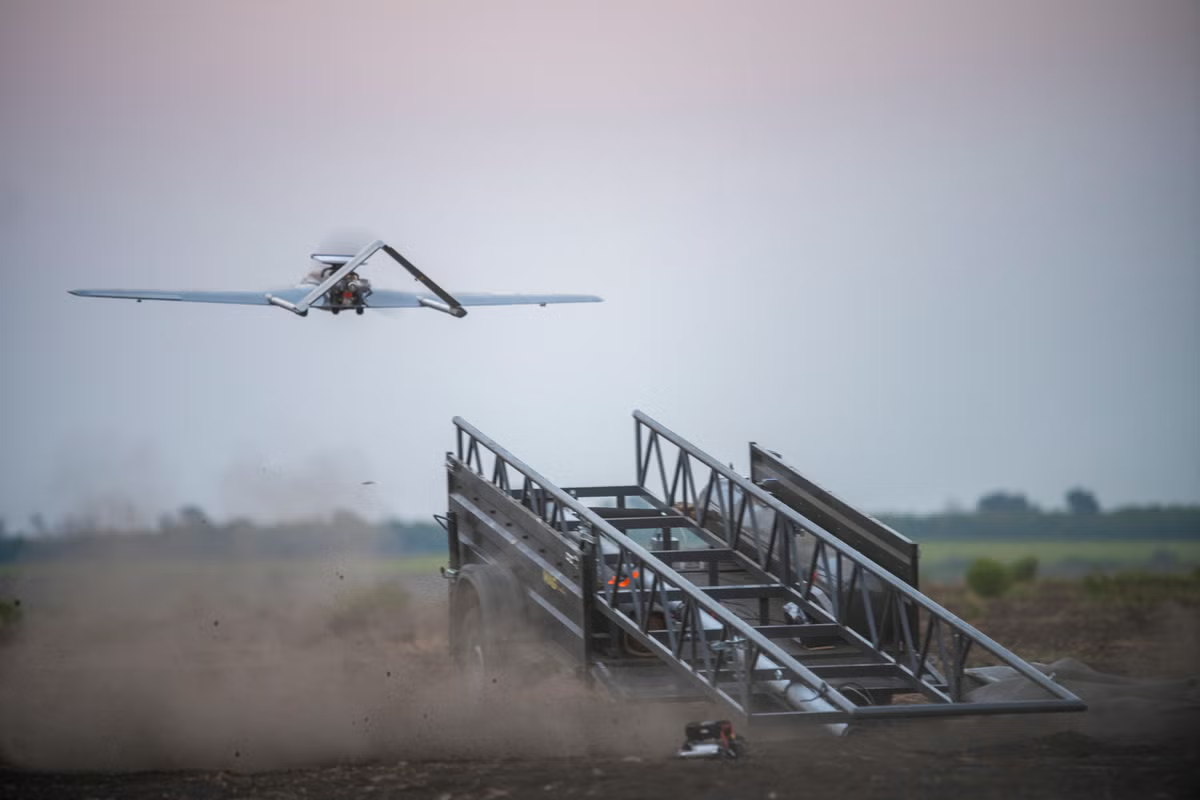
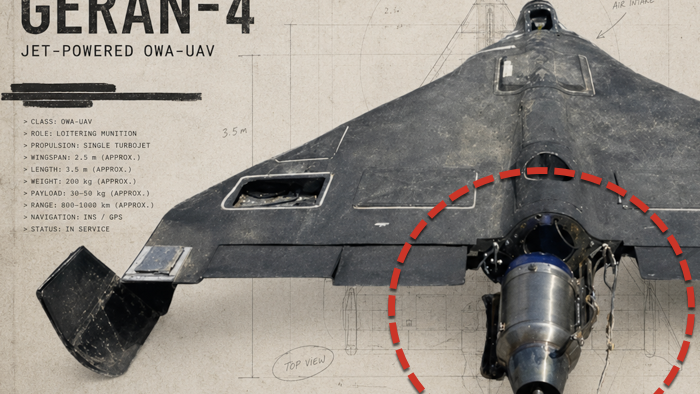
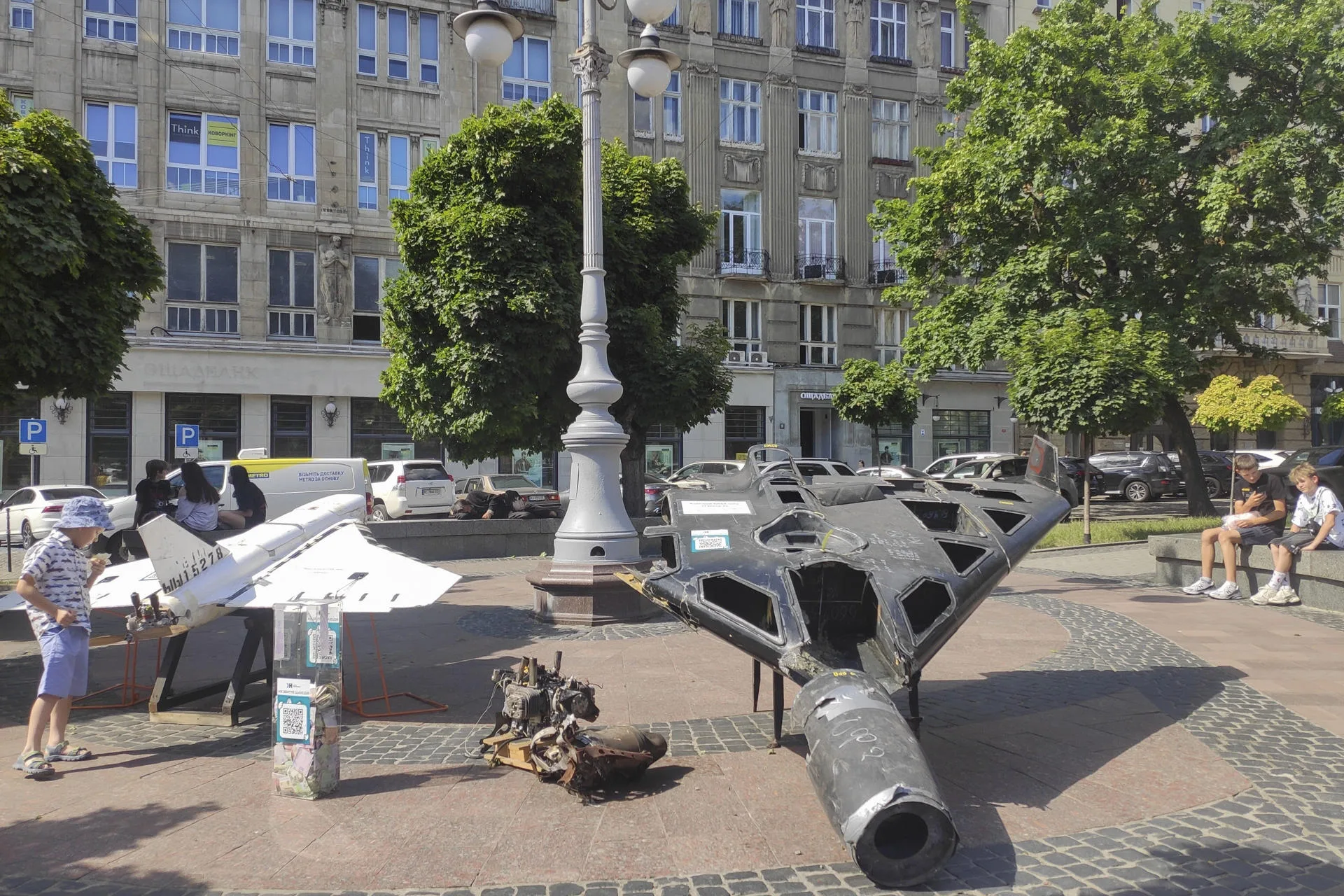
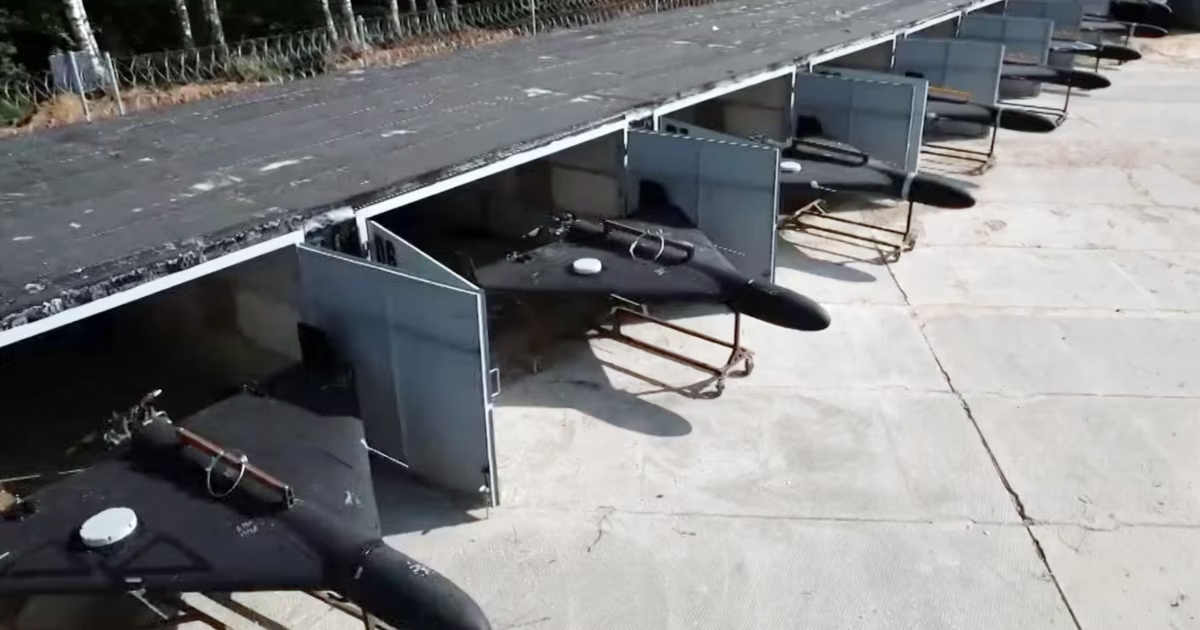
The scene was captured in a video posted online by Ukrainian President Volodymyr Zelenskyy's adviser on defense technology, who said it might have been evidence of one of Russia's latest military inventions: the Shahed Seeker.Also known by its Russian name, Geran-4, the drone is yet another modification of the Iranian-origin Shahed, which was provided to Moscow by Tehran in the early stages of Russia's full-scale invasion of Ukraine in 2022.Back then, Shahed drones changed warfare, forcing the Ukrainian military to develop and adapt its air defenses in response to regular, large-scale, and often deadly air attacks.Now they are being domestically produced by Russia in large numbers. And in the past year some of them, like the Geran-4, are now jet-powered and equipped with remote-control technology, leaving Kyiv with yet another technological challenge to address.
'Major Problem'Well into the fifth year of its all-out war on Ukraine, Russia has not pulled back on its relentless bombing campaign aimed at forcing Kyiv to comply with President Vladimir Putin's demands.However, over the past two months, there has been a notable change in approach: The number of Shahed drones largely launched in Russian air attacks on Ukraine has fallen by at least half. Yet the threat they pose has increased significantly.While the majority of the drones used by Russia are still powered by internal combustion engines and have already become a common target for Ukrainian air defenses, the country's military reported the number of jet-powered drones had increased fivefold in July.