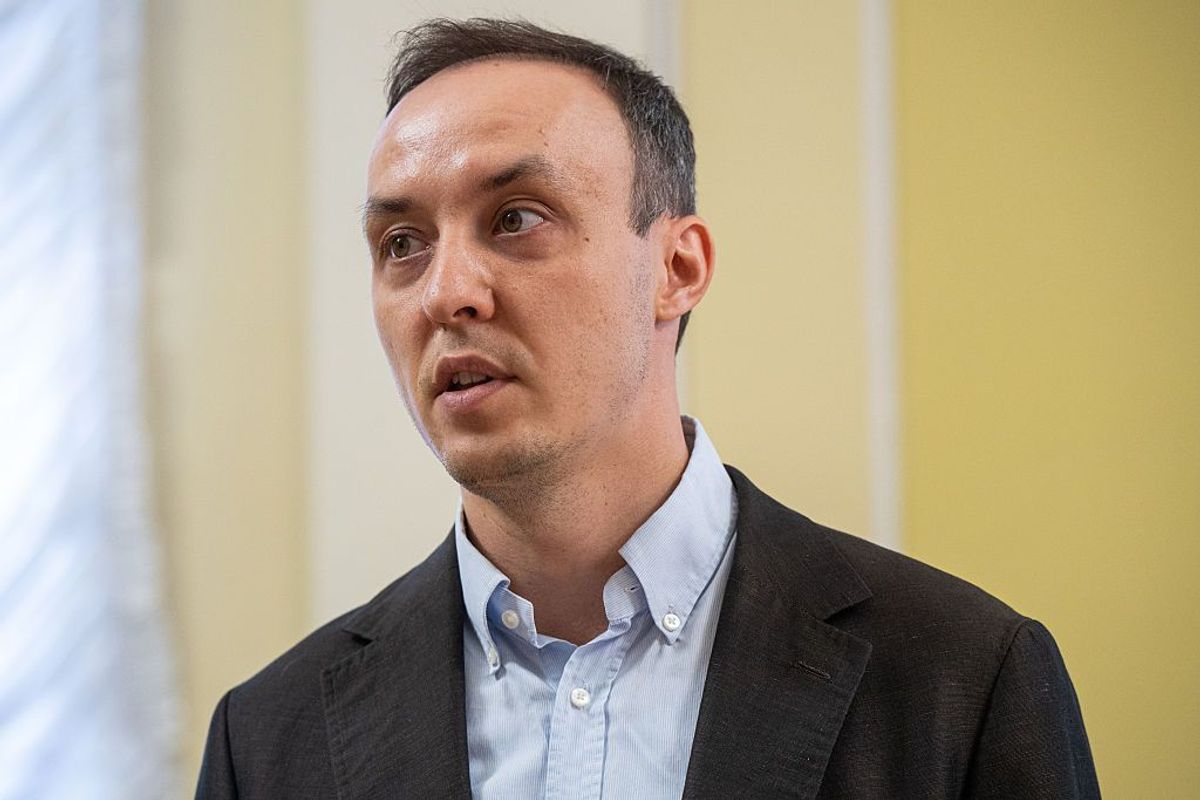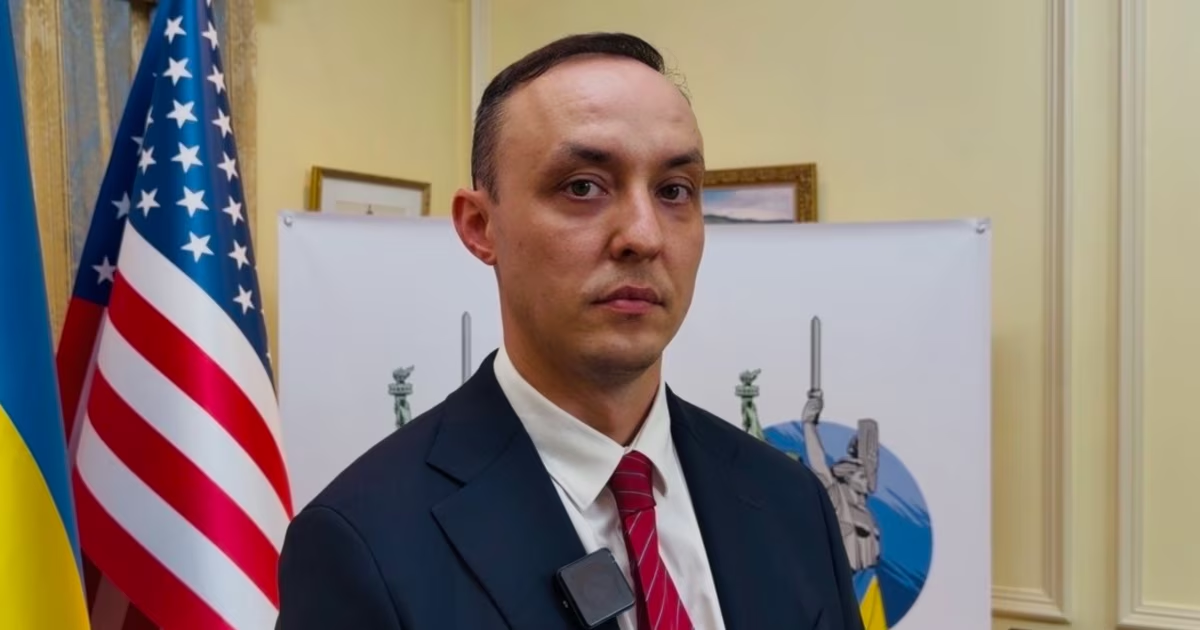
WASHINGTON -- Ukraine's top sanctions official says he remains optimistic about prospects for a sweeping Russia sanctions bill in the US Congress despite growing uncertainty over when the House of Representatives will take it up, as lawmakers face a sharply shortened legislative calendar ahead of the November midterm elections.Vladyslav Vlasiuk, Ukrainian President Volodymyr Zelenskyy's sanctions commissioner, spent this week in Washington meeting lawmakers and congressional staff as Kyiv presses Congress to advance the Lindsey O. Graham Sanctioning Russia and Iran Act of 2026.The legislation passed the Senate on August 7 by an overwhelming 86-11 vote, reflecting rare bipartisan agreement. The bill would give the president additional authority to impose punitive tariffs on countries that continue buying Russian fossil fuels. It also includes provisions targeting Iran, which Vlasiuk said is engaged in close military-industrial cooperation with Moscow.
But the measure faces a more complicated path in the House, where some Democrats have expressed reservations about provisions that would give President Donald Trump additional authority to impose tariffs.Republican leaders announced on September 3 that the final two weeks of the pre-election House session are canceled, severely curtailing what had been a full legislative calendar for September.House members are expected to leave Washington no later than September 17 and not return until mid-November. The House will reconvene for one additional week of business after next week's Labor Day break.The compressed calendar has increased pressure on supporters of the sanctions legislation. Senior Republican aides told RFE/RL that the bill remains a GOP priority, provided Democrats "get their ducks in a row."Democratic aides, in response to RFE/RL inquiries, expressed cautious optimism about the measure, underscoring uncertainty over whether Speaker Mike Johnson will bring it to the floor.Vlasiuk: 'Good Chance'Vlasiuk said he held roughly 20 meetings with lawmakers and congressional staff during his Washington visit, including discussions with members of both parties.He said the Ukrainian delegation encountered broad support for increasing pressure on Russia and that no lawmaker told him outright they would oppose the legislation.