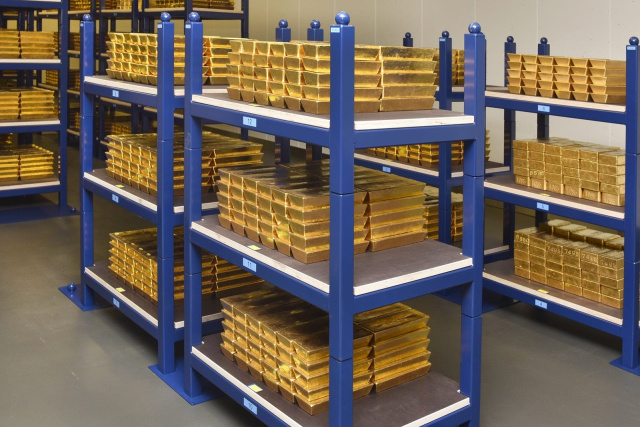
When a central bank quietly moves billions in gold across continents, it is worth paying attention. De Nederlandsche Bank announced on September 2, 2026, that it had relocated 86 tonnes of gold from storage facilities in New York and Ottawa to the Bank of England in London, a move completed over the preceding six months and valued somewhere between €10 billion and €12 billion.
The transfer was framed as crisis preparedness, not panic. But the timing, amid escalating geopolitical friction and a bruising trade dispute between the US and Canada, says plenty on its own.
What actually moved and how
The operation was logistically split into two distinct parts. More than 27 tonnes were physically transported through the DNB’s facility in Zeist, the Netherlands, before making their way to London. The remaining roughly 59 tonnes never crossed an ocean in bar form: the DNB sold that gold in New York and repurchased an equivalent amount in London, sidestepping the time and cost of physically smelting and reshipping bars that did not meet current London market standards.
That workaround matters more than it sounds. London’s gold market operates on strict modern specifications, and bars held in New York or Ottawa from older eras sometimes fall outside those standards. Selling and rebuying in London is cleaner and faster than remoulding decades-old bars to satisfy a trading desk’s requirements.