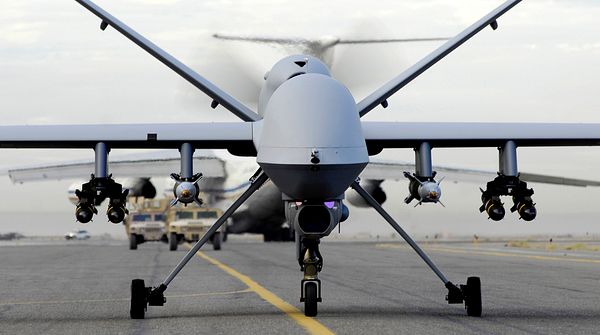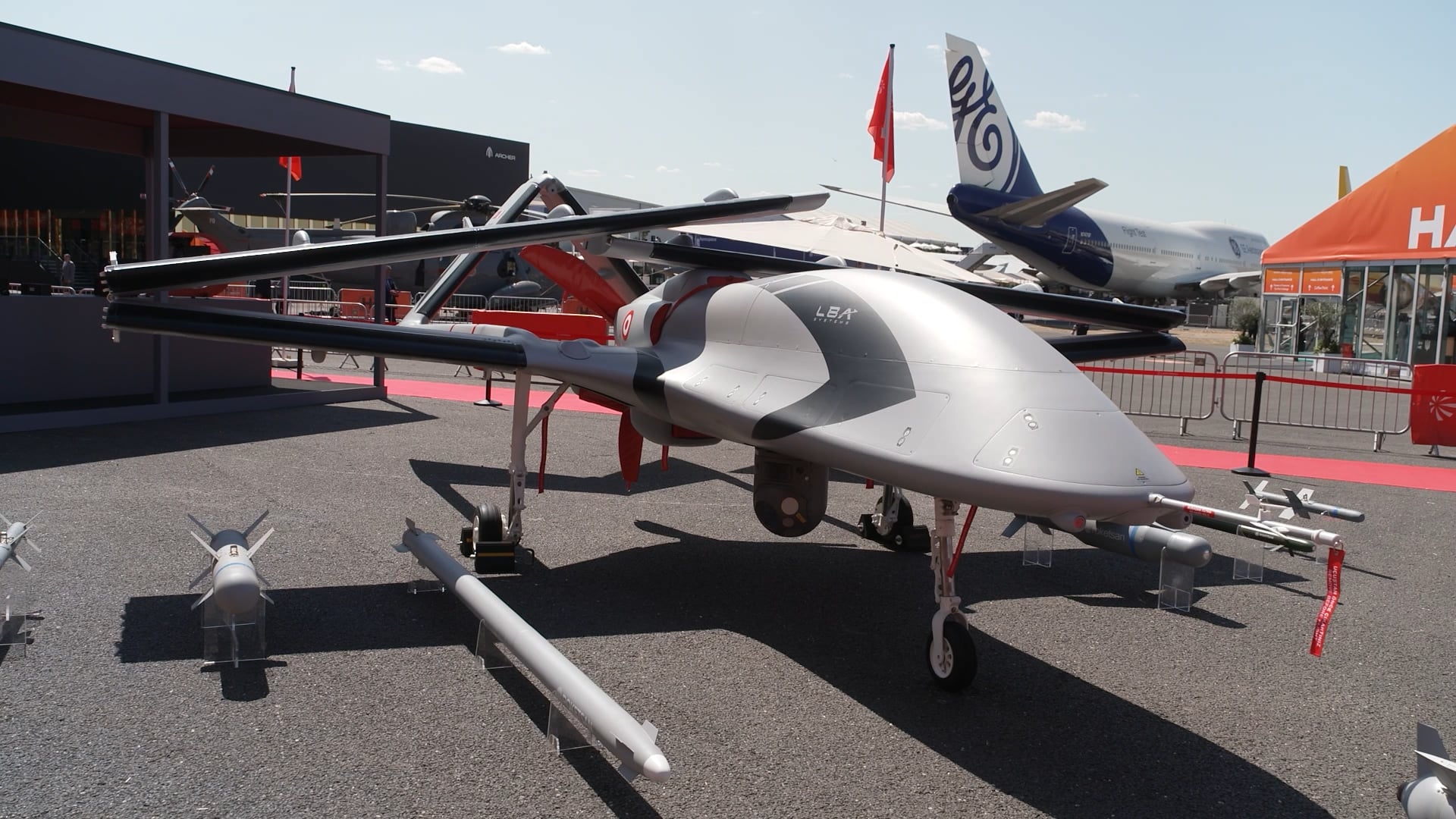
The wars in Ukraine and Iran offer insights into modern war, such as the balance between offense and defense or between interceptors and one-way attack drones, but there’s a key aspect of the next-generation battlefield that the fights lack: widespread aerial combat between opposing air forces — a likely key component of a potential US-China war.
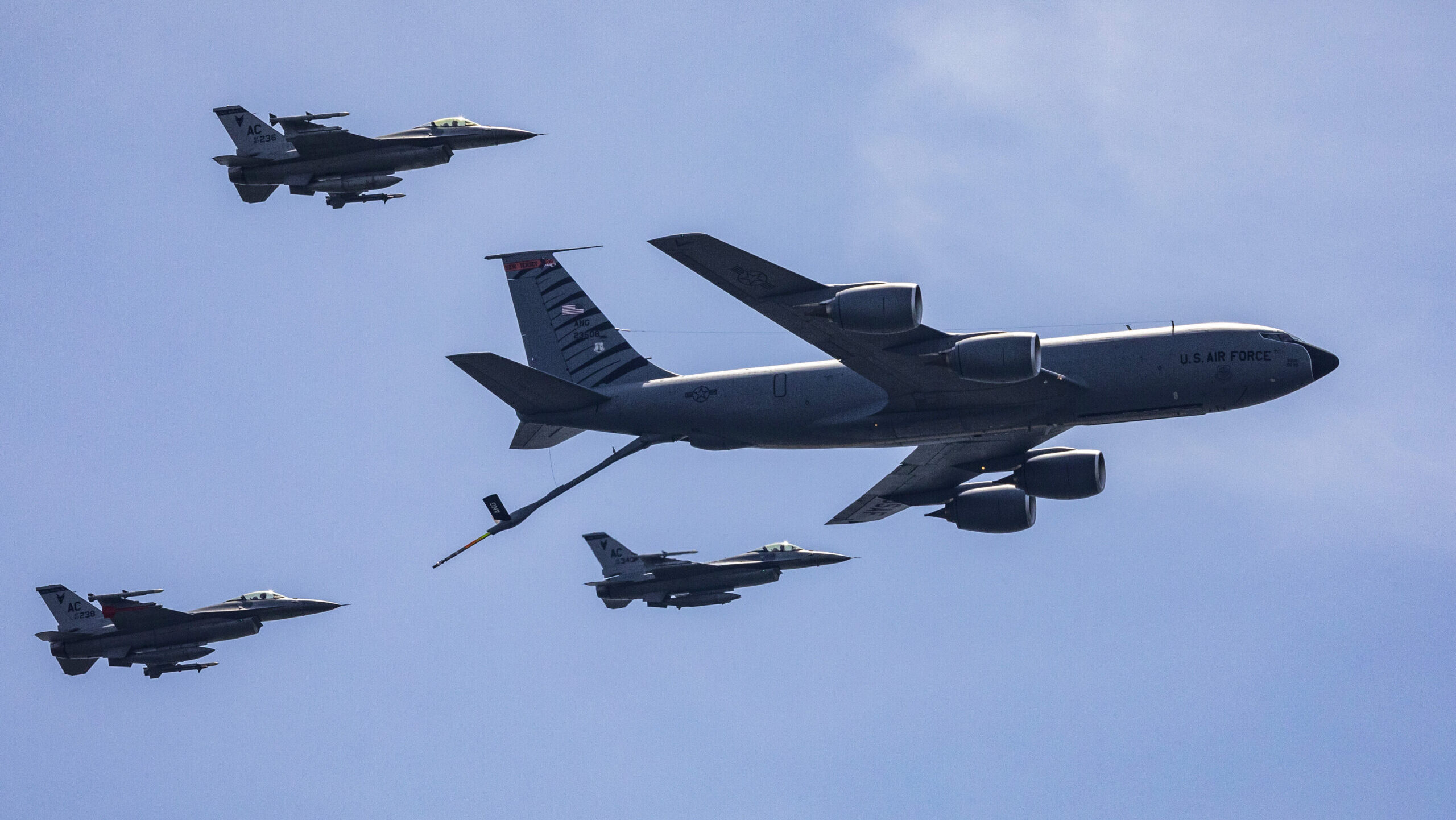
Establishing temporary US air superiority in that war will require more than fighter-based firepower. Contemporary air-to-air combat relies on airborne early warning (AEW) and aerial refueling aircraft. These high-value airborne assets (HVAA) provide the critical information and fuel for air combat in the Western Pacific, but are easy to track and have few defenses. It is no wonder, then, that the People’s Liberation Army Air Force (PLAAF) has devoted considerable effort towards targeting and destroying US HVAA using extended-range air-to-air missiles like the PL-17.
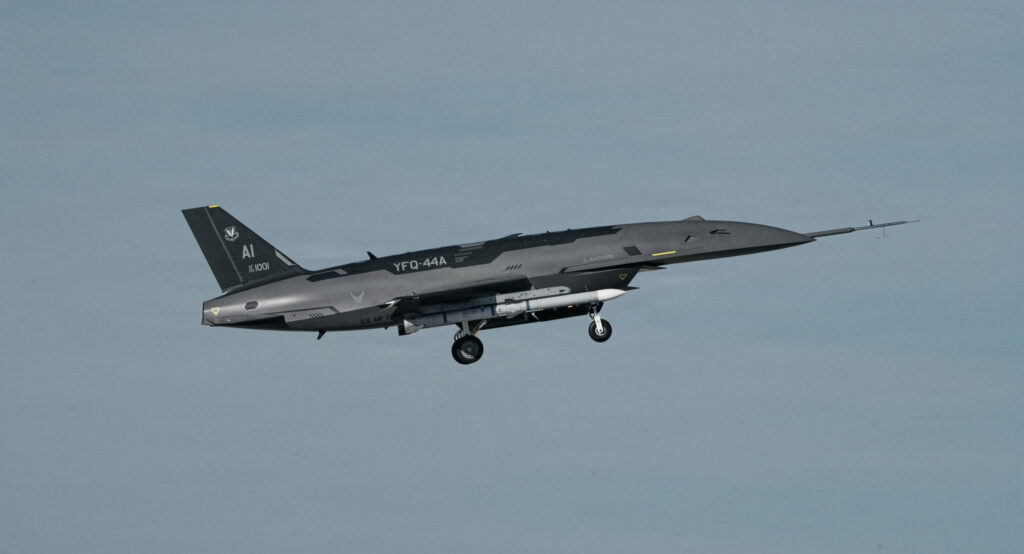
To safeguard its HVAA, the Air Force can acquire more fighters, develop new HVAA, or use space-based sensing. Or it can, and should, make protection of HVAA the primary mission of the second increment of its Collaborative Combat Aircraft program.
CCAs capable of defending HVAA aircraft for long-range air-to-air engagements would break the firepower-versus-protection paradox, enhance the capability to inflict aerial attrition on the PLAAF, and establish air superiority.