American defense strategy depends on airpower. That has been true for decades, but the demand signal is sharper now. The United States expects its Air Force to deter China, reassure allies in Europe, defend the homeland, respond to crises in the Middle East and remain ready for major war. Those missions are spread across different theaters, different timelines and different levels of risk. They all assume that enough combat airpower will be available when needed.
That assumption is becoming harder to defend.
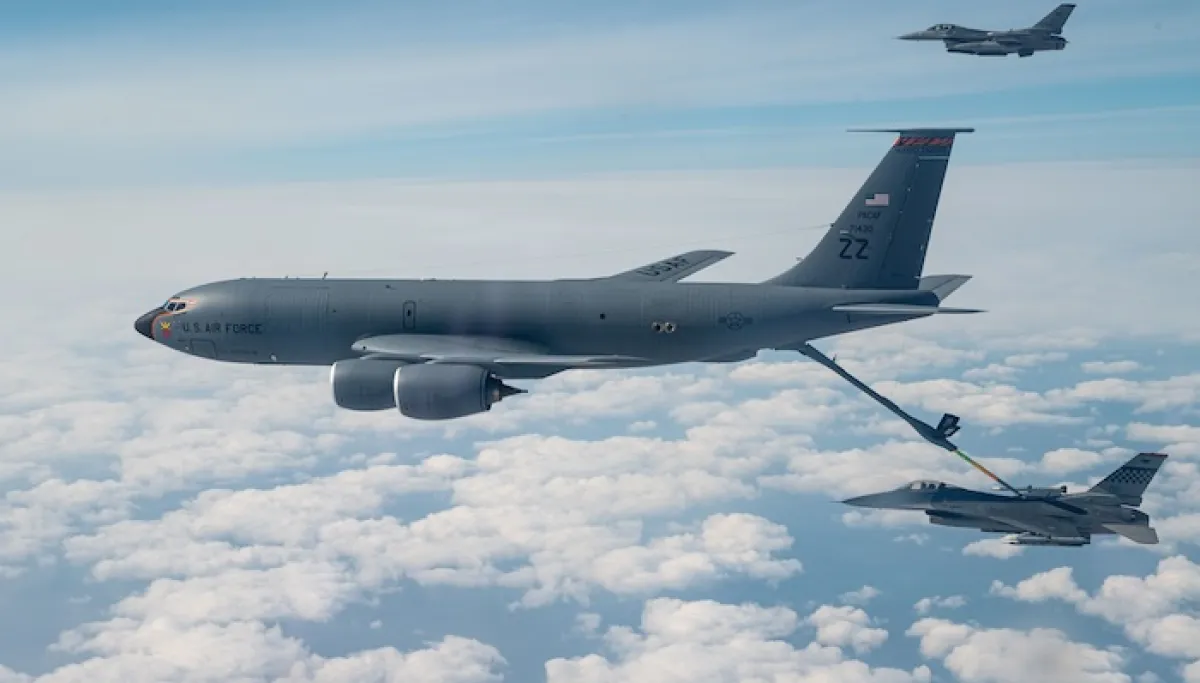
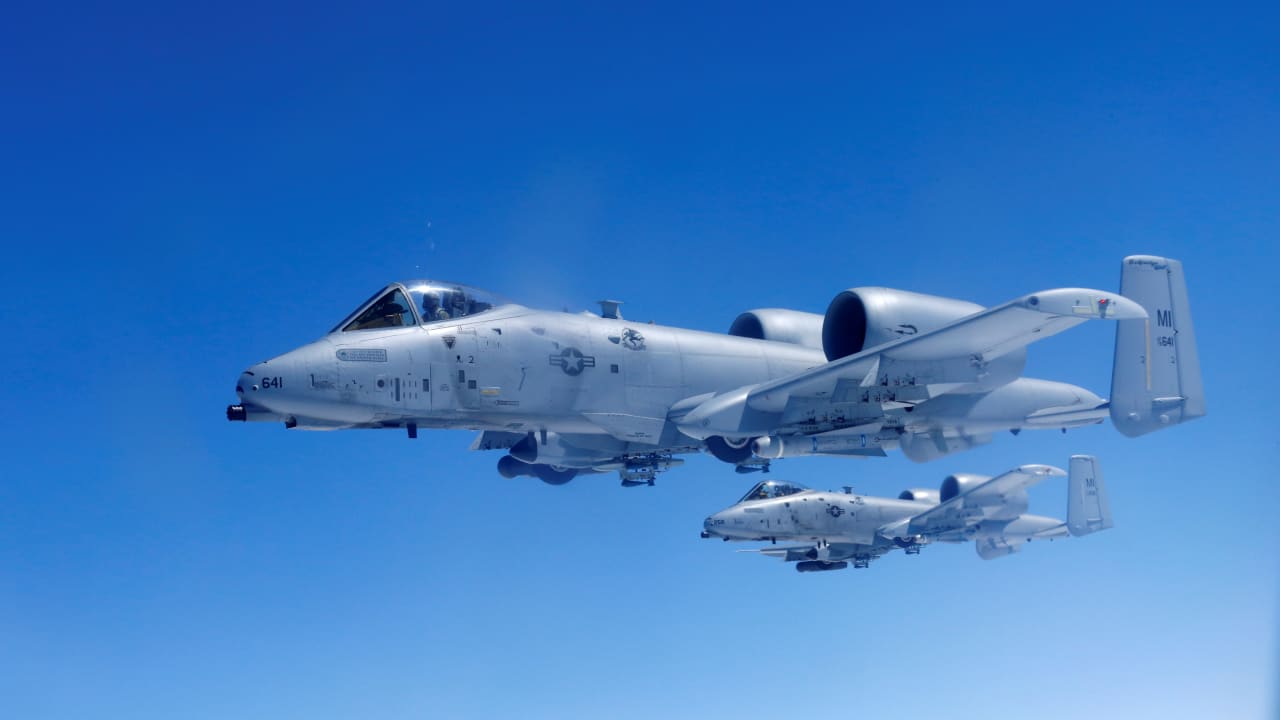
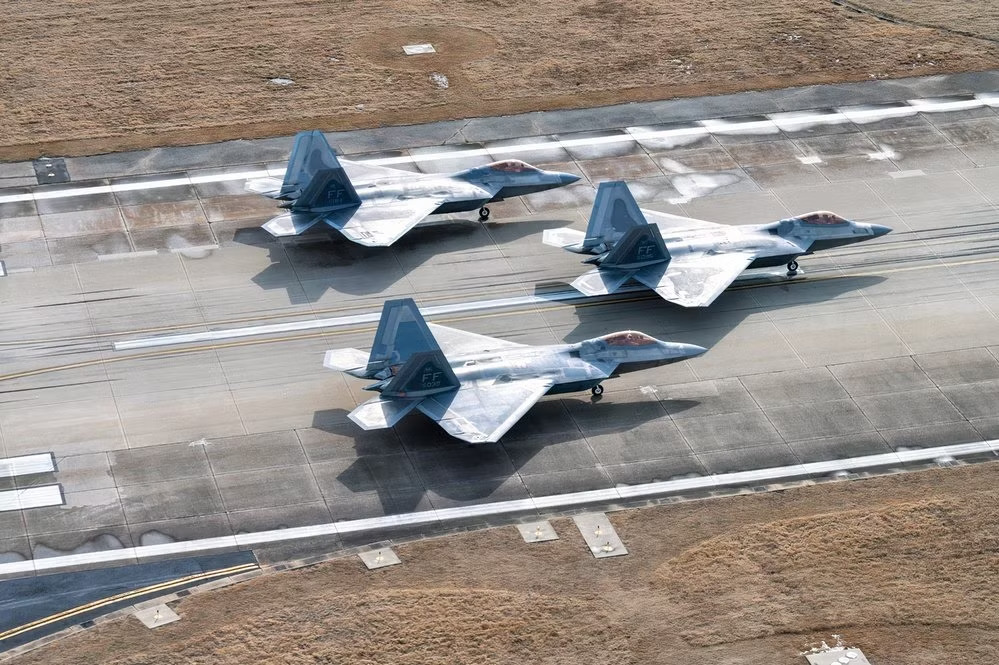
The Air Force fighter fleet is now the oldest and smallest in the service’s 78-year history. Legacy fighter aircraft have been divested at roughly a two-to-one ratio compared with the procurement of new fighters. The fighter inventory is projected to reach its lowest point in fiscal year 2028, and the service’s primary mission fighter aircraft inventory has already fallen below the congressionally mandated floor of 1,145 aircraft.
These figures point to a basic force-planning problem. The United States is assigning its fighter force a global mission set while allowing the force to shrink during recapitalization. Better aircraft are necessary, but they do not eliminate the need for enough aircraft. A smaller fighter force has fewer tails for training, fewer aircraft available during maintenance cycles, fewer options for combatant commanders and less ability to absorb attrition if deterrence fails.