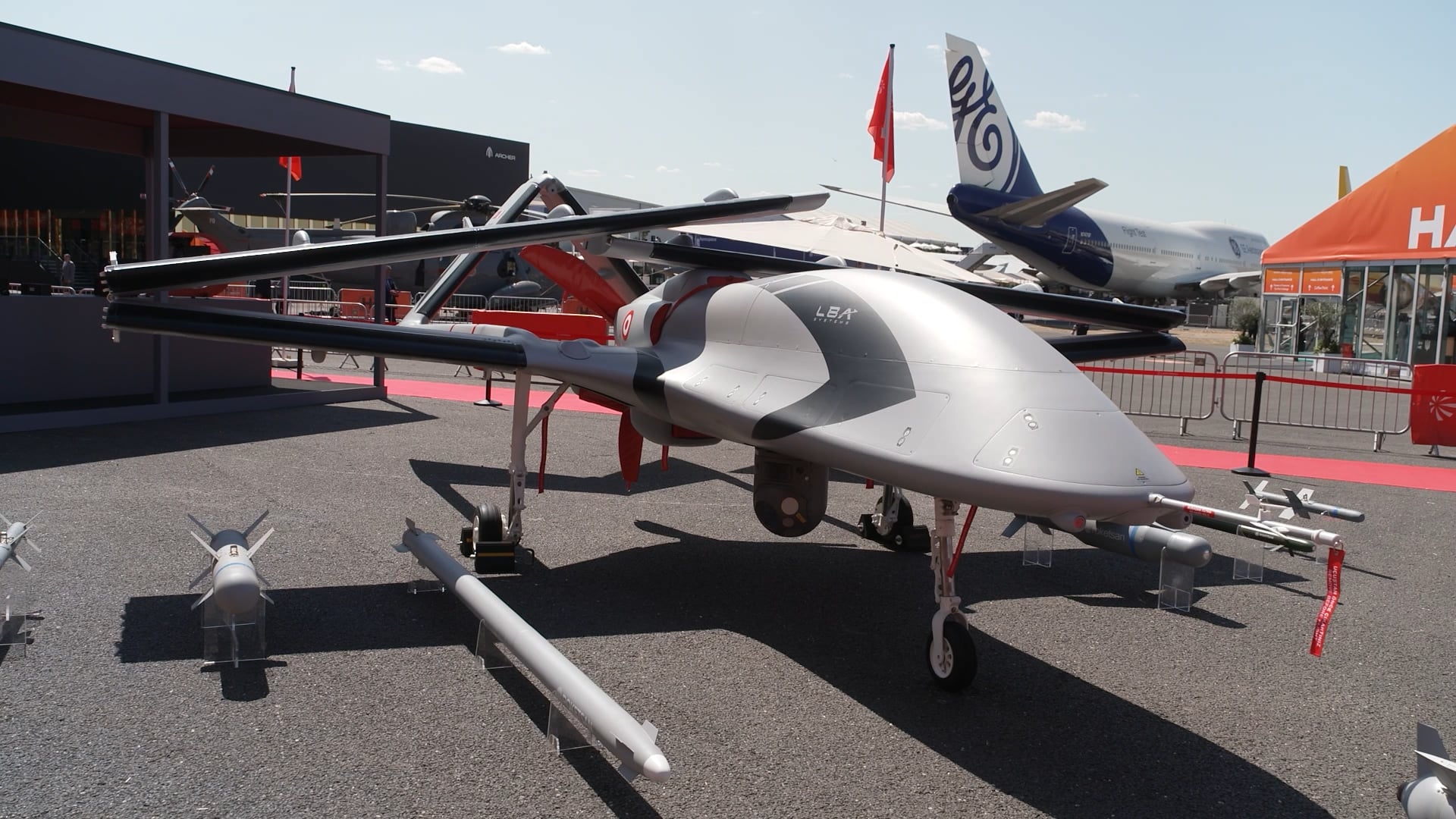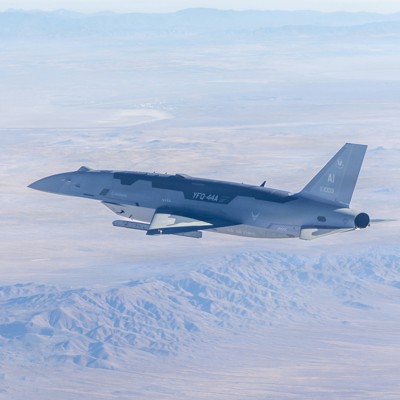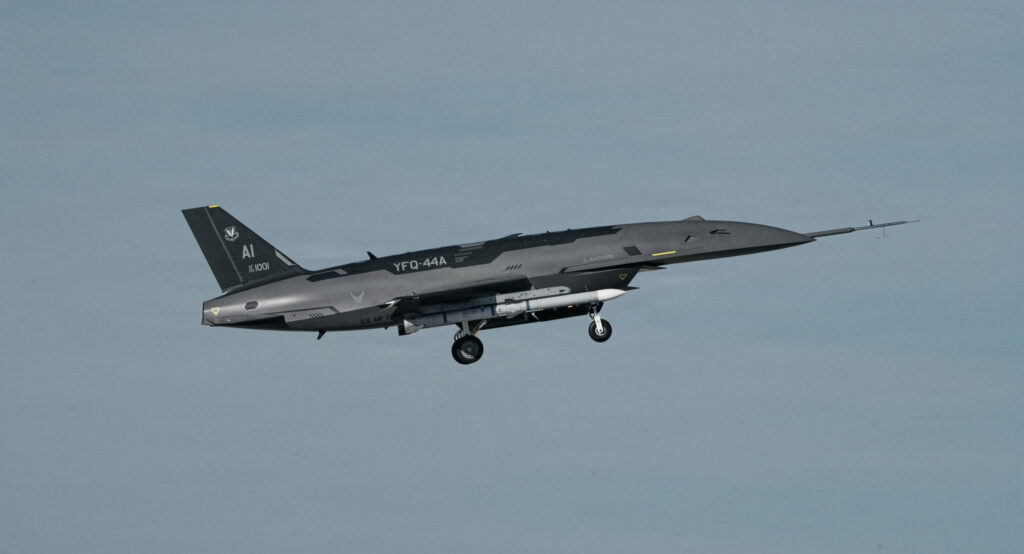
Asked to picture an autonomous Collaborative Combat Aircraft (CCA), most will describe the same thing: an unmanned, armed jet-powered drone flying alongside a manned fighter.
That picture is already out of date. The CCA of 2030 will likely look less like a flying weapons magazine and more like the proverbial Swiss Army knife that can conduct electronic warfare in one sortie, relay targeting data in another, and loiter over contested territory doing missions that no manned fighter could risk doing.
“The introduction of unmanned systems that pair with manned aircraft can shift the dynamics of what’s happening, what kind of missions are being performed,” said Matthew Milas, president of Honeywell Defense & Space, talking as part of a Breaking Defense video series on the future of military aviation. “A lot of people think of them as missile trucks, but there’s a lot more capabilities that can be incorporated if you’re incorporating things like electronic warfare, other RF signaling. The way that they can interact and provide a persistence of deployment can change how we operate in the battlefield.”
The Autonomy Timeline
That ambition didn’t emerge overnight. To understand where the Pentagon is heading with CCAs and how it has gotten here, it’s important to review the ups and downs along the timeline of uncrewed development.