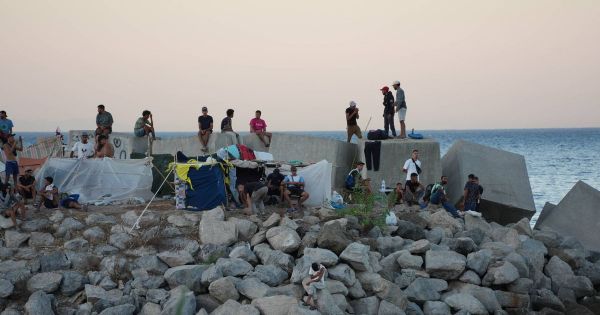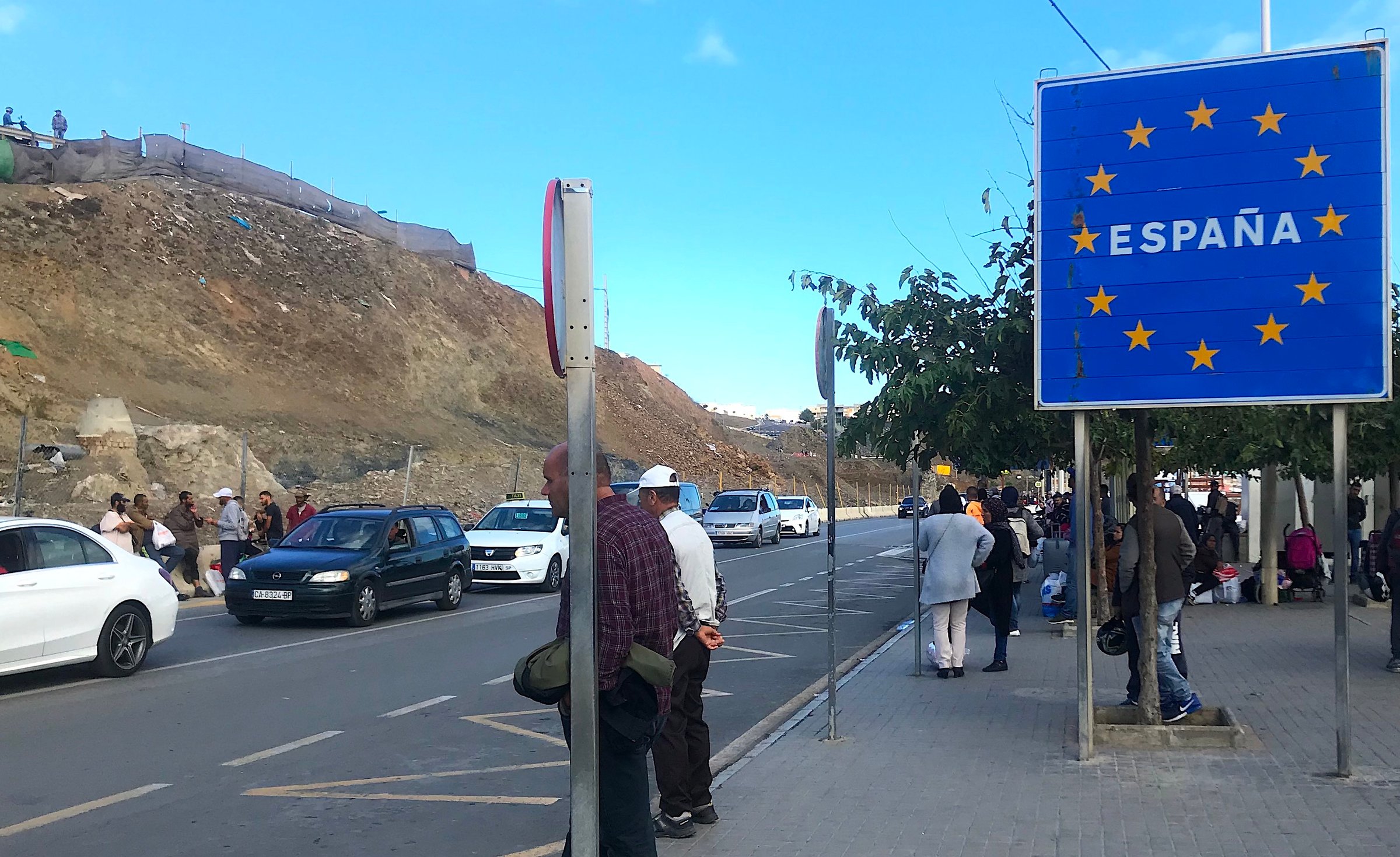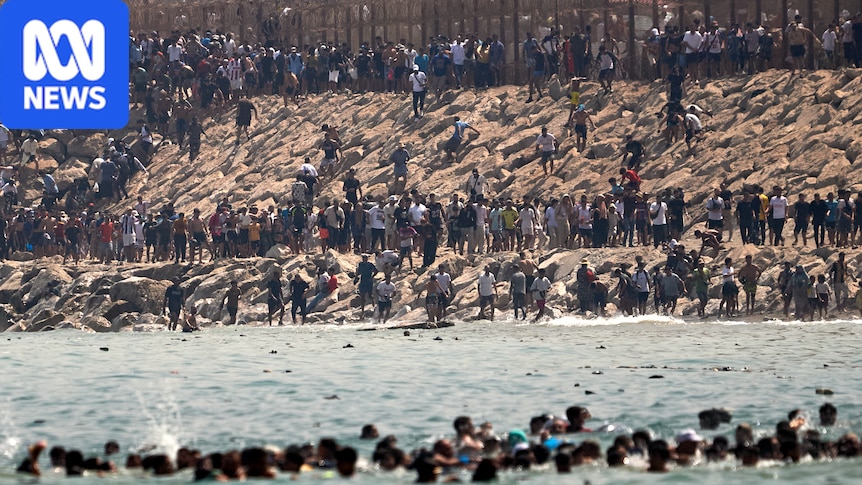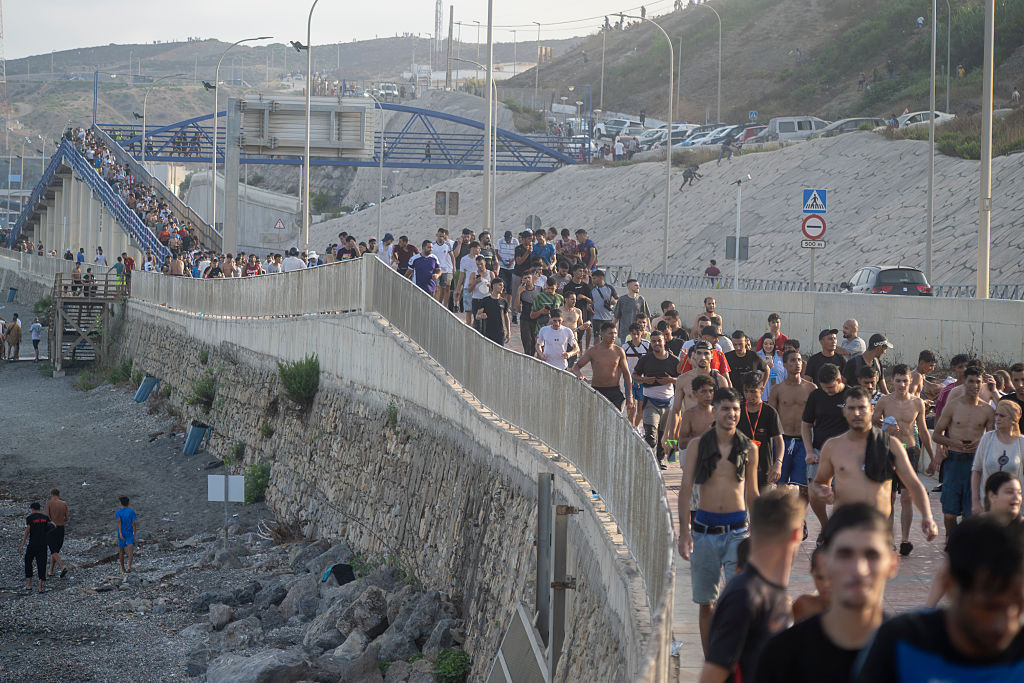
The movement of tens of thousands people into Ceuta, the Spanish enclave on the north African coast, in July 2026 has highlighted faultlines in the politics of migration between Europe and Morocco.
More than 70,000 people entered Ceuta over a 48-hour period. The extraordinary surge followed the spread of misleading claims on social media that people who reached Ceuta by sea could not be returned to Morocco. An estimated 57 people died. Most drowned while trying to swim around the border breakwater.
Ceuta is on the African continent and borders Morocco. It has a population of about 83,600 people, 40% of whom are of Moroccan origin. The city’s reception facilities were already overwhelmed as around 1,500 people had arrived the previous week. Facilities for unaccompanied minors were operating at 2,400% of their capacity.
I am a researcher on north African migration issues, and in my view, the Ceuta situation is about more than migration. It reflects the complicated political relationship between Spain, Morocco and the European Union, and deep structural inequalities.
Understanding the unfolding crisis requires looking at both the international and domestic dimensions.