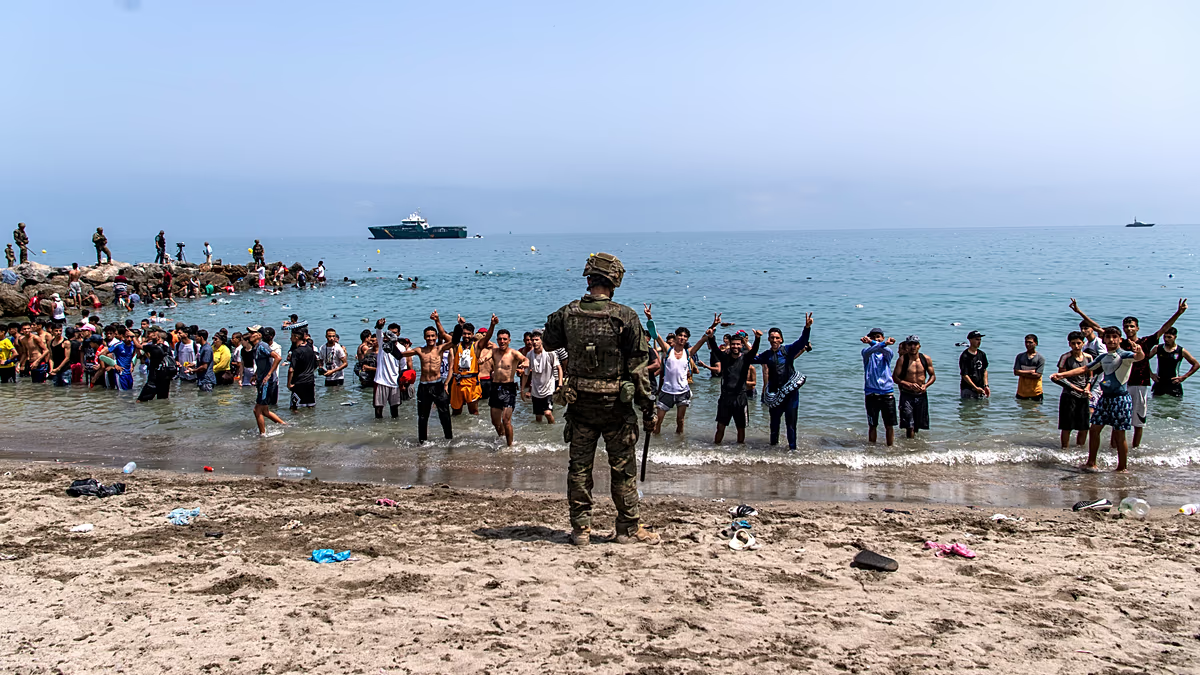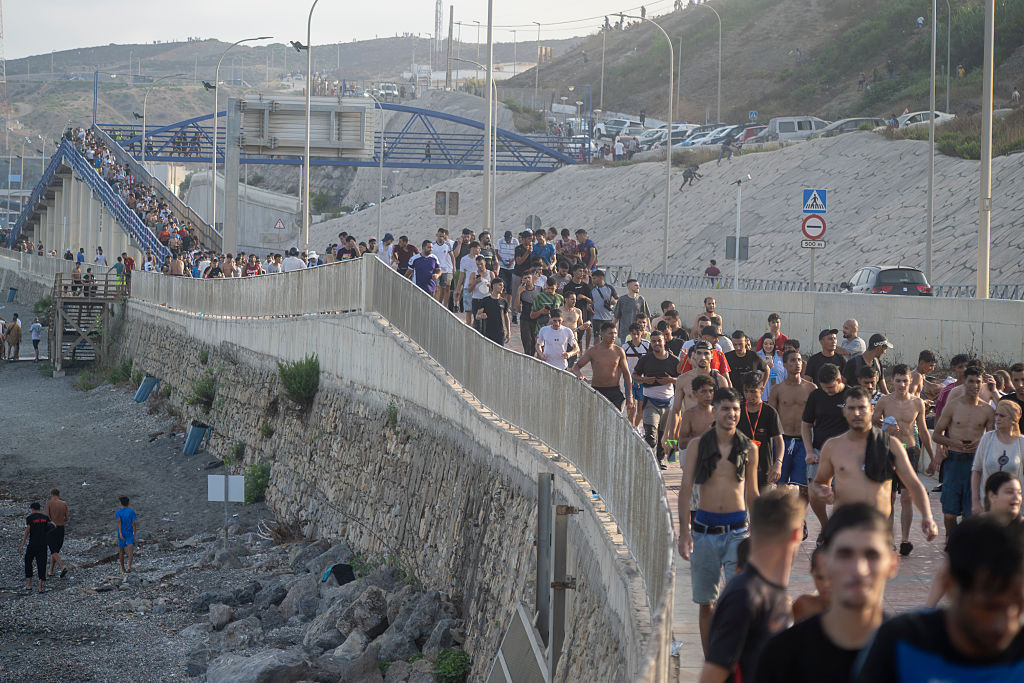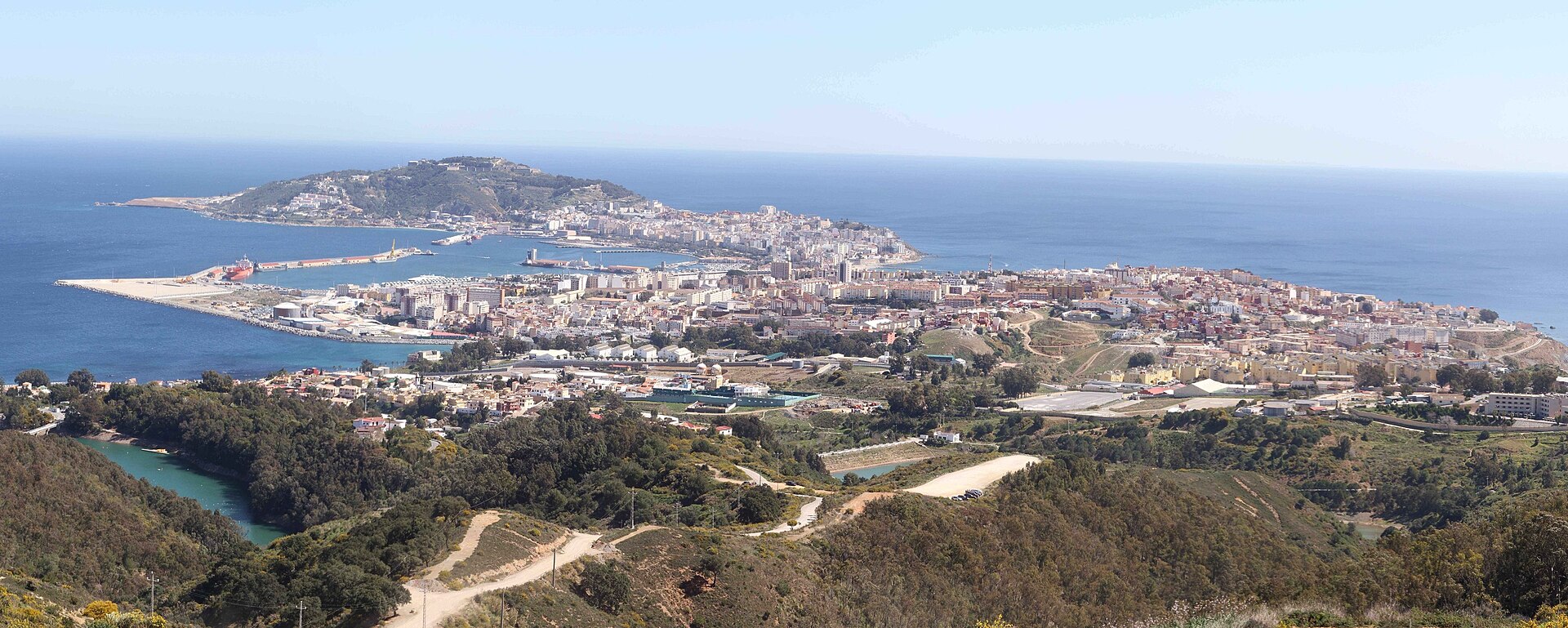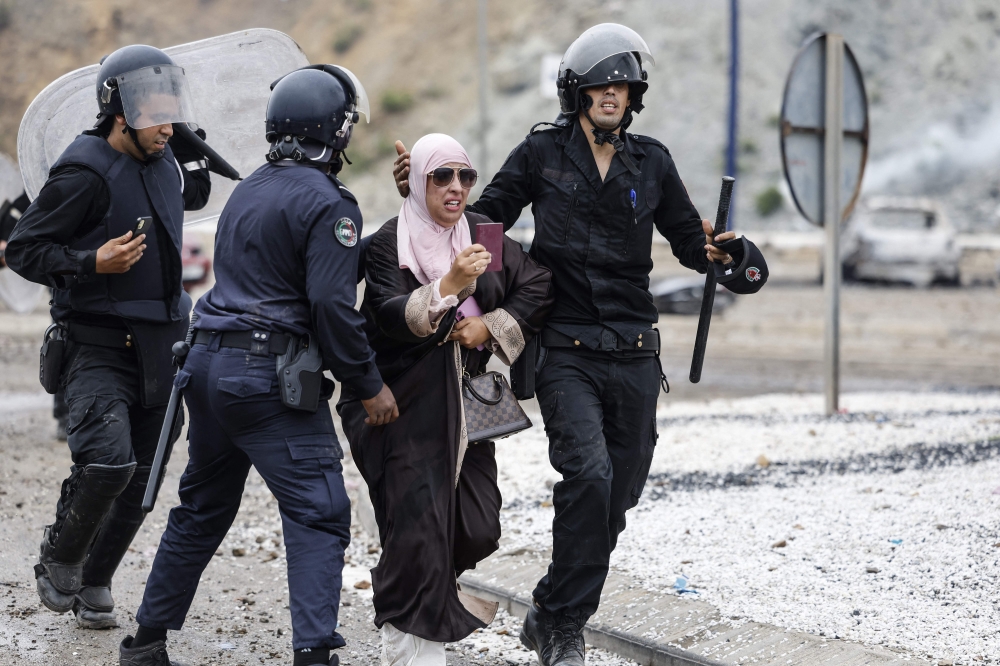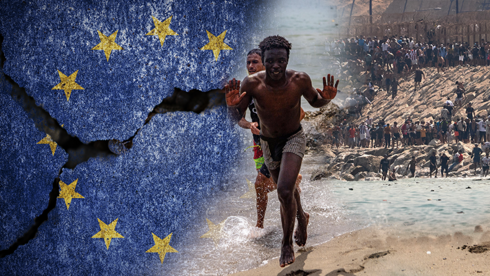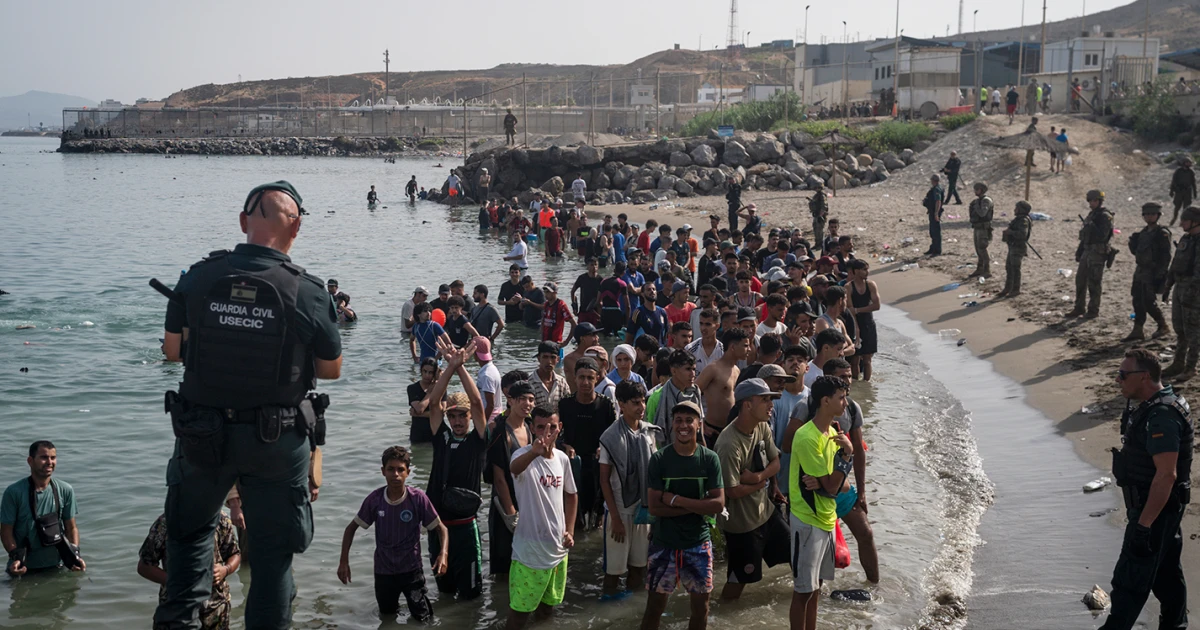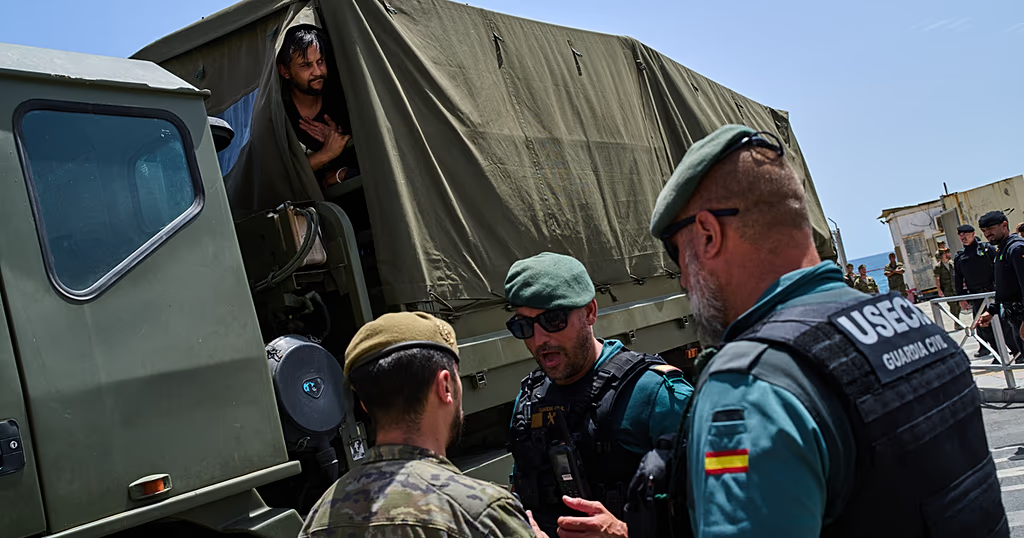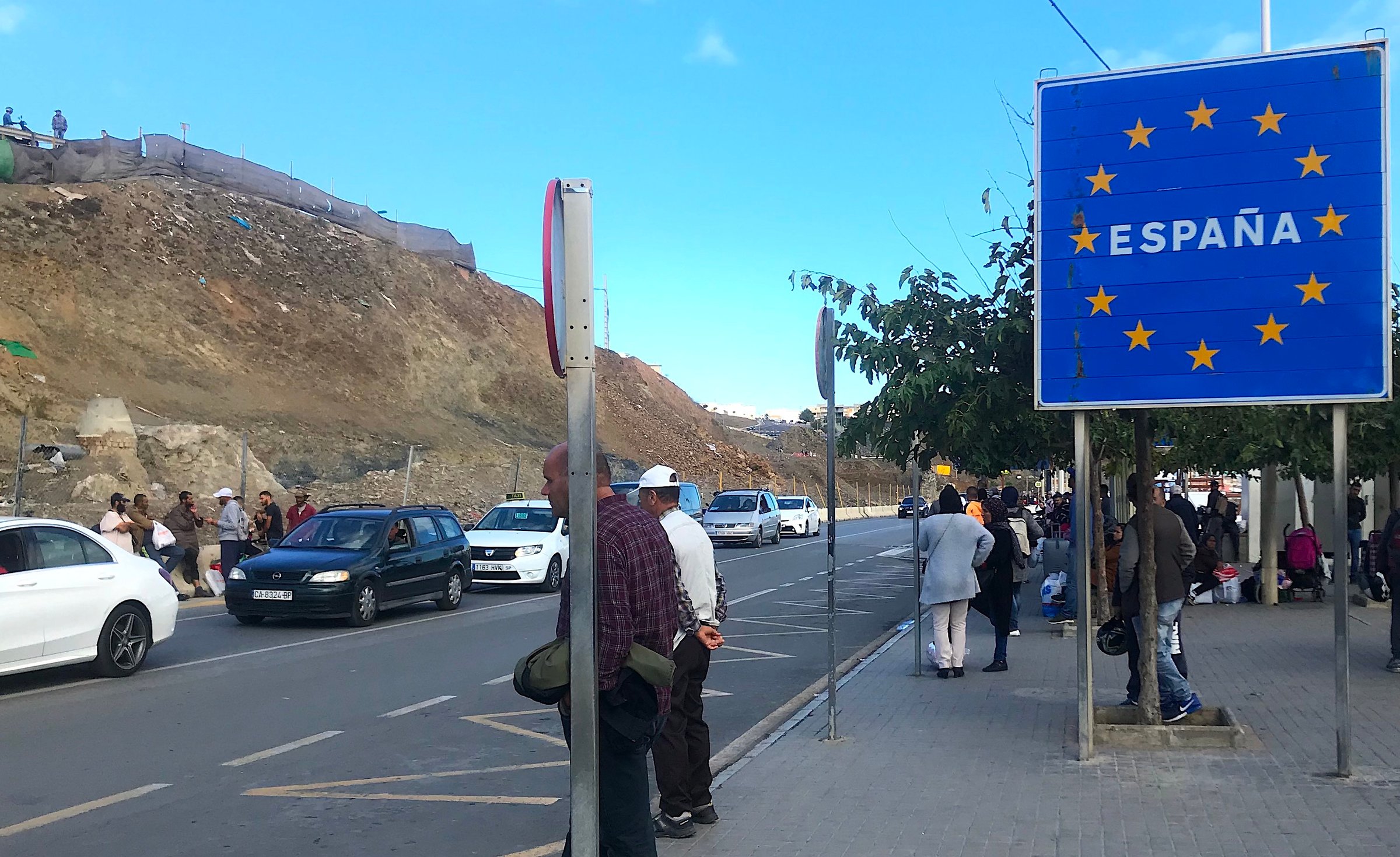
What happened in Ceuta at the end of July 2026 should not be treated simply as another migration crisis. The entry of tens of thousands of people from Morocco revealed something more troubling: the extent to which Europe has made the security of its borders and its political stability dependent on a state capable of turning that dependence into leverage.
In May 2021, nearly 10,000 people entered Ceuta, triggering a diplomatic crisis between Madrid and Rabat. The European Parliament’s response was immediate: it condemned “Morocco’s use of border controls and migration, and unaccompanied minors in particular, as political pressure against a Member State of the European Union.”
Five years later, Europe once again finds itself facing the same situation, but on a much larger scale.
Investigations into the events of July 2026 indicate that the mobilisation was not merely a spontaneous reaction.
An analysis conducted by Golden Owl, linked to the University of Alicante, identified an organised operation conducted through social media, involving coordinators, dissemination channels, recruitment structures and mechanisms designed to conceal the identities of those behind it.