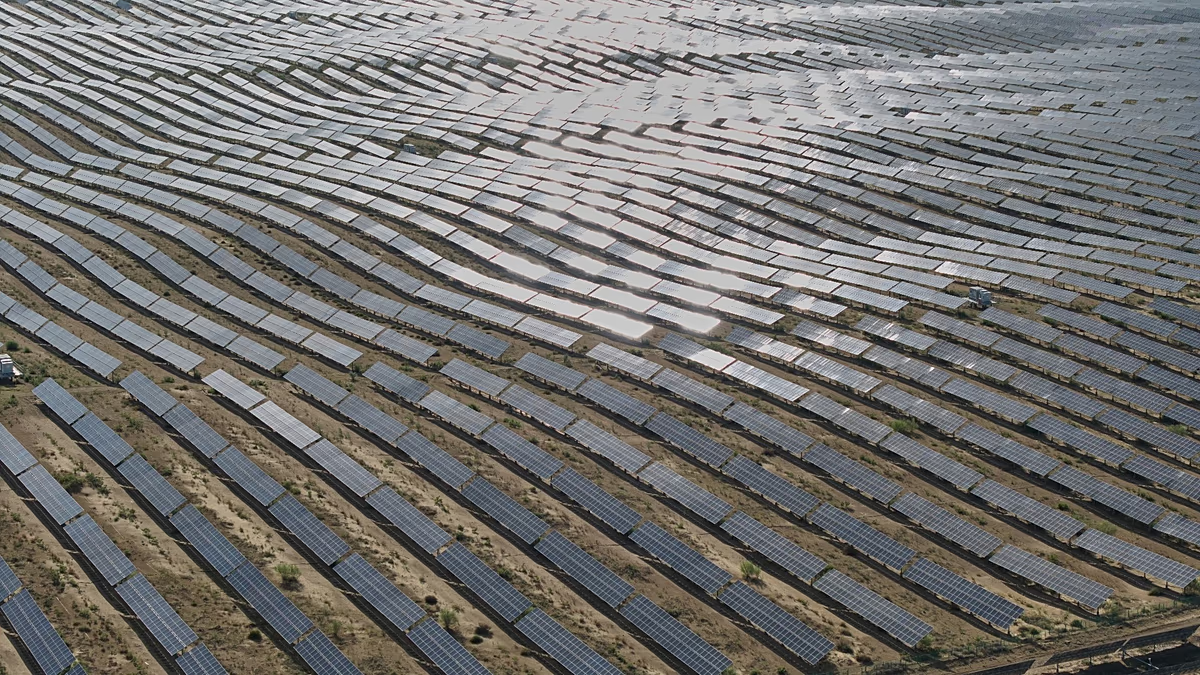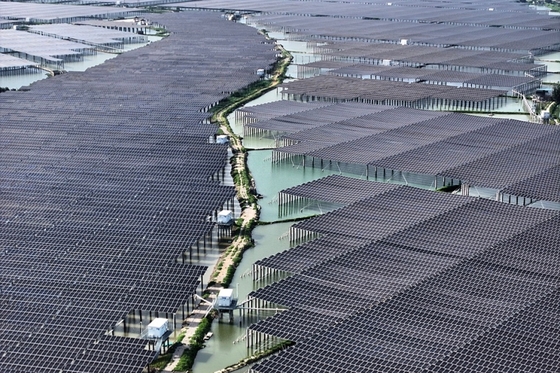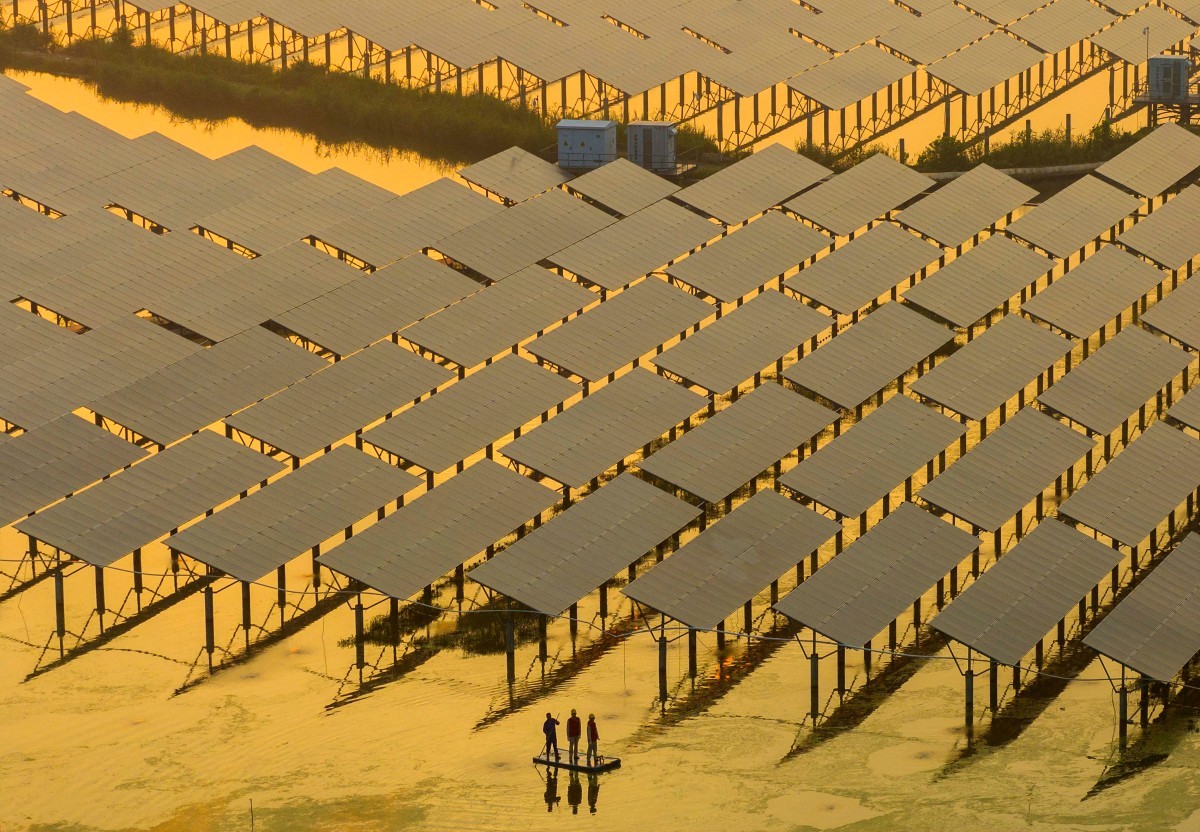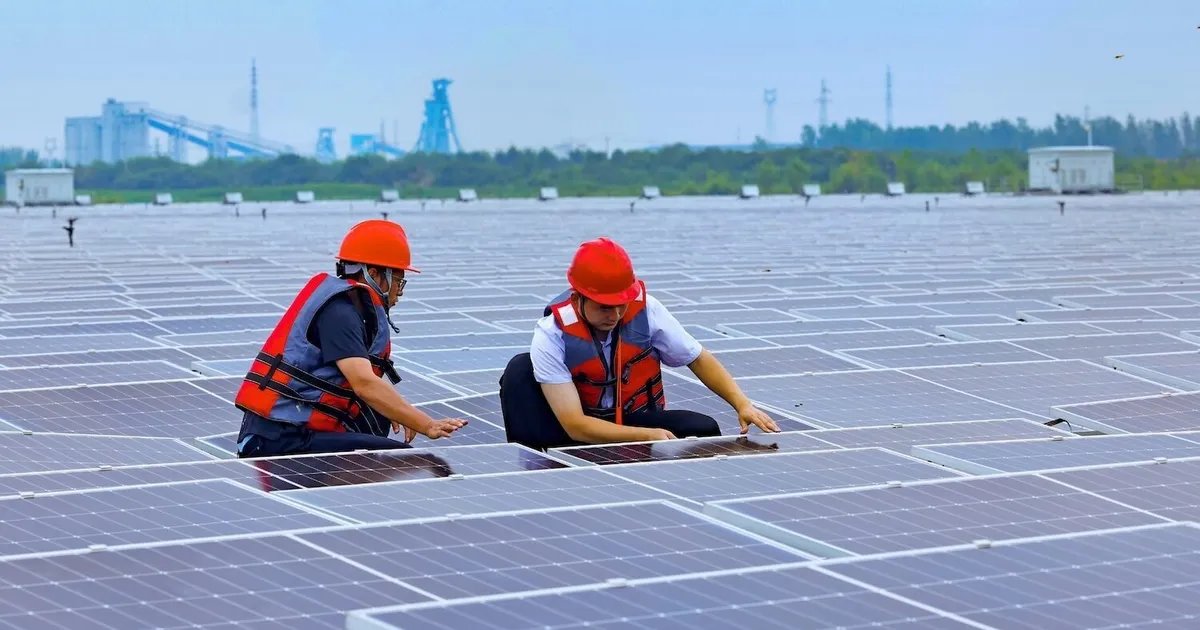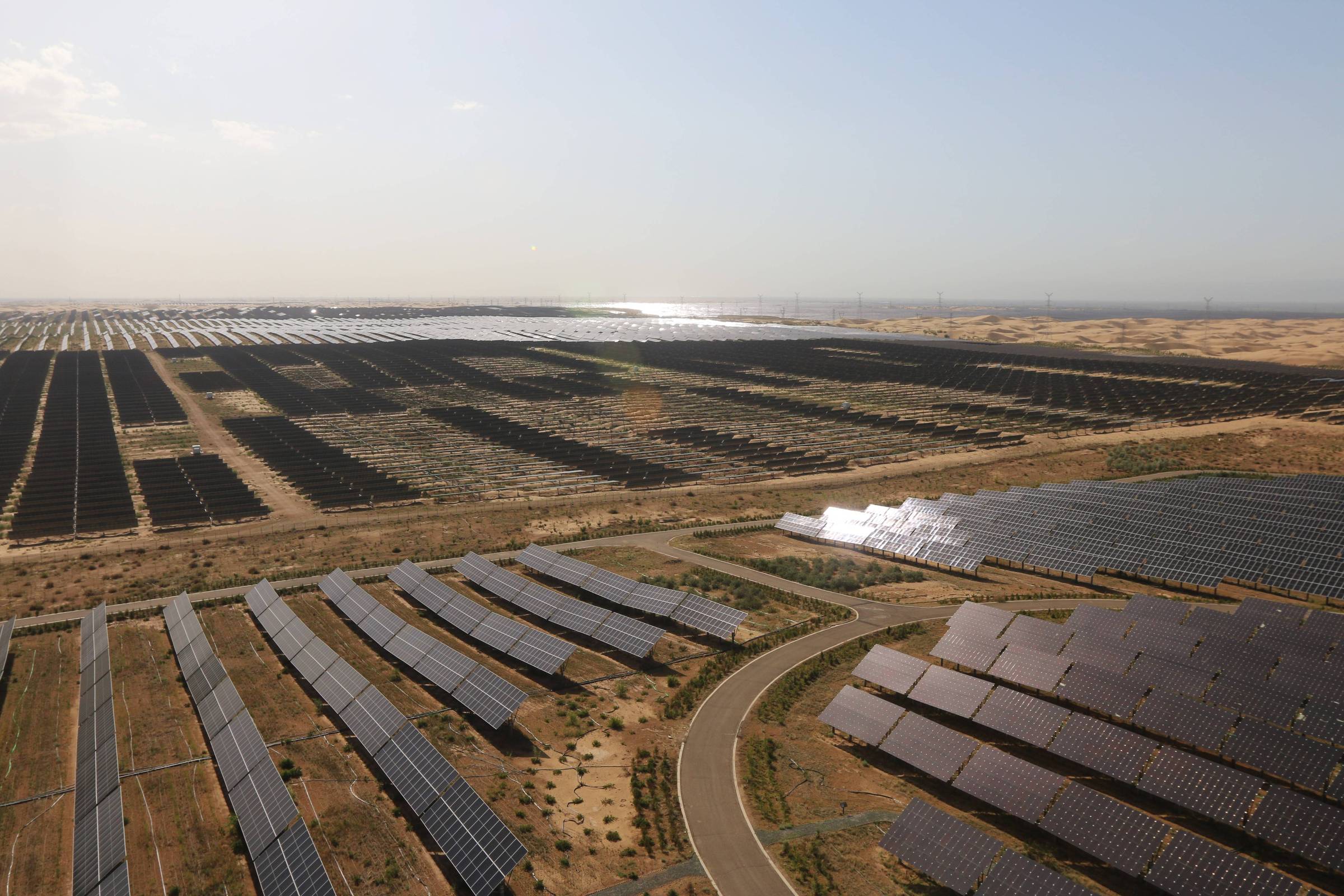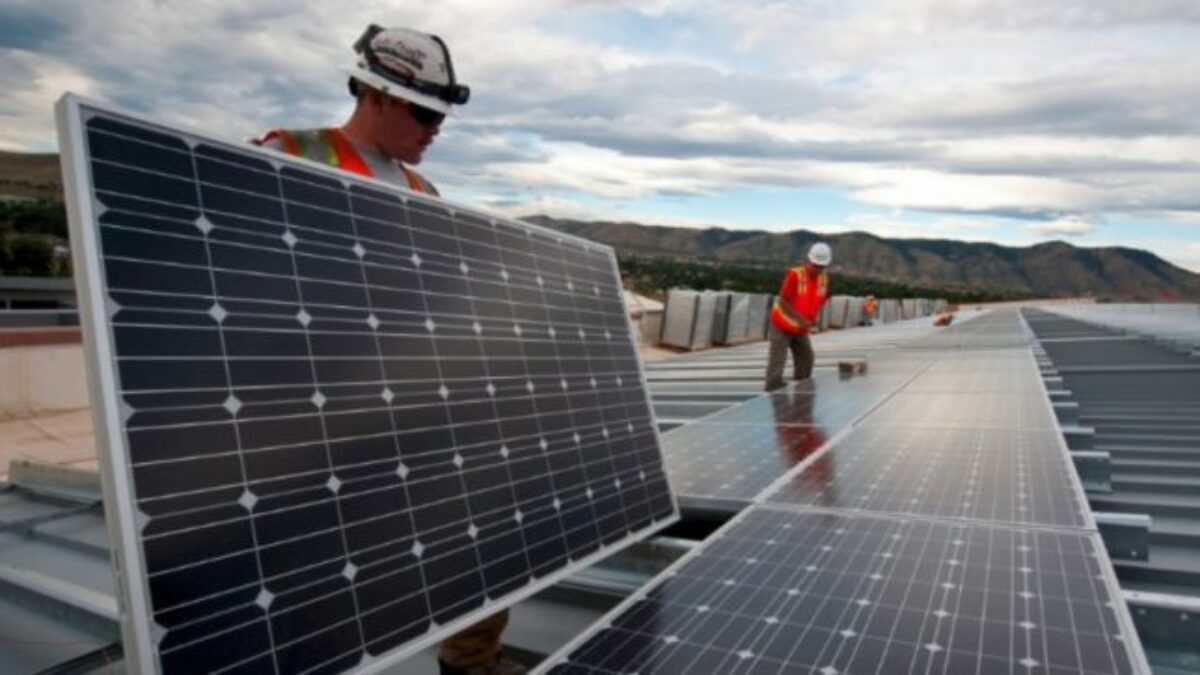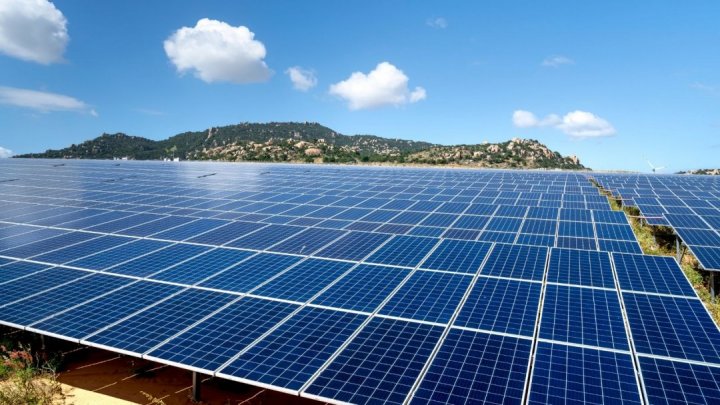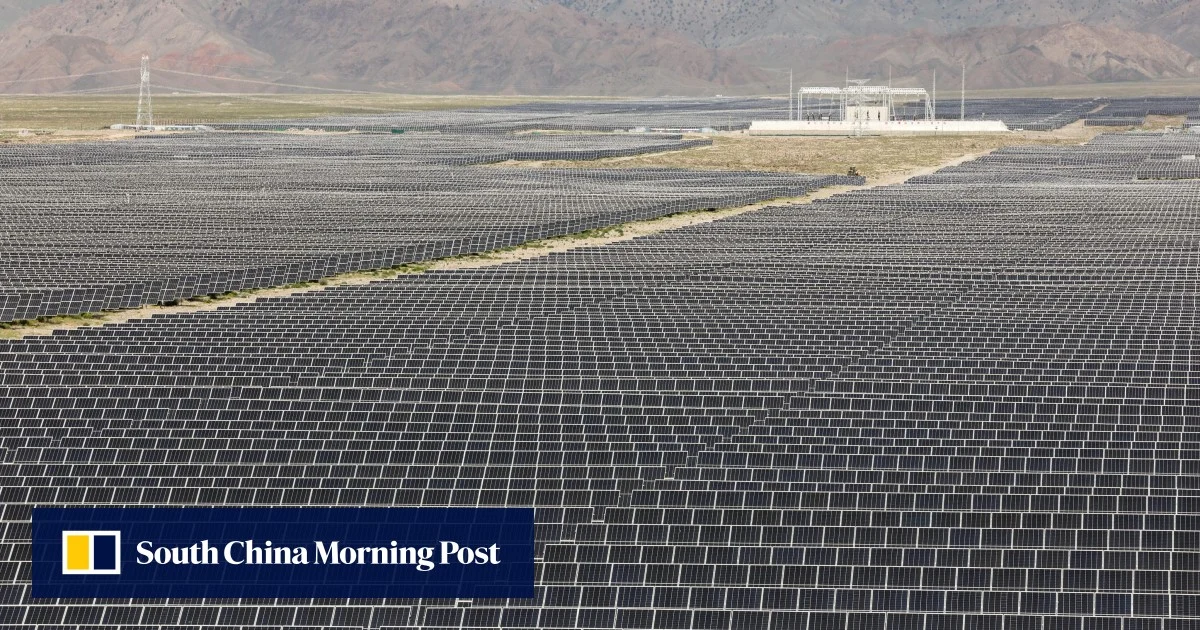
China’s cumulative solar capacity reached 1.286 TW at the end of July, overtaking coal for the first time and accounting for around 31.5% of total installed power capacity. The milestone comes as the PV sector faces slowing installations, grid-integration constraints and overcapacity, shifting the focus from rapid deployment to reliable electricity supply.
Solar power has overtaken coal to become China’s largest source of installed generating capacity, marking a historic shift in the power mix of the world’s largest electricity system.
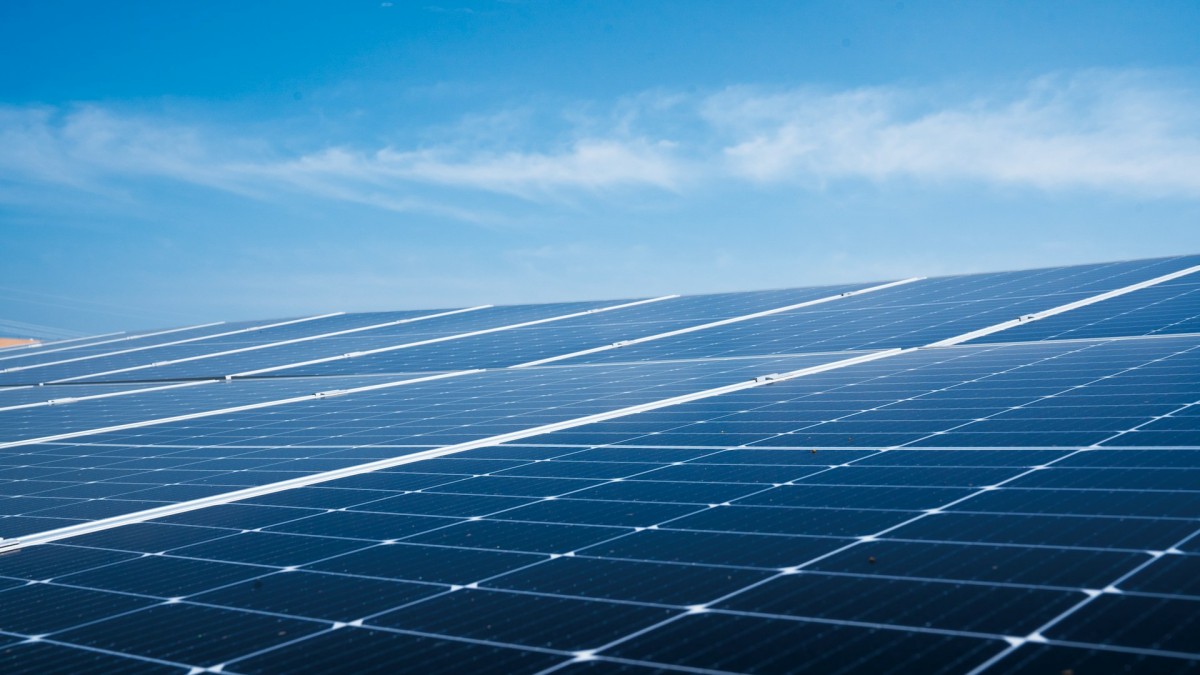
China’s National Energy Administration (NEA) said on Sept. 1 that cumulative PV capacity reached 1.286 TW at the end of July, edging past the country’s 1.285 TW of coal-fired capacity. Solar now accounts for around 31.5% of China’s total installed power capacity, comprising 704 GW of utility-scale PV and 582 GW of distributed solar.
The crossover ends a century-long period in which coal was China’s largest power source by installed capacity, according to the NEA. It follows two earlier milestones: total renewable energy capacity overtook coal in 2023, while combined wind and solar capacity surpassed thermal power in 2025.
China had 4.078 TW of installed generating capacity at the end of July. In addition to PV and coal, wind capacity stood at 687.2 GW, hydropower at 455.5 GW and nuclear at 66.14 GW, according to NEA statistics. The latest separately published figure for biomass, for the end of June, was 47.91 GW. Total thermal capacity, which includes gas and other thermal generation alongside coal, stood at 1.581 TW.