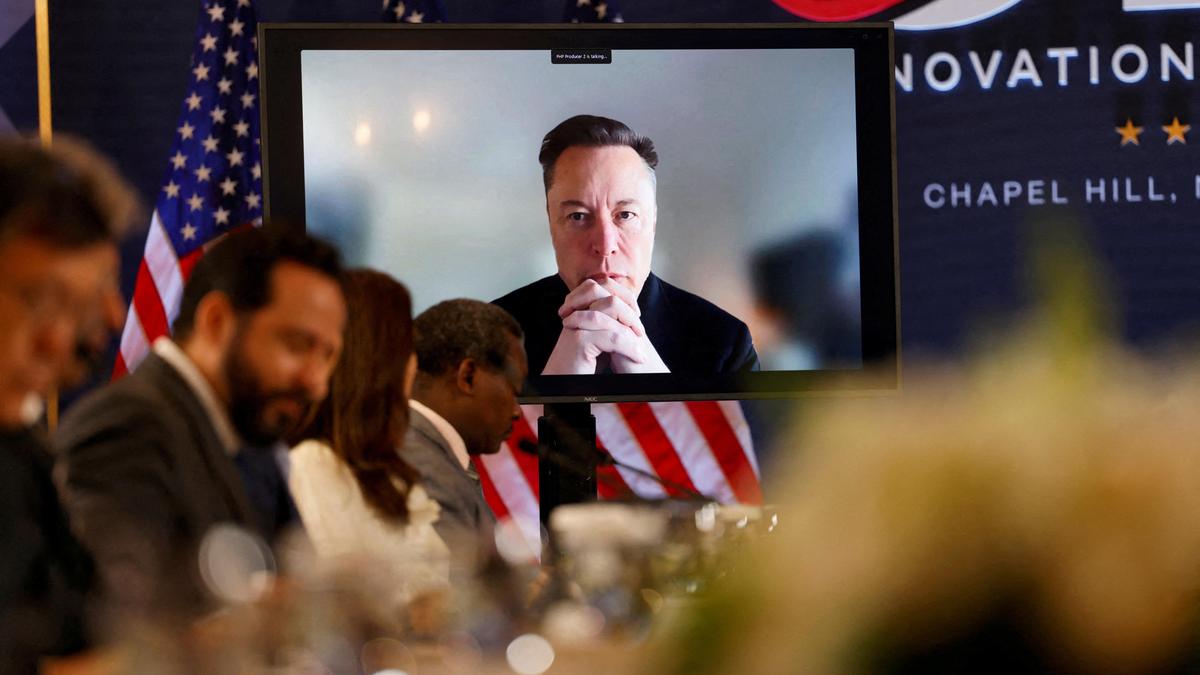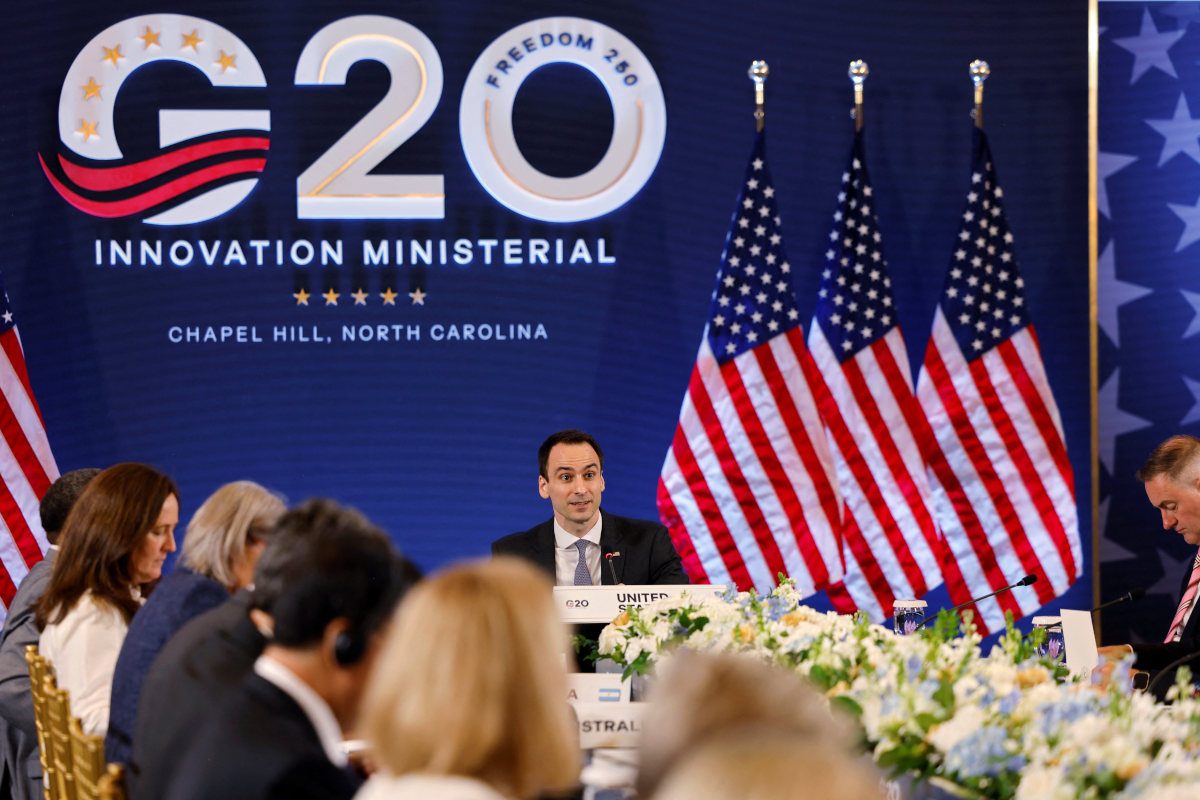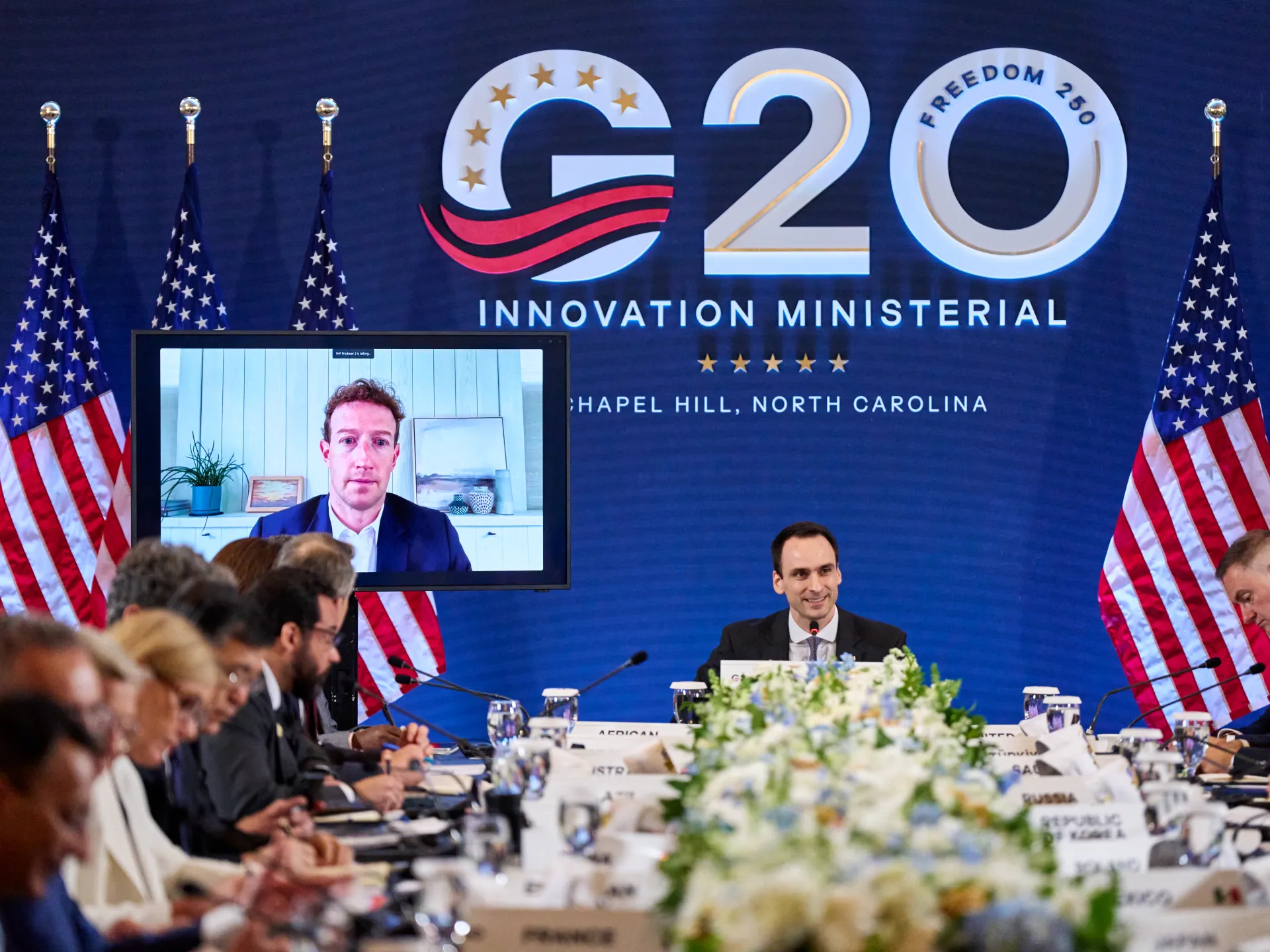
The world’s largest economies just agreed that the best way to regulate AI is, broadly speaking, to not regulate it very much. All 20 members of the G20 endorsed the “Carolina Principles” at the Innovation Ministerial meeting in Chapel Hill, North Carolina, a non-binding framework that favors existing sector-specific rules over new dedicated AI oversight bodies.
The agreement, reached during the September 1-2 summit, represents a diplomatic win for the Trump administration, which proposed the framework as a way to keep the global regulatory environment friendly to innovation. Perhaps more notably, China signed on too, putting the world’s two AI superpowers on the same page about keeping regulators at arm’s length.
What the Carolina Principles actually say
The framework’s core philosophy is straightforward: don’t create new regulations unless existing ones genuinely can’t handle the problem. New rules should be reserved for “truly novel circumstances.”
Beyond that restraint principle, the Carolina Principles emphasize three priorities. Investment in foundational AI research. Protection of intellectual property. And workforce development programs to help people adapt to an economy increasingly shaped by machine learning.