Brent crude hit $99.38 per barrel by 8 a.m. Eastern on September 3, a gain of $3.27 from the previous morning and roughly $31.50 higher than where it traded a year ago. The benchmark is now flirting with triple digits for the first time since a brief spike earlier in 2026, when prices touched around $120 before partially cooling off.
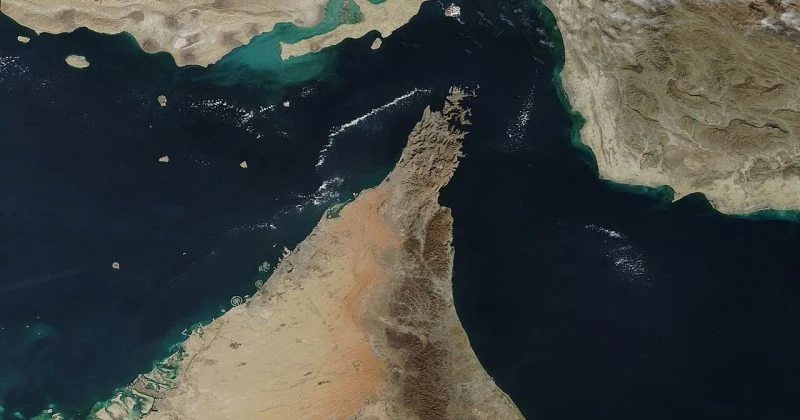
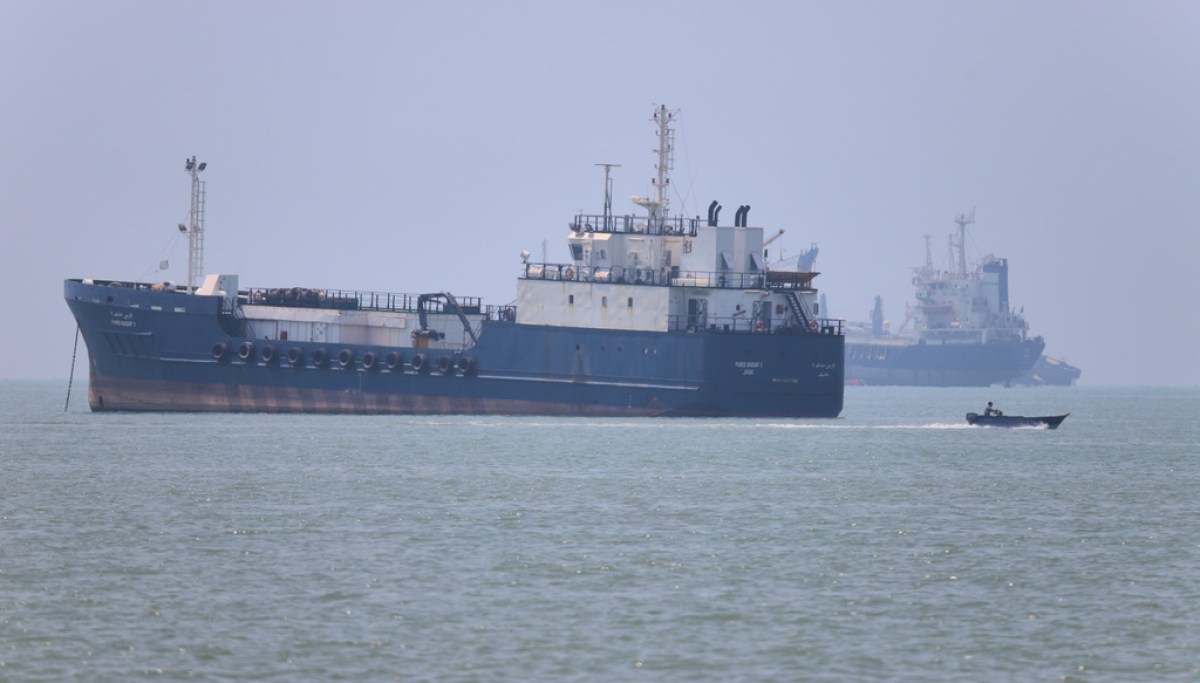
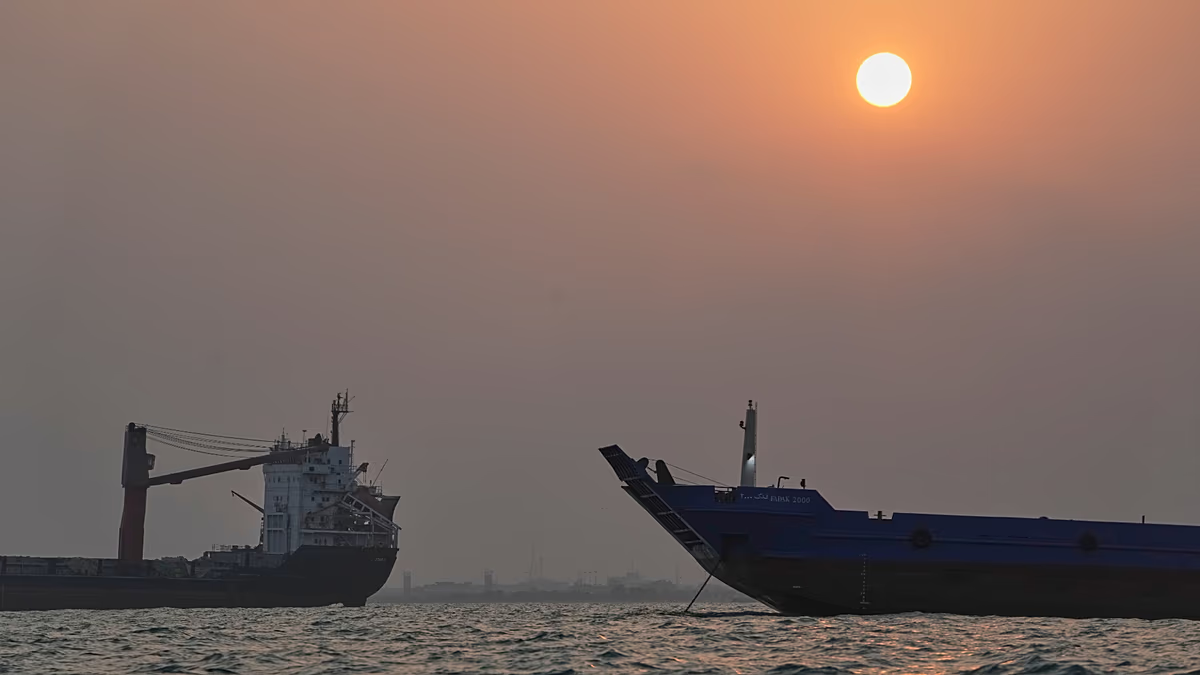
The proximate cause is familiar by now: the Strait of Hormuz, the 21-mile-wide channel through which roughly a fifth of the world’s oil supply passes, is once again looking like a bottleneck with real teeth.
What’s driving the spike
Renewed US airstrikes on Iranian missile and radar infrastructure have reignited hostilities that a June ceasefire was supposed to quiet.
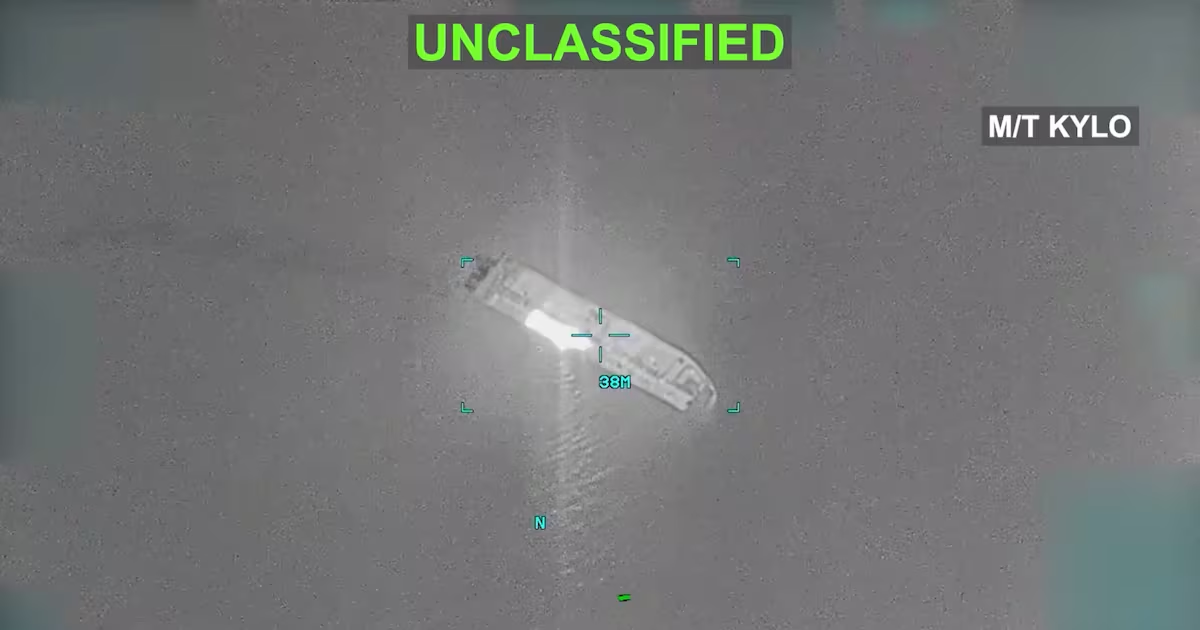
Shipping data tells the story more clearly than any diplomatic statement. Tanker transits through Hormuz dropped to as few as six vessels on a recent day, compared to a 10-day rolling average of around 13. Cut the flow through the world’s most critical oil chokepoint roughly in half and prices respond accordingly.