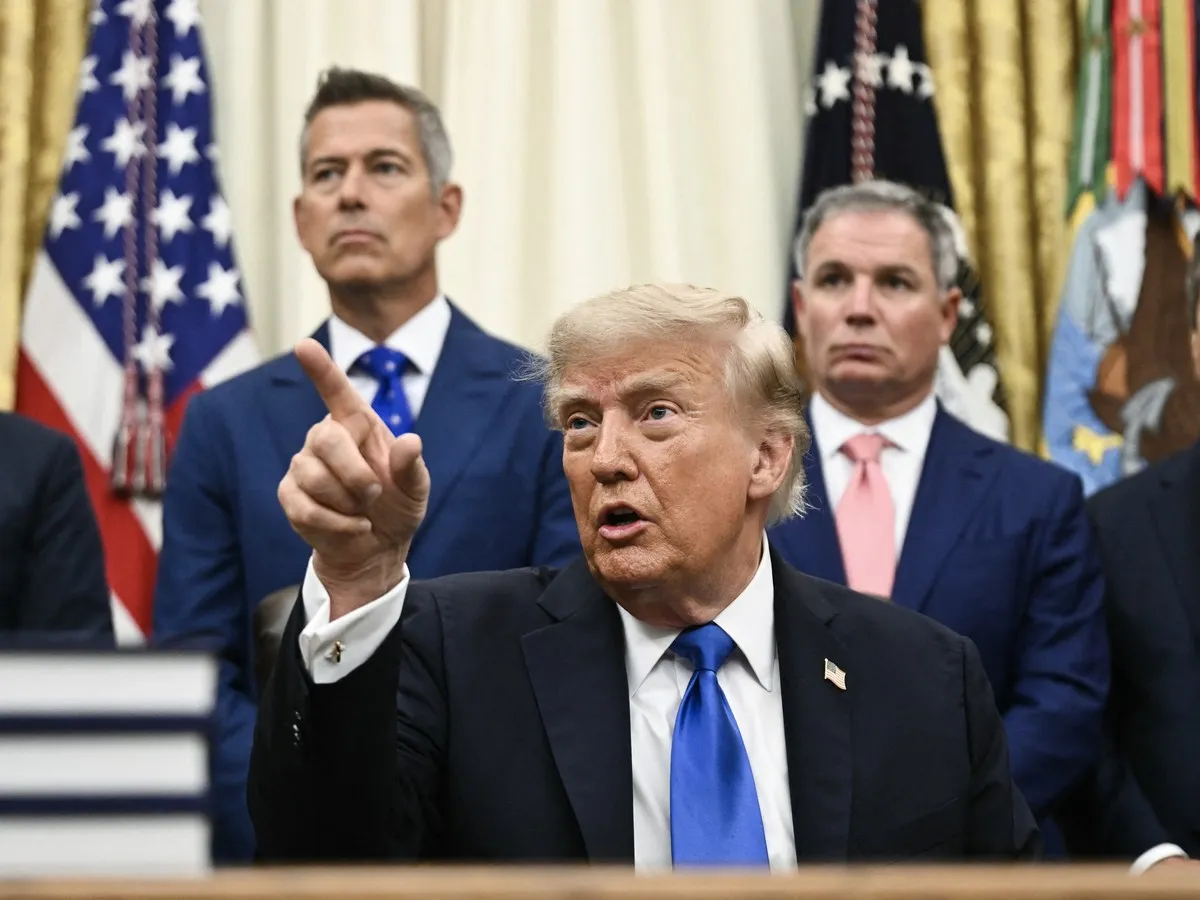
Skip to Content Subscribe My Account Manage My Subscriptions FAQ Newsletters Canada Canadian True Crime Canadian Politics Health World Israel & Middle East Financial Post NP Comment Longreads Puzzmo Diversions Comics NP News Quiz New York Times Crossword Horoscopes Modern Life Eating & Drinking Style Sponsored Play for Ontario Travel Travel Canada Travel USA Travel International Cruises Travel Essentials Culture Books Celebrity Movies Music Theatre Television Business Essentials Advice Lives Told Tails Told Shopping Buy Canadian Home Living Outdoor Living Kitchen & Dining Tech Style & Beauty Personal Care Entertainment & Hobbies Gift Guide Travel Guide Deals Savings National Post Store More Sports Hockey Baseball Basketball Football Soccer Golf Tennis Driving Vehicle Research Reviews News Gear Guide Obituaries Place an Obituary Place an In Memoriam Classifieds Place an Ad Celebrations Working Business Ads Archives Healthing Epaper Manage Print Subscription Profile Settings My Subscriptions My Offers Newsletters Customer Service FAQ Newsletters Canada World Financial Post NP Comment Longreads Puzzmo Diversions Modern Life Shopping Epaper Manage Print Subscription HomeNewsCanadaThe key to winning the Canada-U.S. trade war is not retaliating, says think tank'When you're in a trade impasse like the one we're in with the U.S., what works is being able to outlast the other guy,' said Vincent Geloso, a senior economist at MEILast updated 6 days ago US President Donald Trump speaks during a meeting with travel industry executives in the Oval Office of the White House in Washington, DC, on September 2, 2026. Photo by BRENDAN SMIALOWSKI /AFP via Getty ImagesOTTAWA — A free-market think tank is calling on Canadian policymakers to turn the other cheek as the United States ramps up its cross-border tariffs.Enjoy the latest local, national and international news.Exclusive articles by Conrad Black, Barbara Kay and others. Plus, special edition NP Platformed and First Reading newsletters and virtual events.Unlimited online access to National Post.National Post ePaper, an electronic replica of the print edition to view on any device, share and comment on.Daily puzzles including the New York Times Crossword.Support local journalism.Enjoy the latest local, national and international news.Exclusive articles by Conrad Black, Barbara Kay and others. Plus, special edition NP Platformed and First Reading newsletters and virtual events.Unlimited online access to National Post.National Post ePaper, an electronic replica of the print edition to view on any device, share and comment on.Daily puzzles including the New York Times Crossword.Support local journalism.Create an account or sign in to continue with your reading experience.Access articles from across Canada with one account.Share your thoughts and join the conversation in the comments.Enjoy additional articles per month.Get email updates from your favourite authors.Create an account or sign in to continue with your reading experience.Access articles from across Canada with one accountShare your thoughts and join the conversation in the commentsEnjoy additional articles per monthGet email updates from your favourite authorsSign In or Create an Accountor“When you’re in a trade impasse like the one we’re in with the U.S., what works is being able to outlast the other guy,” said Vincent Geloso, a senior economist at the Montreal Economic Institute and the author of a new research note on the ineffectiveness of counter-tariffs.“Eventually, there’ll be an opportunity to act at the right time in the right way,” said Geloso.Get a dash of perspective along with the trending news of the day in a very readable format.By signing up you consent to receive the above newsletter from Postmedia Network Inc.A welcome email is on its way. If you don't see it, please check your junk folder.The next issue of NP Posted will soon be in your inbox.We encountered an issue signing you up. Please try againThe Carney government has been scrambling to respond to U.S. President Donald Trump’s use of Section 338 of the Tariff Act of 1930 to put 50 per cent tariffs on a host of Canadian goods. The tariffs took effect on Aug. 22, after last-minute trade talks collapsed.Last week, Prime Minister Mark Carney announced counter-tariffs on $27.6 billion worth of imports from the U.S., which are set to take effect on Sept. 8.But Geloso says that Carney would be smart to learn from Canada’s response to the U.S.’s first use of the Tariff Act during the Great Depression.“In the ’30s we did counter-tariffs. We actually did two rounds of retaliation, (both) of which did absolutely nothing,” said Geloso.The U.S. raised tariffs by an average of 20 per cent on more than 800 Canadian products under the 1930 Tariff Act, prompting retaliation from Liberal prime minister Mackenzie King and his Conservative successor R.B. Bennett. Bennett was especially aggressive in his response, putting matching counter-tariffs on roughly 30 per cent of U.S. exports to Canada.Geloso says that these measures had no perceptible effect on the American economy or the direction of U.S. trade policy. However, they did substantial harm to Canada’s economy.He estimates that falling prices for goods Canada sold to other countries caused about half of Canada’s losses during the Great Depression, with counter-tariffs being a key driver of this effect.Geloso said that what ultimately resolved the impasse was a change in government in the U.S., with Democrat Franklin Delano Roosevelt winning a massive mandate in the 1932 presidential election. He added that Roosevelt demonstrated his commitment to open markets by naming free-trade evangelist Cordell Hull his first secretary of state.“Naming Cordell Hull in that position was about as radical of a pro-free trade signal (Roosevelt) could have sent at the time,” said Geloso.The Roosevelt government quickly restored cross-border trade relations, signing a reciprocal trade agreement with Canada in 1935.Geloso admits that the situation is somewhat different this time around, with Canada facing punitive, targeted cross-border tariffs, rather than ones the U.S. has broadly applied to all its trade partners. Section 338 has never before been invoked in the Tariff Act’s 96-year history.However, he says this doesn’t change the fundamental dynamics of the Canada-U.S. relationship.“What worked then is what will work now, and that’s being patient,” said Geloso.Geloso said he supported Carney’s decision to walk away from negotiations but said the prime minister needs to avoid being goaded into a tit-for-tat tariff war that Canada cannot win.“(Carney) can either play the jingoist card or the adult card,” said Geloso. “And the adult card would be to exercise patience and wait for the other guy to tire himself out of the shenanigans he’s doing.”He noted that Trump’s job approval rating is at a historic low and said he expected Trump to be a “lame duck” after November’s midterm elections.Geloso said that, for the time being, Carney should focus on implementing measures that mitigate the immediate damage of the tariffs and make Canada’s economy more resilient, such as reducing red tape for businesses.He added that Carney is in a good position to dig in for extended trade interruption, with a majority government and the strong backing of Canadians on the Canada-U.S. relations file.National Post rmohamed@postmedia.comOur website is the place for the latest breaking news, exclusive scoops, longreads and provocative commentary. Please bookmark nationalpost.com and sign up for our daily newsletter, Posted, here. Join the Conversation This website uses cookies to personalize your content (including ads), and allows us to analyze our traffic. Read more about cookies here. By continuing to use our site, you agree to our Terms of Use and Privacy Policy.
The key to winning the Canada-U.S. trade war is not retaliating, says think tank
A free-market think tank is calling on Canadian policymakers to turn the other cheek as the United States ramps up its cross-border tariffs.
1,208 words~5 min read