WMO has high confidence that El Niño will continue into early 2027, supported by strong, reinforcing oceanic and atmospheric signals
| Photo Credit:
K K Mustafah
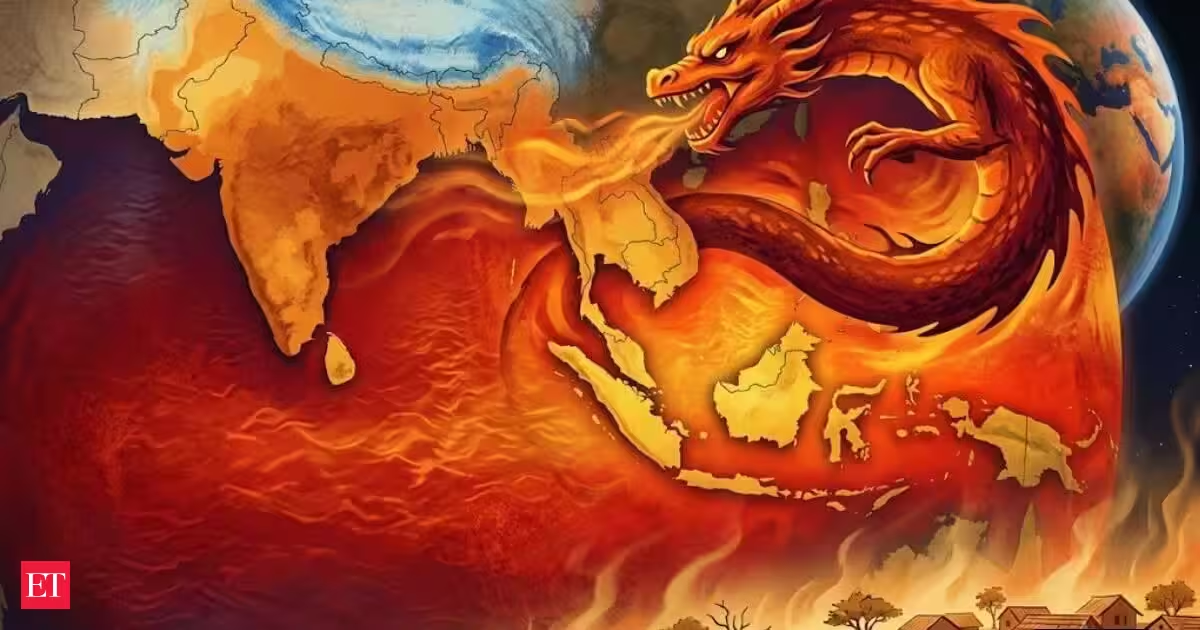
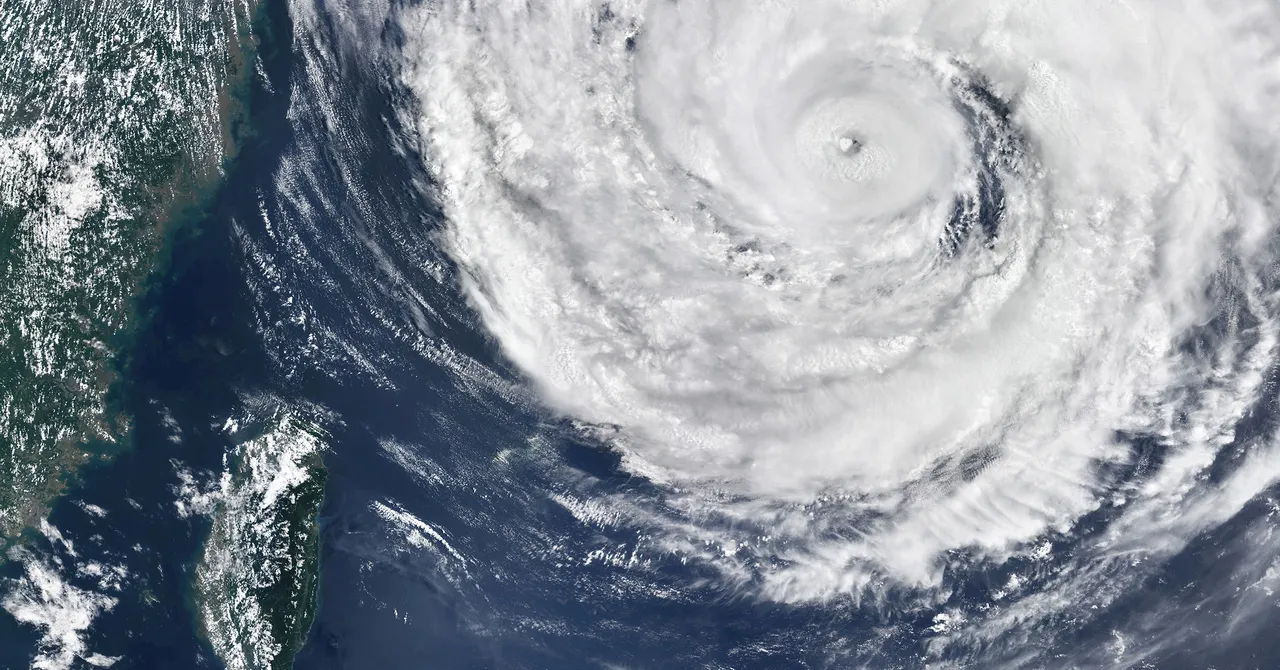
The World Meteorological Organization’s (WMO) latest El Niño/La Niña update states that there’s nearly a 100 per cent chance that the El Niño will extend through to February 2027 and escalate into a forceful event later this year.A positive Indian Ocean Dipole is also forecast, which may change the impacts of rainfall and temperature over regions.This is the first time that a WMO update has been so unequivocal, reflecting the strong consensus within WMO’s network.El Niño is expected to strengthen further over the coming months to a very strong intensity before peaking towards the end of this year, with climate impacts continuing well into 2027. The phenomenon is fuelled by exceptionally warm ocean conditions across the tropical Pacific, the report said.“El Niño is being supersized before our eyes. The science leaves no room for doubt: the planet is in uncharted waters, and those waters are heating up. Sea surface temperatures are rising, temperatures are climbing, and the world is in the danger zone of extreme weather. The race now is between rising risks and our commitment to take climate action and protect people. We must win that race,” said UN Secretary-General António Guterres.Boiling oceansOne of the clear signs of El Niño is already visible: sea surface temperatures (SST) across the central-eastern equatorial Pacific, the region central to El Niño, are well above average and rising.The Niño 3.4 index, which measures temperature anomalies at the sea surface in the central-eastern equatorial Pacific, has increased considerably, averaging +1.5°C above normal during May-July 2026 and +2.0°C above normal in July.Weekly values then increased further in late July and mid-August, from about +2.2 °C to +2.6 °C above average, indicating continued intensification.But the heat under the surface of the ocean is even more remarkable. In July and early August, subsurface ocean temperatures were more than 8 degrees Celsius above average in some areas.The update states that combined surface and subsurface ocean conditions favour the persistence of El Niño and the potential for strengthening over the coming months.Confident outlookThe WMO is very confident in the outlook. Strong oceanic and atmospheric signals that support each other, along with close agreement among seasonal prediction systems, suggest that El Niño will last at least until early 2027.A positive Indian Ocean Dipole (IOD) is also expected to form and reach 0.9°C for the September-October-November 2026 seasonal average, the report adds.Meanwhile, the equatorial Atlantic basin is expected to remain generally warm, with the SSTs in the North and South Tropical Atlantic staying above normal. These conditions can either strengthen, weaken or modify the usual effects of El Niño in different locations.Published on September 3, 2026