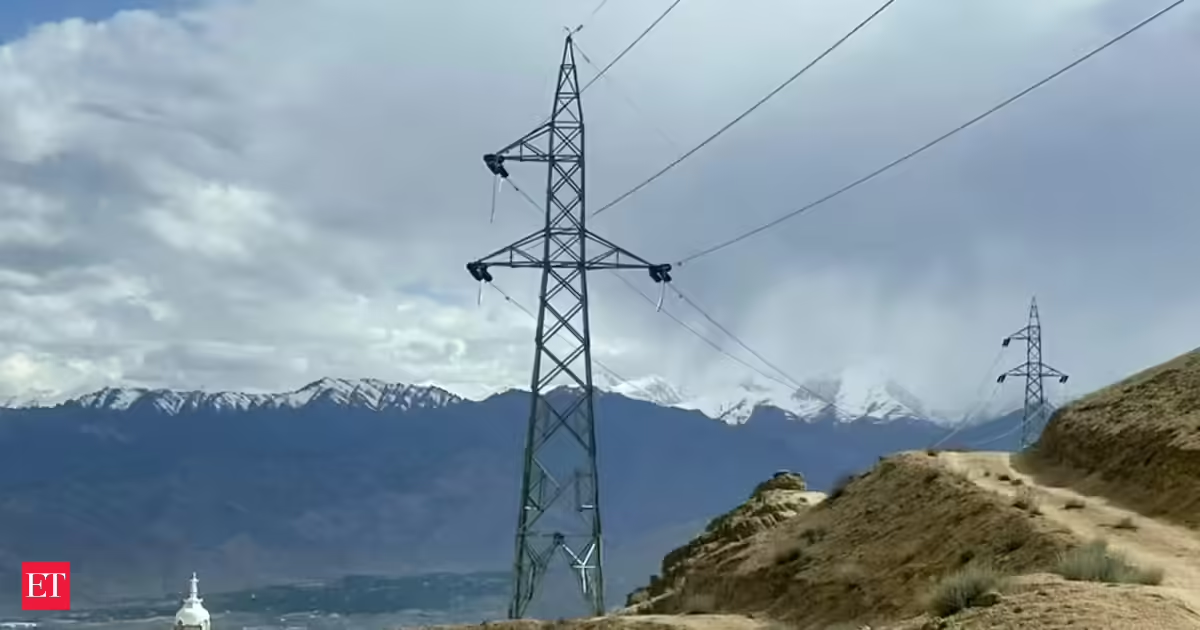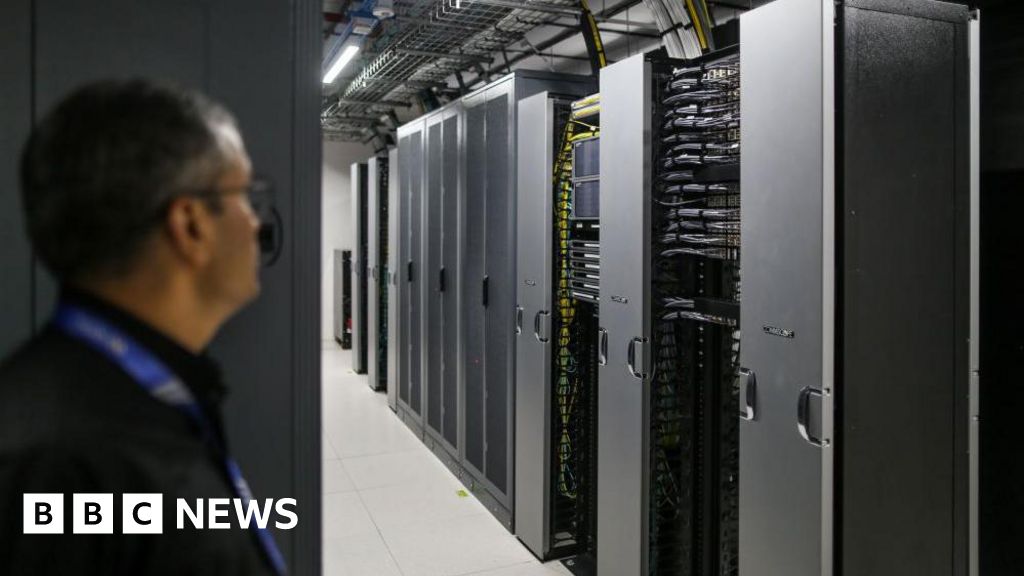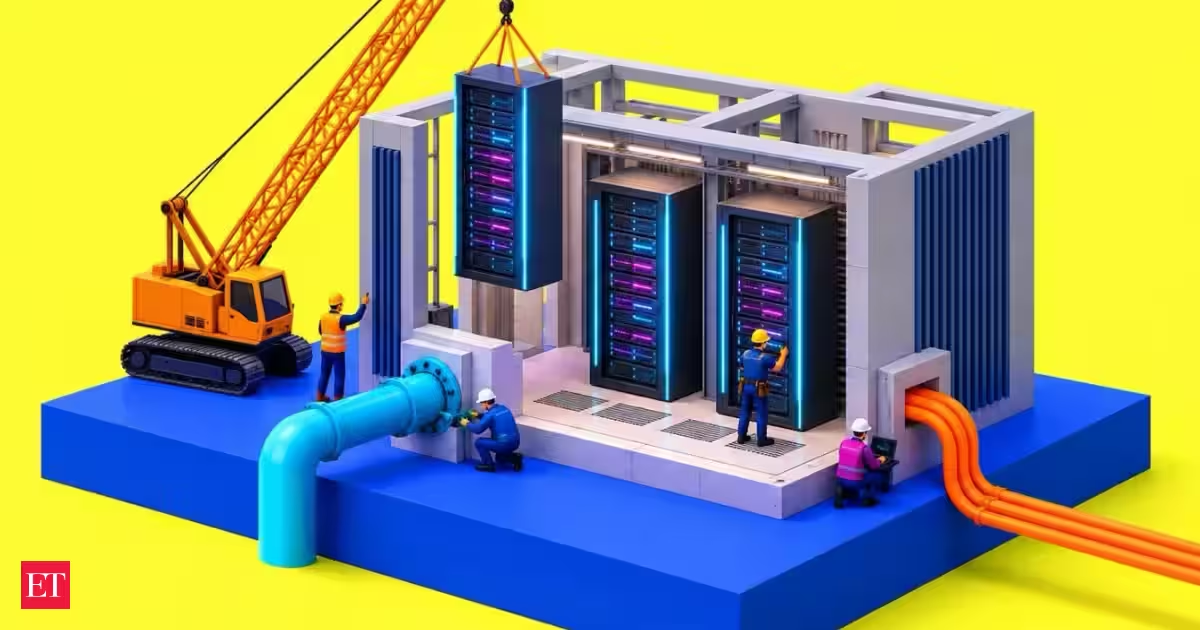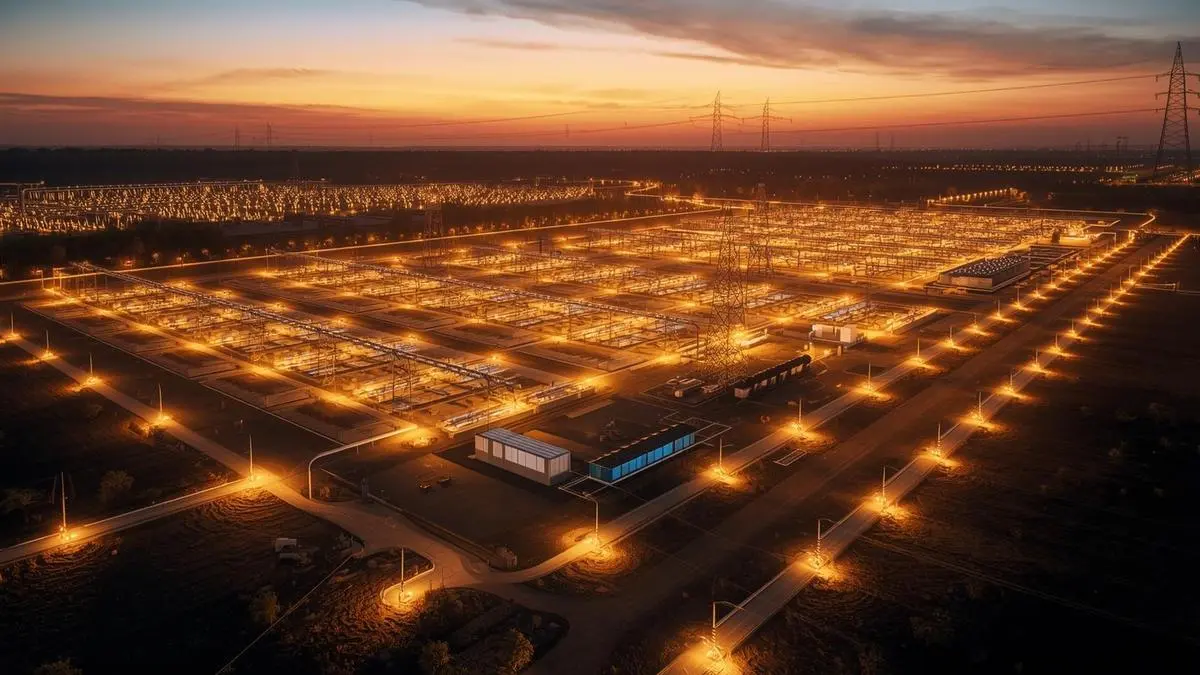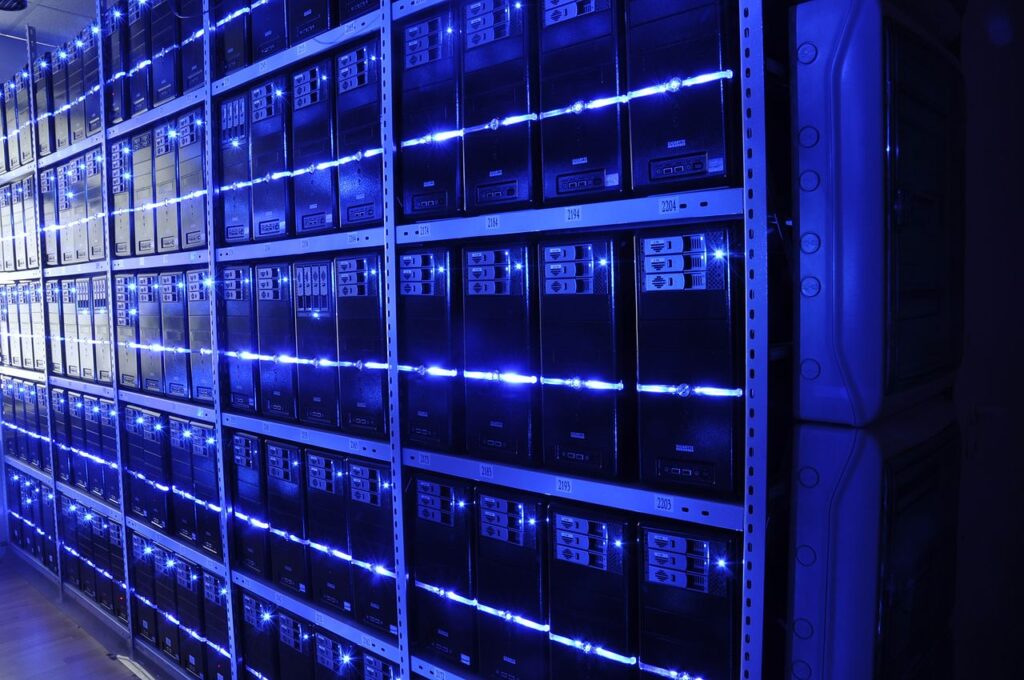
India’s digital economy will ultimately be supported by physical systems: substations, transmission lines, renewable plants, batteries and control platforms. If these systems are planned with the same precision and urgency as the computing infrastructure they serve, data-centre growth can strengthen both economic competitiveness and the clean-energy transition.
India’s digital economy is entering a phase in which computing growth and power infrastructure can no longer be planned separately. Artificial intelligence, cloud services, digital payments and data localisation are increasing demand for computing capacity, while data centres are becoming larger and more power intensive.
India illustrates the scale of this shift. Data-centre capacity increased fourfold from about 375 MW in 2020 to around 1,500 MW by 2025. The Economic Survey 2025–26 cites industry estimates of around 4 GW by 2030. The IEA also expects India’s electricity demand to grow by an average 6.4% a year between 2026 and 2030. Data centres will therefore expand within a power system already responding to industrialisation, cooling demand and wider electrification.
The clean-energy imperative is becoming central to where data centres are located, how quickly they can be commissioned and whether they can operate reliably at scale.