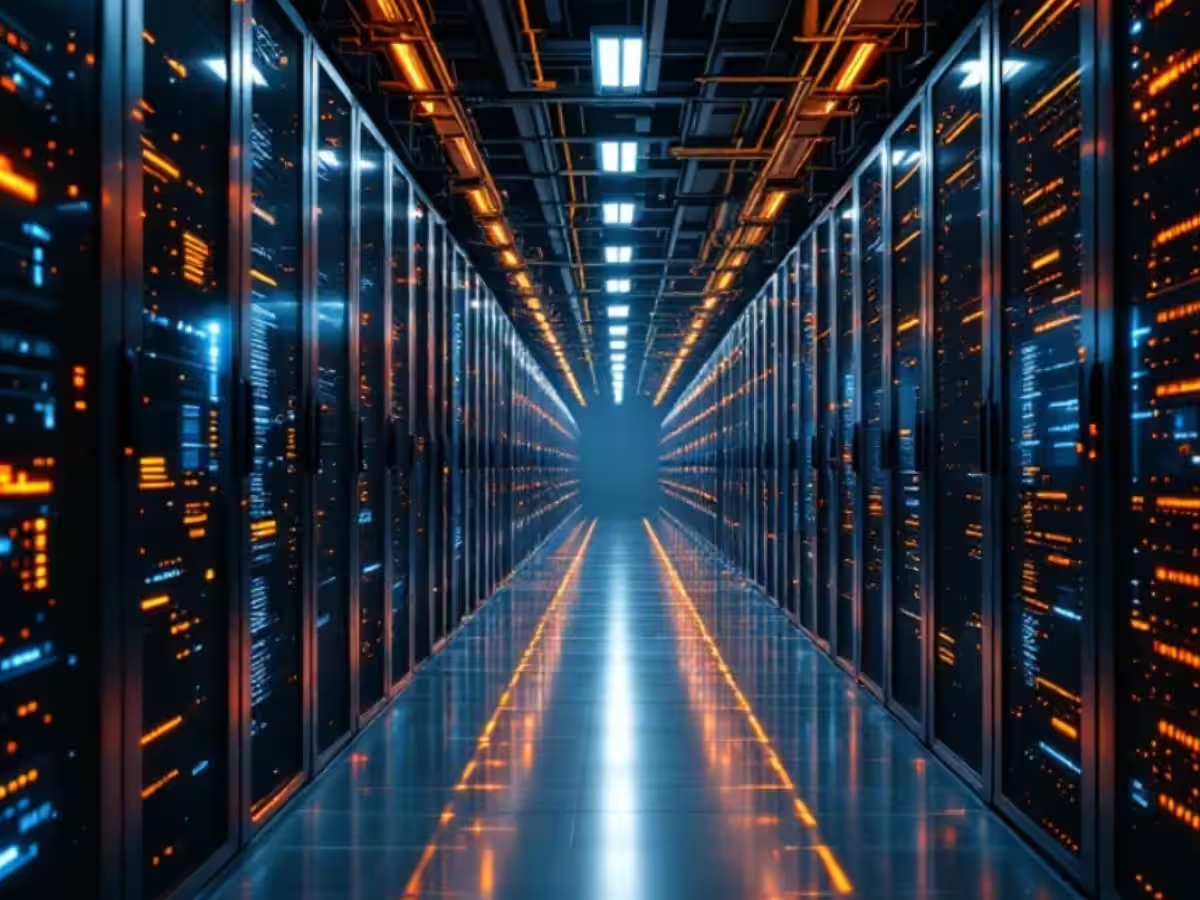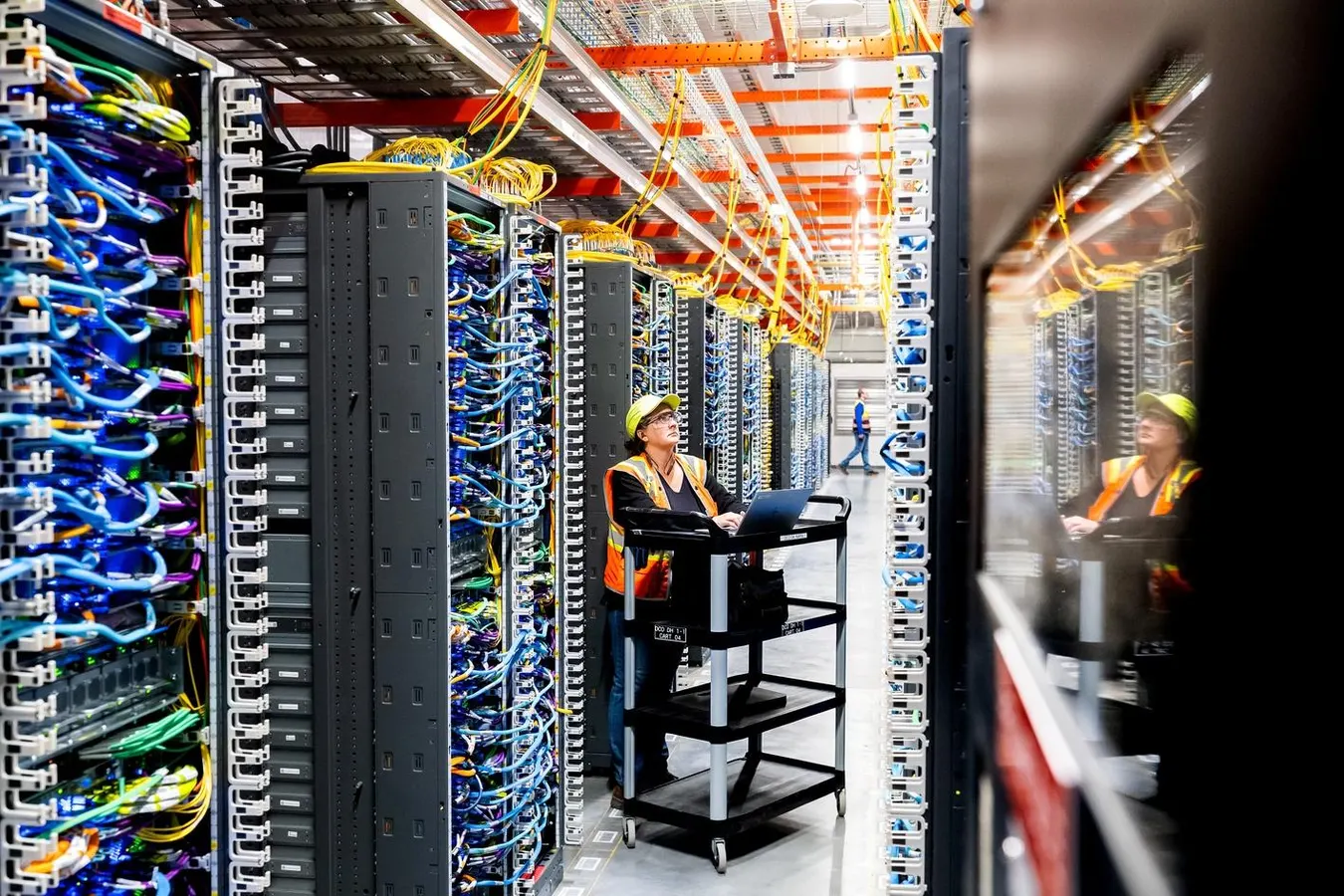
Data centers are now regarded as the invisible foundation of the digital economy. They are severely under the spotlight amid the artificial intelligence (AI) boom – according to ICIS, a commodity market intelligence firm, European data center capacity is projected to surge over the next decade, from approximately 9.2GW today to 26.6GW by the year 2035.
Although these facilities have the potential to drive massive economic growth in the regions they are constructed in, they are concurrently placing increased pressure on already stressed power grids. The top four consuming nations, Germany, the UK, France, and the Netherlands, make up roughly 62 percent of Europe's entire data center demand, and current energy usage is already under question in each nation.
Up until now, a large portion of the conversation around sustainability has centered on the duties of those operating the data centers, such as enhancing cooling technologies, hardware efficiency, and the use of renewables. However, another essential factor exists: the way enterprise clients architect their systems to tap into the resources of these facilities.
By migrating from outdated and inefficient continuously running AI models toward reactive, real-time frameworks, businesses can significantly lower the demands of data transfer and computing. This eases the burden on power infrastructure while continuing to capitalize on the potential of AI expansion.