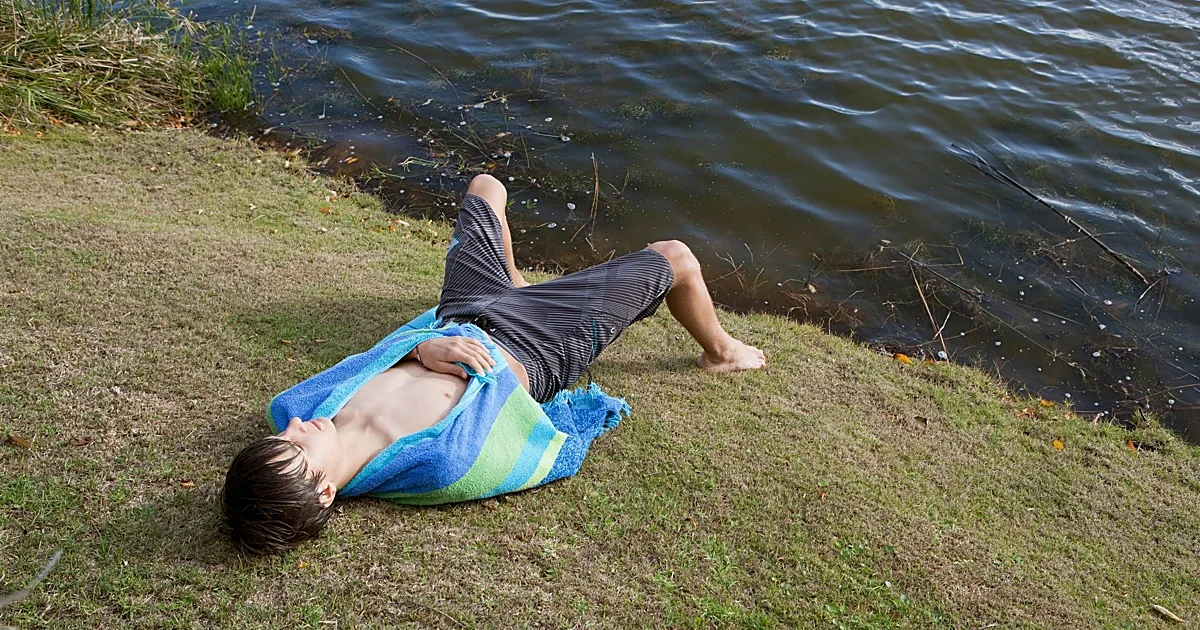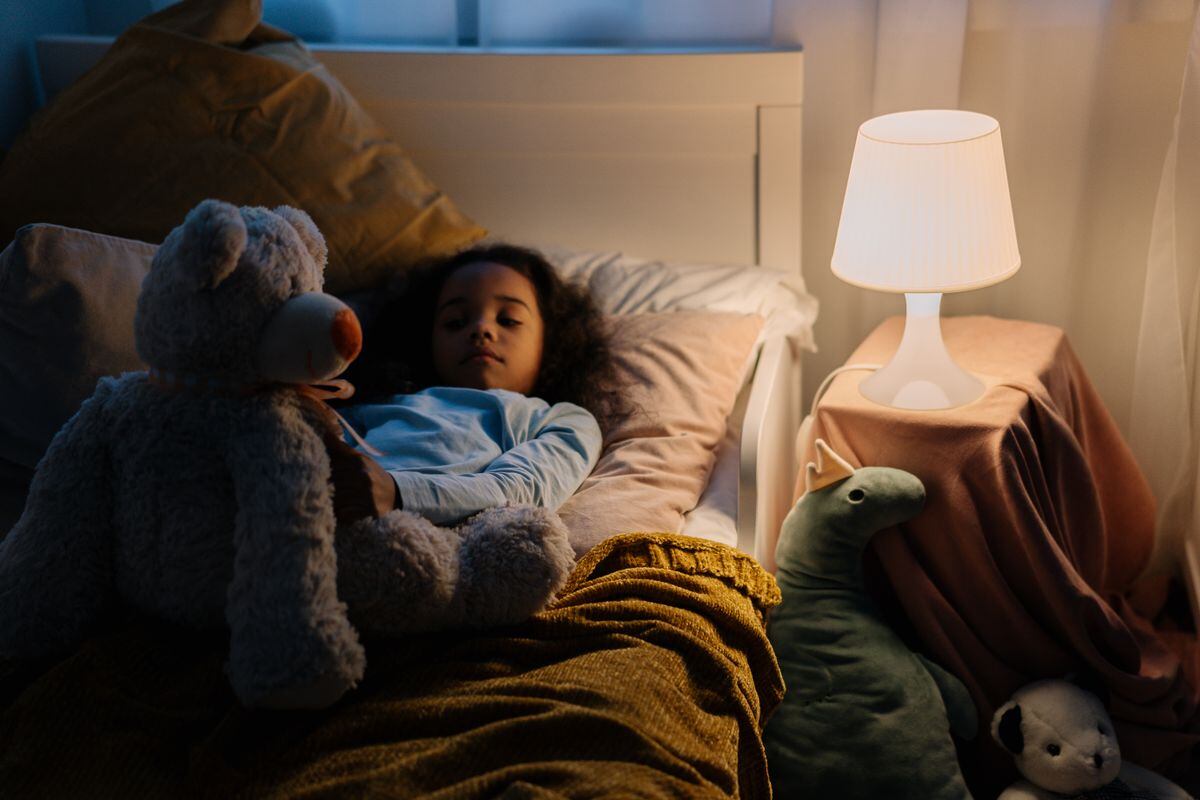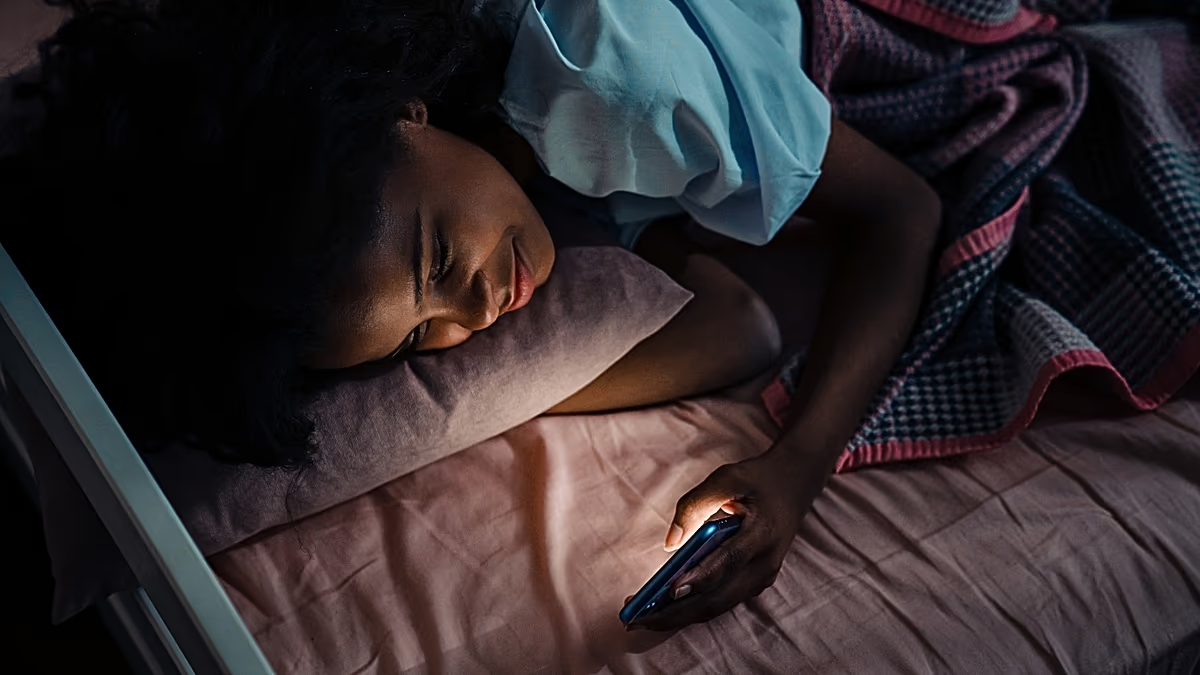
As school starts and routines return to "normal," many adolescents will struggle with early mornings after a summer of sleeping in and irregular holiday schedules. Throughout the school year, pupils count down to the weekend, hoping to recover the hours of sleep lost during the week — a pattern researchers call 'social jet lag'.
It is precisely the ‘social jet lag’ that might be negatively affecting young people’s mental health, a new study by the University of Southampton in the United Kingdom found. And with biological sleep changes occurring in adolescence, addressing youths’ sleep needs and even reconsidering school start times might be a way forward, researchers say.
The review included 12 studies, involving over 230,000 participants, and found that teens experiencing greater levels of ‘social jet lag’ are more likely to report higher levels of anxiety. It seems to be a vicious circle, as higher anxiety levels also predict greater ‘social jet lag ’, but the authors noted this is an association rather than a proven cause-and-effect relationship.
These findings highlight the importance of behavioural strategies that target healthy, regular sleep as a tool to improve mental health in adolescence, the authors wrote.