Academia
When potential outcomes are systemic and irreversible, preparation must precede certainty.
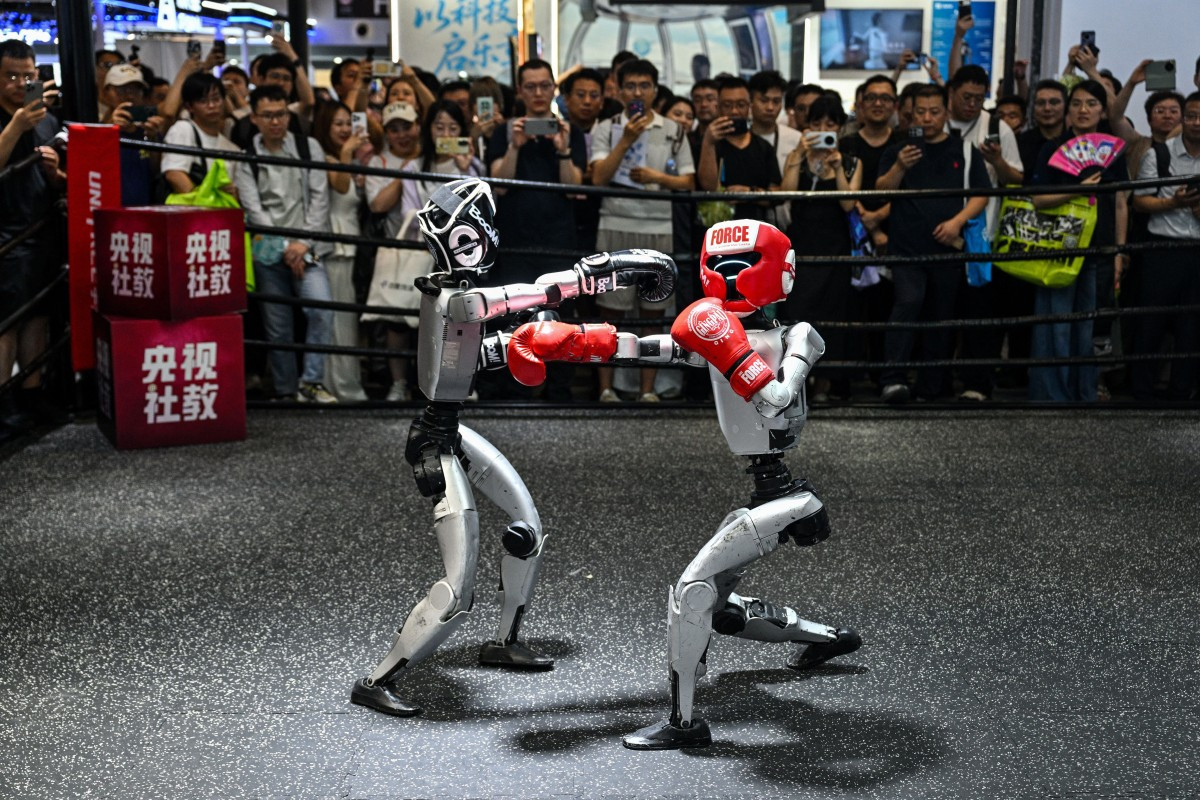
Humanoid robots controlled by a remote control by Unitree Robotics take part in a fight on July 18 during the World Artificial Intelligence Conference (WAIC) in Shanghai, China. (AFP/Hector Retamal)
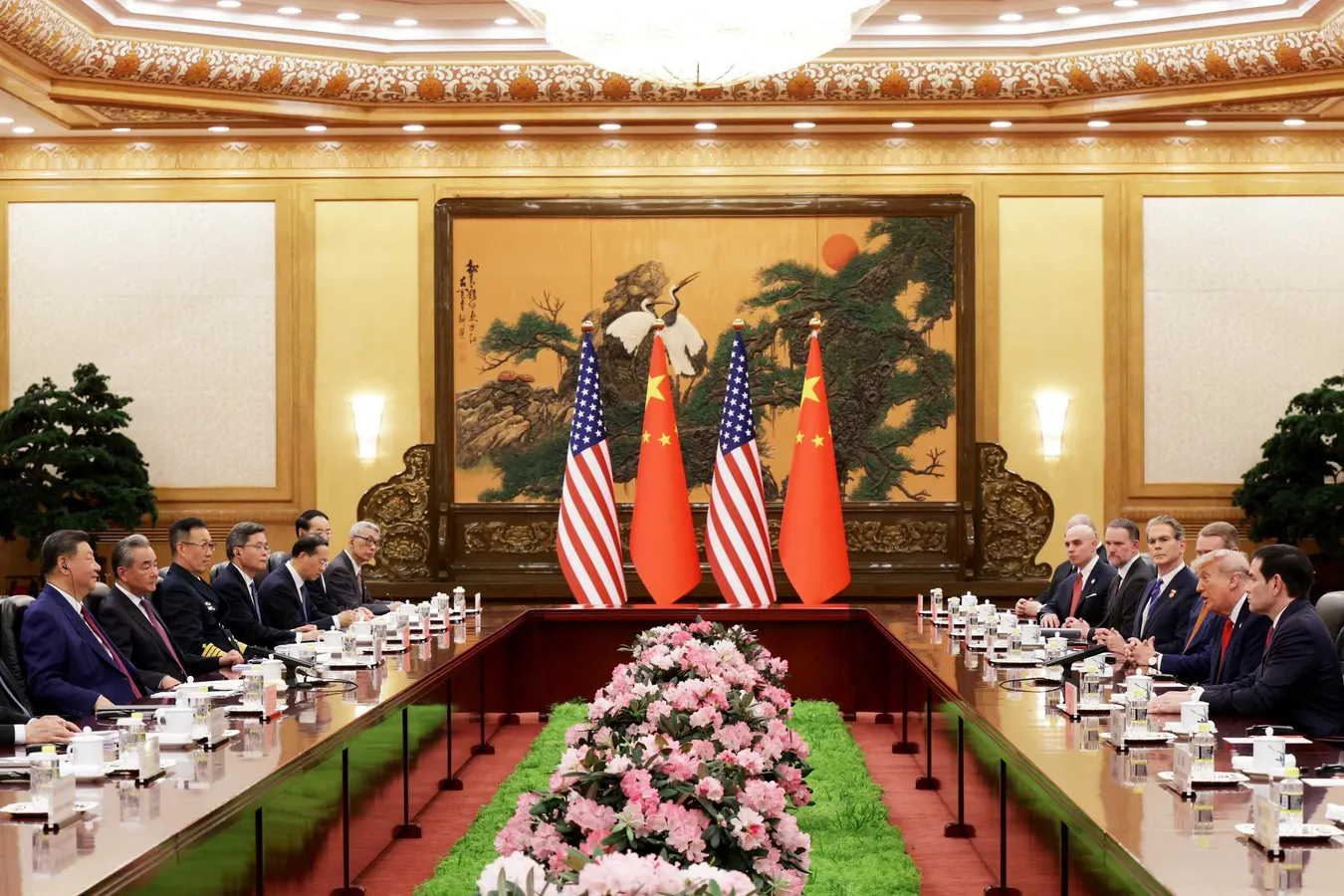
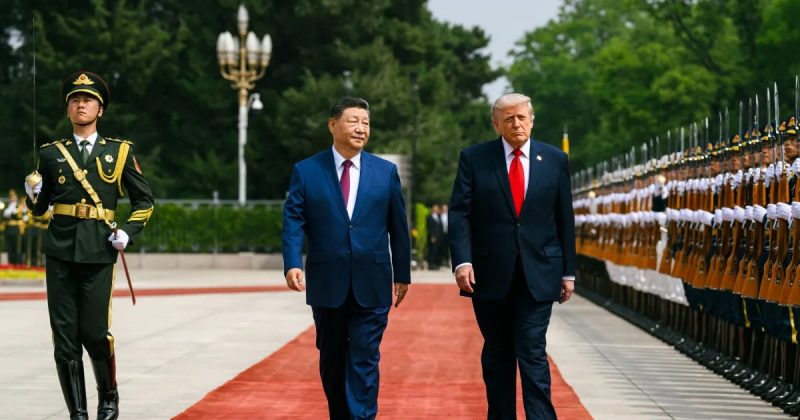
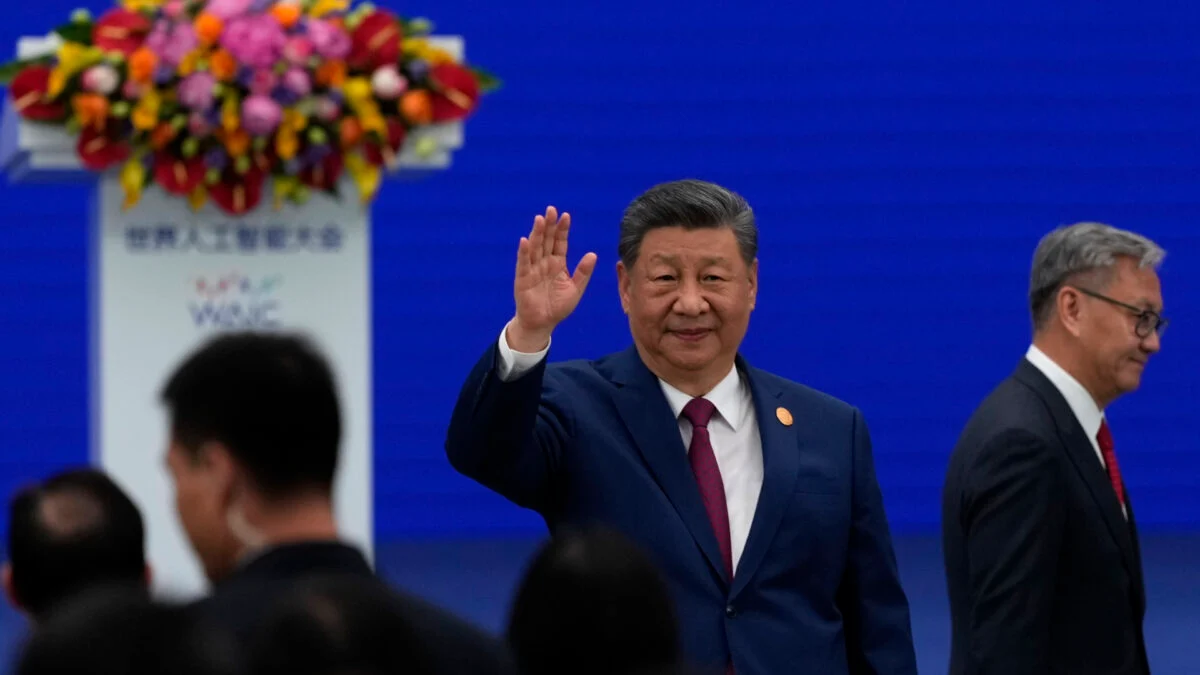
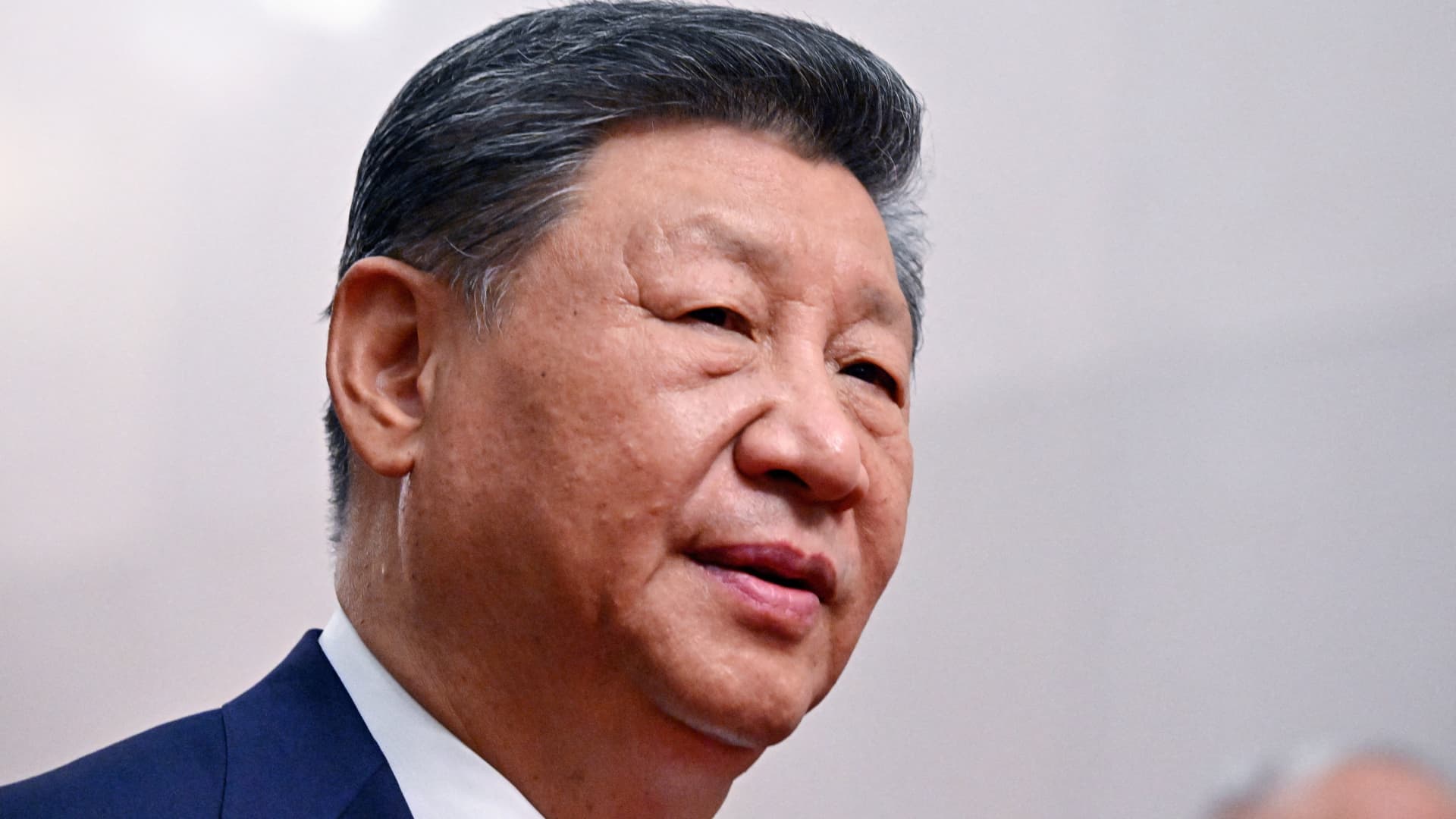
When Chinese President Xi Jinping and United States President Donald Trump meet in Washington this month, AI will be near the top of the agenda. If they view the issue through the lens of technological rivalry and mutual suspicion, reaching any kind of understanding will be nearly impossible. But there is a way to reframe their thinking about the technology that puts them on the same side — and marks the first step toward confronting the existential challenge AI may well pose.The current agenda for the US-China summit appears centered on keeping powerful AI models safe and out of the hands of terrorists and criminals. But crowding this goal are the two sides’ competitive grievances, from semiconductor restrictions (on the Chinese side) to open-source models and unauthorized distillation (on the US side).
All of these issues rest on a single, unexamined premise: that AI is a tool which is, and will remain, under control. This premise limits the conversation to questions such as, “How does my side gain a competitive edge in AI?” and “Who gets to access, let alone control, the technology?” Questions outside this premise — in particular, “What happens when the tool becomes something more?” — cannot be asked.