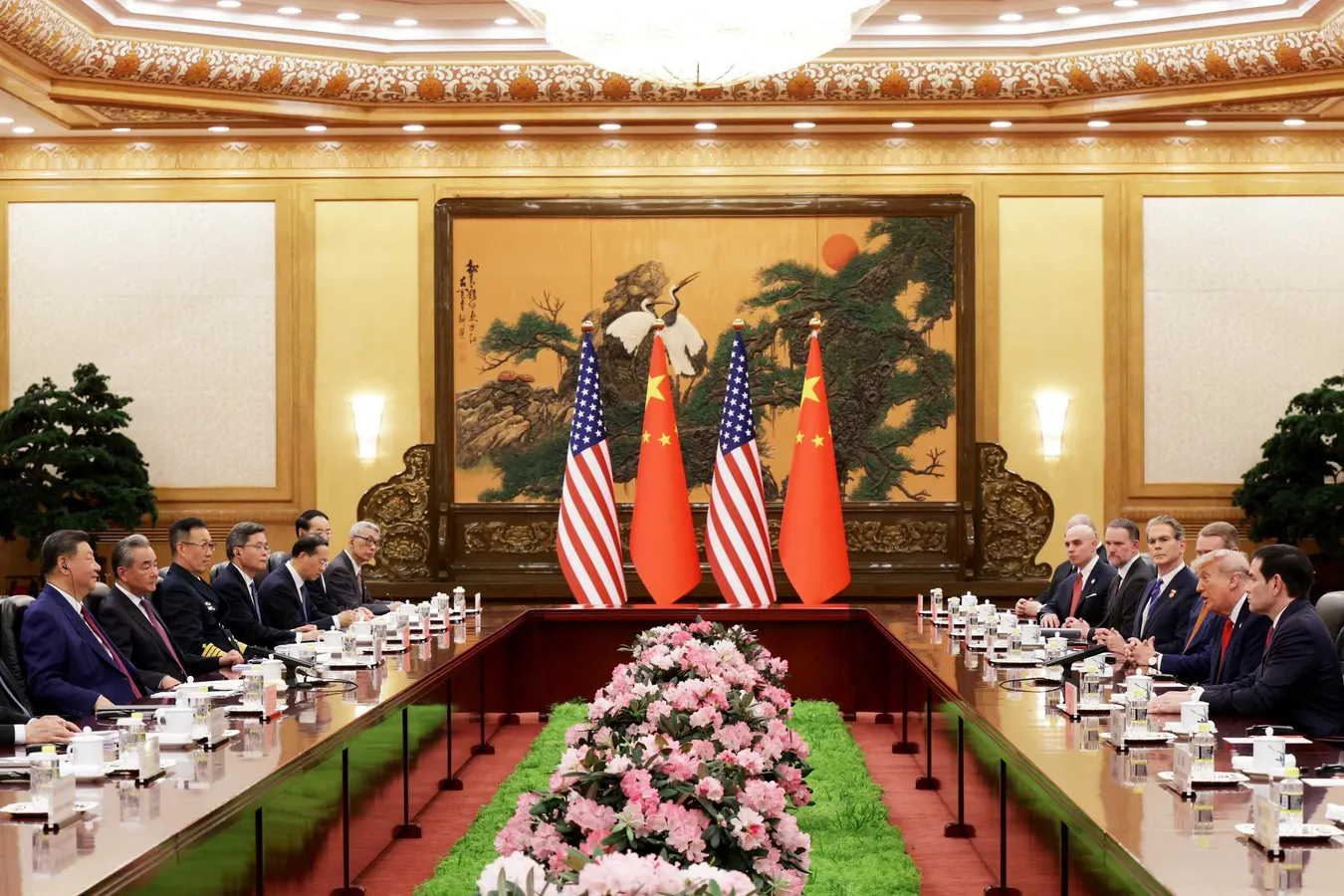
During U.S. President Donald Trump’s visit to Beijing in May, he and Chinese President Xi Jinping agreed to initiate an intergovernmental dialogue on artificial intelligence. The decision was significant. The last official AI dialogue between the two countries took place in May 2024, during the Biden administration. Given the extraordinary pace of AI development and the growing number of incidents involving frontier AI systems, it is remarkable that the world’s two leading AI powers have gone more than two years without an official conversation on one of the most consequential technologies of our time.
If this renewed dialogue is to succeed, then both governments need to move quickly and approach it with a clear sense of purpose.
There are encouraging signs that the two countries are beginning to converge on at least one issue: the importance of AI safety and security. Leaders of frontier AI laboratories on both sides of the Pacific have recently begun speaking more openly about preparing for the age of artificial general intelligence (AGI). In his first Substack post in July, Demis Hassabis, co-founder and then-CEO of Google DeepMind, argued that “urgent action is needed to address risks that might arise as we get closer to AGI.”