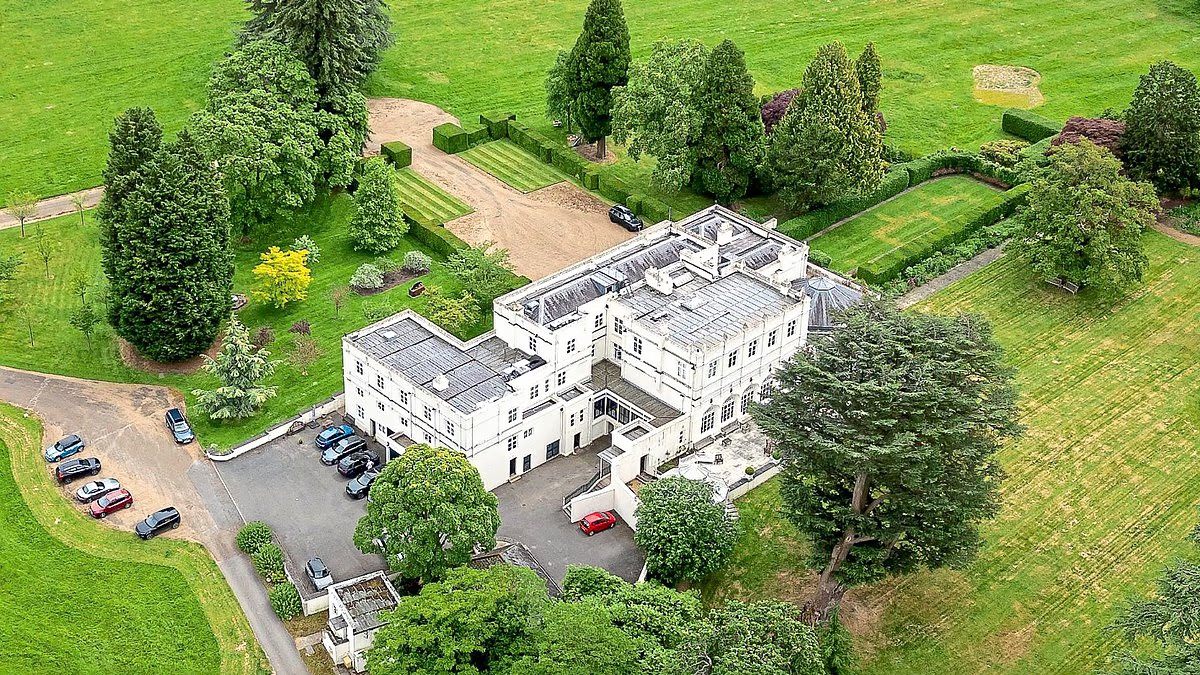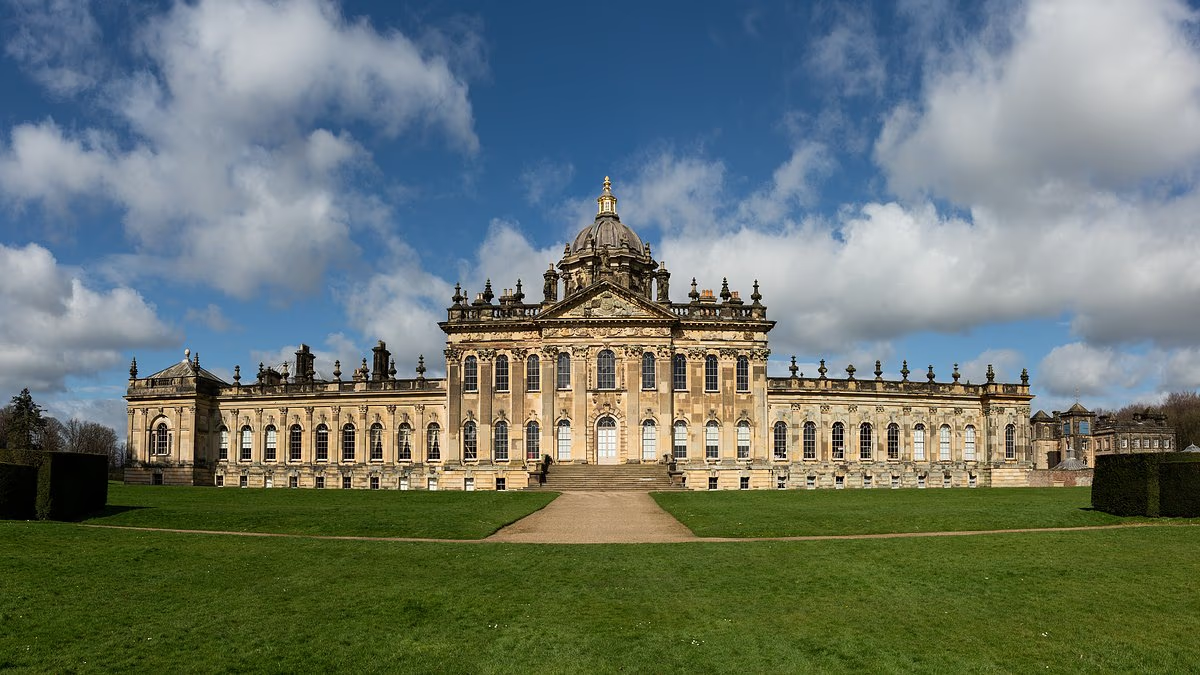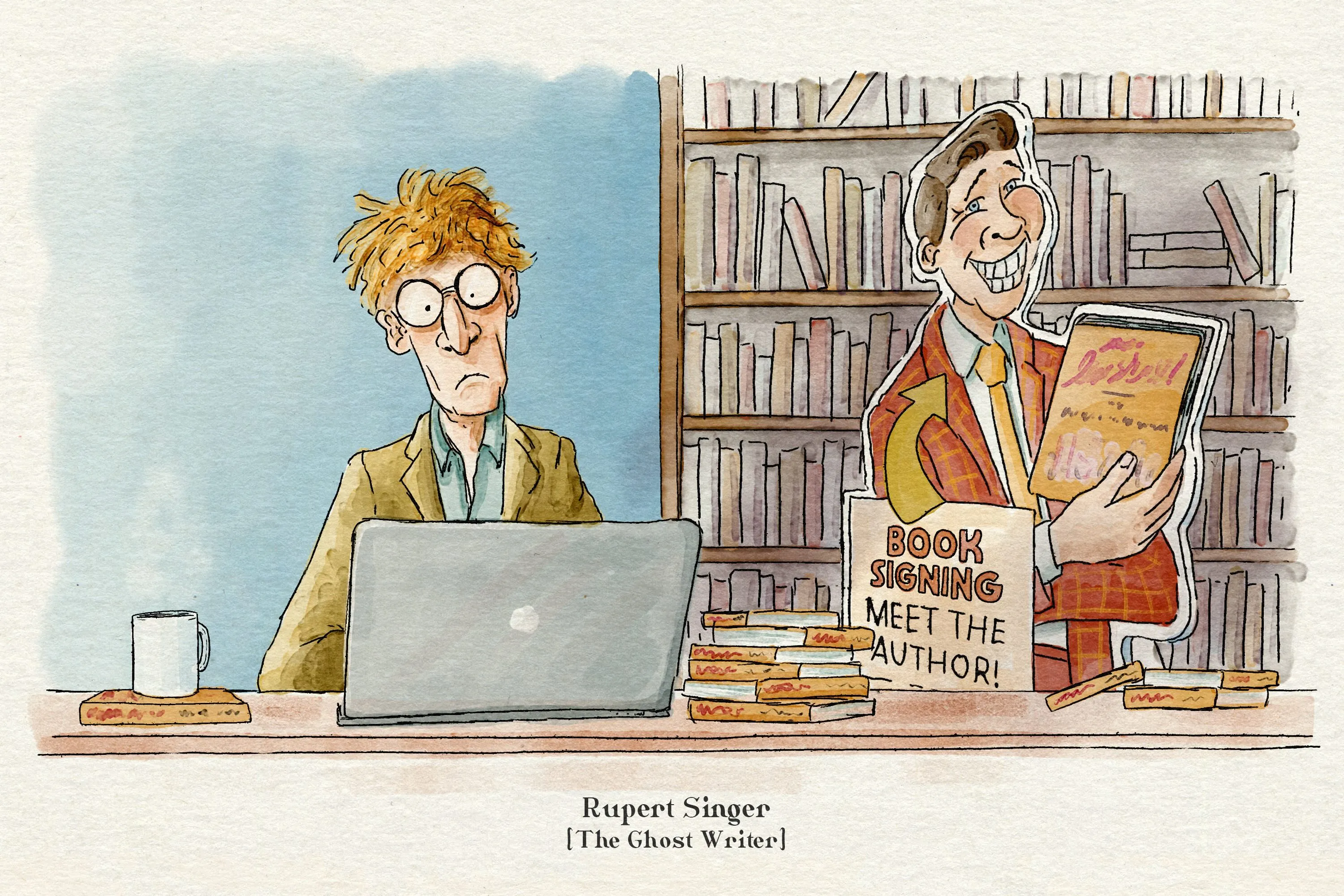
Ever since Brideshead Revisited, both the book and two television series, there has been a fascination with what some of us thought of as the last knockings of the country house, as once splendid aristocratic mansions sank beneath Nissen huts, mistreatment by the armed forces and lack of maintenance during the second world war. But what could this new book tell us? John Martin Robinson alone has published twice on the subject in recent years, and when I read that Judith Lewis’s was a gendered account, my heart sank.
But I was wrong. Scholars have tended to overlook the tragedy that requisitioning put on the women for whom a country house was not just an ancestral possession, an expression of power or a grand accumulation of works of art, but a home. If their husbands or sons died serving their country and the laws of primogeniture meant that the estate passed to a cousin, those who may have been staunchly doing their bit in surreal circumstances found themselves out on their ear.
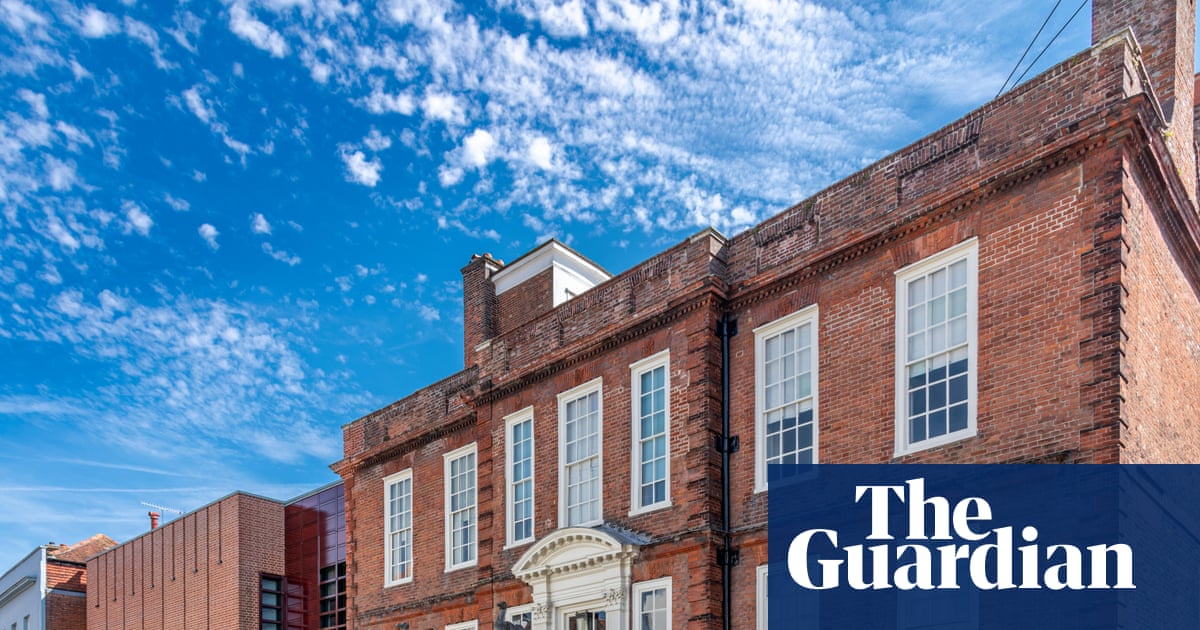
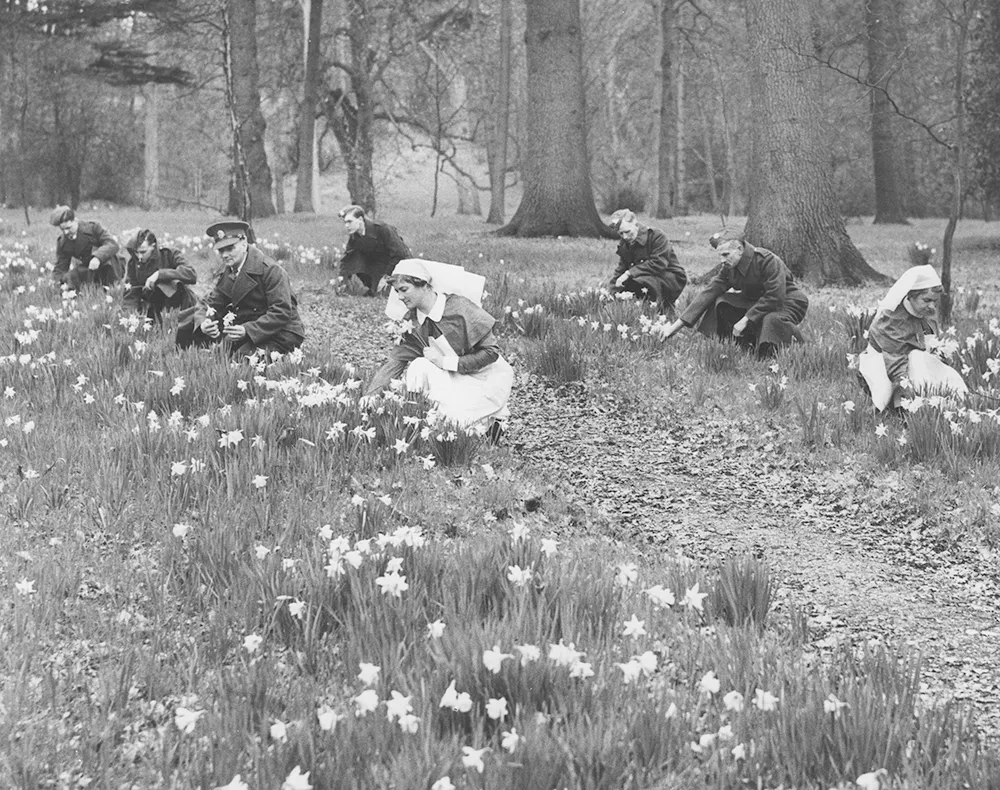
Lady Braybrooke’s annus horribilis was 1941, when her husband died and the requisitioners demanded her instant removal from Audley End, the vast Jacobean house she’d been living in since 1917. Both her sons were then killed in action. One might have thought she had suffered enough, but the childhood home to which she retreated on the south coast of Devon was next to a beach very like one in Normandy. Field Marshal Montgomery needed both it and the house to rehearse the D-Day invasion. So she was on the move again, accompanied by two dispossessed sisters and a flock of poultry. They came to roost on the edge of the Audley End estate, living among the agricultural workers over whom, in the nicest way, she had previously held sway. Today, English Heritage displays a plaque to the Polish airmen who were stationed in the house, but its infinitely suffering former chatelaine goes unremembered.