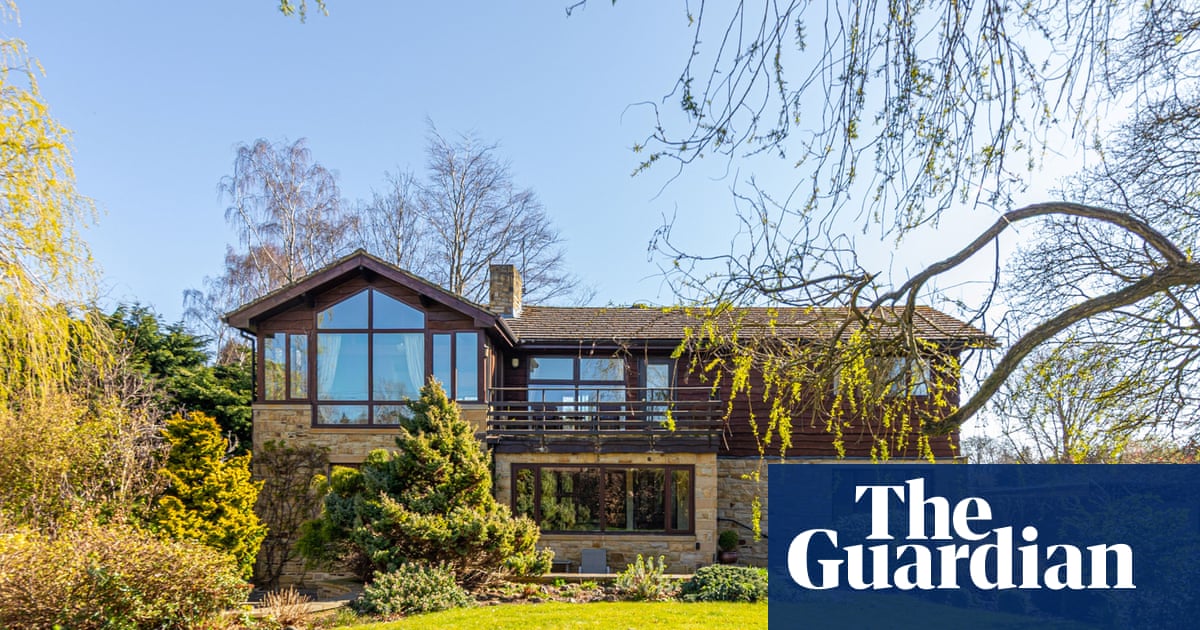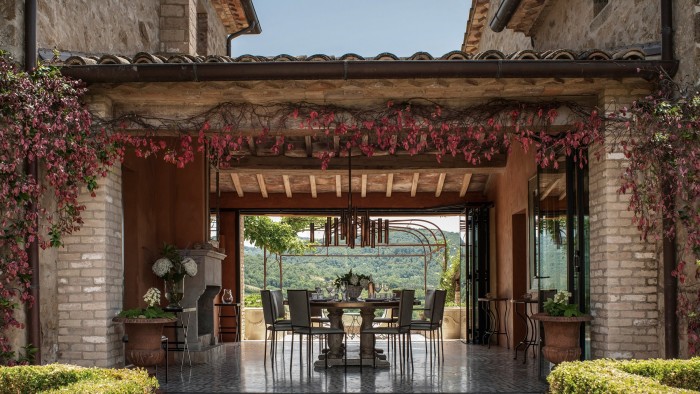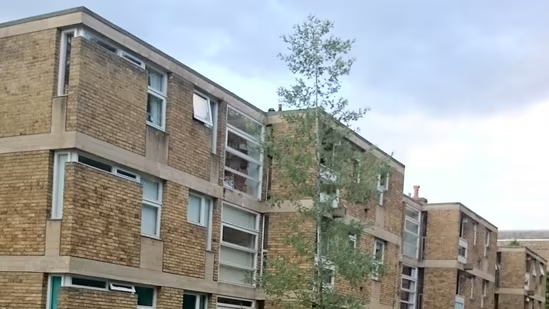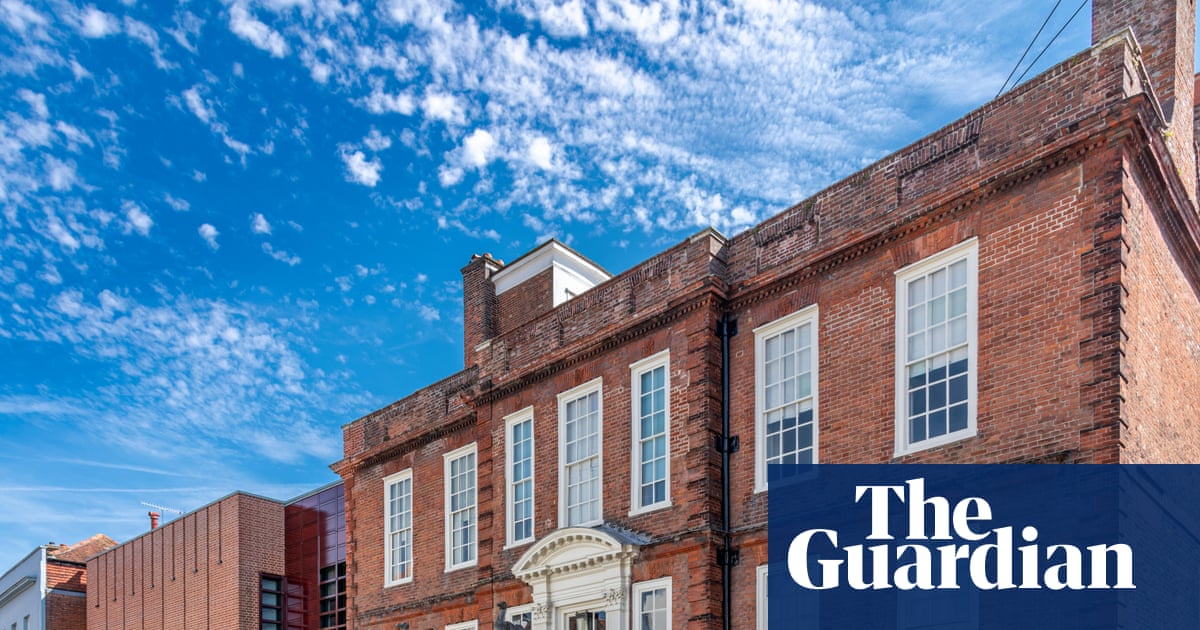
A deep dive into the creation of eight buildings from the 1700s to the 1900s tells some very human stories
H
istory used to be about wars and dates, but to the architecture writer and TV presenter Dan Cruickshank, it’s more about floors and grates. In his new book, he takes a keen-eyed tour of eight English houses, from Northumberland to Sussex, dating from the early 1700s to exactly 100 years ago, and ranging from an outlandish gothic pile to one of the first council flats. In Cruickshank’s pages, classical influences from Rome and Greece give way to a revival of medieval English gothic and the emergence of modernism.
He is particularly interested in who commissioned and built his chosen dwellings, and how they got the job done. It’s a new spin on the recent fashion for historians to explore the homes of commoners, as opposed to royalty and aristocrats, in order to tell the life stories of their occupants. This probably began with the late Gillian Tindall, who wrote a highly original book about the various tenants of an old house by the Thames next to the rebuilt Globe theatre. That was followed by several series of A House Through Time, fronted by Traitors star David Olosuga.
At first sight, Cruickshank seems to have set himself a thankless task – and dragged the reader into it alongside him. When it comes to establishing how early buildings went up, there isn’t a lot to go on. “Few contemporary or intimate documents – such as letters or diary entries – survive in significant number that chronicle [their] creation,” he says. But all is not lost. “What does survive are building accounts that list names of tradesmen, sums charged and dates on which bills were paid.” He concedes that this throws up “somewhat arid evidence”, and he isn’t kidding: for lengthy stretches, “The English House” is constructed out of yellowed builder’s dockets mashed up with dense architectural jargon (“… a semi-elliptical colonnade formed by four free-standing Ionic columns supporting a full entablature and flanked by pedimented door surrounds”). Cruickshank could be forgiven for wishing that his book was accompanied by a TV series – with graphics to explain various construction techniques – and if so, he wouldn’t be the only one.