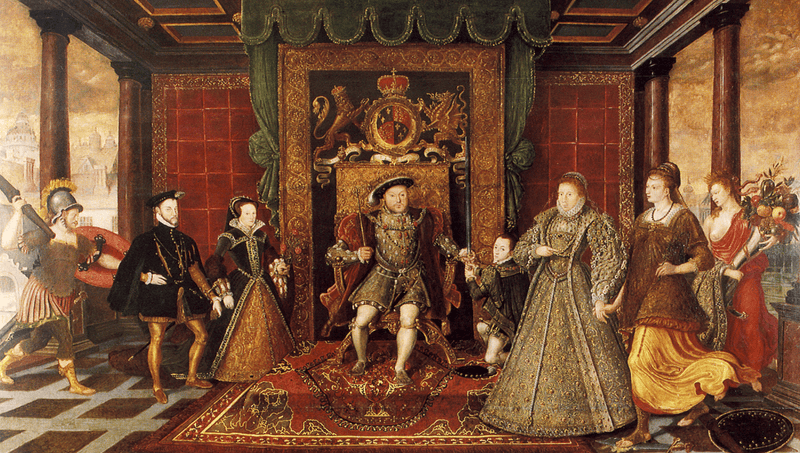
The late Hilary Mantel often spoke of an experience she had as a 12-year-old girl in Cardinal Wolsey’s closet in Hampton Court Palace. It is a small room, one which we now know he may never have entered, with linen-fold wood panelling and frescoes showing scenes from the Passion of Christ. It awakened something in Mantel. “Maybe I should never leave this room. Maybe I should just sit on the floor,” she recounted in her 2017 Reith lecture. “That’s my life.”
Of course, it did become her life. “It’s strange to me I have in fantasy fulfilled what I imagined that day,” she continued. “I have, as it were, seen Wolsey sitting by the fireplace, and I have leaned my elbow on the windowsill and I have conversed with him.”
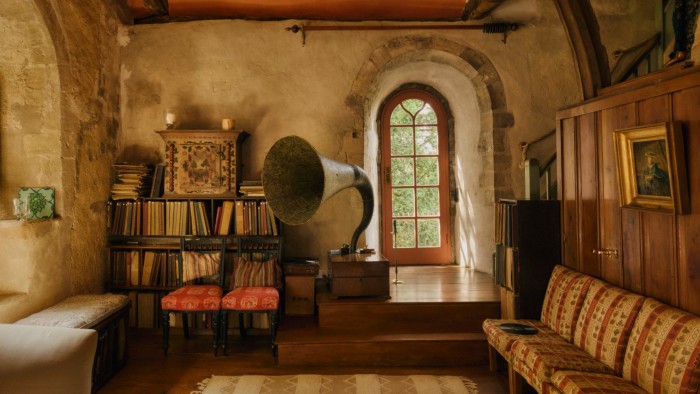
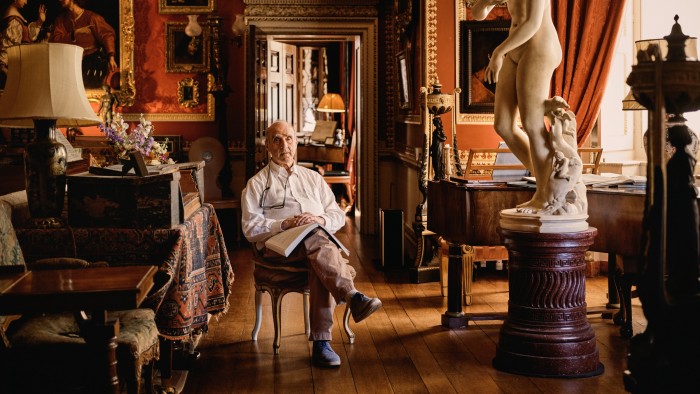
The Dining Room at Raby Castle, County Durham © Mark Anthony Fox
Mantel’s life is an exceptional case, but I think many of us will recognise the experience she was describing. Historic houses invite us to let our imaginations wander. They are history we can walk through, and the fiction is left to us. I have always loved to visit. I know intimately the Great Hall of Hampton Court Palace, the bathroom of Ham House, the basement kitchen of Anne of Cleves House and so many more shadowy corners of these grand places. But writing my first novel, May We Feed the King, which centres on a reclusive curator commissioned to arrange scenes in historic buildings, invited me to look at them in a slightly different way. What gives a big old house that transportive quality, of having plucked you from your surroundings and deposited you in a room that still feels alive?