Exclusive: Underdrawing suggests attempt to debunk myth that former wife of Henry VIII had sixth finger
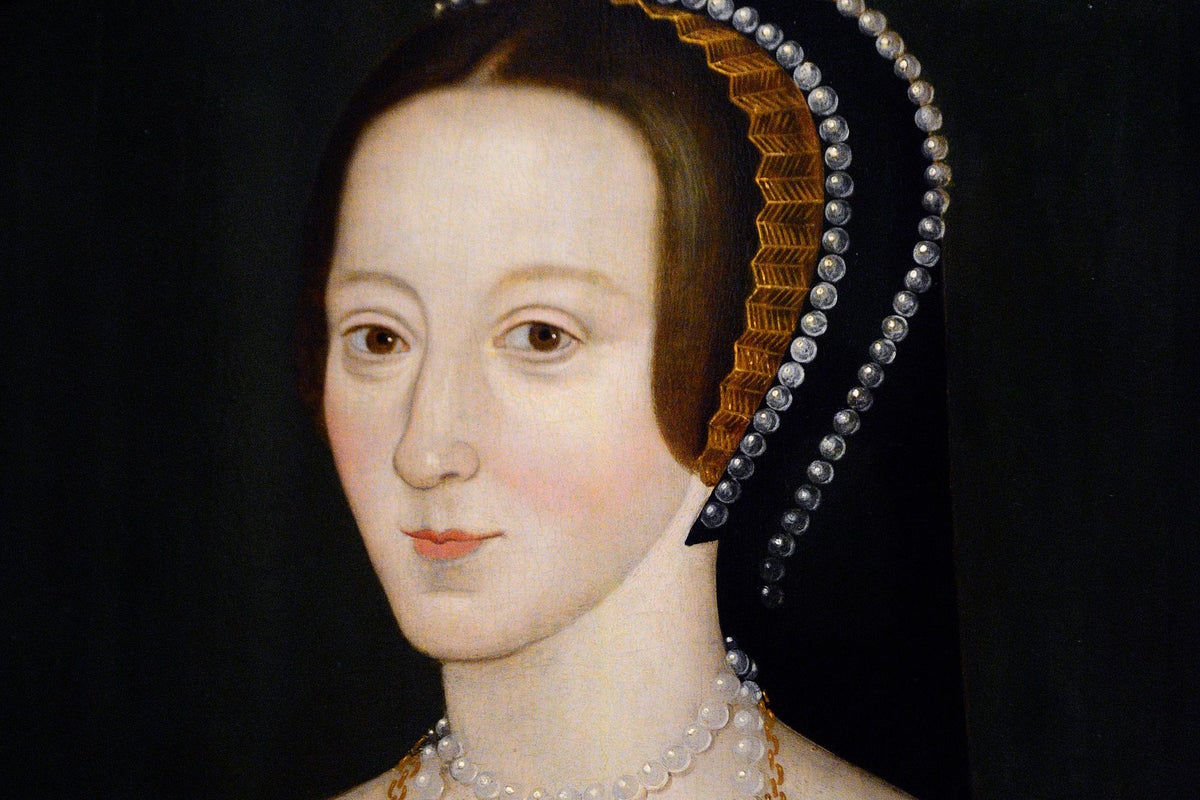
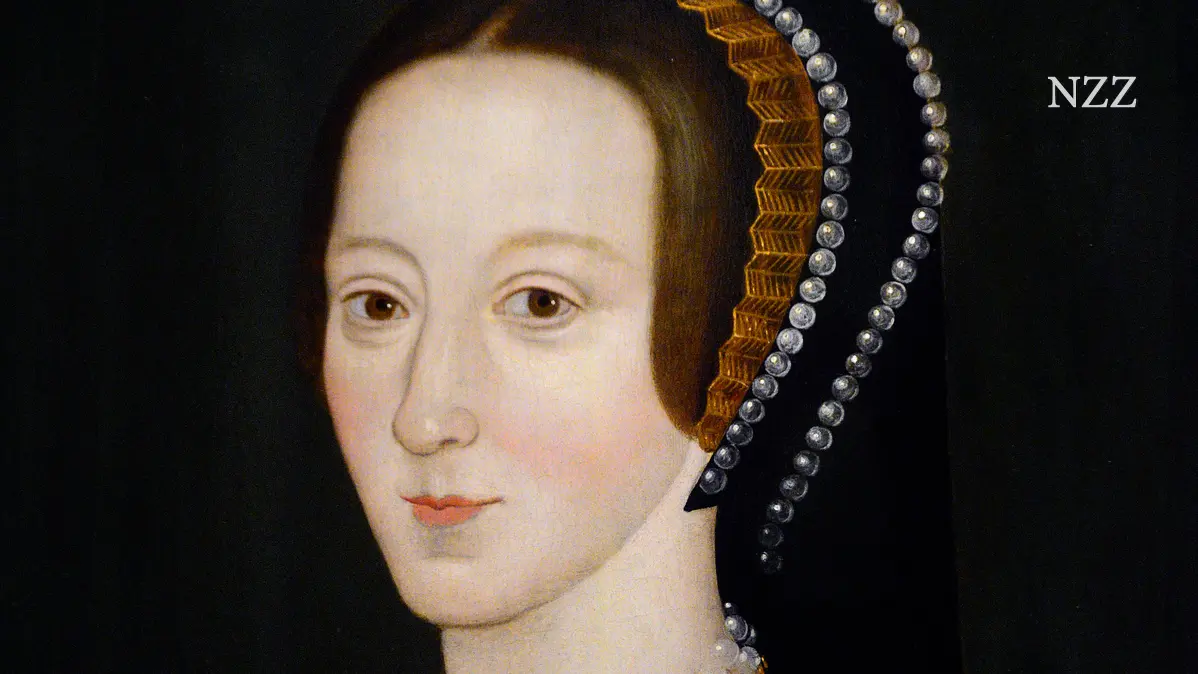
Anne Boleyn’s Hever “Rose” portrait is one of history’s most iconic faces, with her “B” pendant, her French hood, her dark eyes and a red rose in her right hand. Now a secret that has remained hidden for nearly 500 years has been discovered beneath the layers of paint.
Scientific analysis of the painting at Hever Castle, her childhood home in Kent, has uncovered evidence that an Elizabethan artist sought to create a “visual rebuttal” to claims that Henry VIII’s ill-fated wife was a witch with a sixth finger on her right hand.
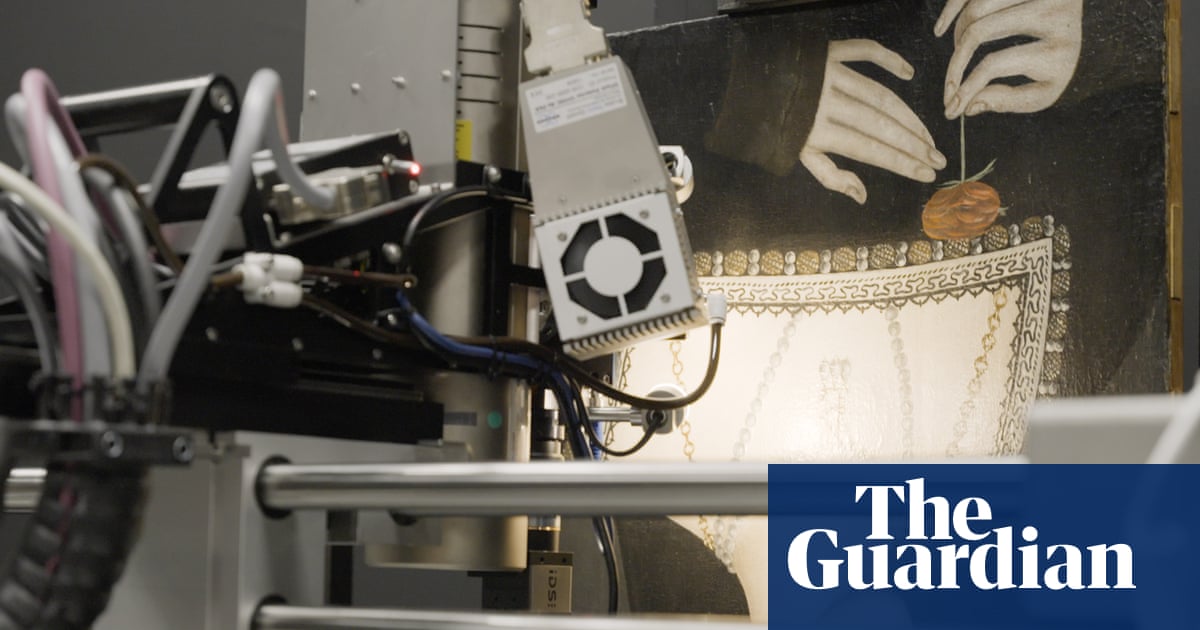
While dendrochronological or tree-ring analysis has dated the oak panel to about 1583 – within the reign of Anne’s daughter, Elizabeth I – infrared technology has uncovered a dramatic underdrawing.
A discarded triangular form beneath Anne’s right arm is thought to record the precise moment that the artist departed from an inherited design, deciding instead to show Anne holding a red rose, with her hands and fingers clearly visible.