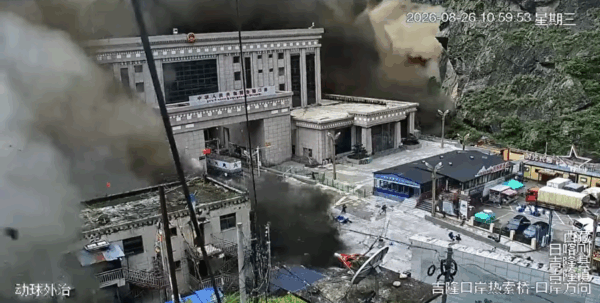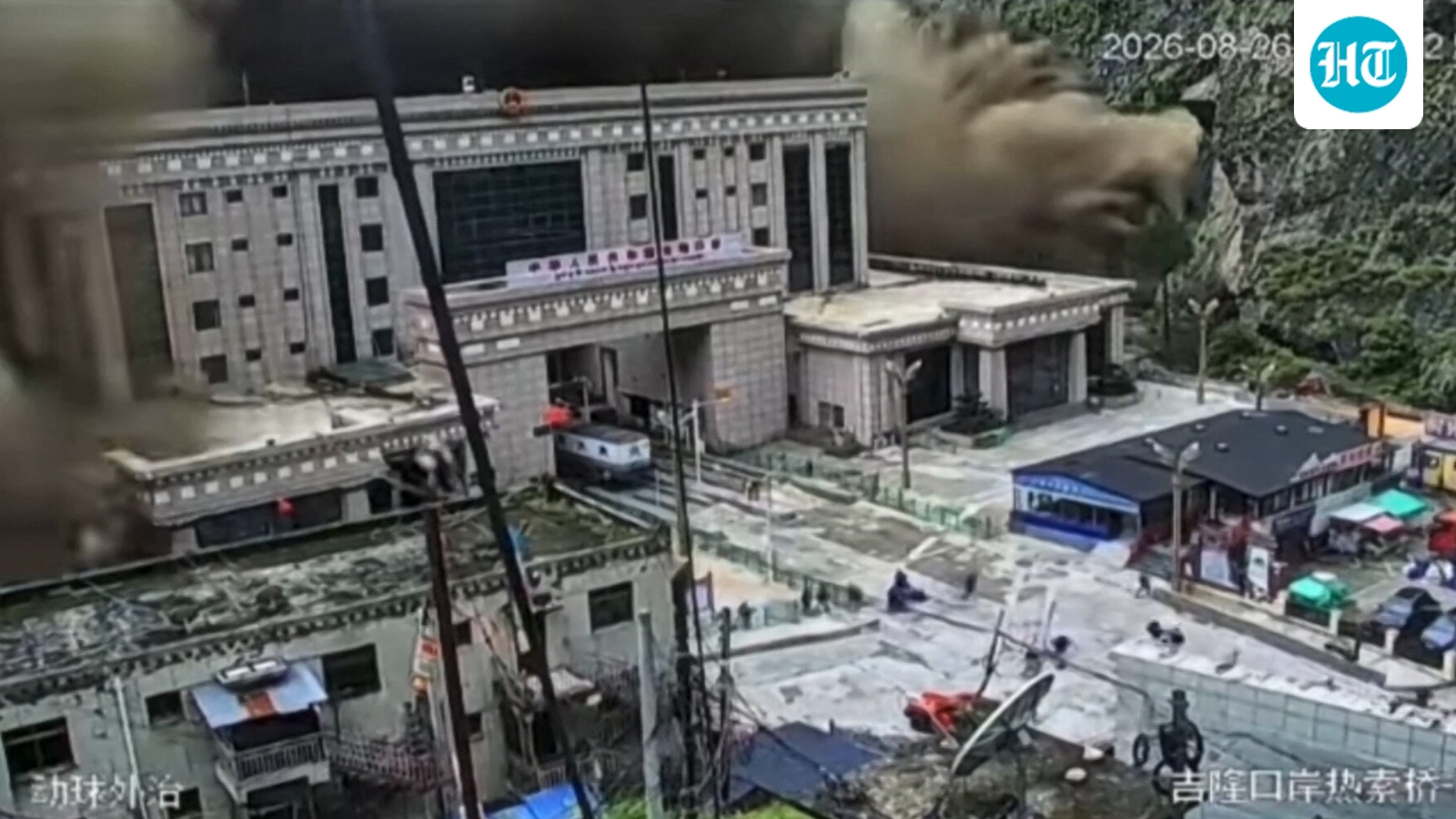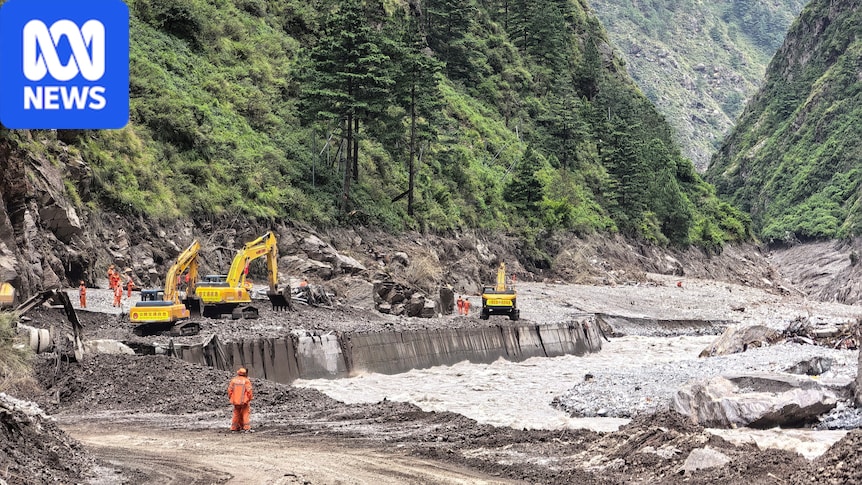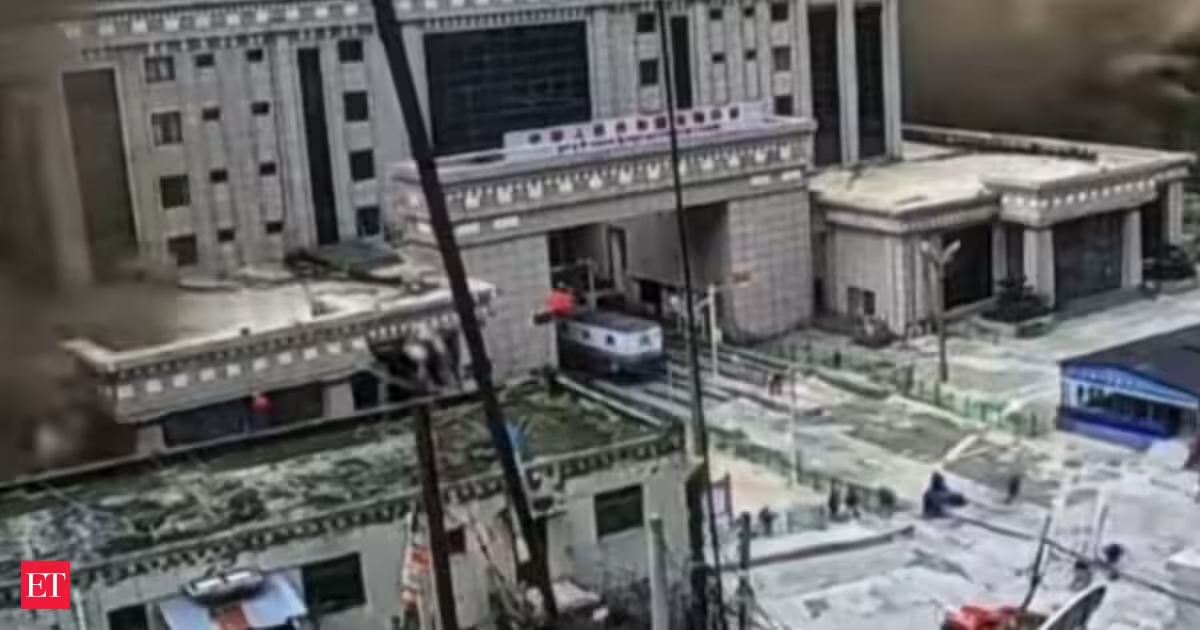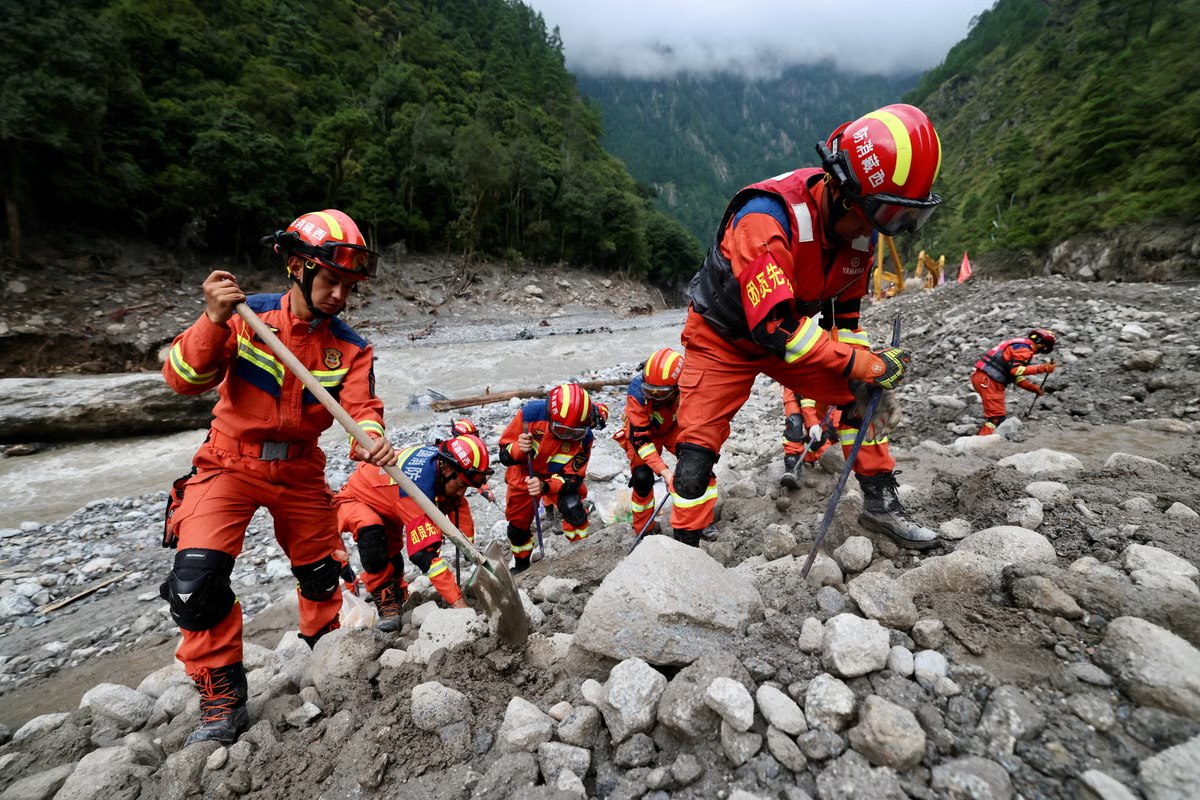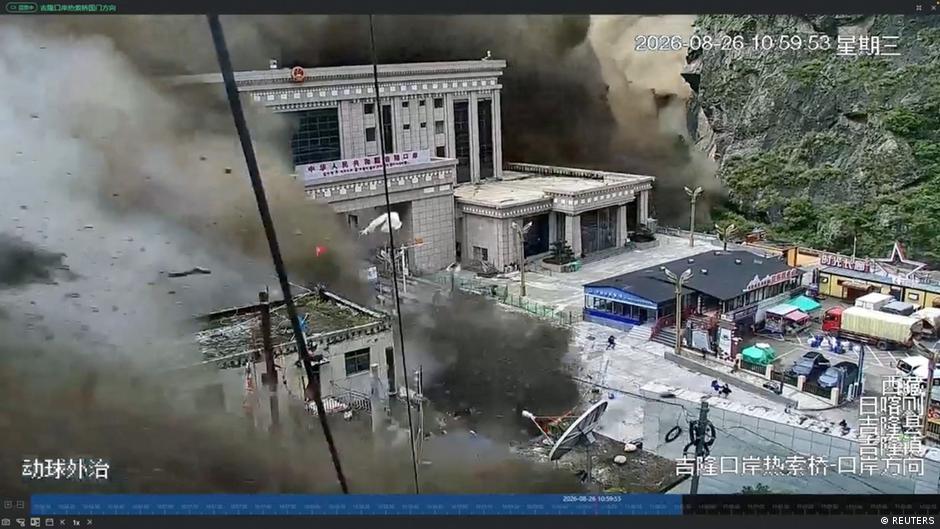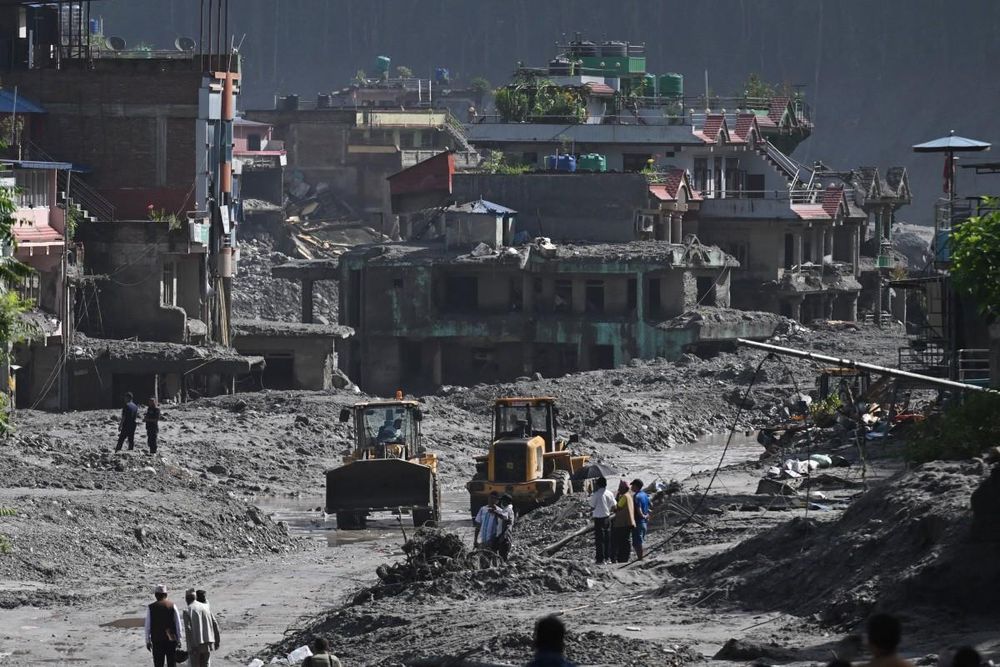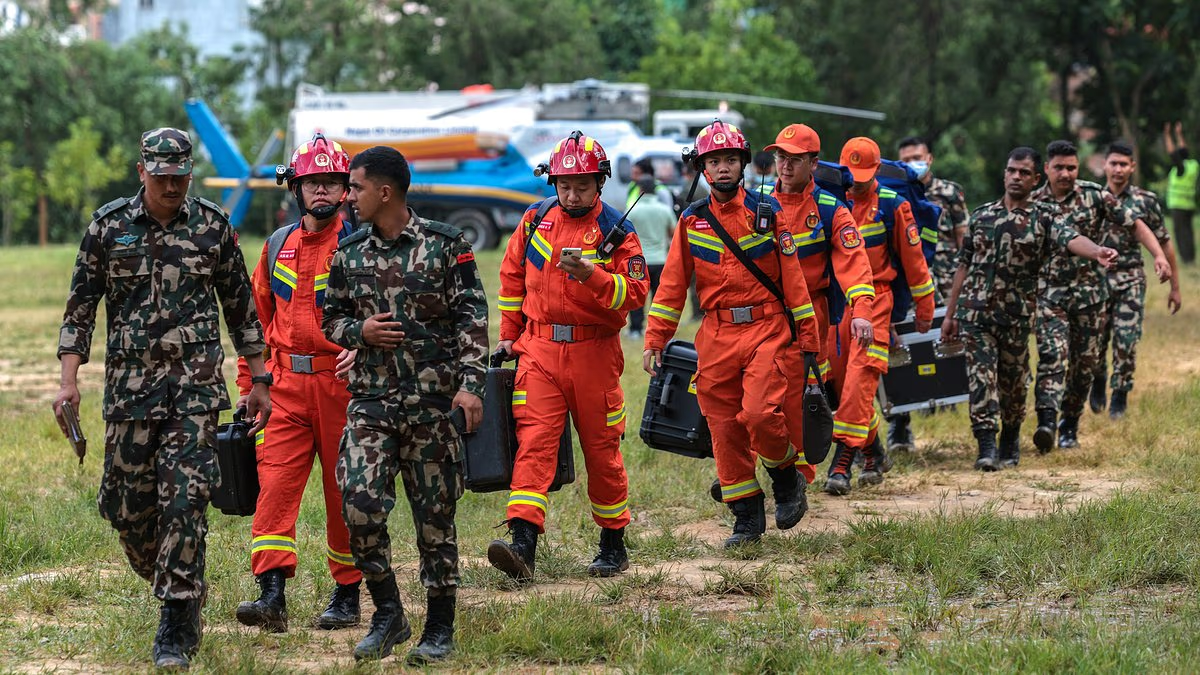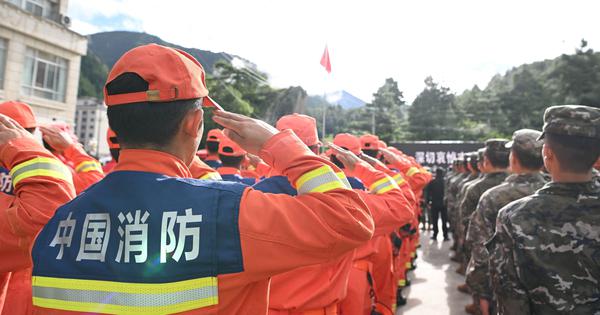
As rescue efforts have continued on both sides of the border following the devastating floods in Nepal and Tibet, a fight over how the disaster is being reported has been growing in intensity on social media.The dispute centres on the claims and counterclaims following a story by the BBC’s China correspondent, Laura Bicker, about how China is censoring videos of the floods.Bicker said videos of the landslide and flood surge sweeping through Gyirong Port on the border was scrubbed from the internet, in part, because Beijing fears instability in the politically sensitive region of Tibet.Some social media users, however, have posted screenshots of the footage used by the BBC, pointing out it had actually been shown in the Chinese media. One Chinese journalist put it bluntly: “Never seen the BBC spread rumours so blatantly”.Another X user said the “middle ground often gets lost” in heated debates like this over Chinese censorship.The Chinese government has long complained about what it sees as Western media “bias” in reporting on Tibet. Its supporters seem to have doubled down on this narrative this week on social media, zeroing in on the BBC.But Chinese social media users, both inside and outside China, have long dealt with the authorities exercising control over information. This has certainly been the case in the aftermath of the floods, too.As Bicker noted in her report, the most concrete example is the deletion of videos showing the massive wave of mud and water swallowing Gyirong Port. The footage was initially circulated on the platforms Weixin and RedNote, but users later could not access it.Another form of control has been the restricted access for independent and foreign journalists. Allyson Horn of the Australian Broadcasting Corporation said she had made repeated requests to travel to Tibet, but was denied. Other foreign journalists have similarly been blocked.This makes it difficult, if not impossible, for foreign media to independently verify the Chinese government’s account of what happened there.The absence of independent reporting, combined with the removal of footage from social media, has allowed the Chinese state media to dominate the narrative.How Chinese media are covering the disasterThis reflects a longstanding tendency in Chinese media to avoid material that could cause social instability or public panic.Coverage of the Tibet floods by the state-controlled media has focused heavily on the People’s Liberation Army rescue operations, President Xi Jinping’s leadership during the crisis and Premier Li Qiang’s visit to the disaster zone.
Tibet floods: China is keeping tight control over the narrative by deleting videos, censoring news
It reflects a longstanding tendency in Chinese media to avoid material that could cause social instability or public panic.
1,010 words~5 min read