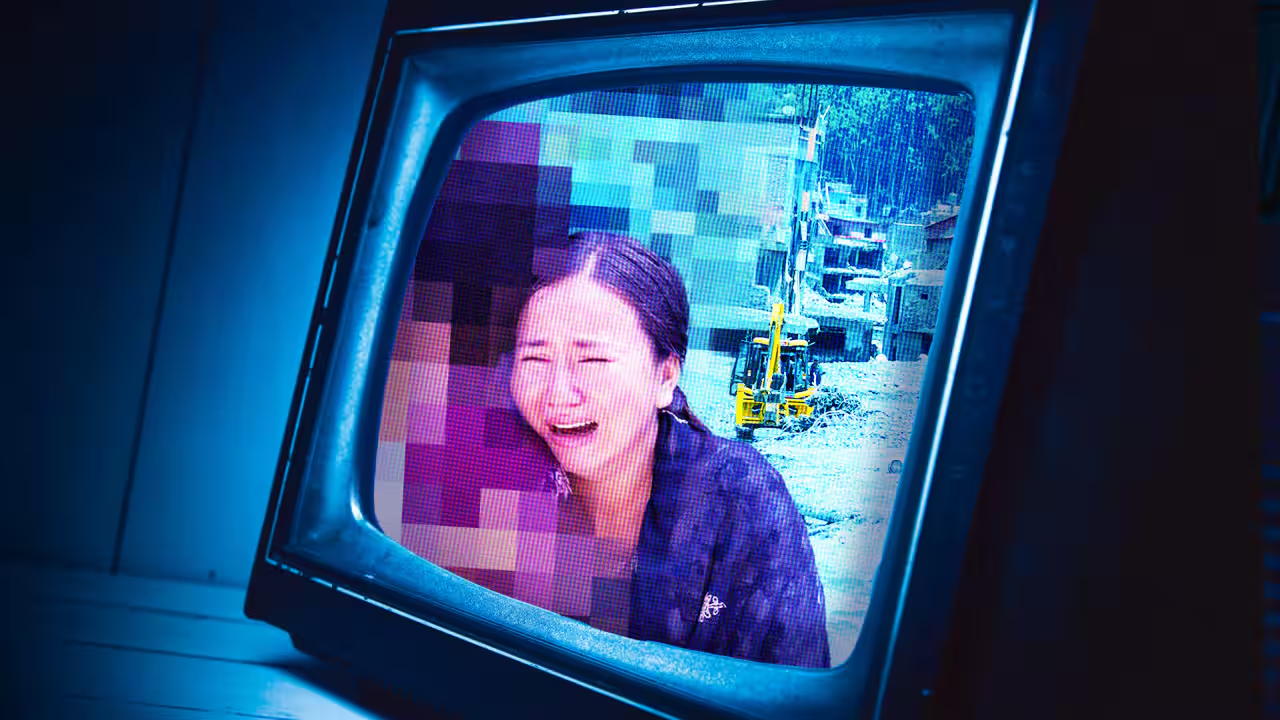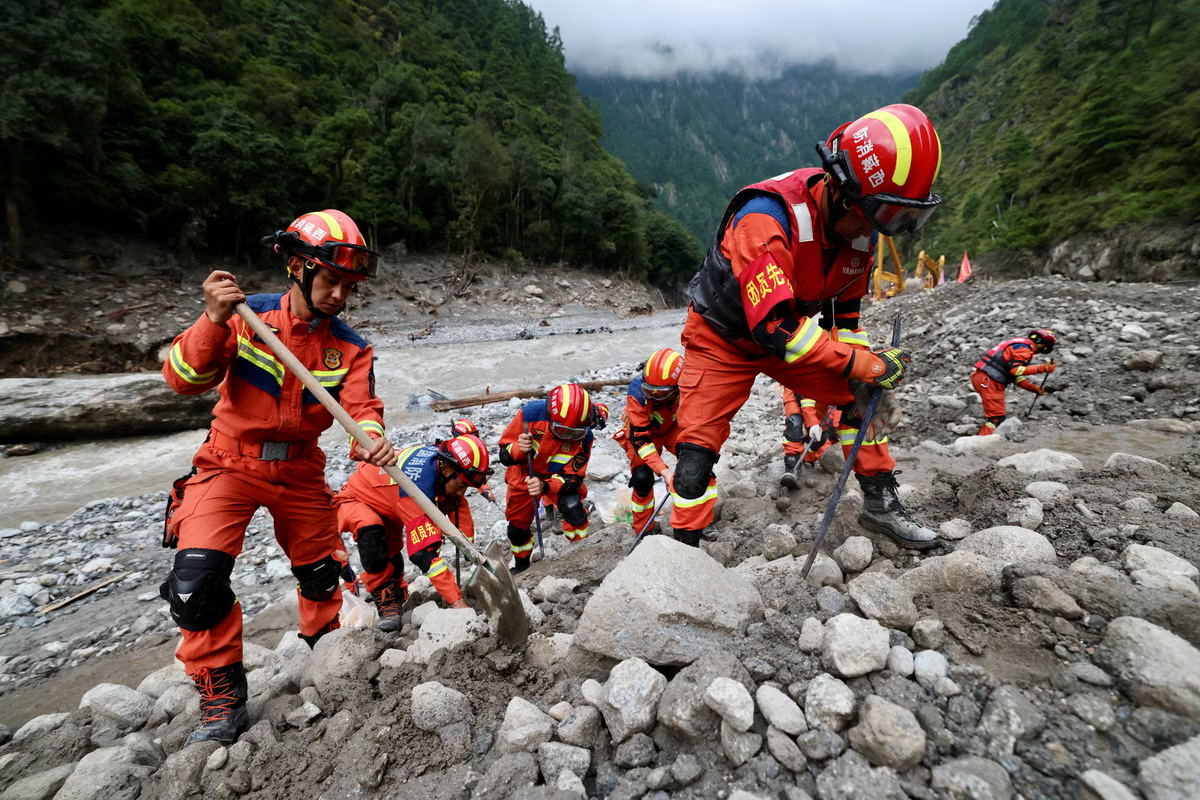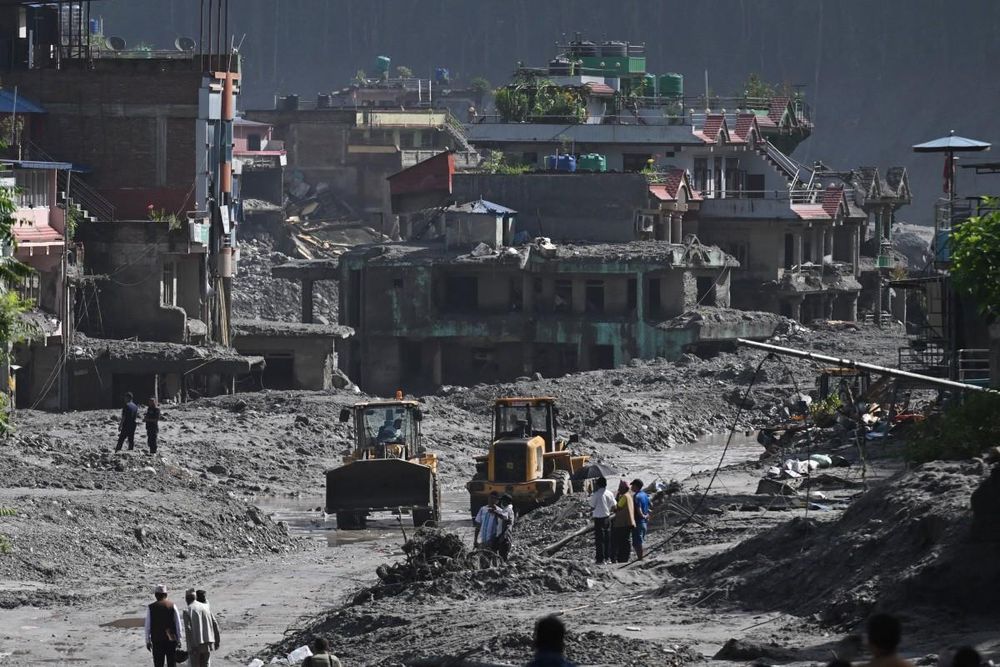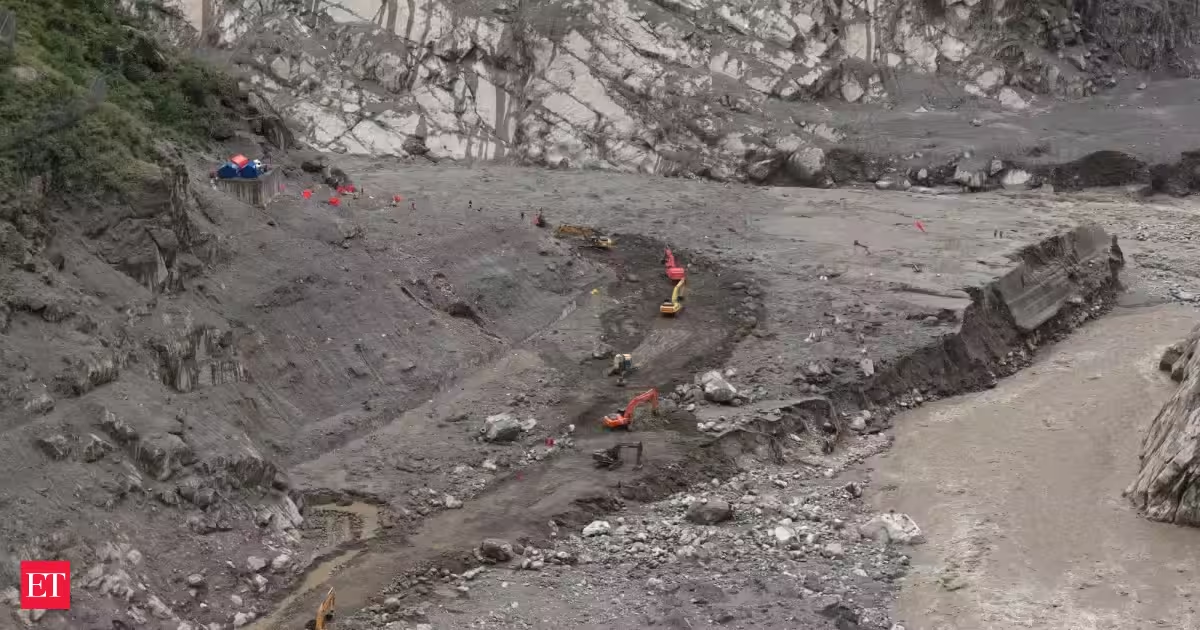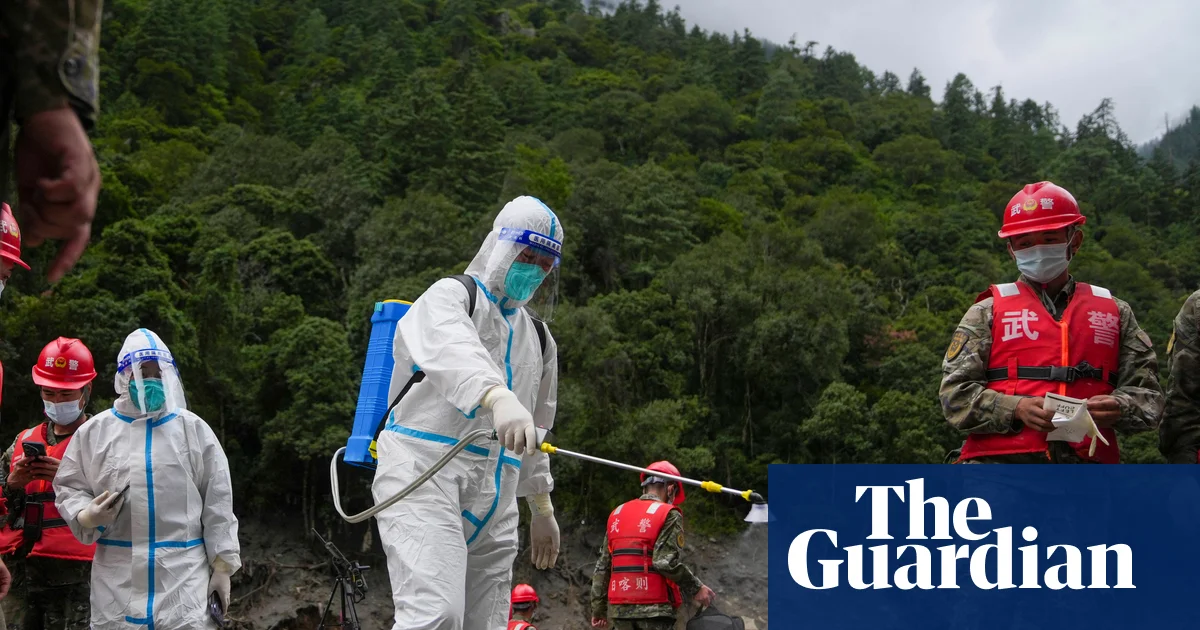
As rescue efforts have continued on both sides of the border following the devastating floods in Nepal and Tibet, a fight over how the disaster is being reported has been growing in intensity on social media. The dispute centers on the claims and counterclaims following a story by the BBC’s China correspondent, Laura Bicker, about how China is censoring videos of the floods.
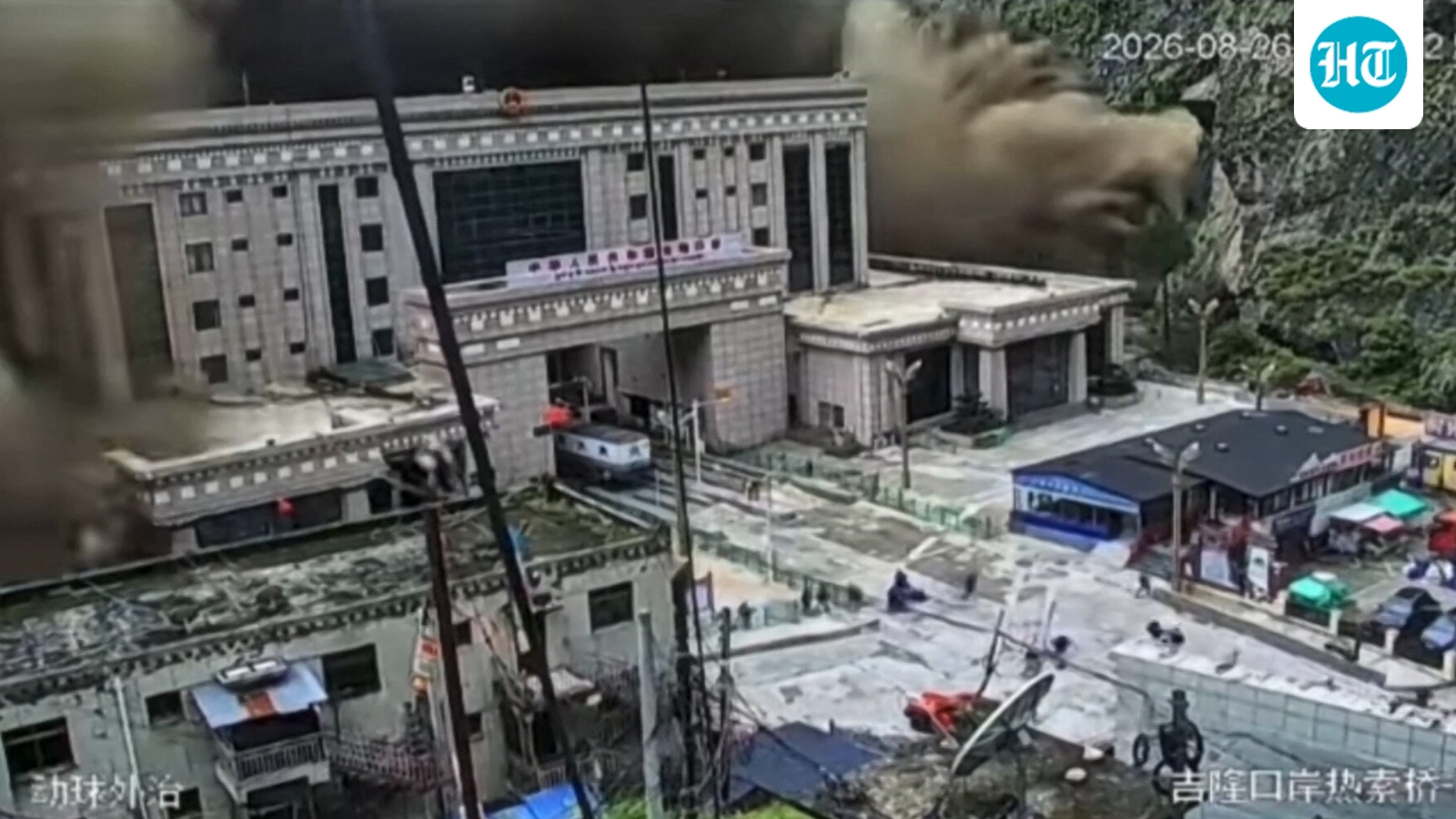
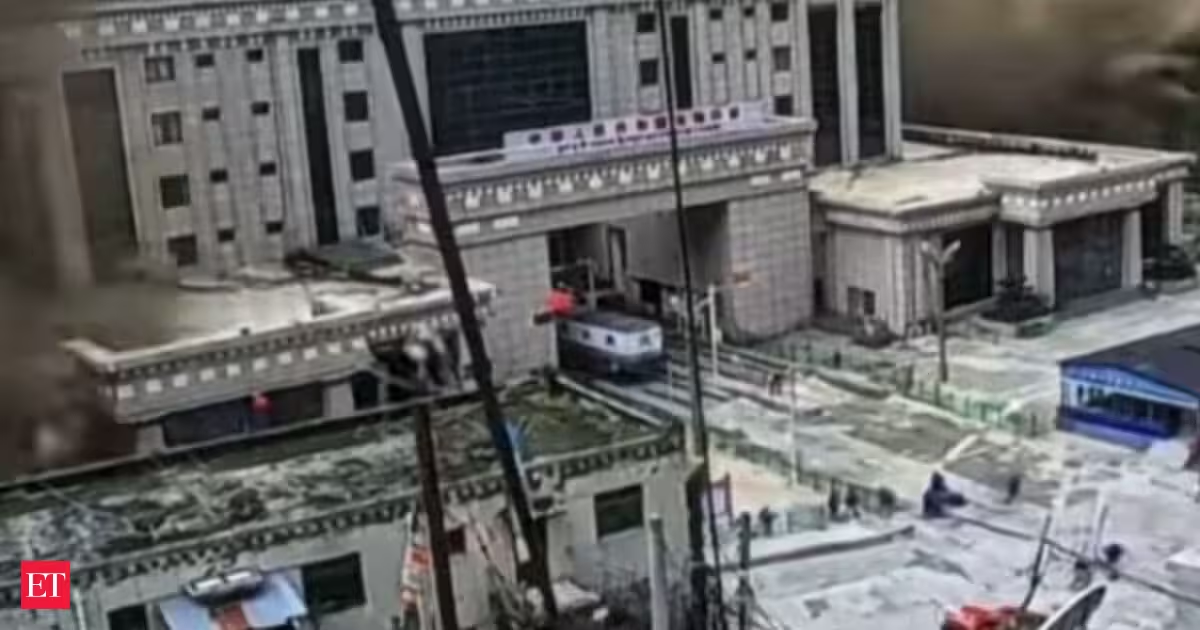
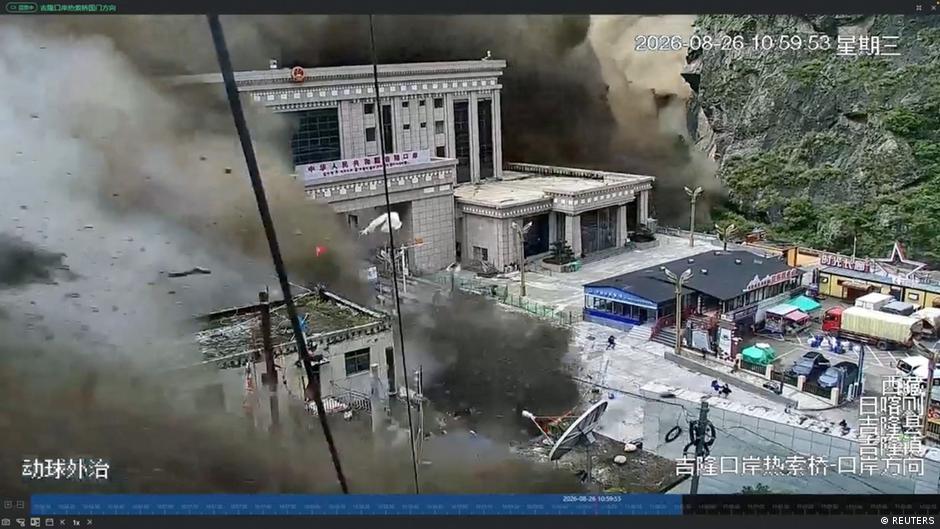
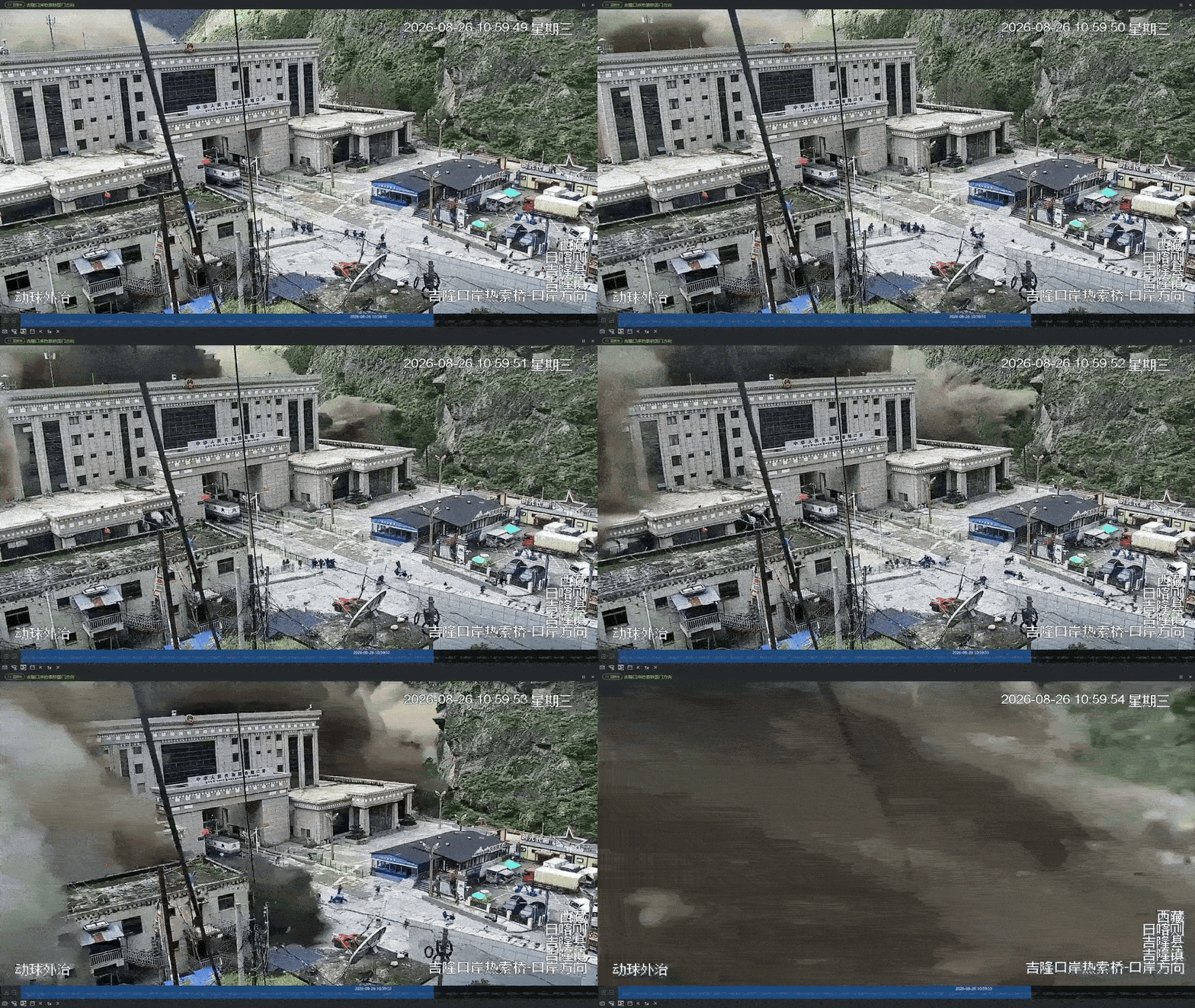
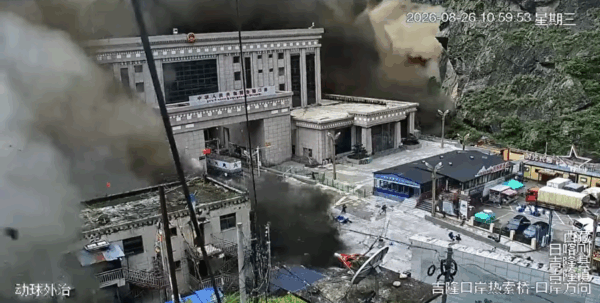
Bicker said videos of the landslide and flood surge sweeping through Gyirong Port on the border was scrubbed from the internet, in part, because Beijing fears instability in the politically sensitive region of Tibet.
Some social media users, however, have posted screenshots of the footage used by the BBC, pointing out it had actually been shown in the Chinese media. One Chinese journalist put it bluntly: “Never seen the BBC spread rumors so blatantly.” Another X user said the “middle ground often gets lost” in heated debates like this over Chinese censorship.
The Chinese government has long complained about what it sees as Western media “bias” in reporting on Tibet. Its supporters seem to have doubled down on this narrative this week on social media, zeroing in on the BBC.
But Chinese social media users, both inside and outside China, have long dealt with the authorities exercising control over information. This has certainly been the case in the aftermath of the floods, too.