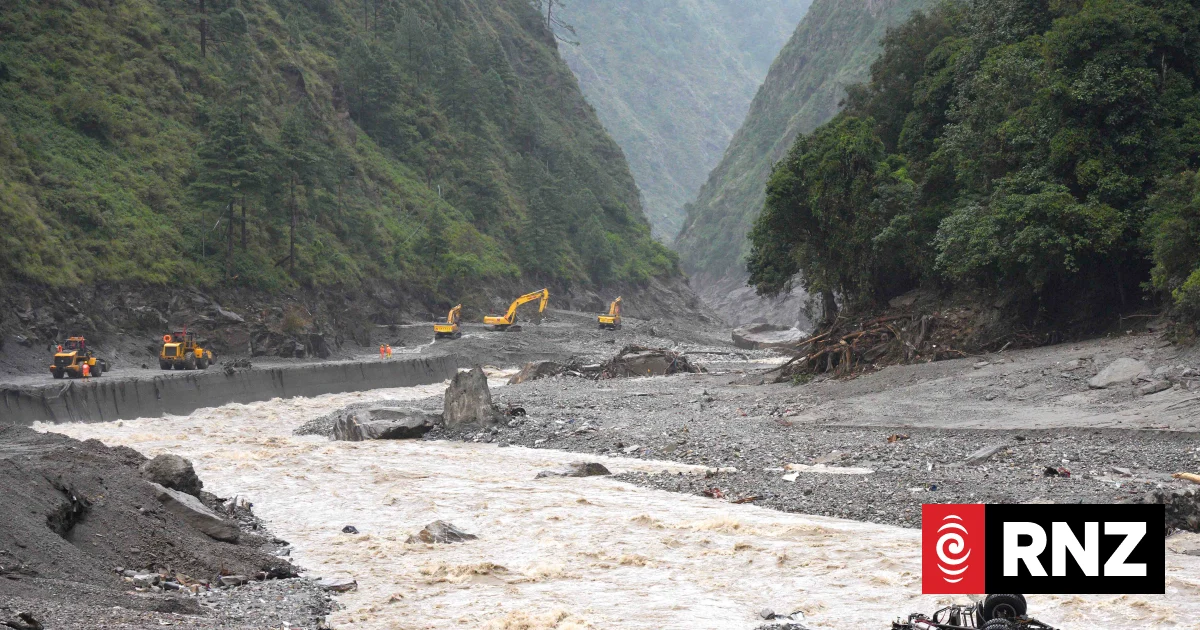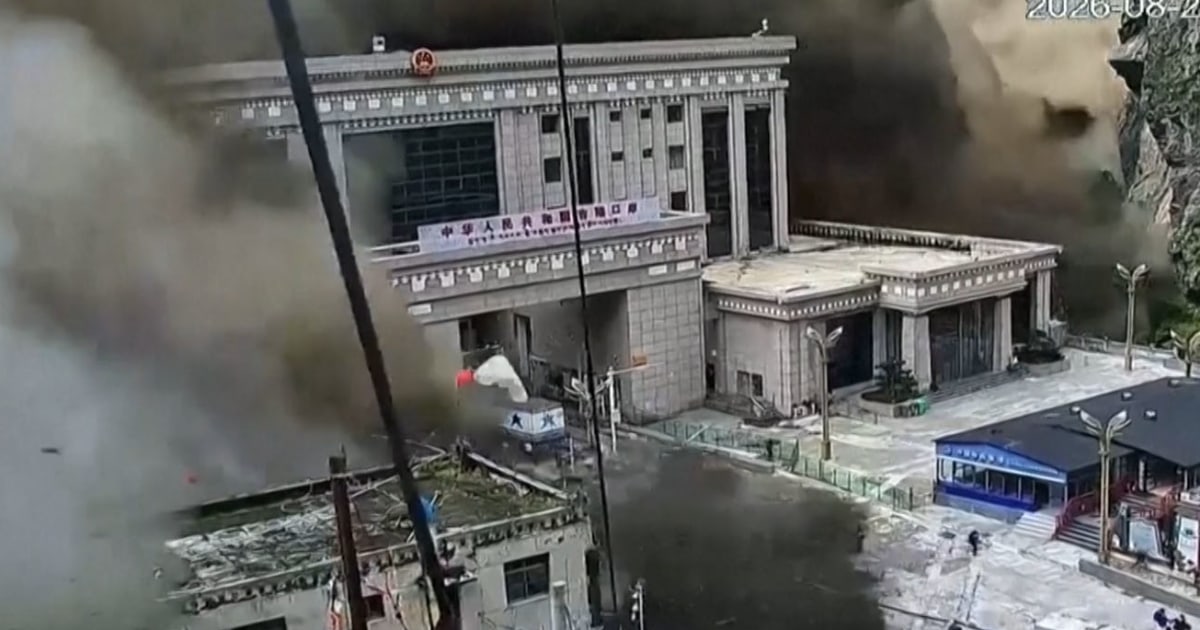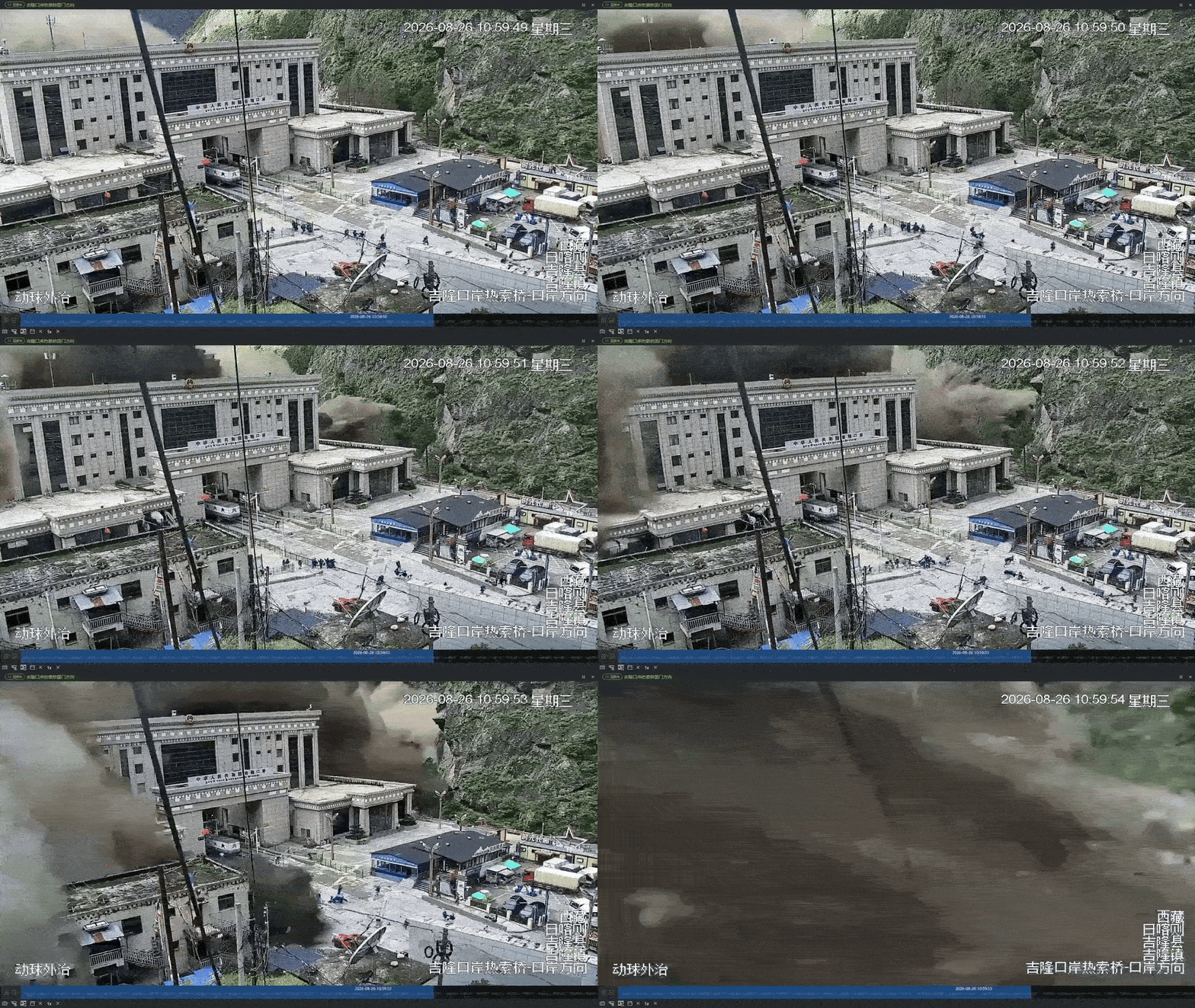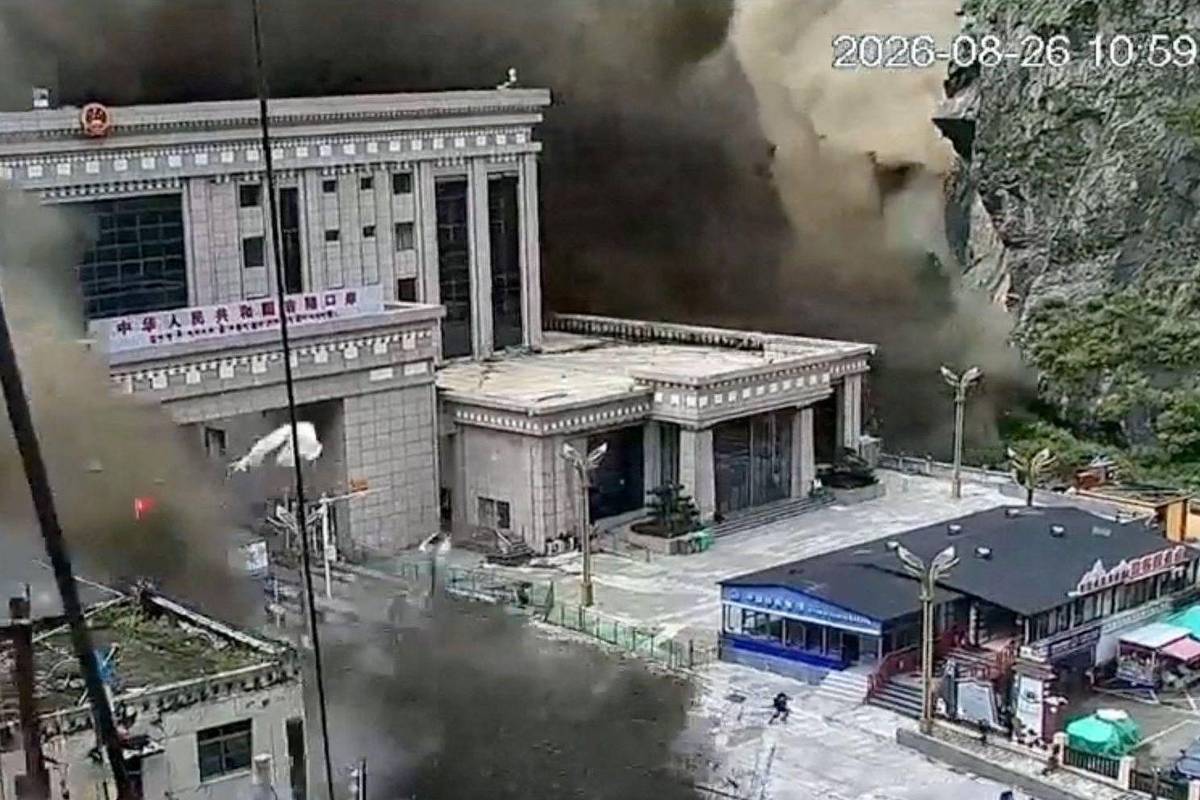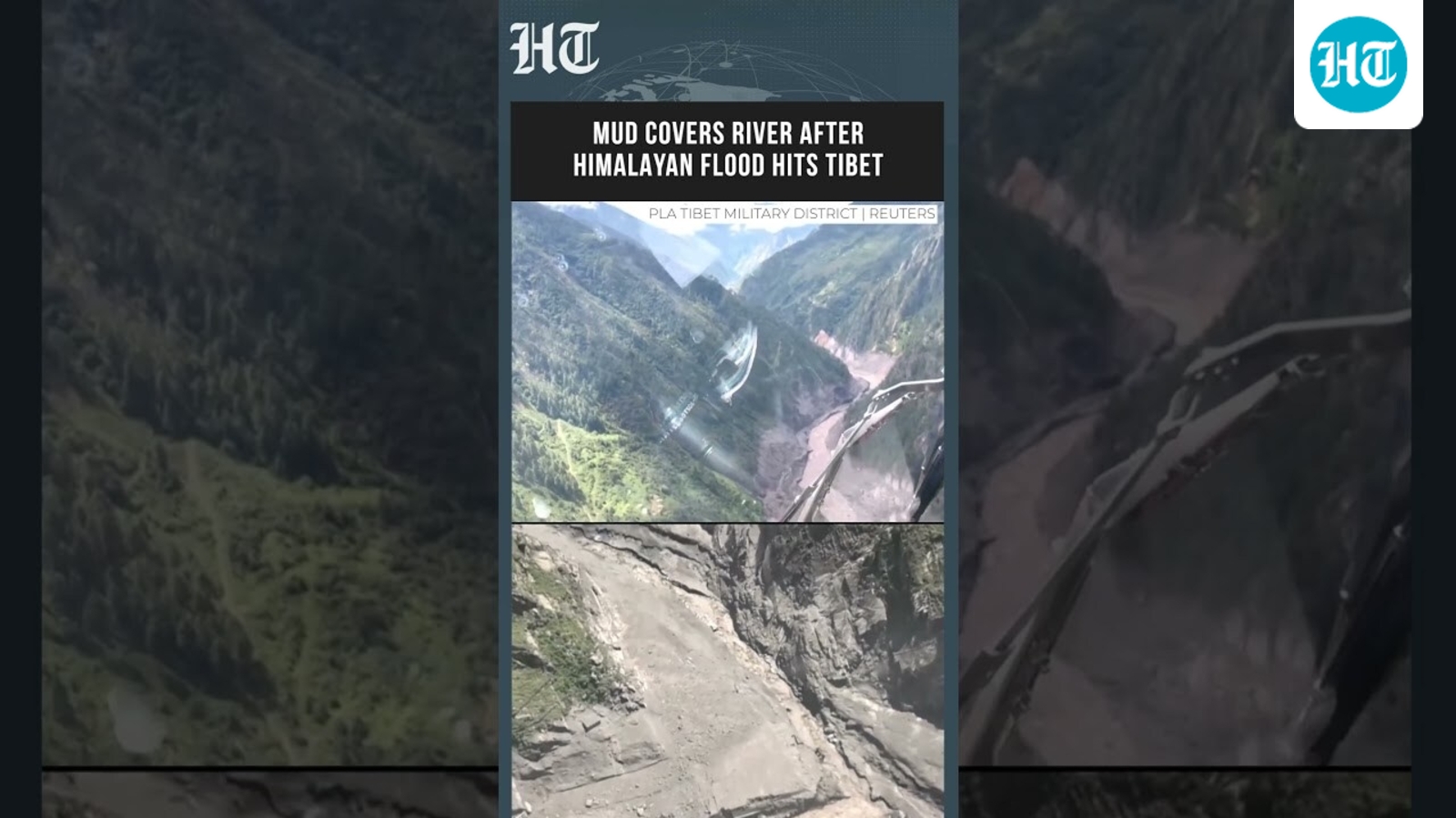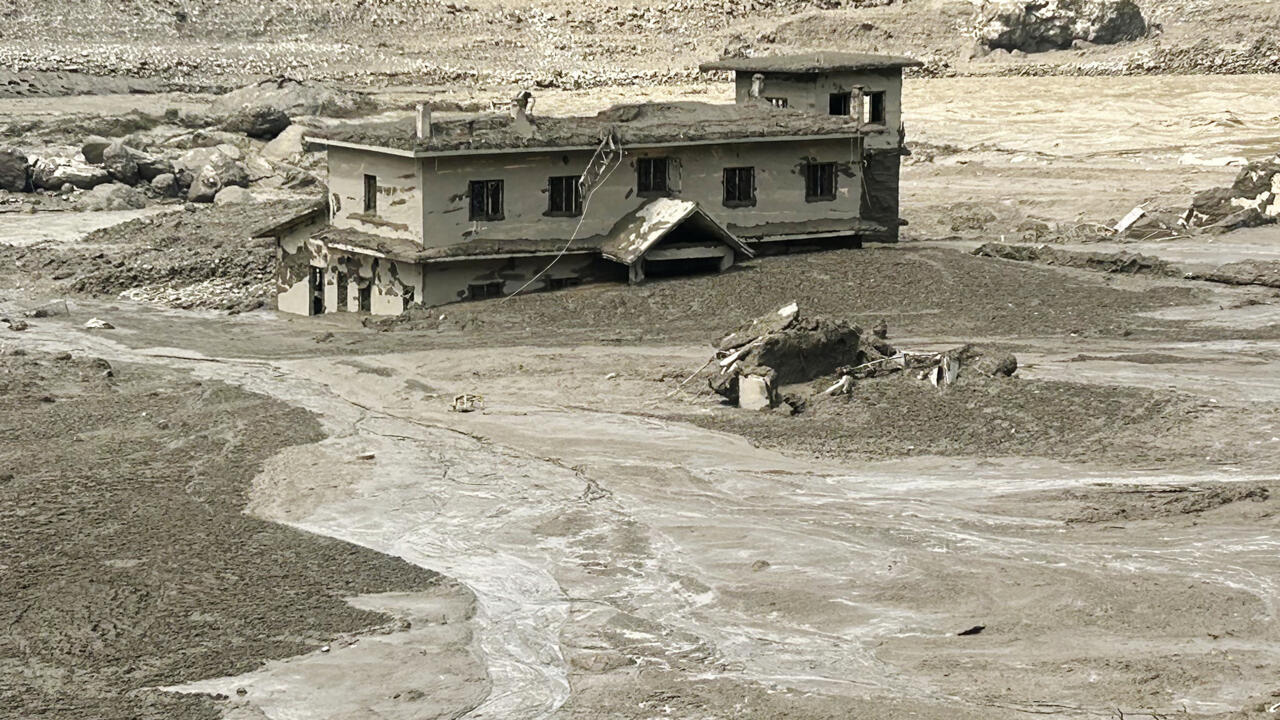
When security camera footage emerged on Wednesday of a wave of ice, mud and water smashing into the Tibet region, people across the world were horrified.The distressing vision showed the China-controlled Tibet border crossing into Nepal being completely wiped out, along with dozens of people running for their lives.It was harrowing to watch and gave undeniable proof of the severity of the Himalayan border disaster.But inside China the online video disappeared as quickly as it surfaced. Beijing's censors were at work.China's censorship in effectChina's control of information is well-documented and common, including inside Tibet, which has been under Beijing's control since the 1950s.An aerial view shows the damage following flash floods and a mudslide in the Tibet Autonomous Region.
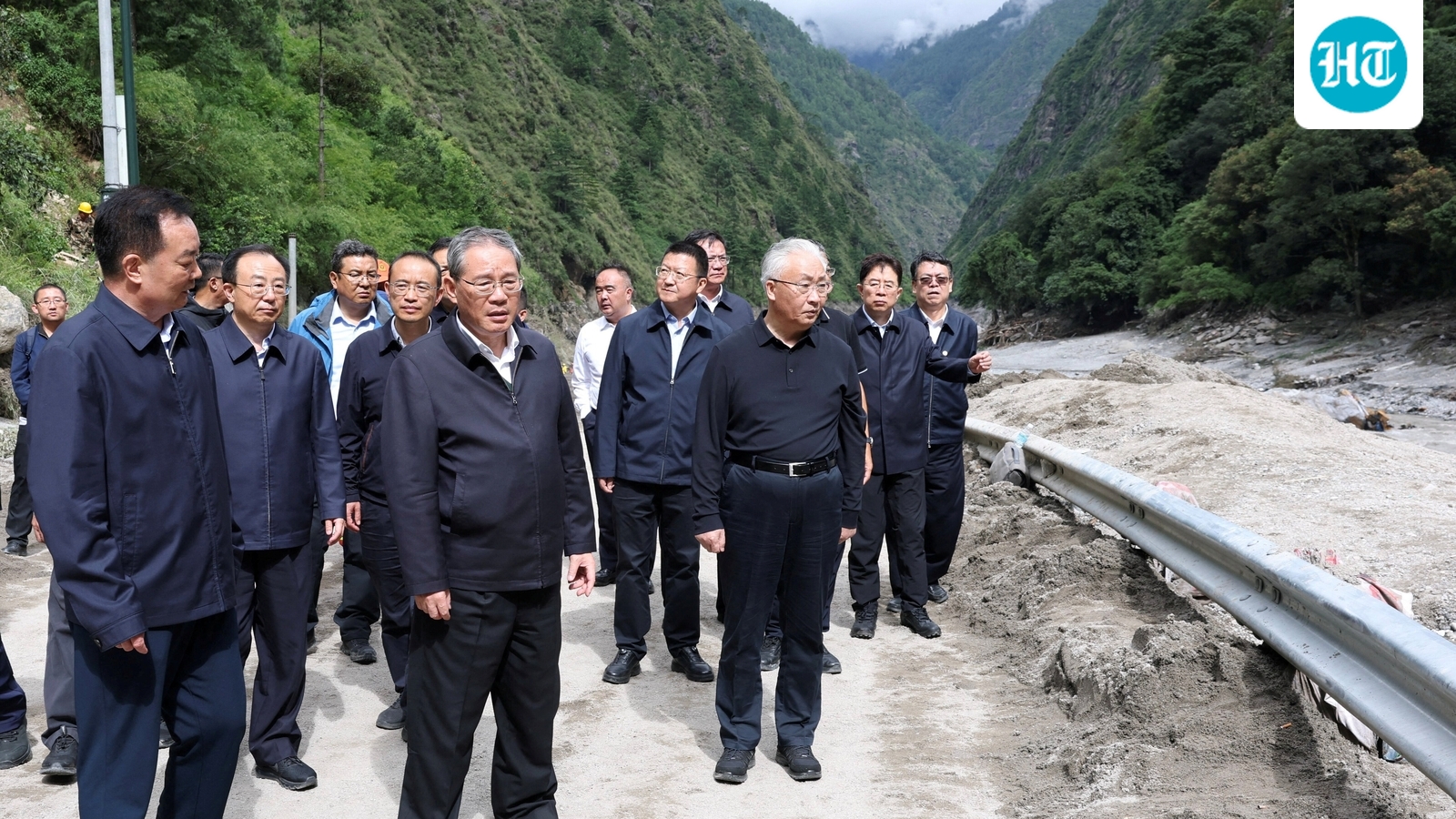
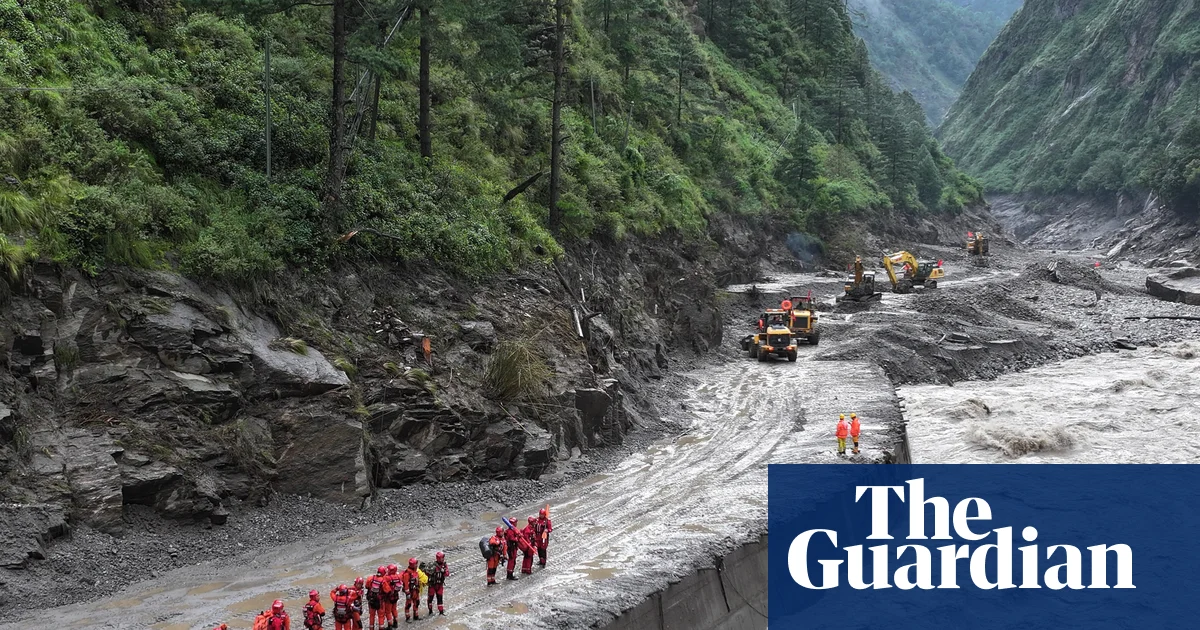
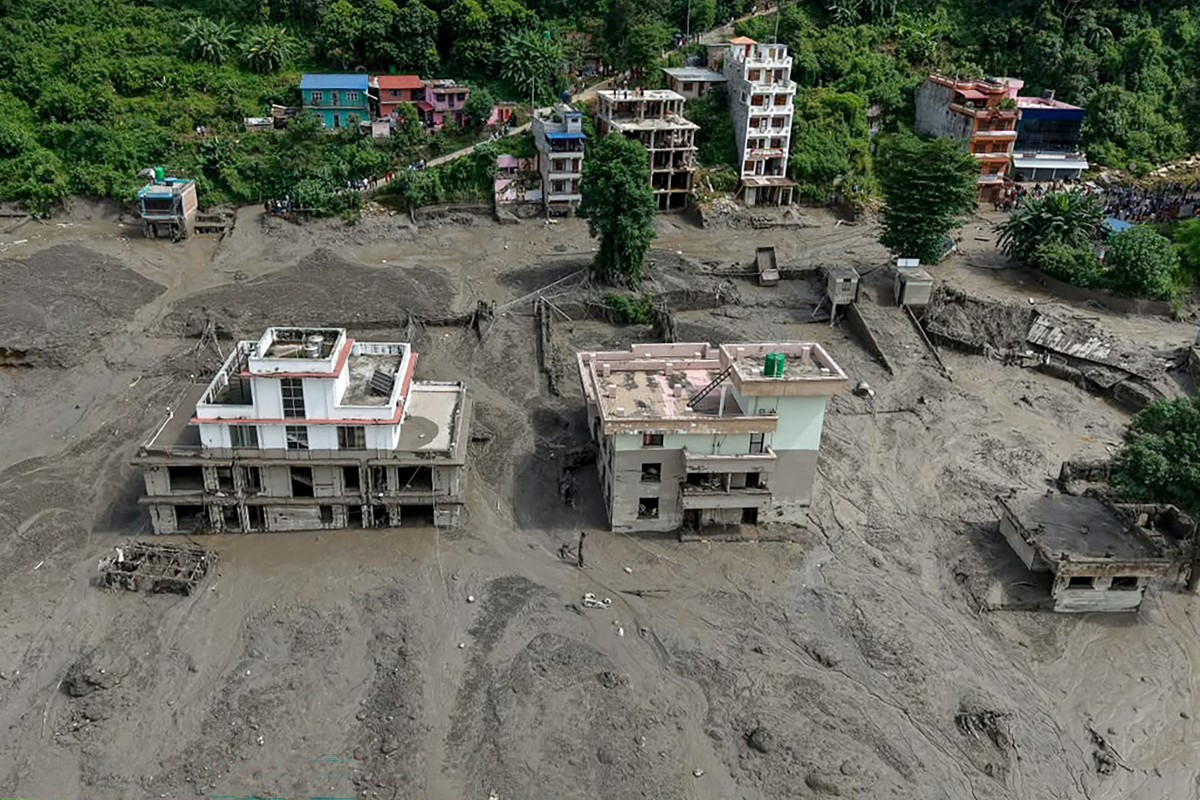
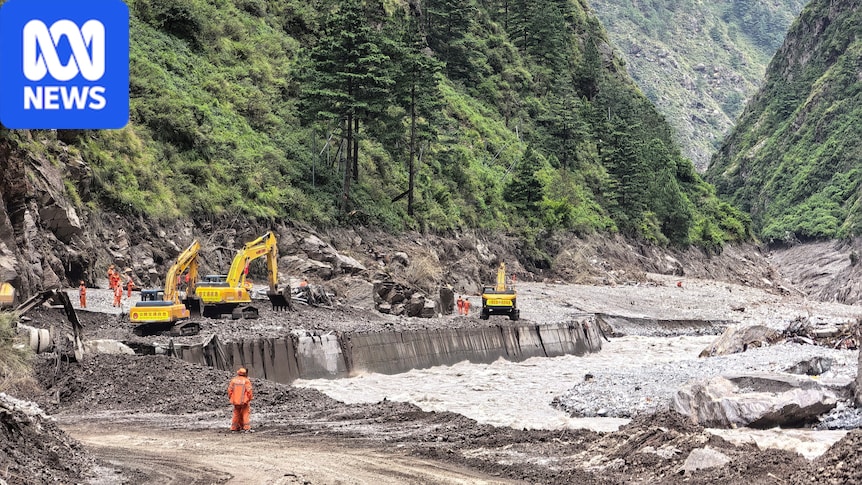
(Reuters: PLA Tibet Military District/Handout)China's media only distributes state-approved messages, content and pictures, while communication channels inside the country, including peoples' social media, are heavily monitored.Content that does not follow strict government regulations can be restricted or deleted by a team of censors, or by AI algorithms that flag "problematic" content.Chinese authorities have provided scant detail of the people affected by in the Tibet region, only broadly confirming that 558 people were missing, including 260 foreign nationals. There was no breakdown of nationalities.They have also not provided any specific information about the settlements and villages in the areas that have been affected.The top news story on Thursday's prime time bulletin of the state-operated CCTV news was a piece on the launch of a new book by President Xi Jinping.That story also led the front page of the country's most popular newspaper, People's Daily, on Friday.At the bottom of the front page was an article about 800 metres of roads in the landslide-stricken areas having been reopened, with pictures of rescue teams.Throughout the disaster, China's main state media coverage has mostly relayed information about the size of the rescue attempt.The difference between Tibet and NepalIn Nepal, where a flash flood from the same disaster has killed hundreds and left hundreds more missing, the flow of information could not be more different.Nepali authorities quickly released a detailed breakdown of suspected missing tourists, including their tour companies and their citizenship.Families are looking for missing loved ones in the wake of the tragedy. (ABC News: Haidarr Jones)They have also provided rolling updates on the situation.The humans at the heart of this catastrophe have been put at the centre of the story, given the opportunity to share their harrowing accounts and experiences.But it has been a challenge to hear the same stories from people in Tibet.Undoubtedly it has been incredibly difficult for authorities to get accurate information from the site after communication channels were affected and road access impacted.But the ability to hear from real people in Tibet is made near impossible due to China's reporting restrictions that block foreign journalists from independently travelling to the region.According to Human Rights Watch, Beijing has restricted the free entry of foreign journalists into Tibet since 2007 — and seeking government permission to travel there is rarely granted.Since the disaster hit I've made multiple formal requests to Chinese authorities for a permit to travel to Tibet to cover the unfolding disaster, either independently or with a state sponsored group.The response has been a polite but consistent "no", with the foreign ministry telling me there are difficulties accessing the area and the potential for future disasters.An untold tragedyOfficials from Nepal and China were forced to suspend operations for more than an hour on Friday due to the flooding risk posed by the overflowing barrier lake, but the search and rescue has now resumed.Other foreign journalists have also made requests to officials to visit the area and have been knocked back.Houses have been washed away or buried under the mud following the flash flood. (Reuters: Navesh Chitrakar)The ABC has approached China's foreign ministry for a formal response on why foreign media are not being given access on the ground.While the high risks and challenges of getting to the disaster zone are true, these are circumstances correspondents regularly experience and navigate around the world.In Nepal, journalists have entered the country freely and been able to speak with witnesses, survivors and families of those impacted, although many affected areas are inaccessible due to damaged roads.And China's information controls also extend to people inside Tibet.Residents in the country are unable to communicate freely with foreign journalists because, according to Human Rights Watch, everyone is required to install mandatory phone apps with built-in government surveillance.Human Rights Watch has documented countless examples of people being harassed, arrested or in trouble with authorities for communication their government does not like.Activists group the International Campaign for Tibet (ICT) says that means many people are too scared to post on social media or share news about the disaster because they fear punishment from Chinese officials.The result, according to Ryan Fioresi from ICT, is a situation where "only the Chinese government controls the information flow"."In a disaster situation that means that local residents, afraid of punishment, are not posting about where people are trapped or where the damage is the worst," he said."If people are afraid to share that information, or if their posts are removed, potentially useful information may not reach families, relief workers or the wider public."Several smaller Chinese media outlets, which are also state media, were able to get to the site and initially published interviews with some witnesses. But within hours those articles were taken down.In China there are still some people clearly desperate for information beyond what is presented by state-sanctioned news channels.The ABC has seen some people in China who have posted on social media asking for help to access information that was blocked on the mainland.One person had a relative working at a construction site near where the disaster struck in Tibet and wanted to know what had happened there.They were shocked when people outside China managed to inform them the entire construction site had been flattened.China's tight control of information is not surprising but it can carry different ramifications in a disaster.Because in an effort to restrict what is getting out, Beijing runs the risk of scrubbing the very real, and desperate, calls for help from affected communities.