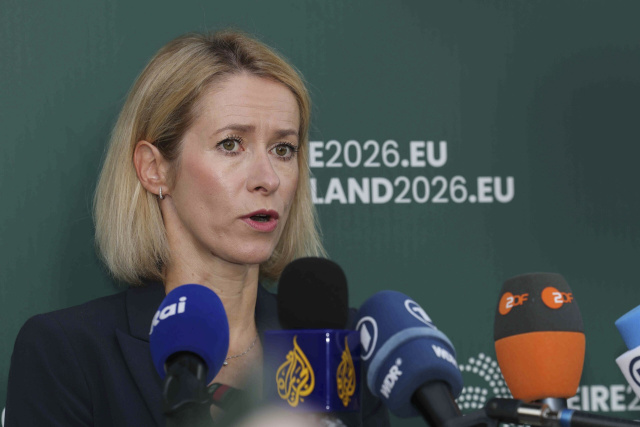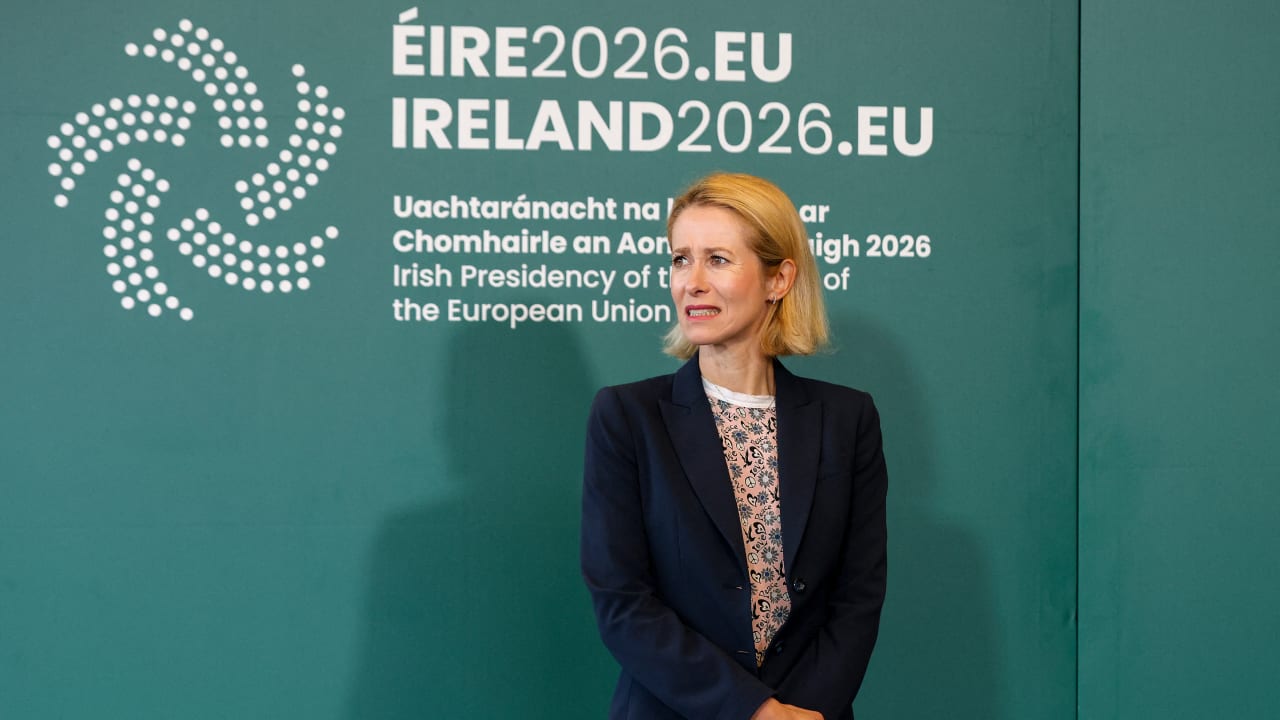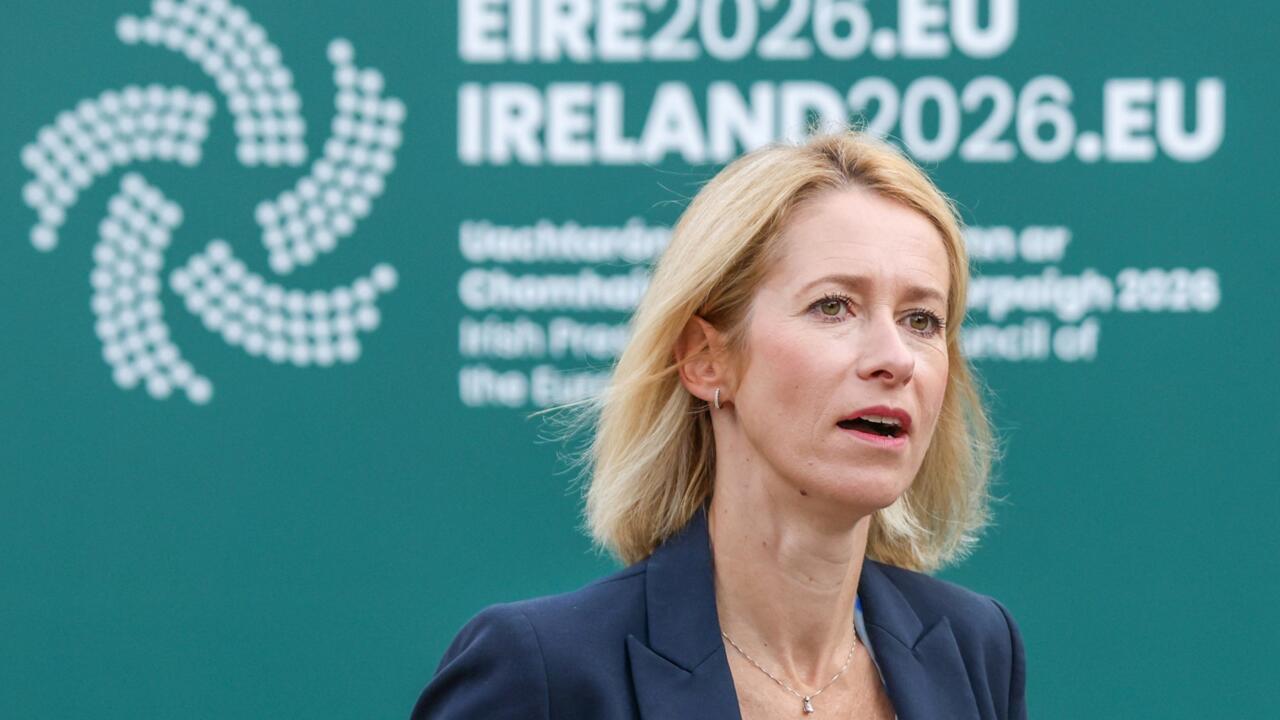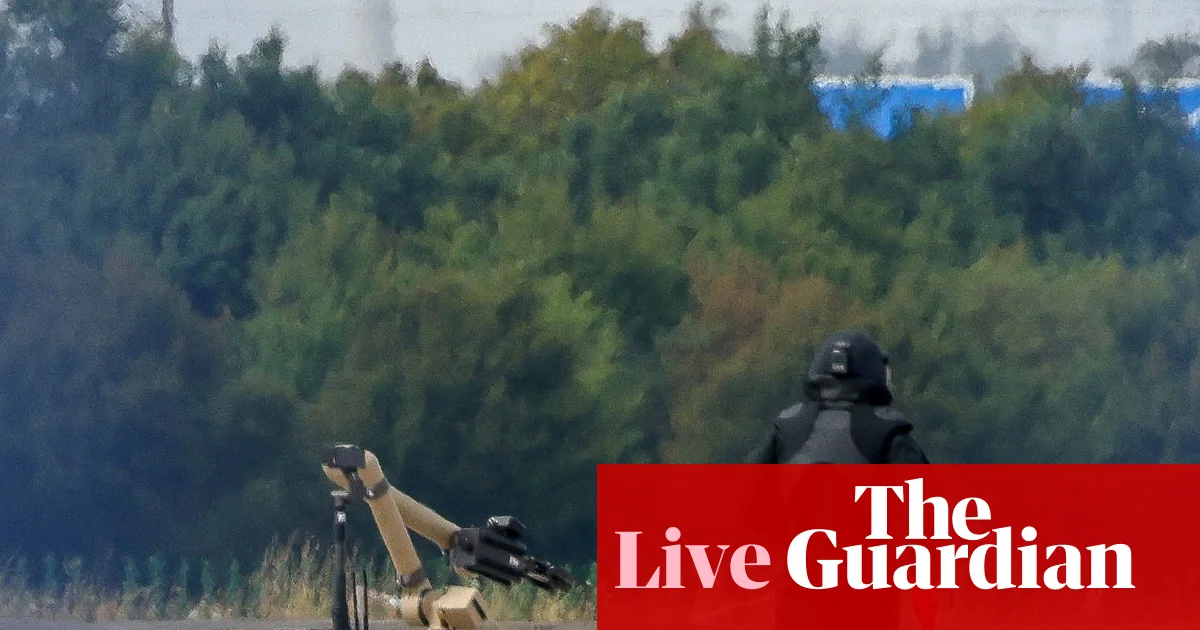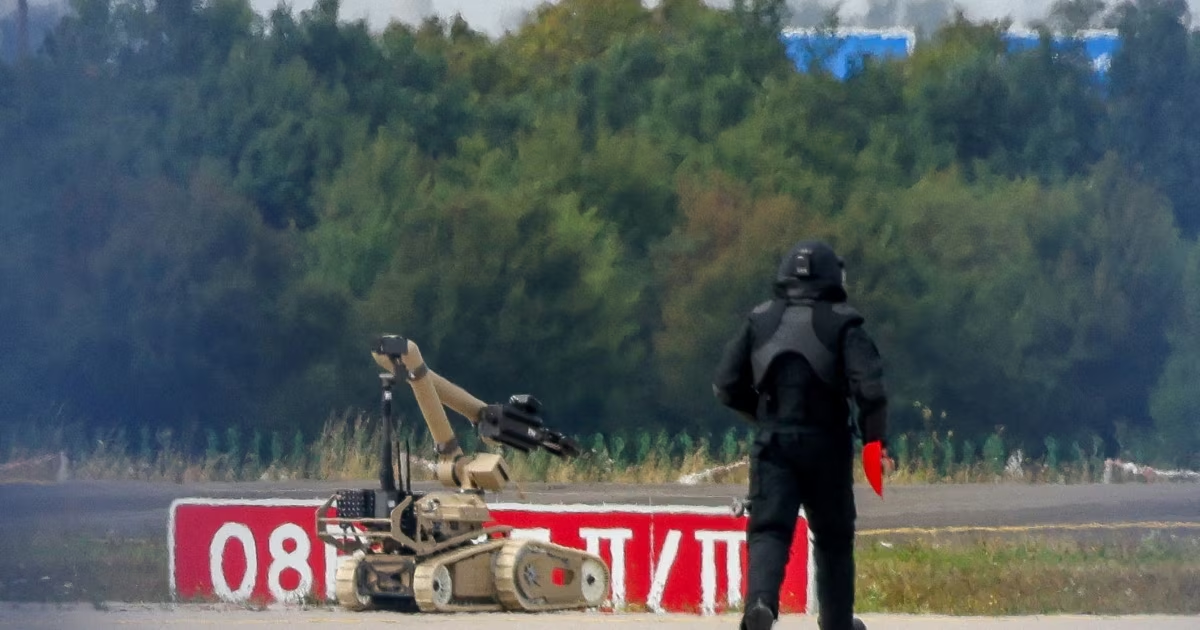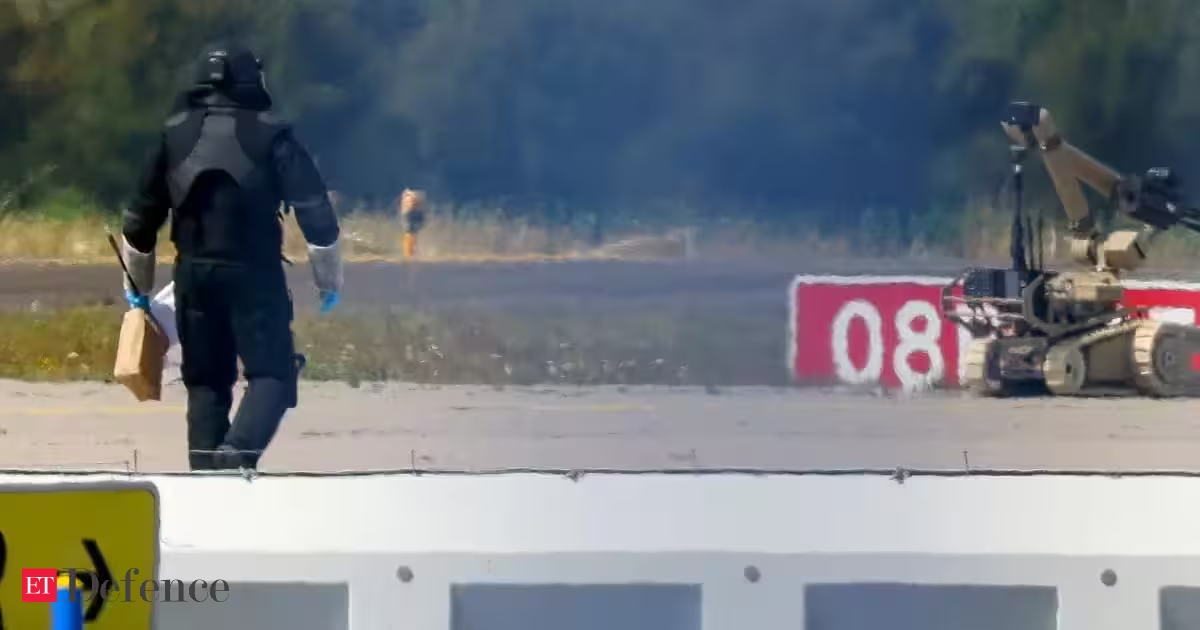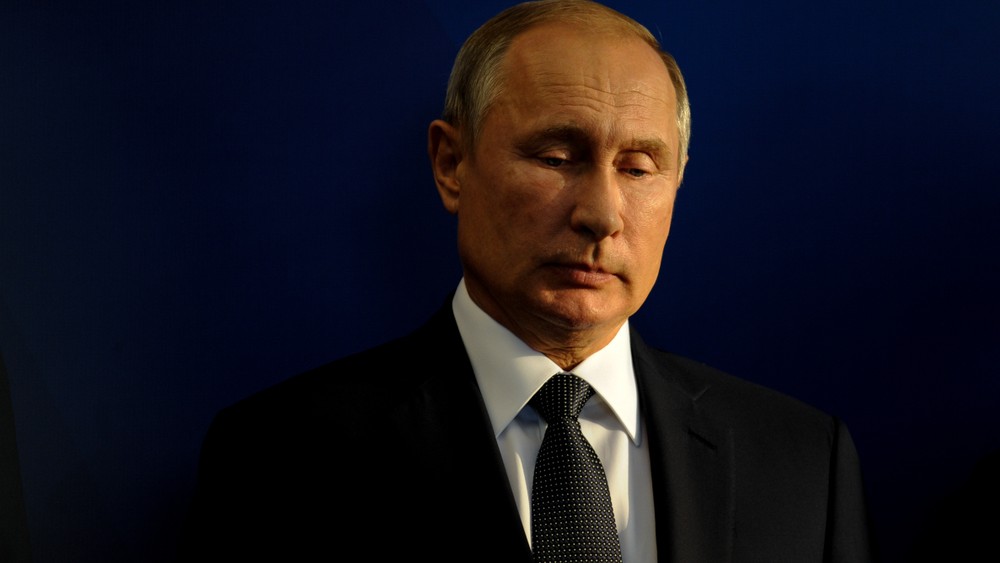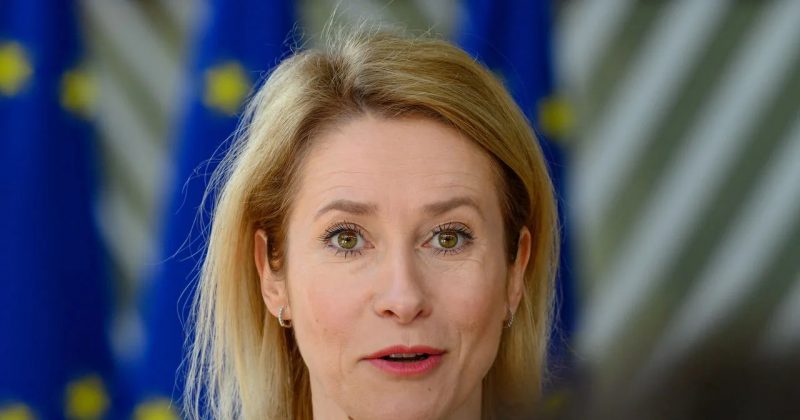
Estonian Prime Minister Kaja Kallas has described the recent attack in Leipzig as having characteristics of state-sponsored terrorism, implying potential involvement by Russian entities. The incident involved an explosive-laden drone near Leipzig/Halle Airport, raising concerns over increased hybrid warfare tactics. This development comes as the European Union continues to enforce and expand sanctions against Russia, with ongoing work on 1,600 sanctions listings related to the conflict in Ukraine. Kallas’ statement aligns with broader EU sentiments, holding Russia accountable for the escalation in hostilities.
Key Takeaways
Kallas’ remarks suggest that markets may interpret the Leipzig attack as indicative of increased geopolitical tensions between the EU and Russia.
Pricing in related markets appears to support a higher likelihood of a NATO-Russia military clash, with heightened odds for such a scenario by the end of 2026.
The incident underscores the potential for further escalation in hybrid warfare, consistent with market views on increased state-sponsored activities.