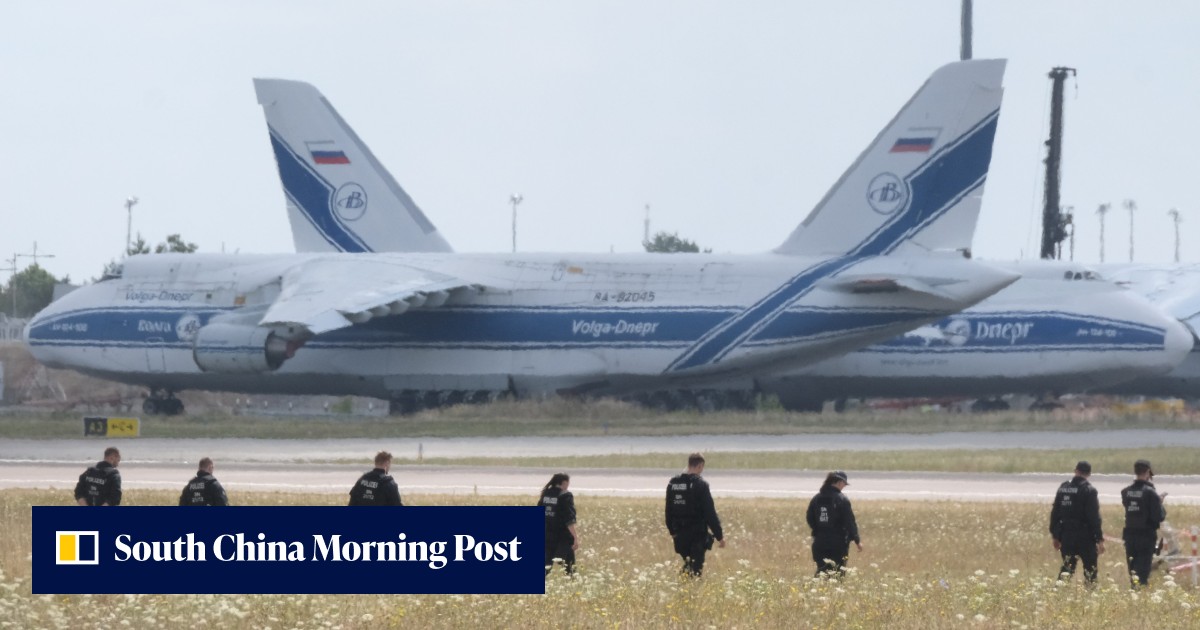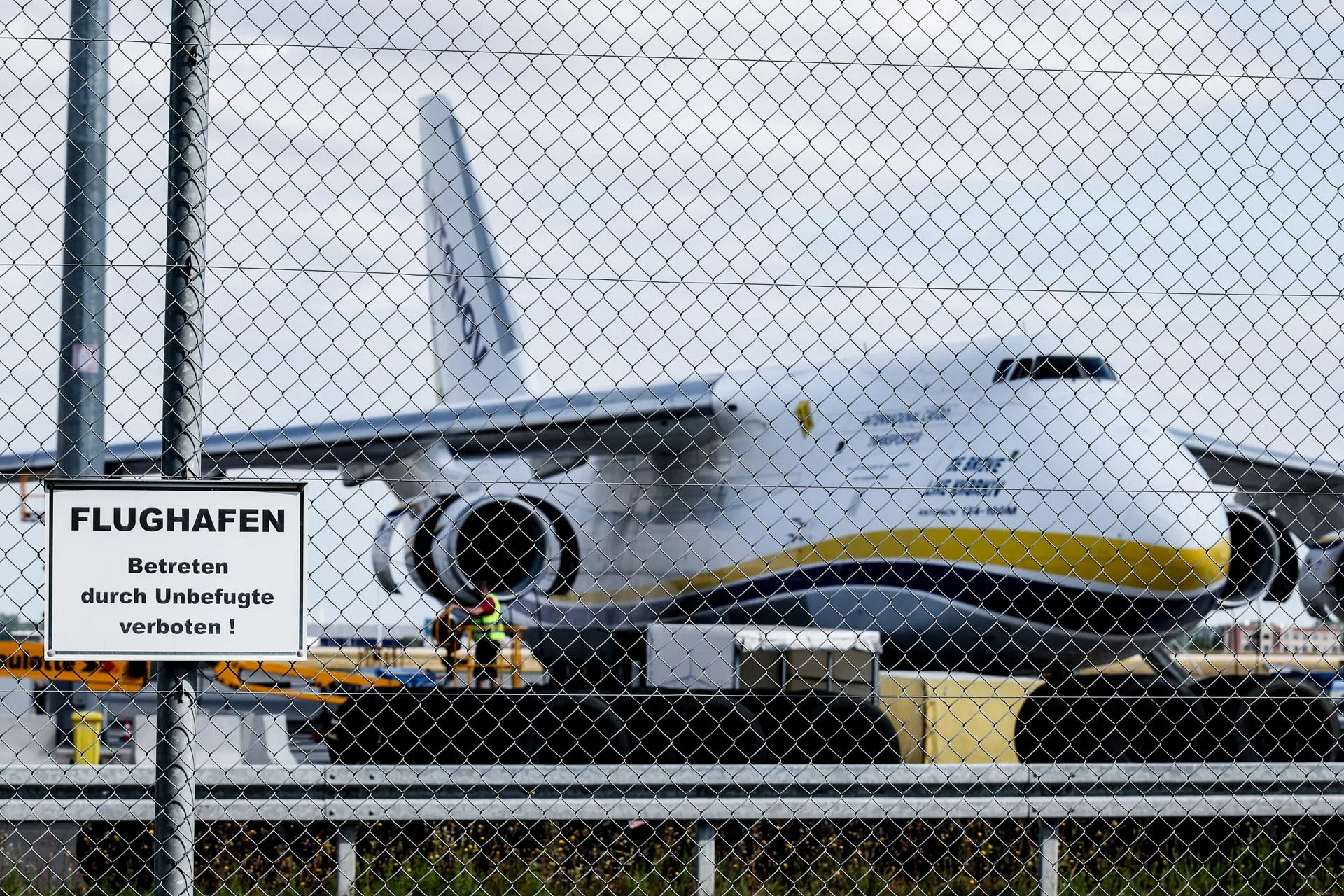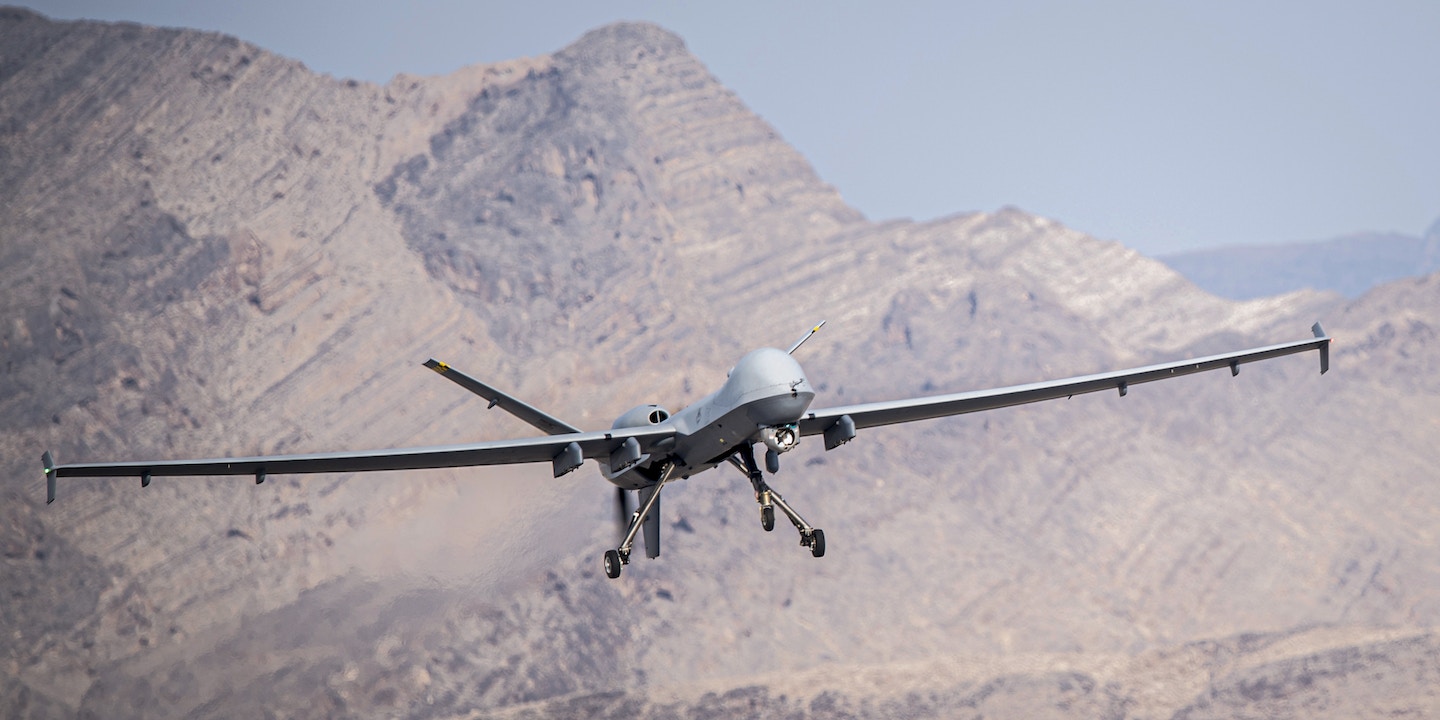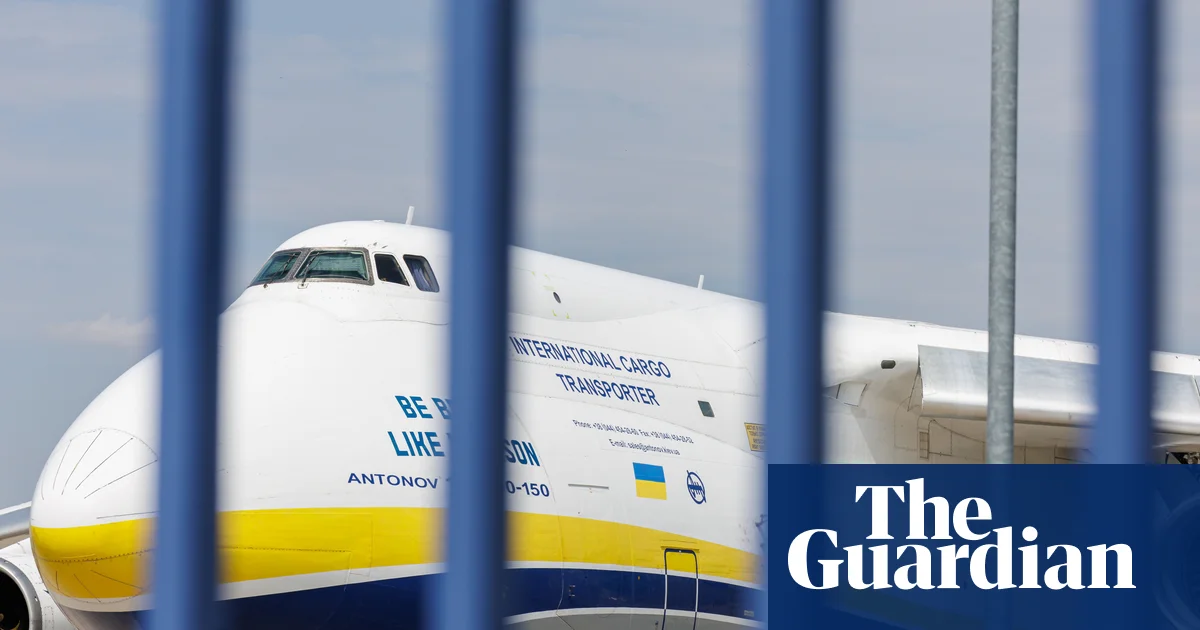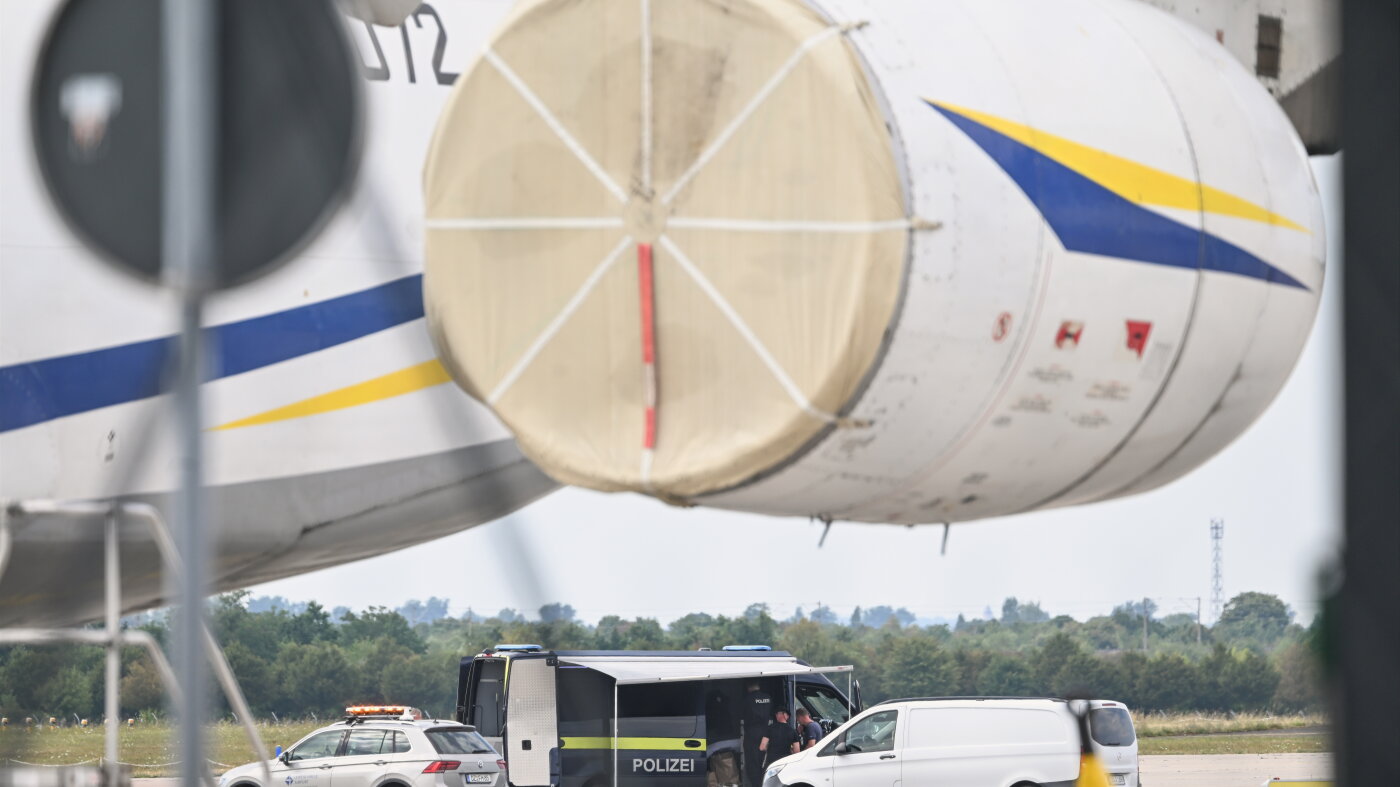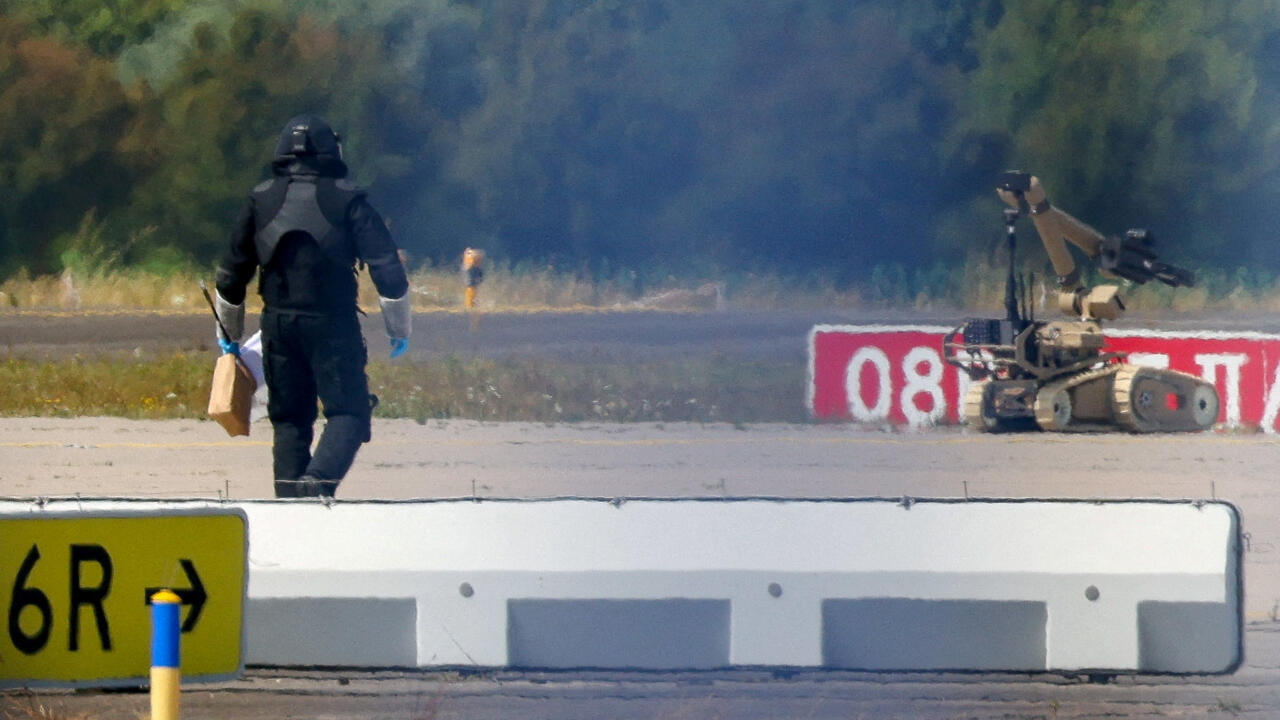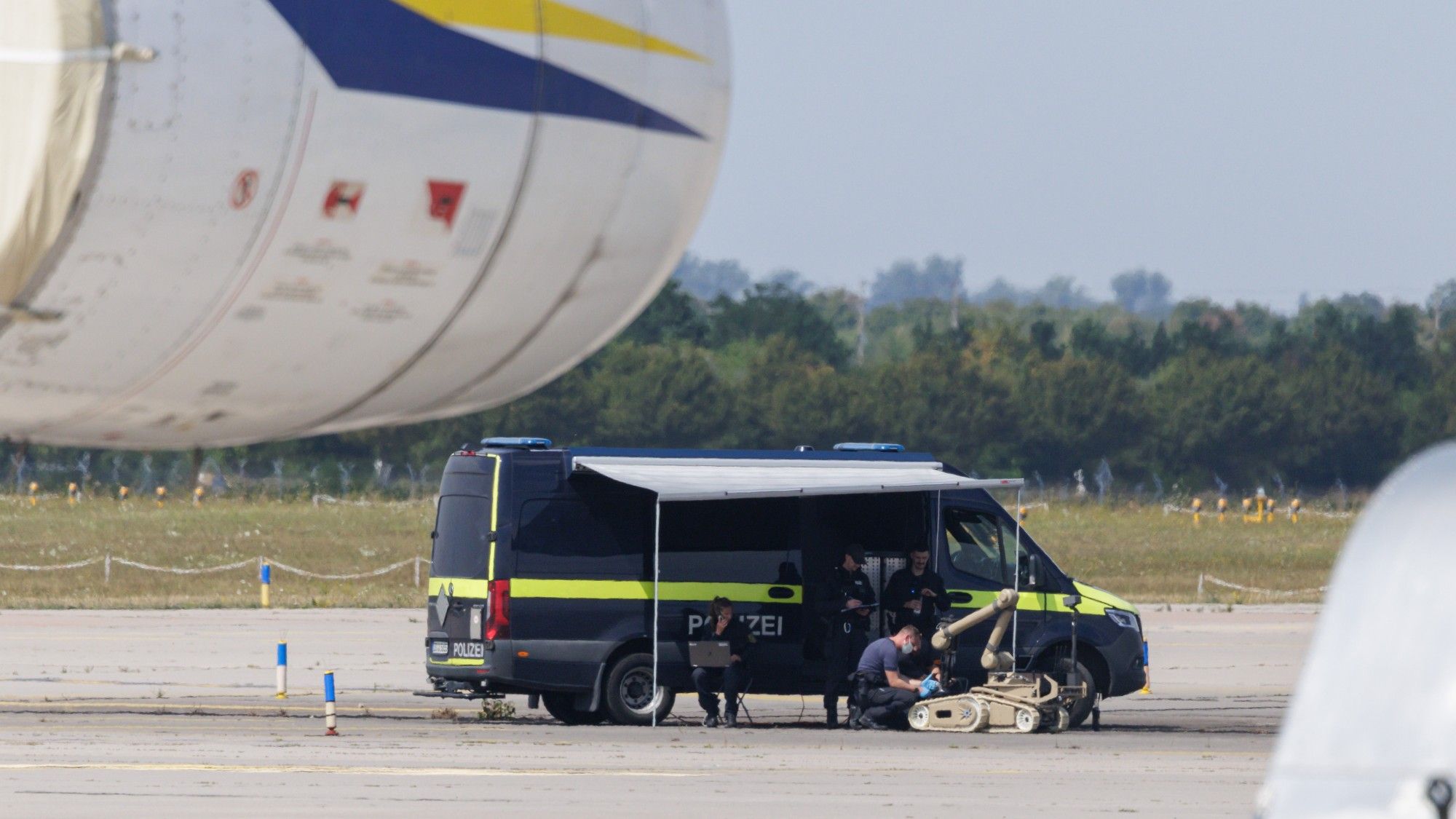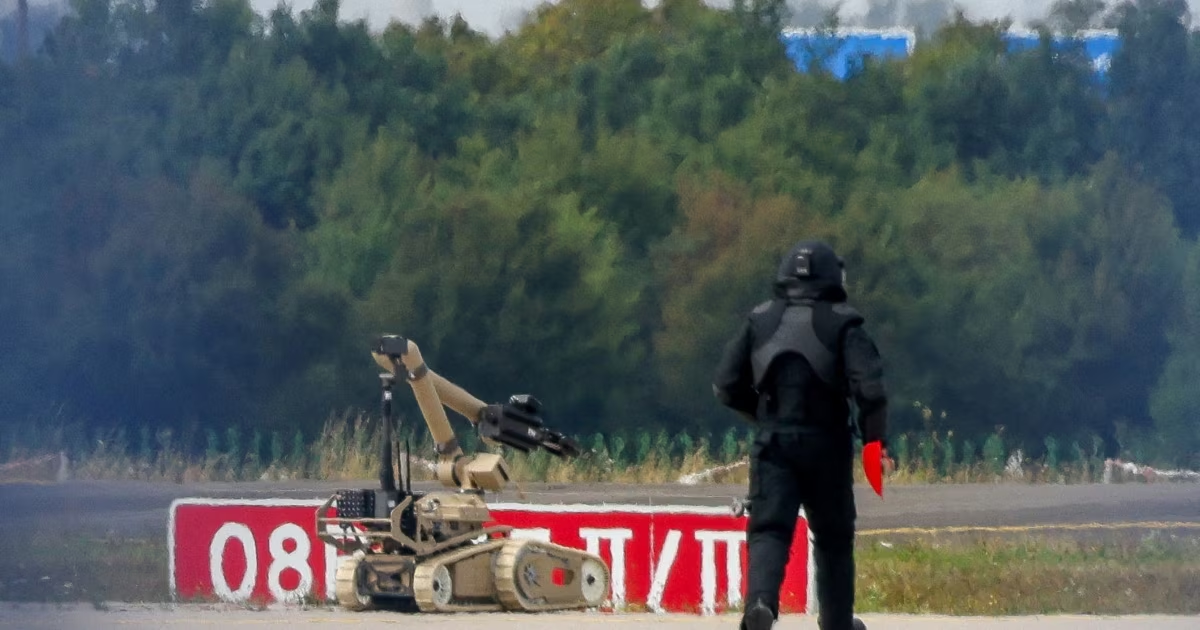
Germany has accused Russia of carrying out what the country's top police official called a “hybrid attack” involving an explosive-laden drone that disrupted flights at Leipzig airport in early August, saying it was part of a long-term campaign of destabilization operations against Europe.German authorities said they would close the Russian Consulate in Bonn and terminate the lease on a Russian cultural center in Berlin as a result of the attempted drone attack at the Leipzig/Halle Airport.The September 1 statement by German government officials came as authorities responded to what they called a sabotage attack involving a double-digit number of homemade incendiary devices found at a substation near a coal-fired power plant about 100 kilometers southeast of Berlin.No country or group has yet been blamed for that incident, in which officials said at least one of the makeshift devices detonated. Brandenburg state Interior Minister Jan Redmann did not rule out the possibility that a foreign power or left-wing activists were behind the attack.In the Leipzig incident, a drone carrying explosives was found near a Ukrainian cargo aircraft at the airport in eastern Germany on August 4.
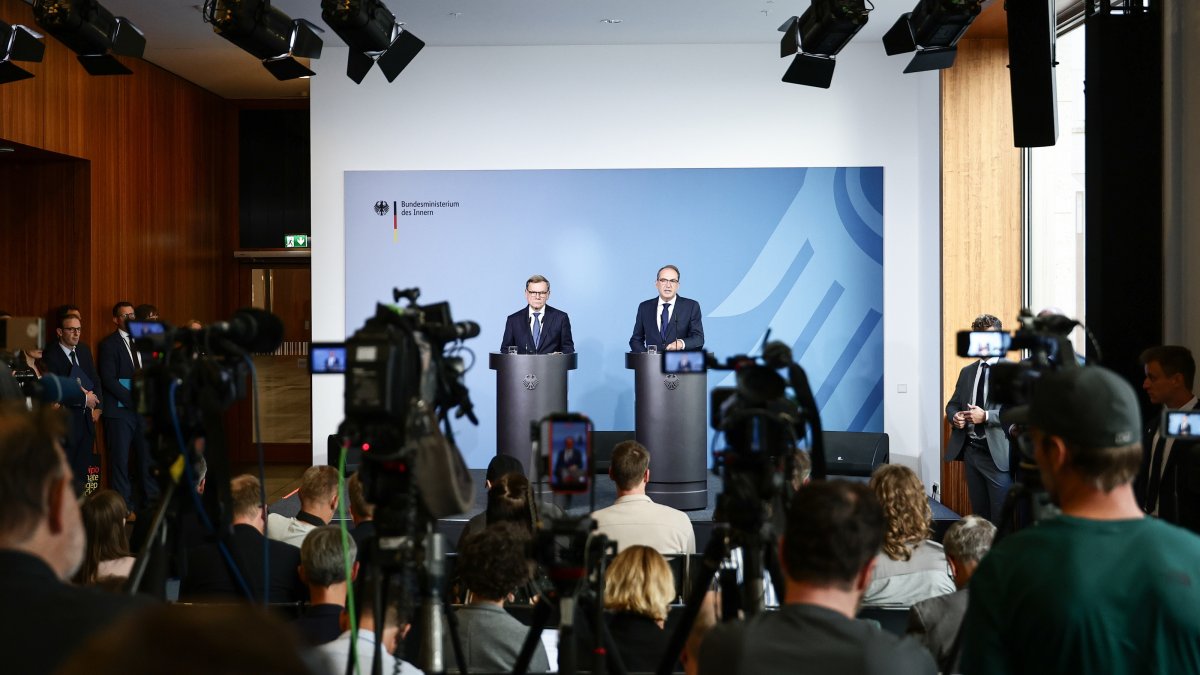
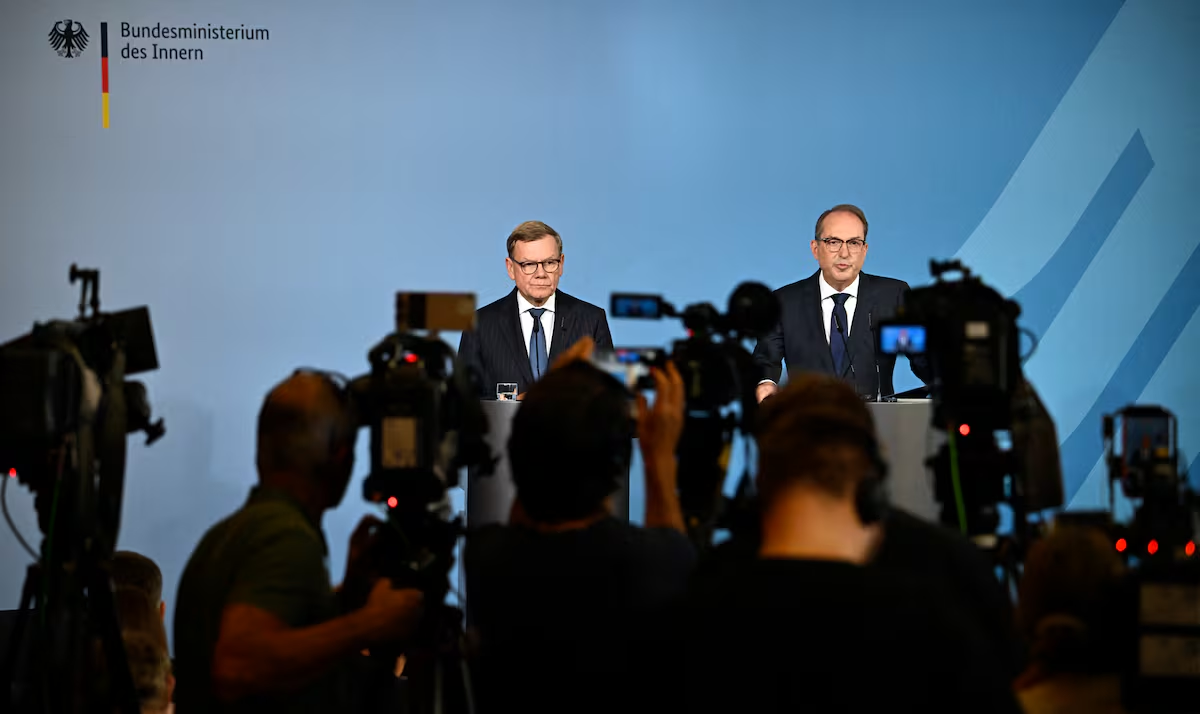
"Taken together, police investigations, patterns of the offences, and intelligence findings establish Russian responsibility for the attempted attack at Leipzig airport," German Interior Minister Alexander Dobrindt said."We do not view the Leipzig incident in isolation, but rather see it in the context of other hybrid actions," he said. "We assume that Germany is the target of further hybrid attacks by Russia.""It fits into a broader pattern of Russian hybrid operations in Europe," Foreign Minister Johann Wadephul said, standing next to Dobrindt. He said that the Russian Consulate in Bonn would be closed later this month and that the lease for the “Russia House” cultural center in Berlin would be canceled."We are tightening entry controls for Russian nationals," Wadephul said, adding that Germany would propose adding more Russian individuals to lists of those hit with EU sanctions.Russia’s ambassador to Germany, Sergei Nechayev, was seen entering the Foreign Ministry in Berlin around the time of the announcements. The Russian Embassy later said he dismissed the accusation of Russian involvement in the Leipzig incident as "unsubstantiated, absurd, and contrary to common sense."Kremlin spokesman Dmitry Peskov suggested that German officials had not provided evidence and said, "It is obvious that Germany is proceeding down a path of further escalation."Russian Foreign Ministry spokeswoman Maria Zakharova asserted that Germany had "invented a pretext" for shutting the Russia House and said "Moscow will give a response to all anti-Russian decisions."