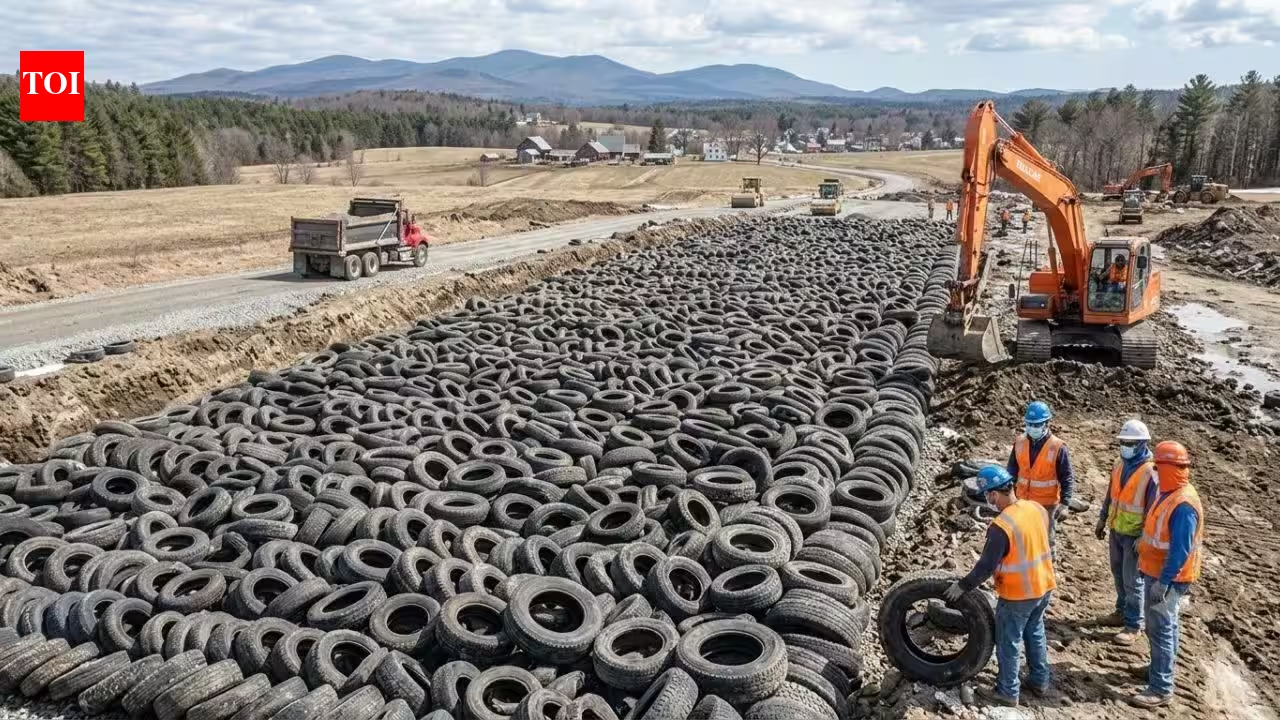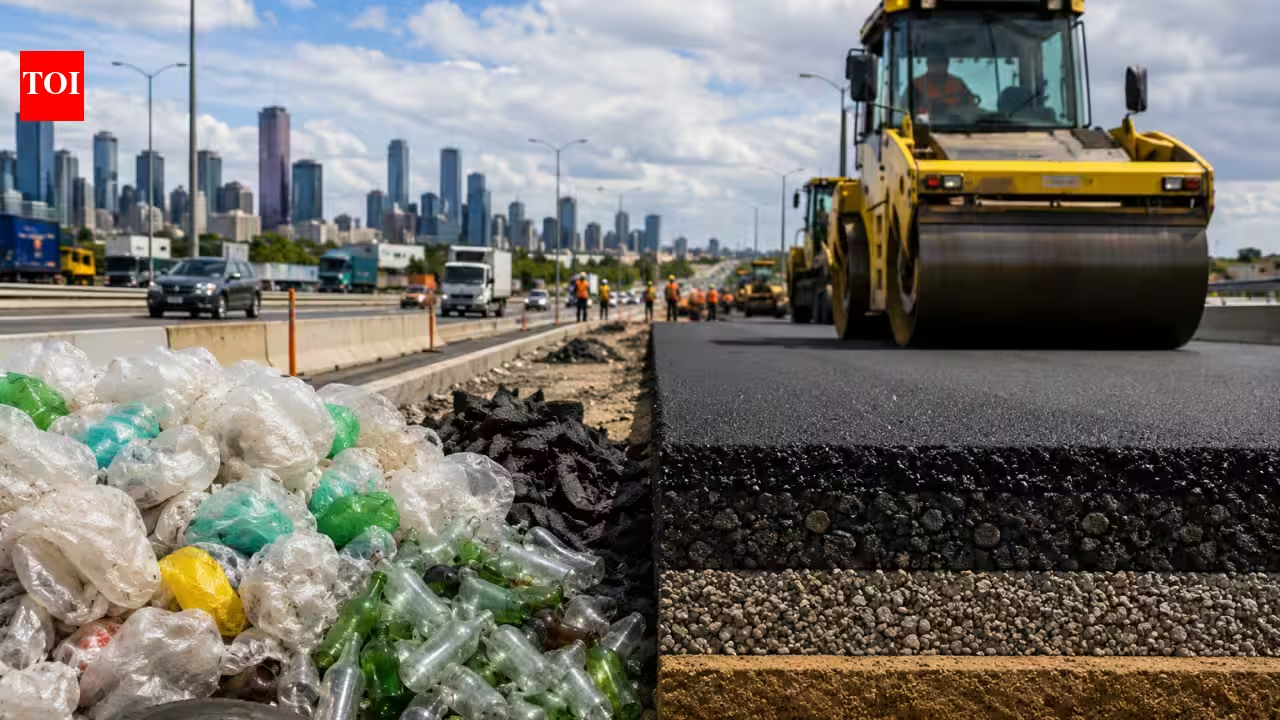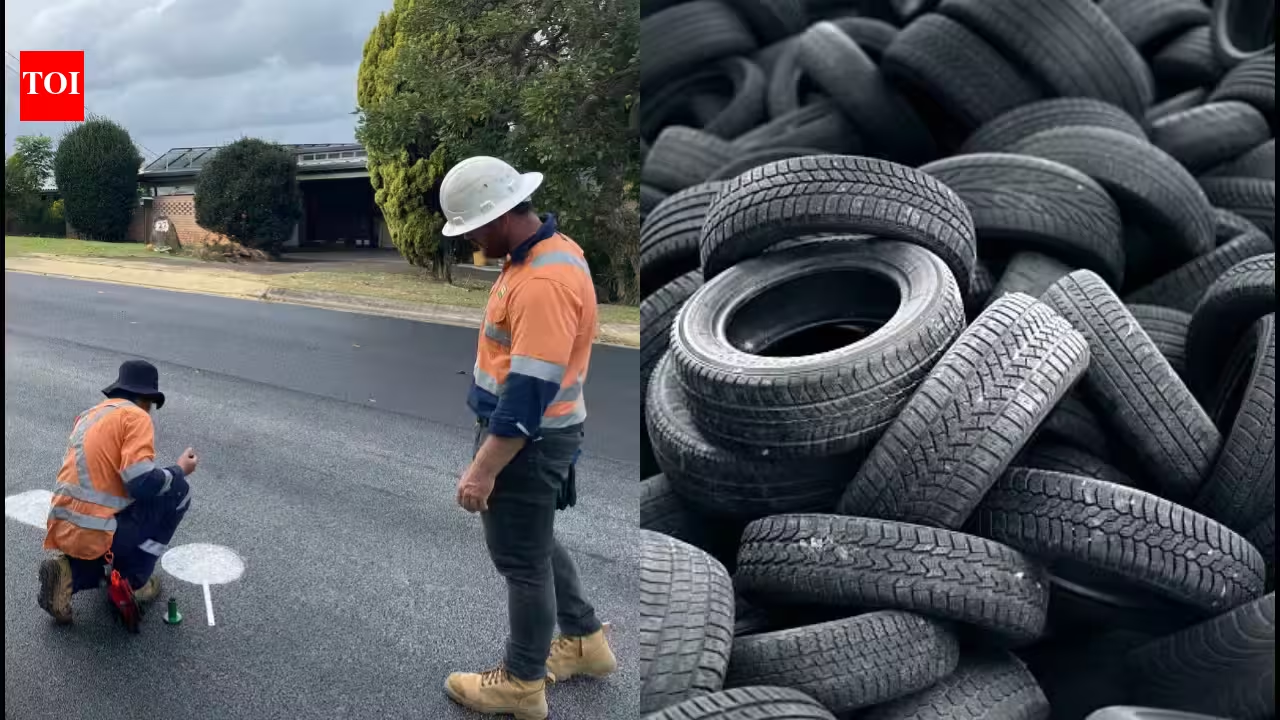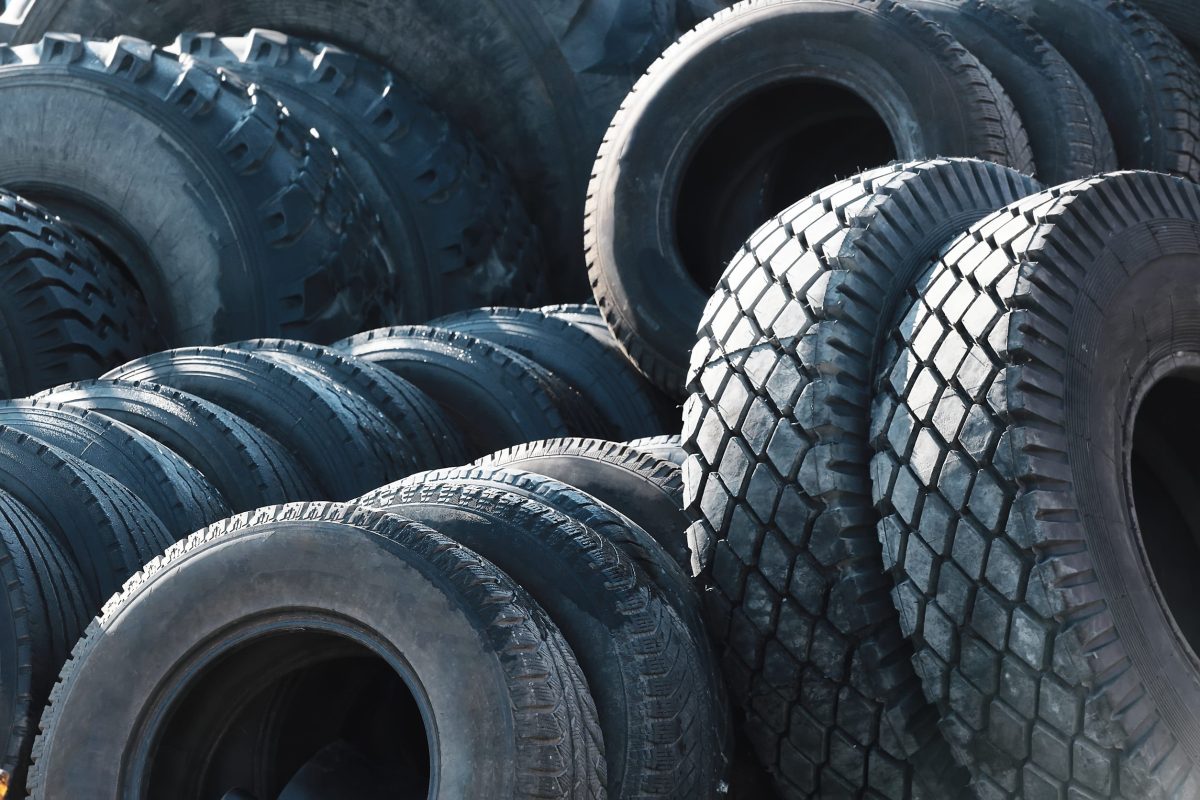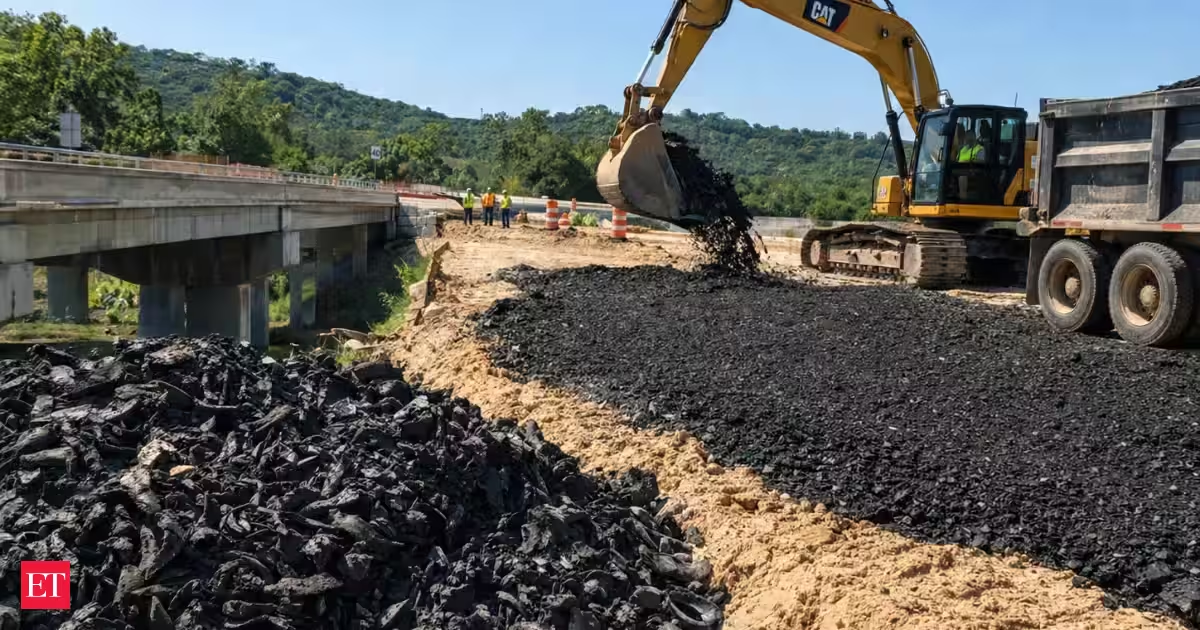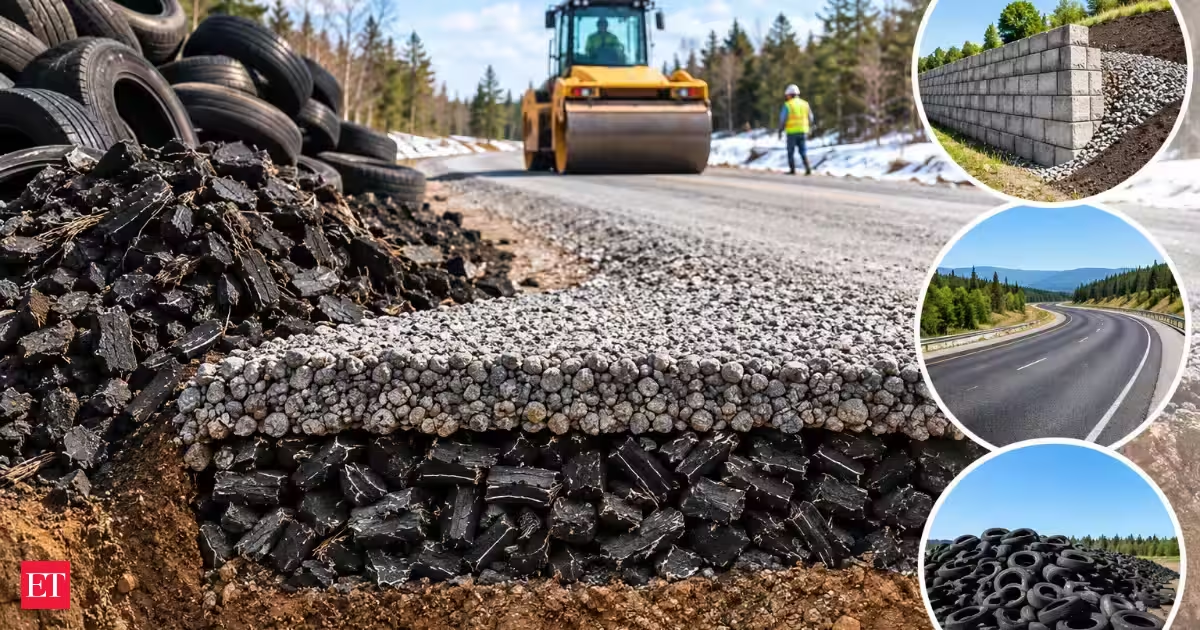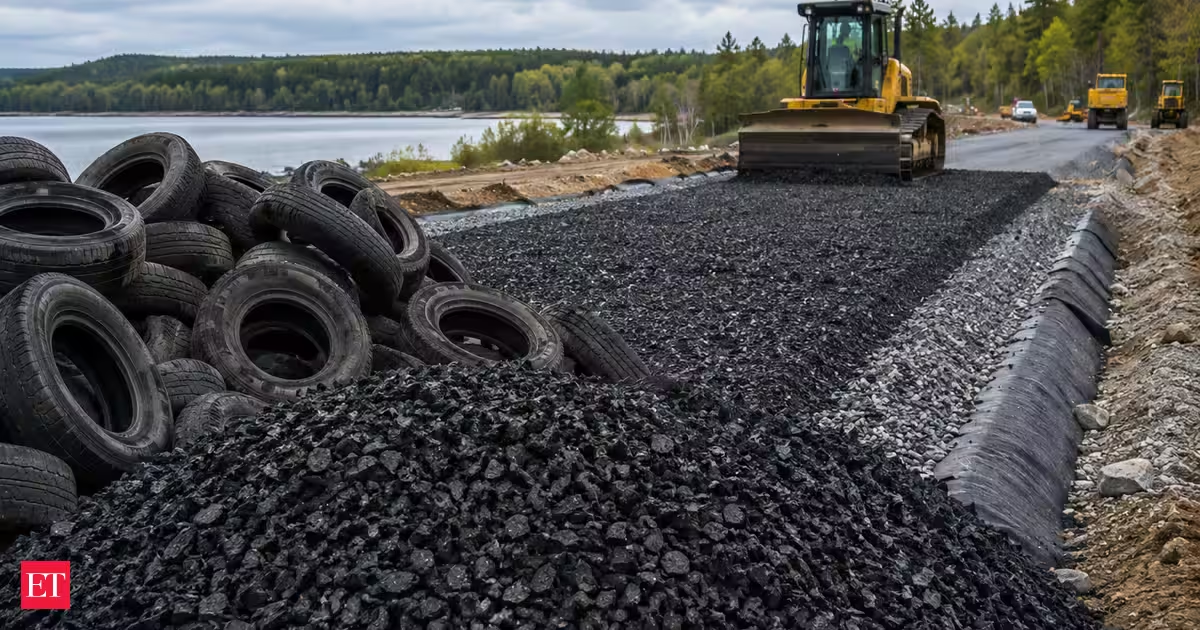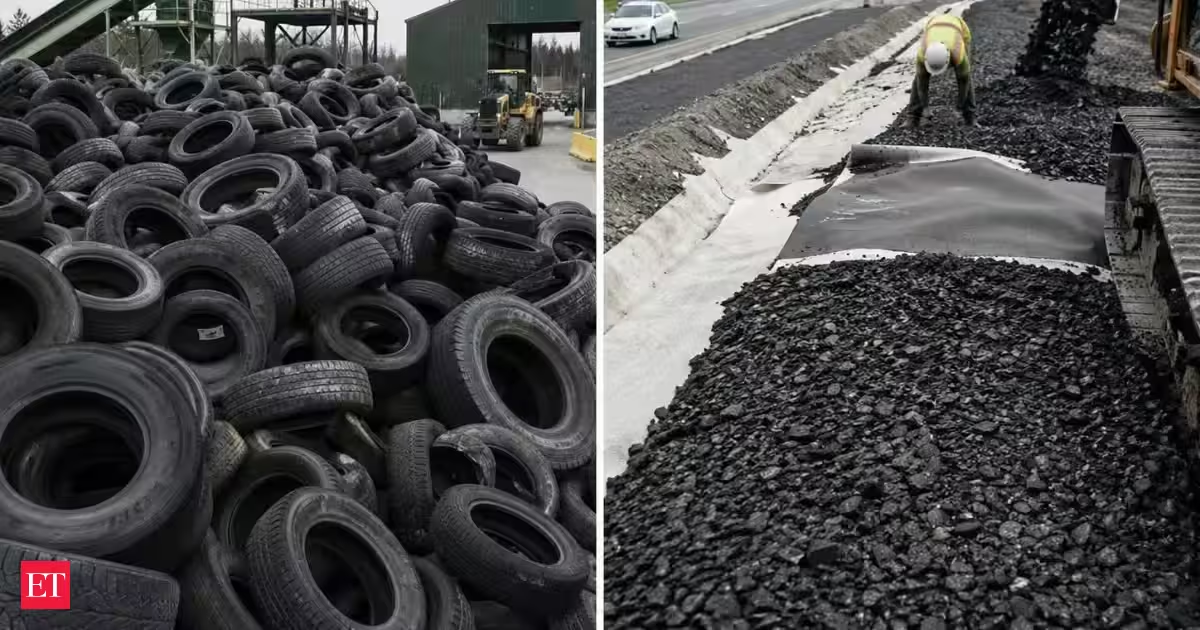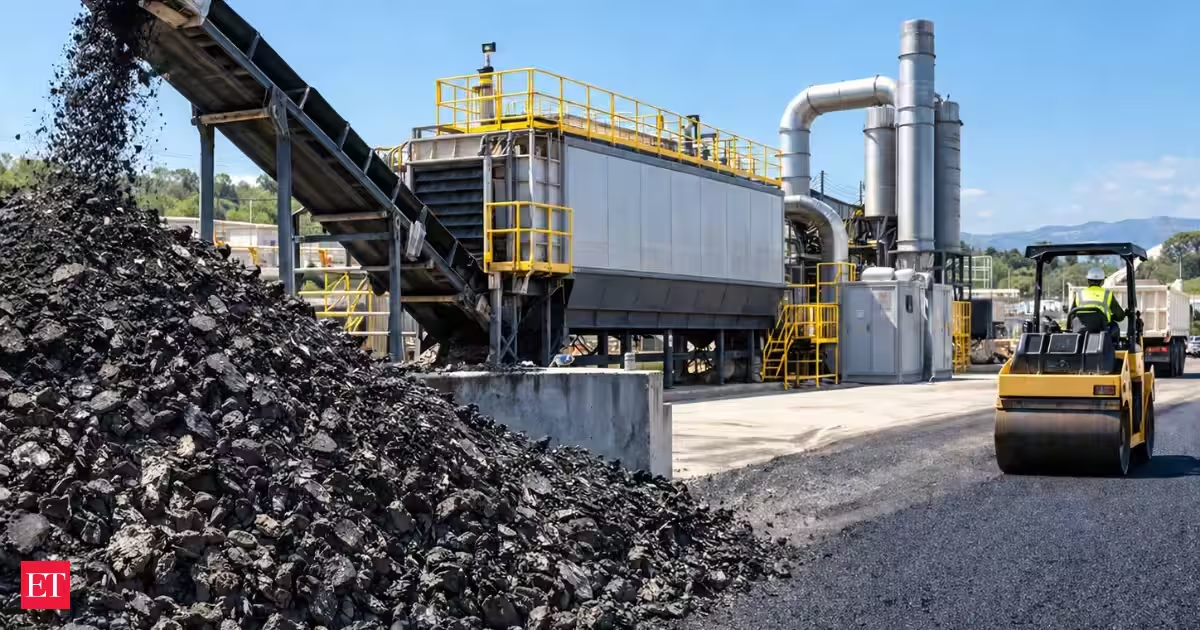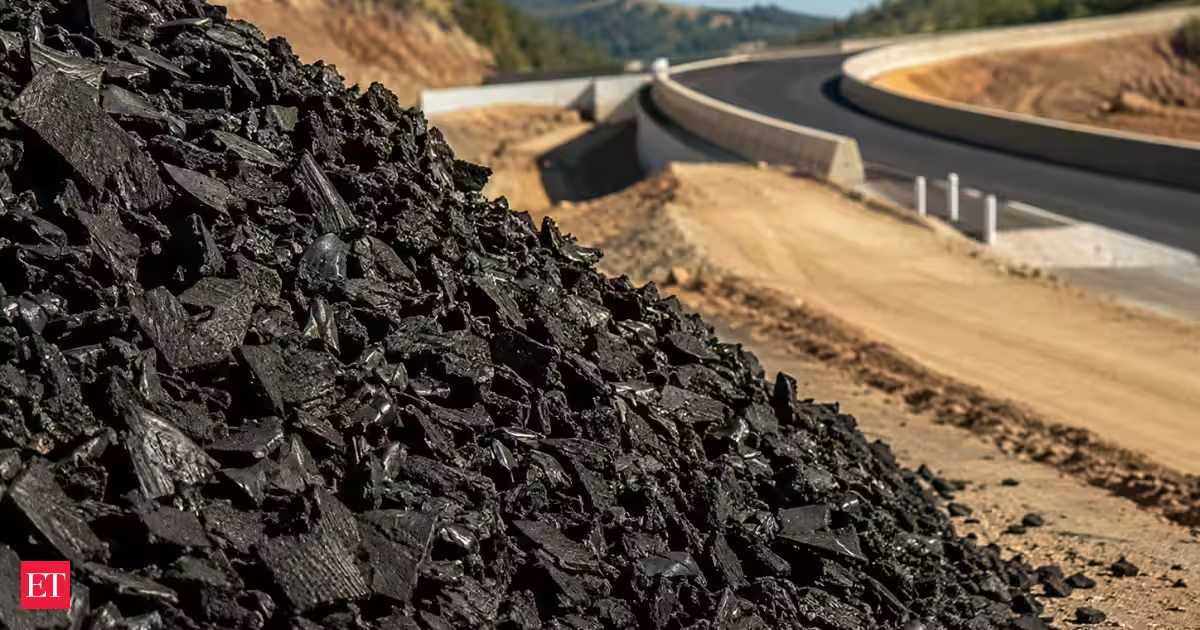
In Milpitas, California, an on-ramp connecting Dixon Landing Road to southbound Interstate 880 sits on a foundation most drivers would never guess. Under it hides 662,700 shredded tires, packed in as lightweight fill instead of regular rock or soil. According to CalRecycle, California's recycling and recovery agency, which took over the state's tire recycling programs from the former California Integrated Waste Management Board, this stretch of ground could barely hold weight, and the tires solved a problem that conventional construction materials could not.A ramp built on soft mudThe ground beneath this stretch of I-880 is unstable. The site sits on about 30 feet of mud from San Francisco Bay, a weak layer of soil that cannot support heavy structures, per CalRecycle. Caltrans needed a way to build the embankment without it settling or sinking unevenly over time. Two lightweight fill materials were considered: tire-derived aggregate made from scrap tire pieces and manufactured lightweight aggregate. Caltrans chose the tire aggregate: it weighed about 50 pounds per cubic foot, lighter than the roughly 60-pound alternative, and cheaper too. Tire-derived aggregate is made by shredding used tires into pieces a few inches across that can replace gravel, rock, or soil in construction projects.Engineers built the embankment in layers, sandwiching shredded tire fill between soil to cut the load on the soft bay mud below (representative image). Image Credits: ChatGPTTurning scrap tires into building blocksCoordinating the tire supply took planning. CalRecycle explains that the agency arranged it through an agreement with Caltrans. Some tires were stored in advance at a landfill near the interchange because of heavy traffic in the area. The project consumed 6,627 tons of recycled tires, which is about 662,700 passenger tires. The design itself was a sandwich of layers: two 10-foot-thick layers of shredded tire, wrapped in geotextile fabric and separated by a layer of low-permeability soil, with additional soil covering the structure on top, bringing the finished embankment to roughly 26 feet tall, 700 feet long, and 50 feet wide. Dr. DingXin Cheng of California State University, Chico, who documented the project for a CalRecycle usage guide, calls it the first embankment project where Caltrans used shredded tires this way, and notes that the same layered approach became standard practice on later projects of this kind.Why lighter fill means less stressThe main goal behind using shredded tires was reducing stress on the fragile bay mud, and the numbers back that up. The built embankment put pressure of 2,250 pounds per square foot on the foundation ground. By comparison, a similar earth-filled embankment would have exerted 3,750 pounds per square foot, per CalRecycle. The importance of that weight reduction is greater than it might seem. In their 2010 paper, "Use of Tire-Derived Aggregate in Road Construction Applications," presented at the American Society of Civil Engineers' Green Streets and Highways conference, engineers Dana Humphrey and Michael Blumenthal describe how using lightweight fill material lowers the risk of excessive settling and slope failure in areas of soft ground, such as that at Dixon Landing.Shredded into chunks and packed in layers, tires like these now hold up part of Interstate 880. Image Credits: PexelsThe savings added up tooBesides the engineering benefits, the project made financial sense too. By using tire-derived aggregate instead of the lightweight aggregate alternative, Caltrans saved an estimated $477,000, CalRecycle estimates. The project also used approximately 660,000 scrap tires, at a time when illegal tire disposal and the related problem of costly tire pile fires were becoming a growing threat in California. The state was producing around 40 million waste tires a year by the late 1990s, per the agency's records.A quiet fix that still holds upCalRecycle reports that the Dixon Landing embankment has been in continuous use for 22 years and counting, with no repairs or structural issues recorded. It served as a blueprint for later tire-derived aggregate projects in California, which have since been used for landslide repairs, retaining walls, and even rail lines, as later CalRecycle project records indicate. It’s easy to drive over a highway ramp and not think twice about it. However, under this one in Milpitas, a pile of old tires has been quietly holding up a road, showing that sometimes the best fix for a tough engineering problem is something most people would otherwise discard.
In 2000, California packed 6,627 tons of shredded tires beneath Dixon Landing Road; the lightweight fill saved an estimated $477,000
Discover how California utilized 6,627 tons of recycled shredded tires beneath Dixon Landing Road, significantly reducing foundation stress and saving nearly half a million dollars in construction costs.
712 words~3 min read