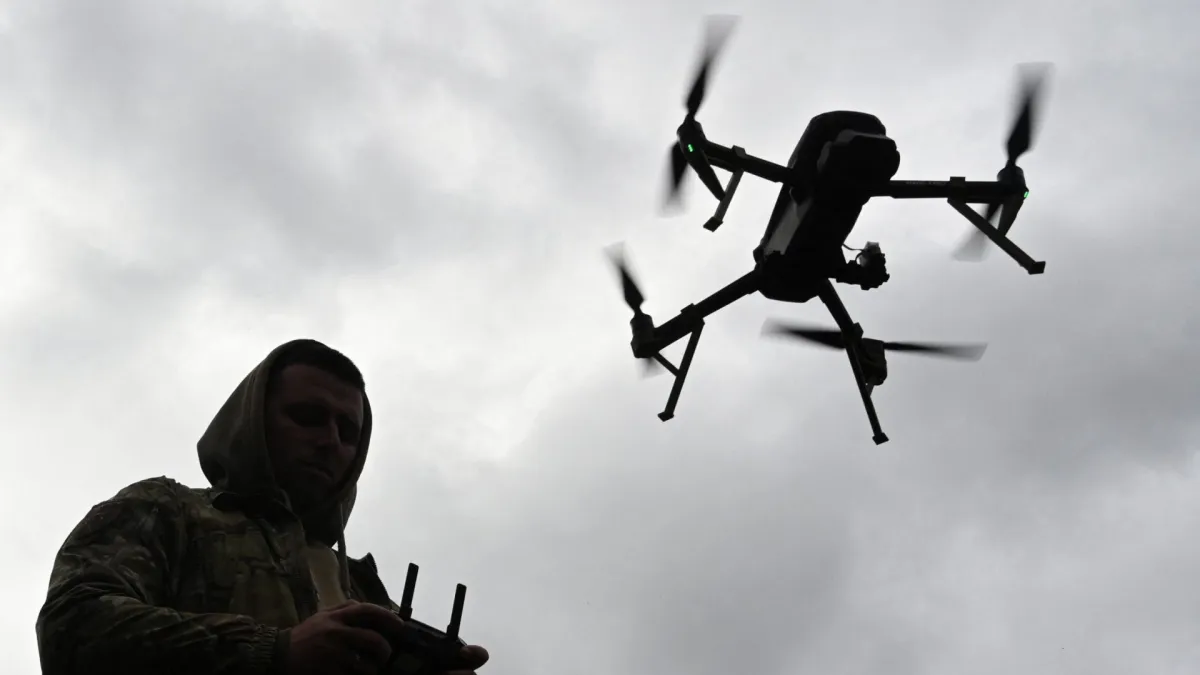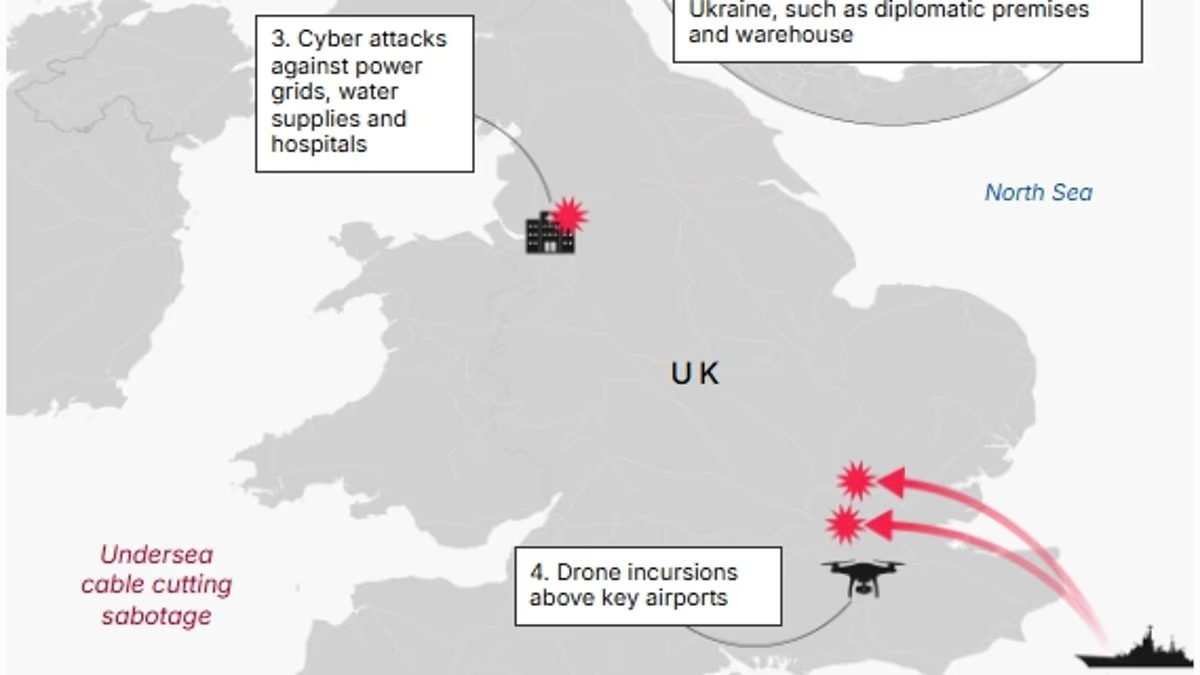
Since the Russian embassy in London warned in August that the UK’s support for Ukraine – especially its supply of drones used to hit targets far behind the front lines – would “carry consequences”, there has been speculation as to what those might be.
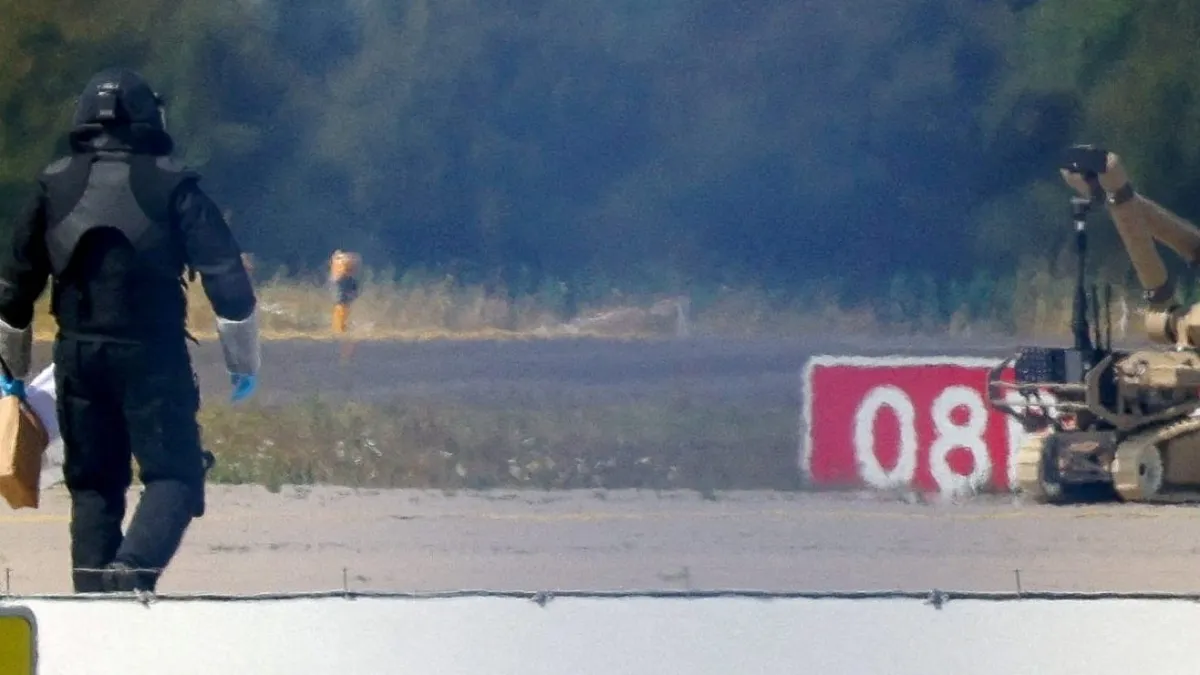
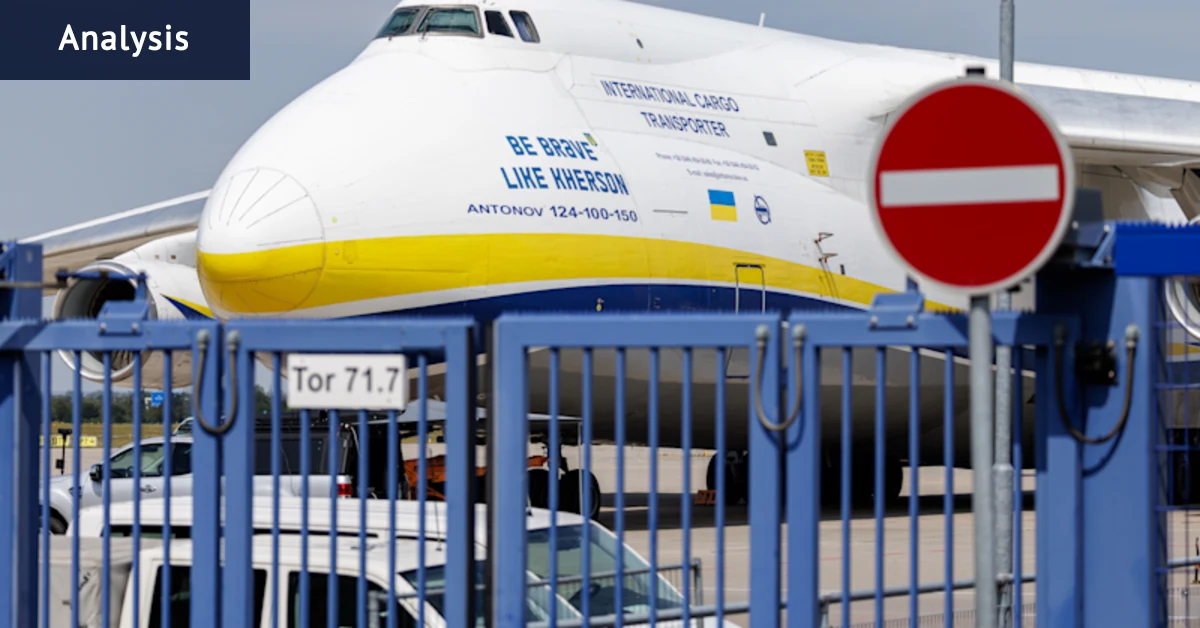
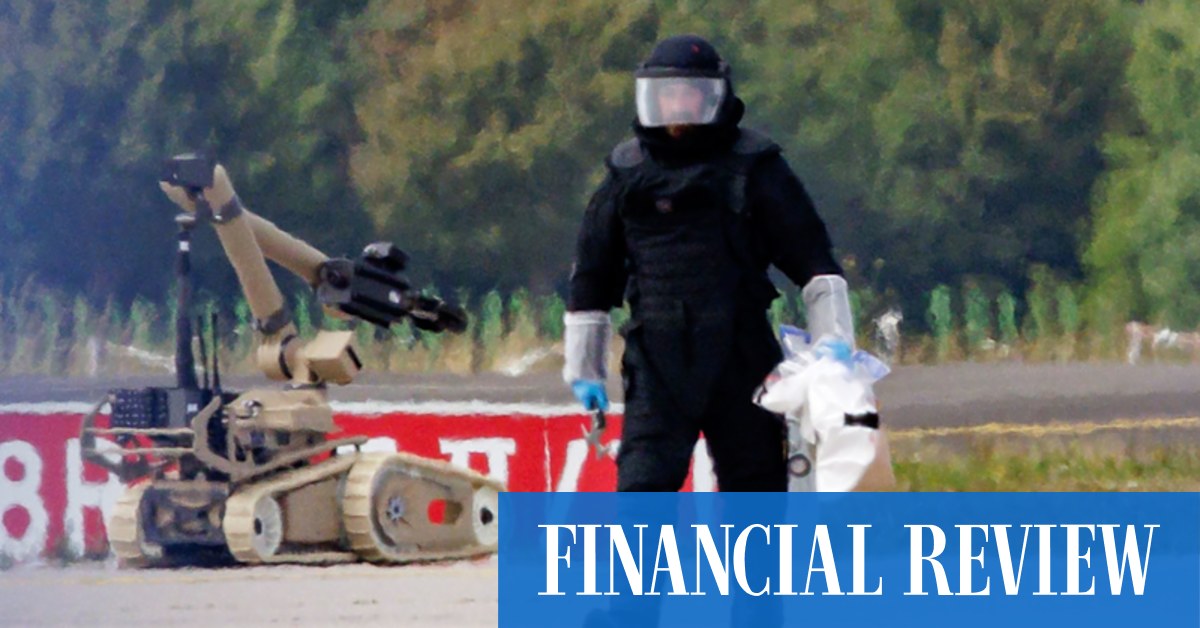
Recent events give us clues to Russia’s possible response. Just yesterday, Germany blamed Russia for a drone attack on Leipzig airport in August. In September 2025, Denmark refused to rule out Russian involvement when drones disrupted air traffic at Copenhagen Airport.
A look at recent history gives us a fuller understanding – and also strongly suggests this is a threat that will endure as long as Vladimir Putin is in the Kremlin.
For if the threat from Russia has become more obvious and active since the full-scale invasion of Ukraine in 2022, it did not begin then. After a kind of post-Cold War honeymoon, tensions between Russia and the West began to flare up again in the late 90s and early 2000s.
In the case of the UK, that included anger over the presence in London of people who were wanted in Russia. The most high-profile cases were those of Alexander Litvinenko, a former FSB agent, and Sergei Skripal, who had served in Russian military intelligence. Both were poisoned, Litvinenko, fatally, in 2006. Skripal and his daughter Yulia narrowly survived an attempt on their lives in 2018. They have been in hiding ever since.