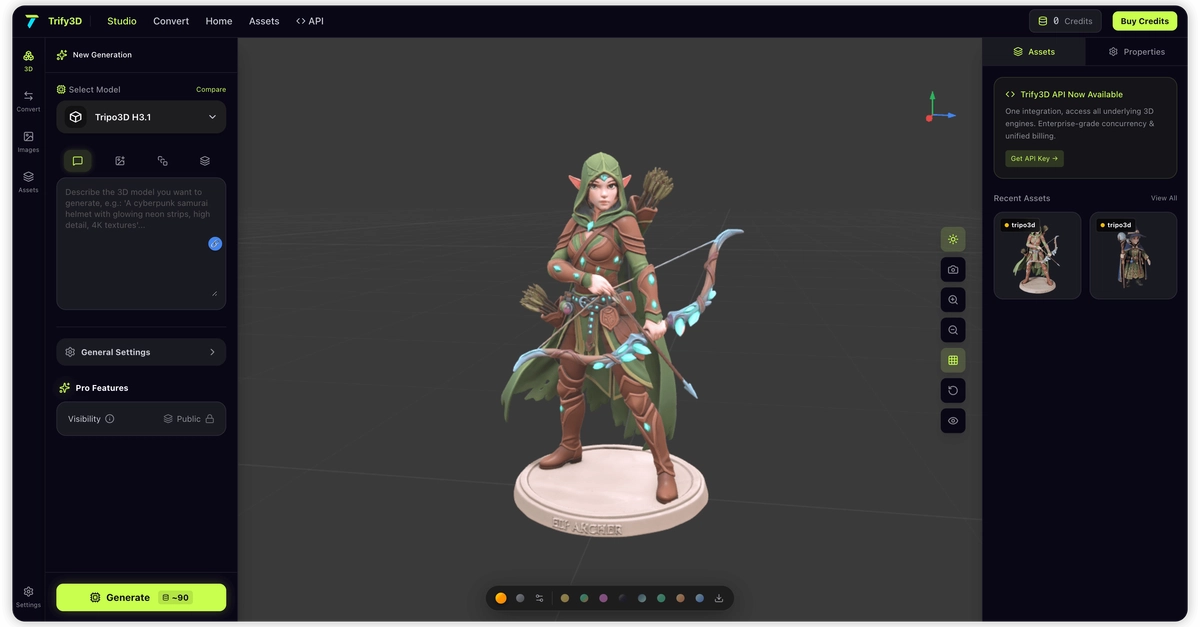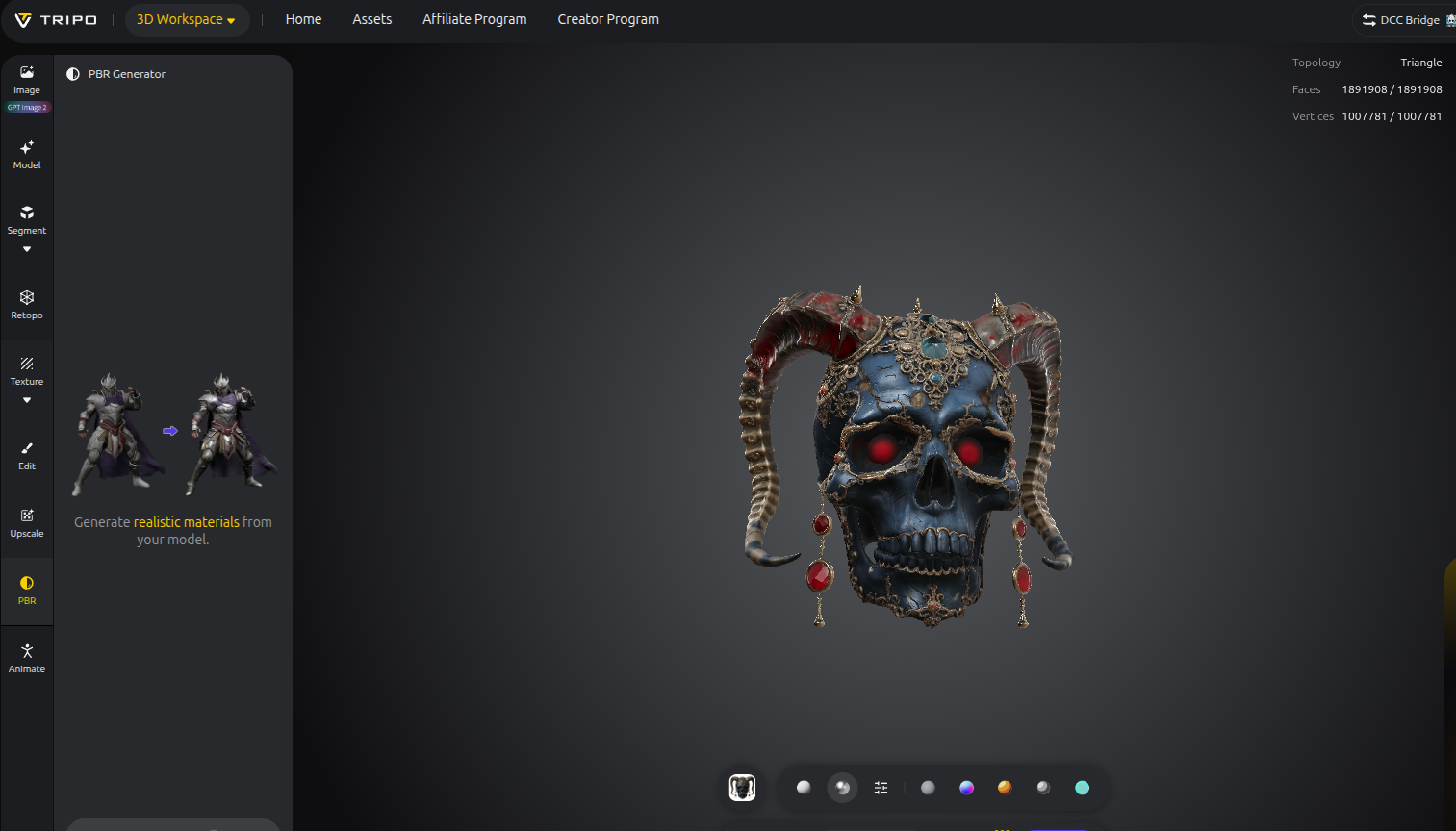
For AEC developers, the important Shapezo vs. Tripo3D question is not which interface produces a more attractive preview. It is where each tool fits in a pipeline that must preserve context, provenance, scale, and human review.
Shapezo is useful for architectural intent at the site level: building envelopes, spatial hierarchy, public edges, circulation, and a complete scene that stakeholders can reason about. Tripo3D is useful for rapid asset generation from prompts or references: a way to create candidate forms, props, facade studies, or scene ingredients before a production model exists.
Model the Right State
An AI-generated mesh is not automatically a design model. It may be an excellent hypothesis, but it can lack stable dimensions, predictable topology, material semantics, or a reliable origin. A Shapezo study has a different kind of value: it can organize the building and the site into a spatial proposition even while details remain provisional.
The pipeline should make that distinction explicit. Treat Tripo3D output as exploratory_asset until it passes checks for scale, orientation, geometry quality, and intended downstream use. Treat a Shapezo option as concept_site_state until its key constraints and assumptions are validated. Avoid a single ambiguous status such as final.