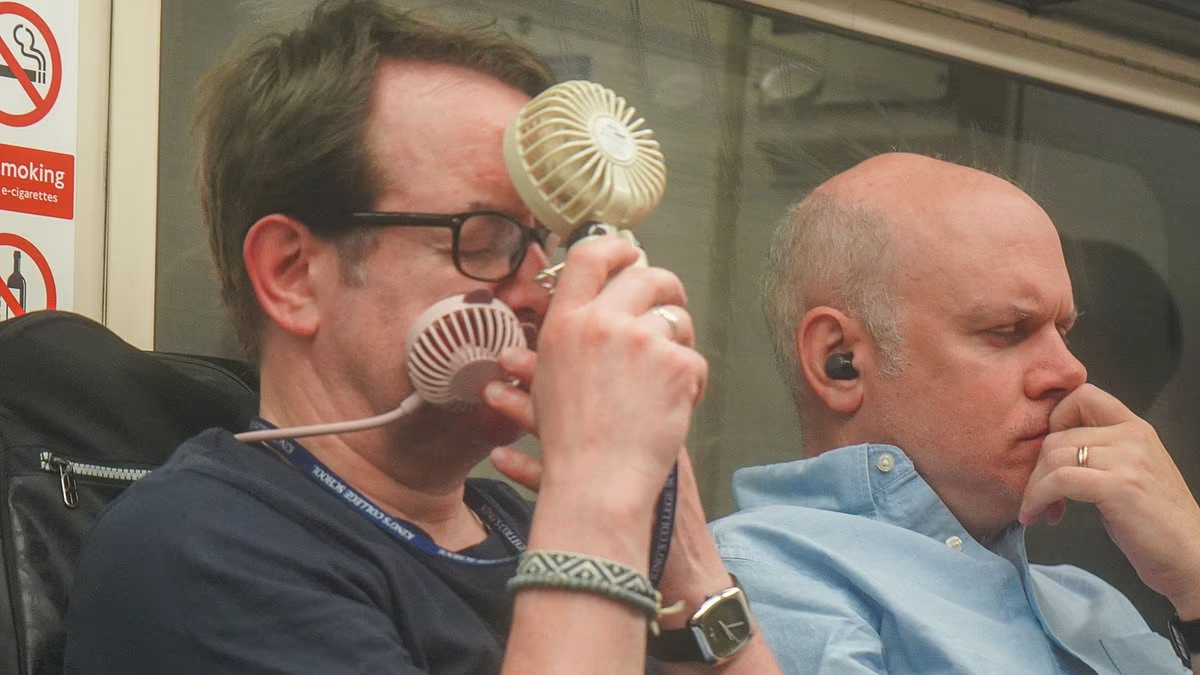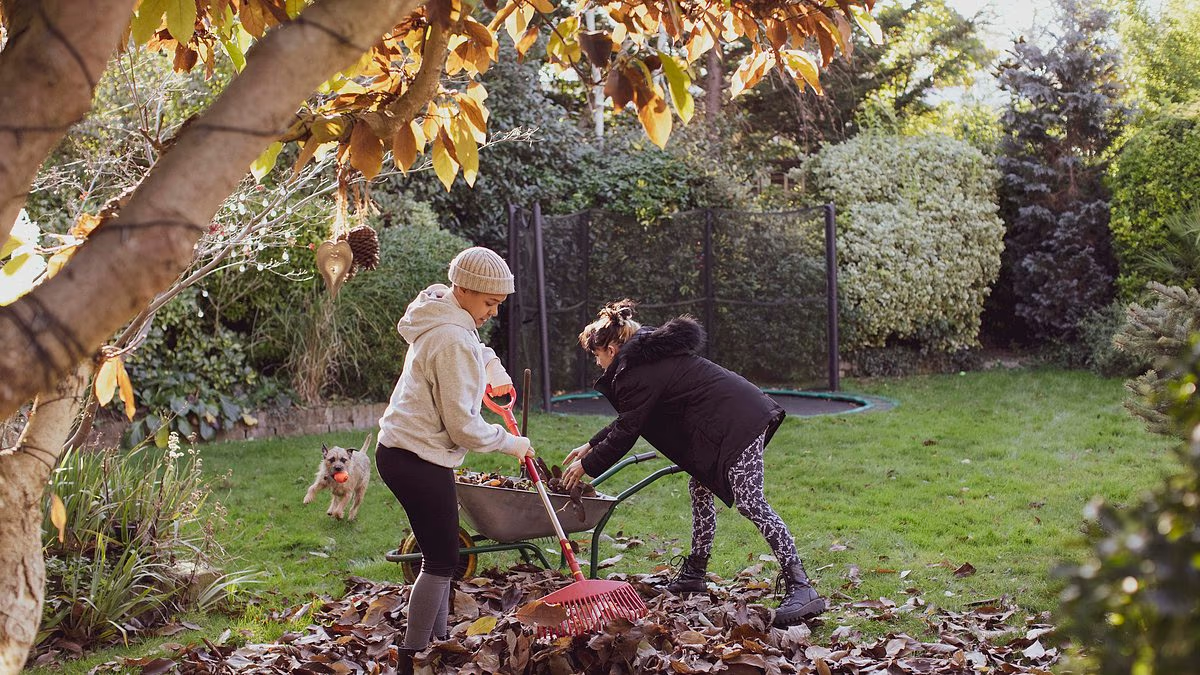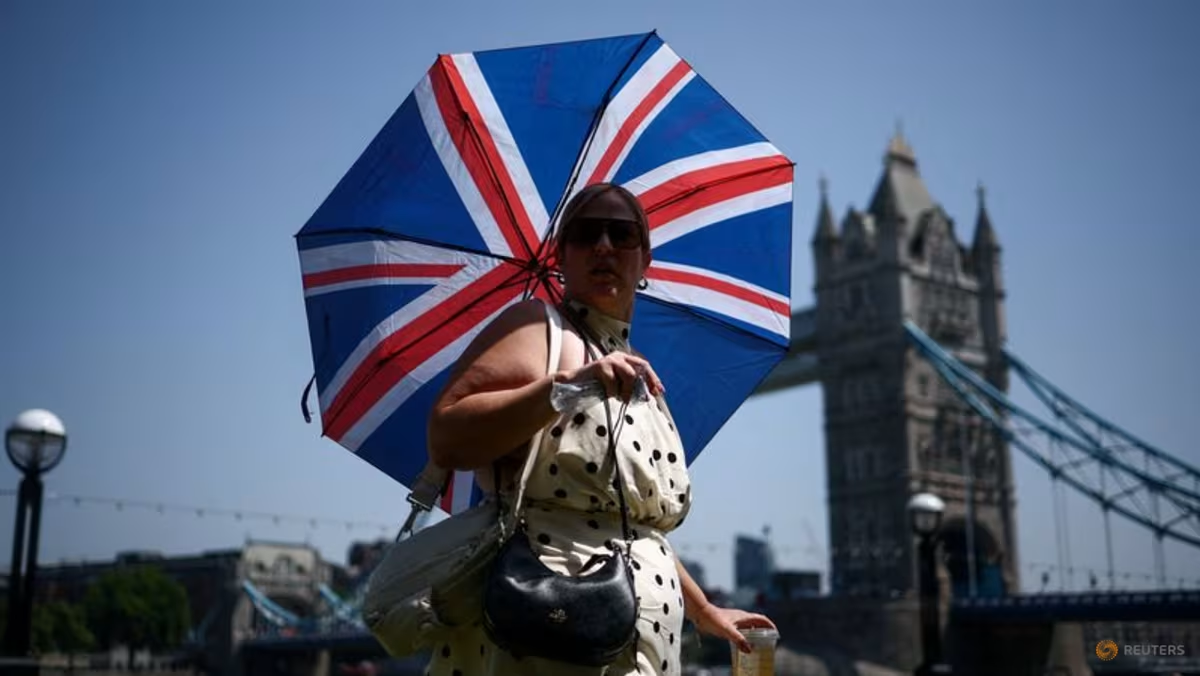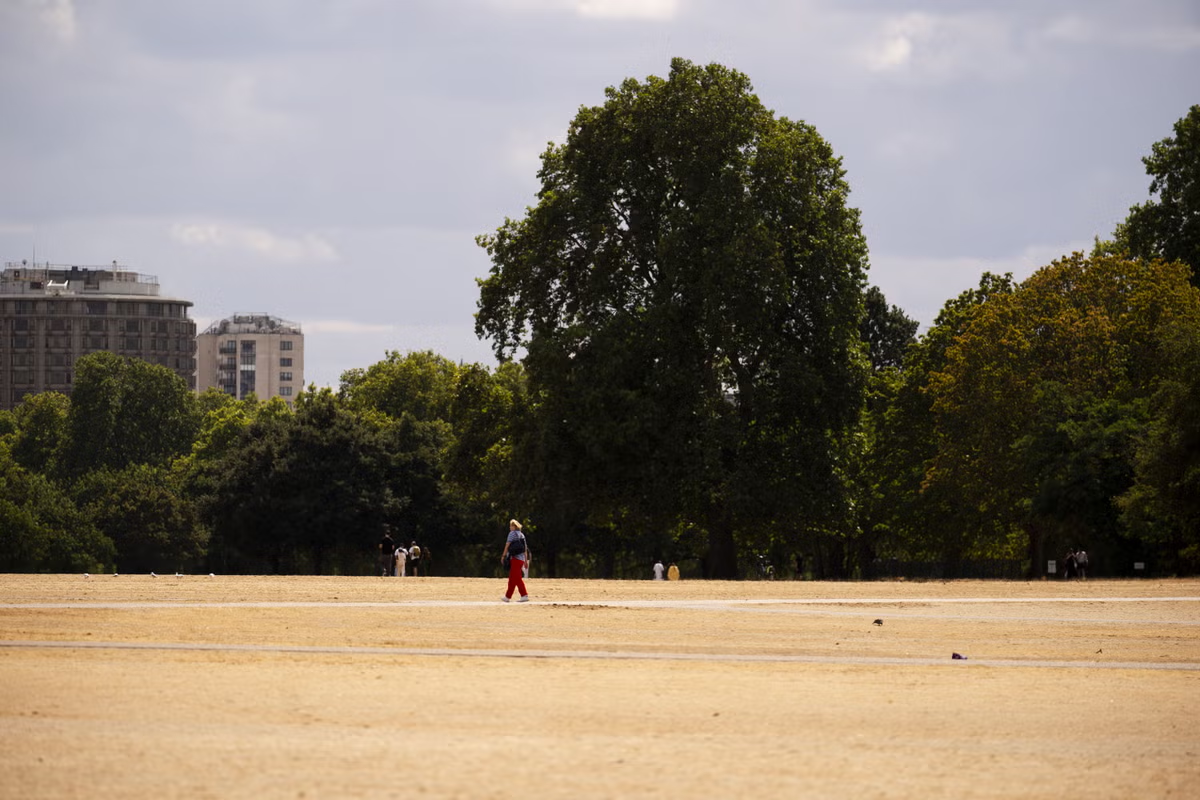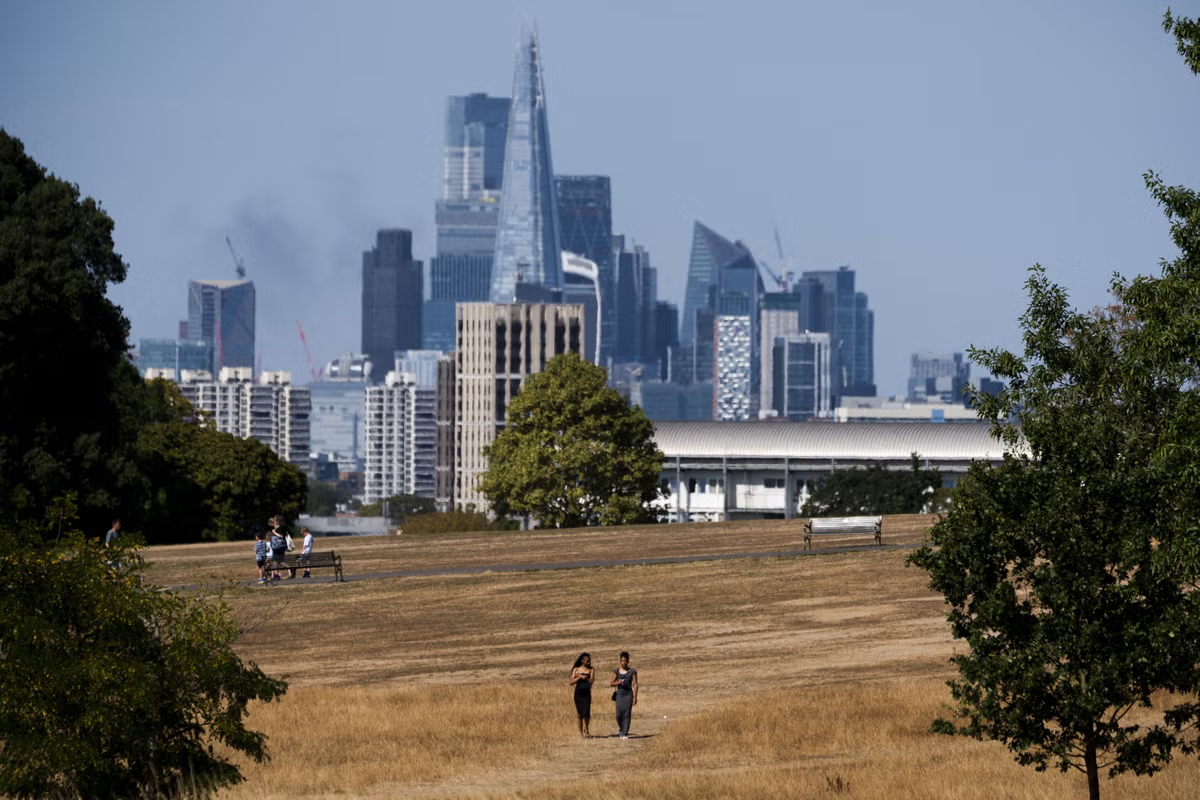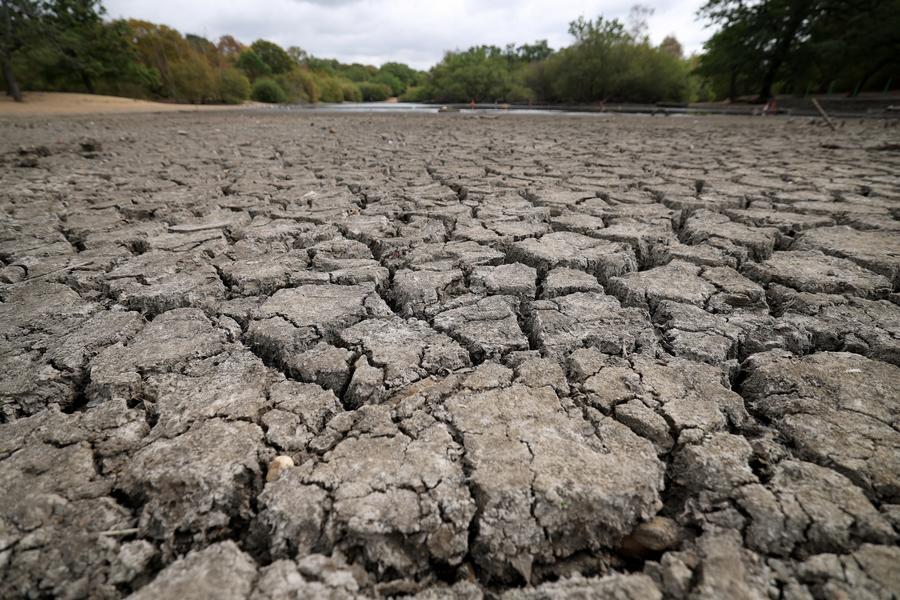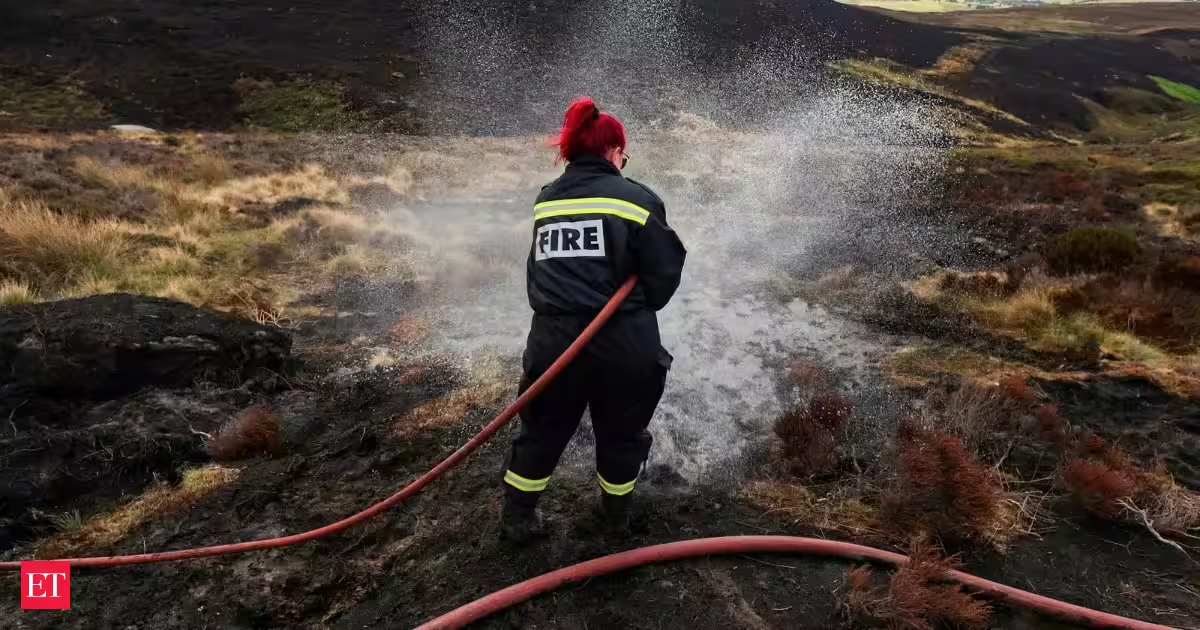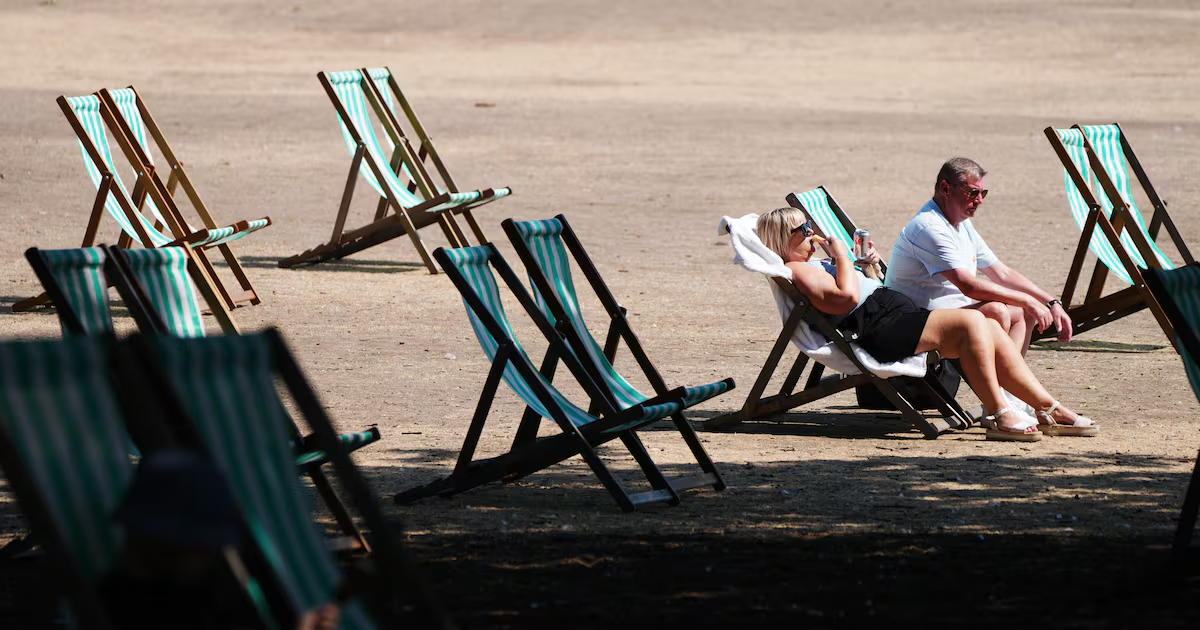
Some claim autumn does not officially begin until September 23rd. I only know this because people are doing what they generally do and arguing about it on the internet. During the average summer, that fact feels largely academic as we start shrugging on coats in August and watching the darkness sidle in early with the shame of someone breaking a commitment prematurely: “Oh sorry, I got bored waiting, so here I am again.” This summer has been the sort that sticks in memory; it’s been the kind that would define a whole childhood if it fell during your youth. The long, hot summer. The one that dried out the earth under your feet.Particularly here in London, there has been the sort of prolonged, angry heat that delights and punishes in equal measure. Weeks of sleepless nights as you lie tangled in a duvet cover divested of the duvet, the grass outside desiccated into various shades of yellow-brown, sweat trickling down shins and spines as you stand, unable to fill your lungs, on a crowded tube. It has been a summer that has felt almost endless – the rare kind during which you never realise that you’ve been caught without your jacket and now suddenly it’s chilly. I went through eight or nine tubes of SPF 50 just trying to keep from getting burnt and still failed more than once. For weeks on end, the sun exerted its downward force day and night, the residual heat pumping out of thick old walls in radiating waves through the darkness. The pressure felt like a hand on the back of your neck. Rain became something theoretical – a series of sounds, smells and sensations you recall well but question whether you’ll ever experience again.Nothing felt normal. London already features numerous bizarre little microclimates. You’ll see a tropical plant growing outdoors in some suburban garden and have to rearrange your thoughts for a moment to remind yourself where you are. On a day trip to Kew, I saw a banana tree in someone’s garden and spun out of being for a moment. In my own west London neighbourhood, a strange climbing plant with angular leaves that seemed somehow both recognisable and alien in shape turned out to be a grapevine. The fruits lazed complacently on the vine, fattening into plump ovoids furred by a patina of soft white velvet. As they flourished in the heat and the impossibly dry soil, they would pass their best and drop explosively to the pavement below, breaking into rich purple splotches that bled over the grey. Irish people understand how to do autumn. We know how to shrug on a jumper and turn the lamps on and the big light off. Reality will resume a recognisable shape, we hopeIt felt extraordinary to walk past a grapevine heavy with ripe fruit on a London street every morning. The sybaritic excess of it – an impossible obscenity of riches. Something anomalous that only this anomalous summer could possibly produce. Nothing about it felt normal. The world is remade in sunny weather; we all know that. But when it continues for weeks, reality begins to unravel and reshape itself. Things become possible that were not so before; what seemed familiar becomes unrecognisable. Your white T-shirts are yellowed with sun cream, you need a glass of water all day long, there are grapes growing down the street. This just is not what we know. The vine gets too heavy.One of the exhaustions of modernity is made harder in the heat; nothing can simply be what it is as an experience. It must always be politicised, commodified, narrativised or solved. It must be leveraged as a symbol of something else or held up as a symptom of a deeper and more panic-inducing problem. Absolutely everything has to augur something or reflect our denuded culture and humanity back at us. It’s all a sign of the end: the decline of civilisation. You cannot simply suffer in the heat, allowing it to do what it does, which is to reduce you to an embodied creature: an overheated man in a van or a woman sweating while she pushes a buggy containing a carefully shaded baby. You can’t just be uncomfortable at a bus stop. You must suffer in the heat while understanding that we are all doomed and the elderly and infants have spent the whole summer at terrible risks. You must worry about whether the lack of air-conditioning in Europe is a sign that we have too much respect for human life, or none. Are our politicians environmentally conscious or are they trying to kill us? Should they care more about the environment we live in or the people who inhabit it? And where is my hat, and can I get a glass of iced water?[ How worried should we be about this year’s ‘Super-Duper El Niño’?Opens in new window ]The heat is about global warming, the political expediency or betrayal of air-conditioning, socioeconomic advantage and disadvantage, and health and safety. It is about anything and everything apart from heat. Because really the heat this summer has been one thing and our interpretation is another. This is the challenge of modernity. Everything always seems to be both. You can watch your geraniums die of drought while you worry about what it means more broadly, but also you must necessarily think about how the backs of your legs have been stuck to every chair you’ve sat on for weeks. You are pulled between broad interpretations of everything and the itchy stickiness behind your own knees while pathologically consulting the rectangle of anxiety that you keep in your pocket. If you can just know more, you might feel better somehow.Irish people understand how to do autumn. We know how to shrug on a jumper and turn the lamps on and the big light off. Reality will resume a recognisable shape, we hope. Meanwhile, in London, I’ll know the plant on the street is a grapevine and will remember the dropping-bursting sound of turgid fruits cracking wetly against the hard reality of the pavement below.
This has been a childhood-defining summer, one that dried out the earth under your feet
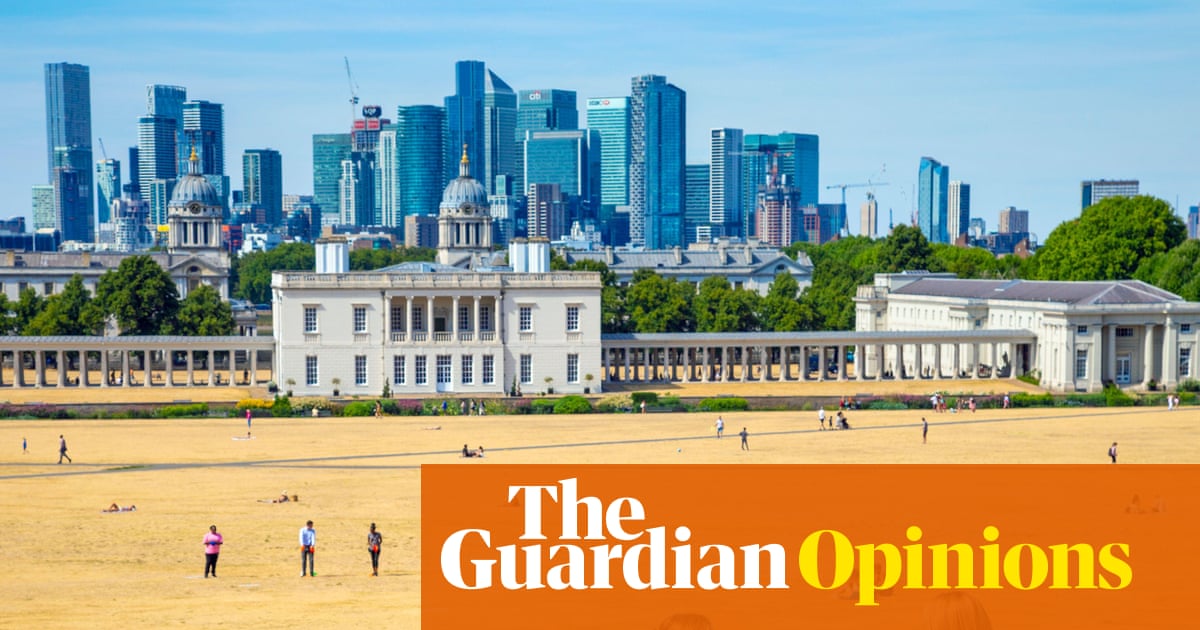
Here in London, there has been the sort of prolonged, angry heat that delights and punishes in equal measure
1,018 words~5 min read