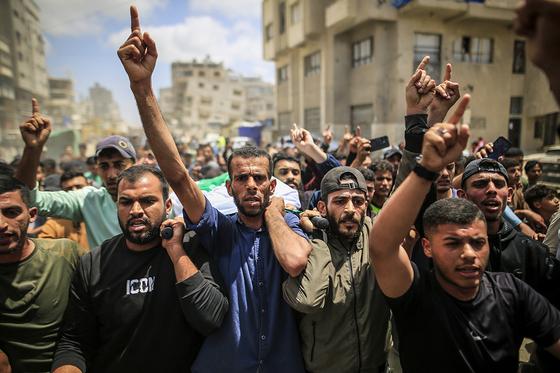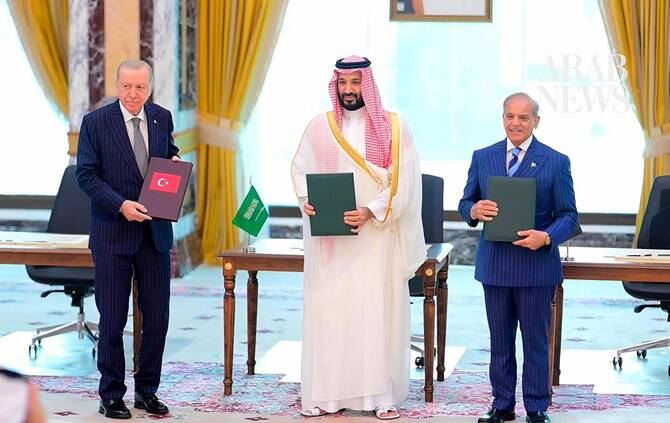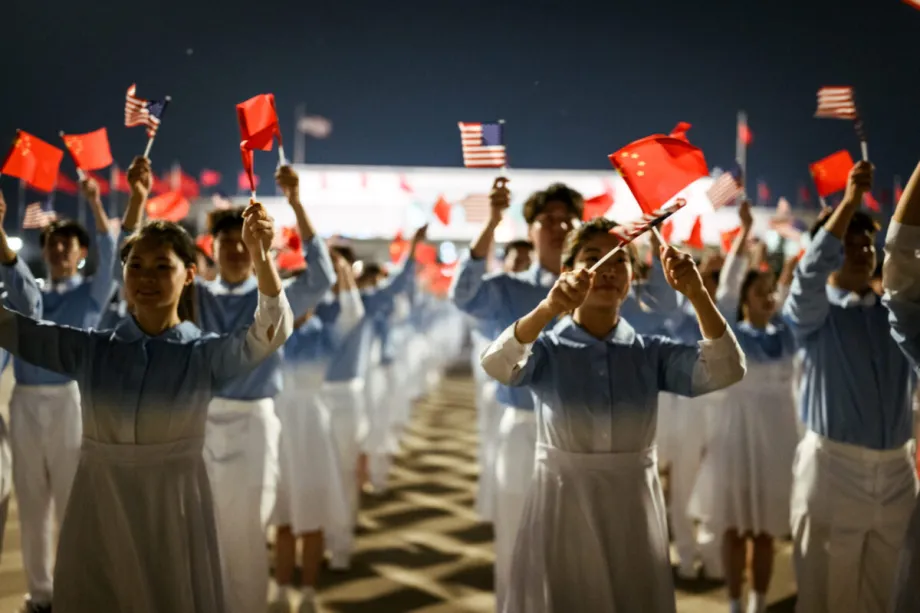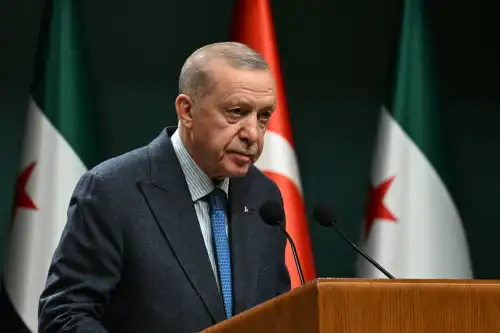
The Middle East has been undergoing a major transformation for the last two decades. First, the Arab Uprising and Revolutions that erupted in 2011 have uprooted the region. The Arab peoples started to rebel against their oppressive regimes with good intentions. That is why it was coined as the “Arab Spring” by international observers. Then, some pro-status quo regional powers such as Iran, Israel and the United Arab Emirates, and global powers such as the United States and Russia, directly or indirectly intervened in the regional crises and turned the region upside down.
Eventually, the “Arab Spring” turned into an “Arab Winter,” and the Arab world began to experience one of the worst periods in its history. However, the spirit of the Arab uprisings of 2011 continued to influence the regional balance of power. While most of the heavyweight players in the Arab world lost their influence in the region, Israel experienced one of the most secure periods in its history, as there was no longer any potentially threatening Arab state in the region. State structures in Tunisia, Libya, Syria and Iraq largely collapsed. Egypt, the largest and strongest Arab state, was severely weakened.
Israel tried to exploit the conjuncture and fill the power vacuum left by the Arab states. First, it tried to impose its hegemony through the Abraham Accords. Several Arab states such as the UAE, Morocco and Bahrain diplomatically recognized the state of Israel, and they agreed to let it resolve the Palestinian issue on its own terms. In other words, the Palestinian issue was considered a burden to be rid of. The Abraham Accords that secured Israel’s regional hegemony were used as the main instruments for the ultimate solution.