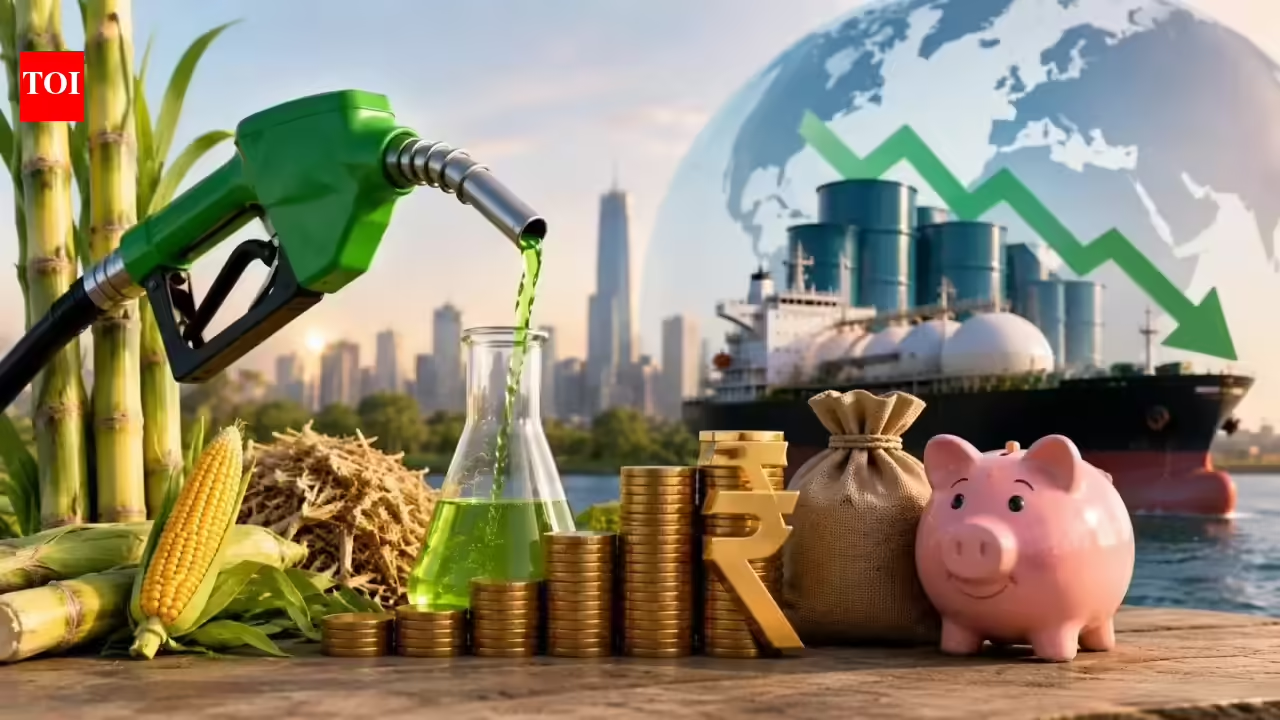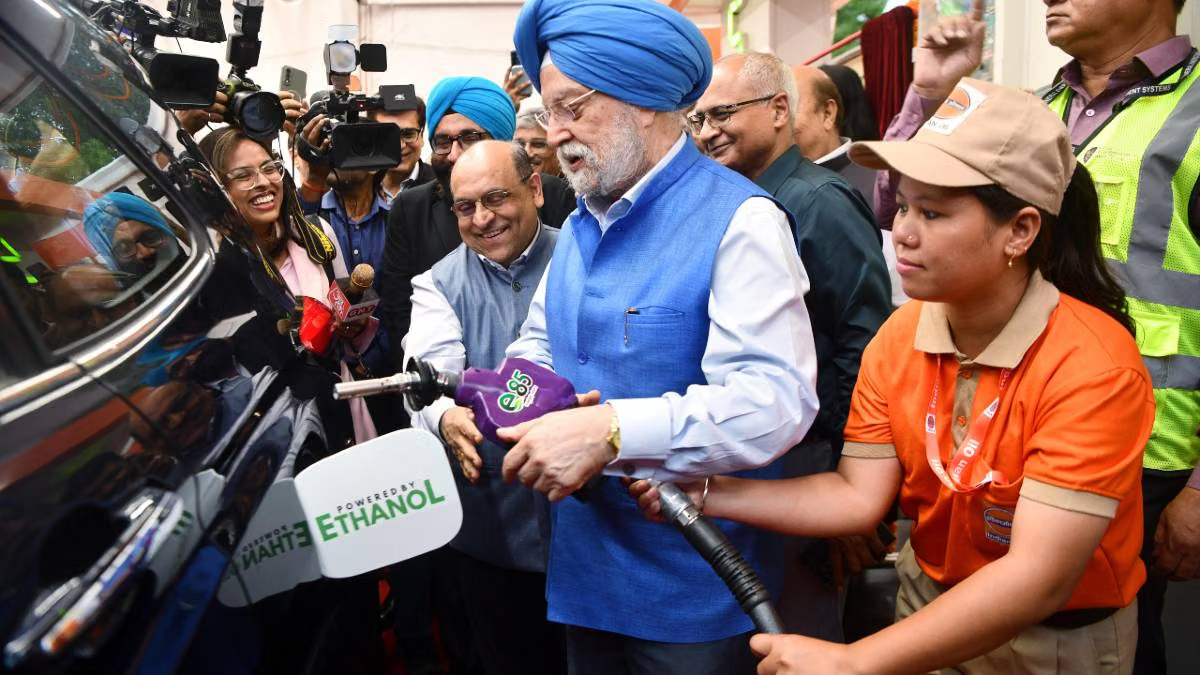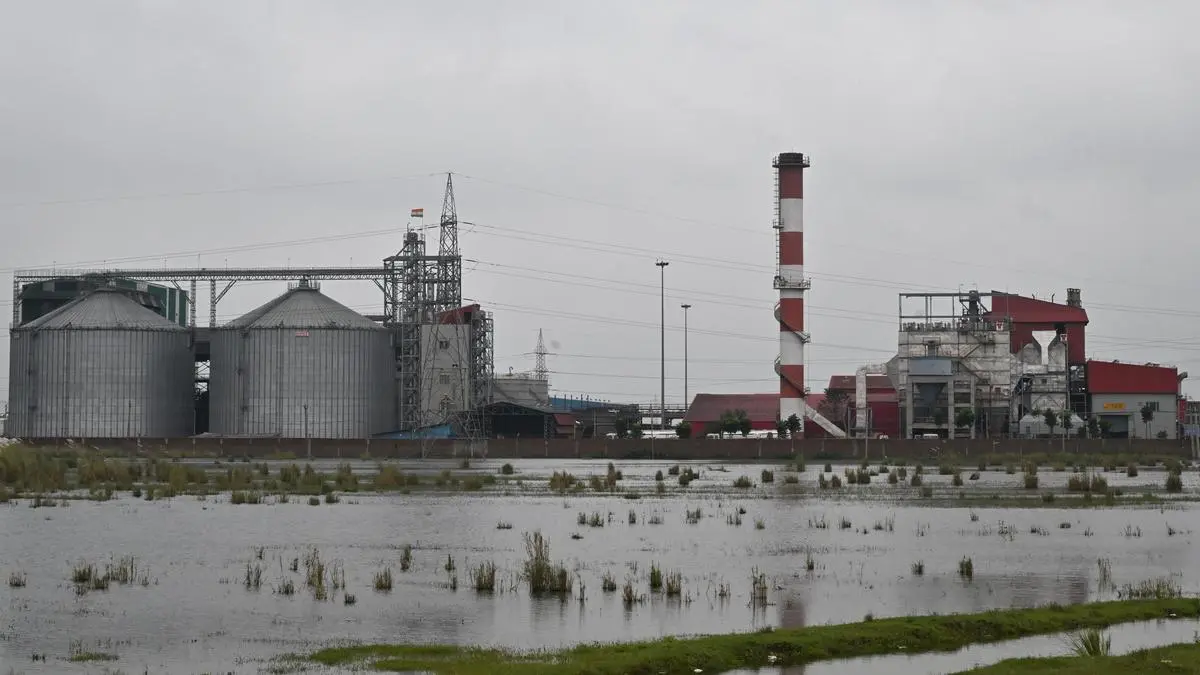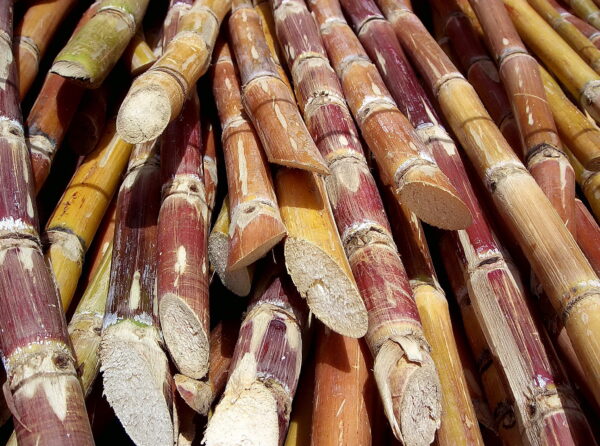
India’s ambitious plan to mix ethanol with petrol was touted as the country’s answer to reducing crude-oil imports, saving precious foreign exchange and, above all, bringing down petrol prices. Union Minister for Road Transport and Highways Nitin Gadkari, one of the biggest advocates of ethanol blending, had even said that the use of ethanol would bring down the price of petrol from around 110 Indian rupees or $1.15 per liter at present to just 15 rupees.
Gadkari is not the petroleum minister. His vociferous support for ethanol blending has raised many eyebrows. Opposition parties, including the Congress, have accused him of conflict of interest, alleging that the E20 fuel he is promoting benefits companies owned by his sons. Gadkari has dismissed these allegations as “politically motivated.”
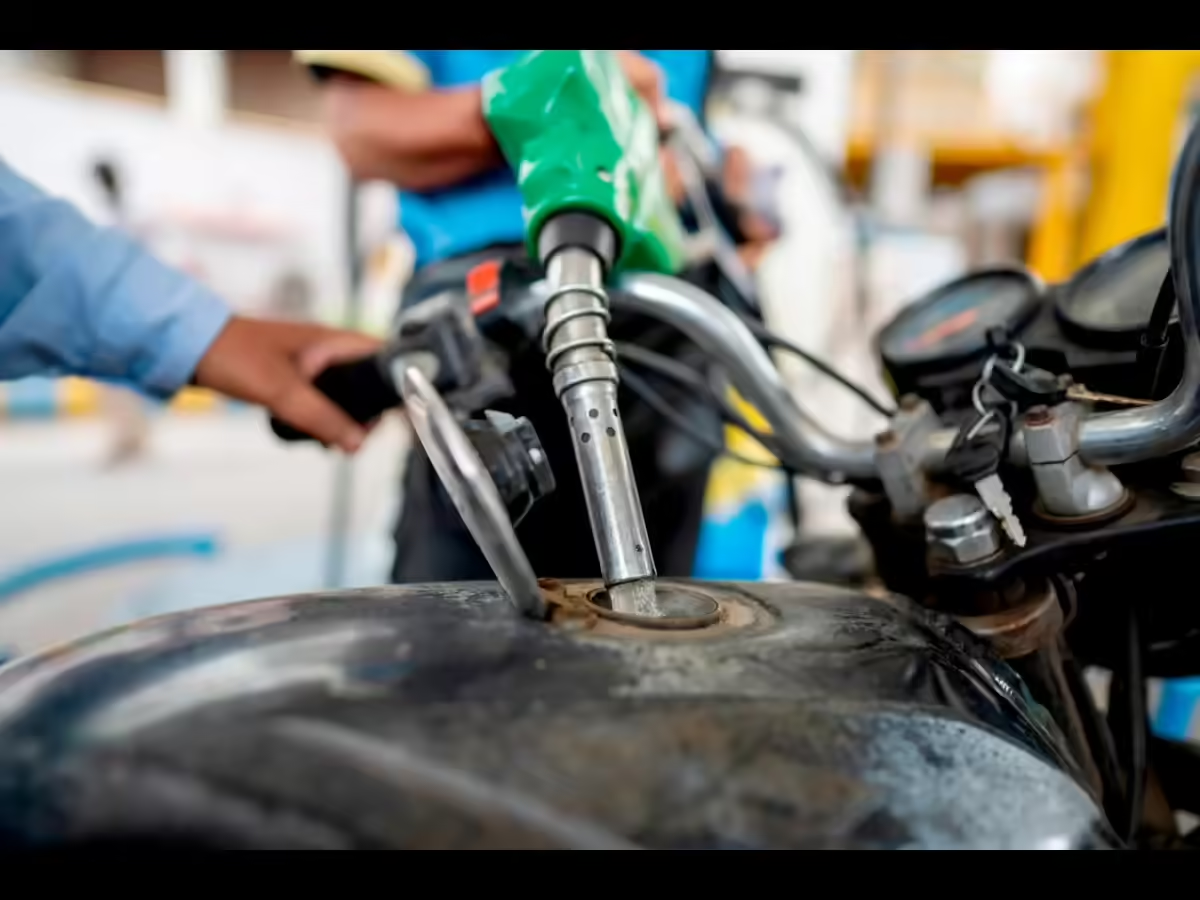
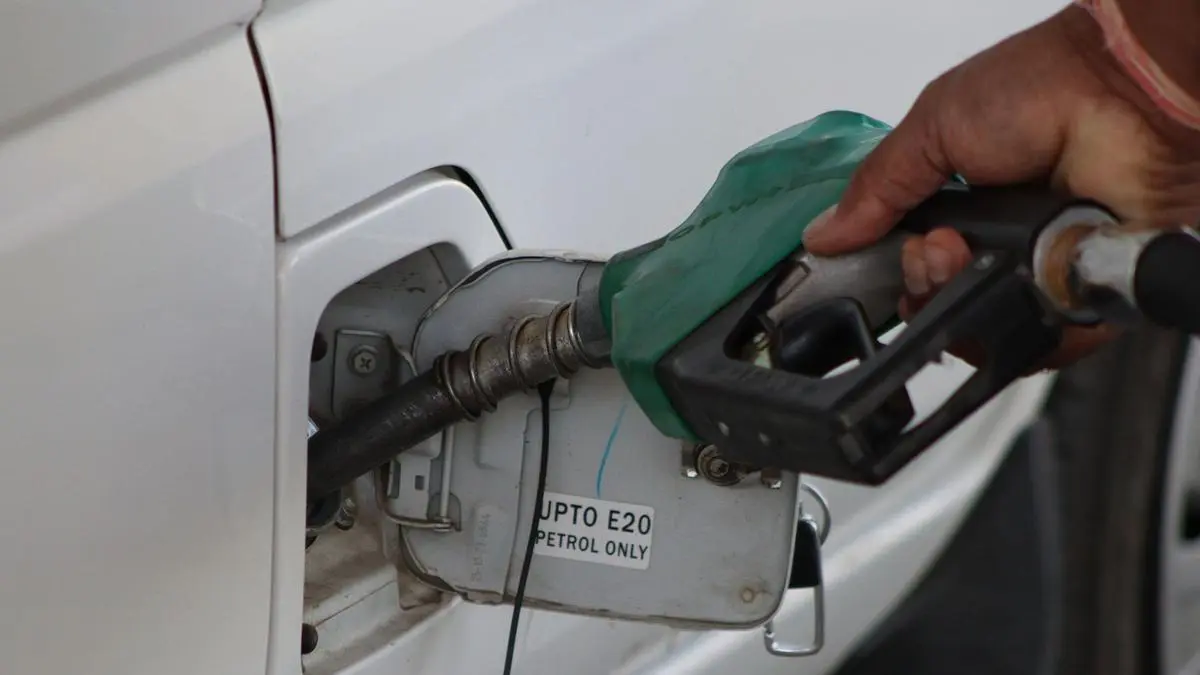
However, instead of conferring benefits on consumers, the introduction of E20, a blend of 20 percent ethanol with petrol, is taking a heavy toll on vehicles and the household budget of middle-class Indians. E20 has had no impact on petrol prices or crude oil imports. On the contrary, it has triggered concerns over mileage, compatibility and its effect on older vehicles. This has forced consumers to opt for ethanol-free, ultra-premium fuel, which is, of course, expensive.