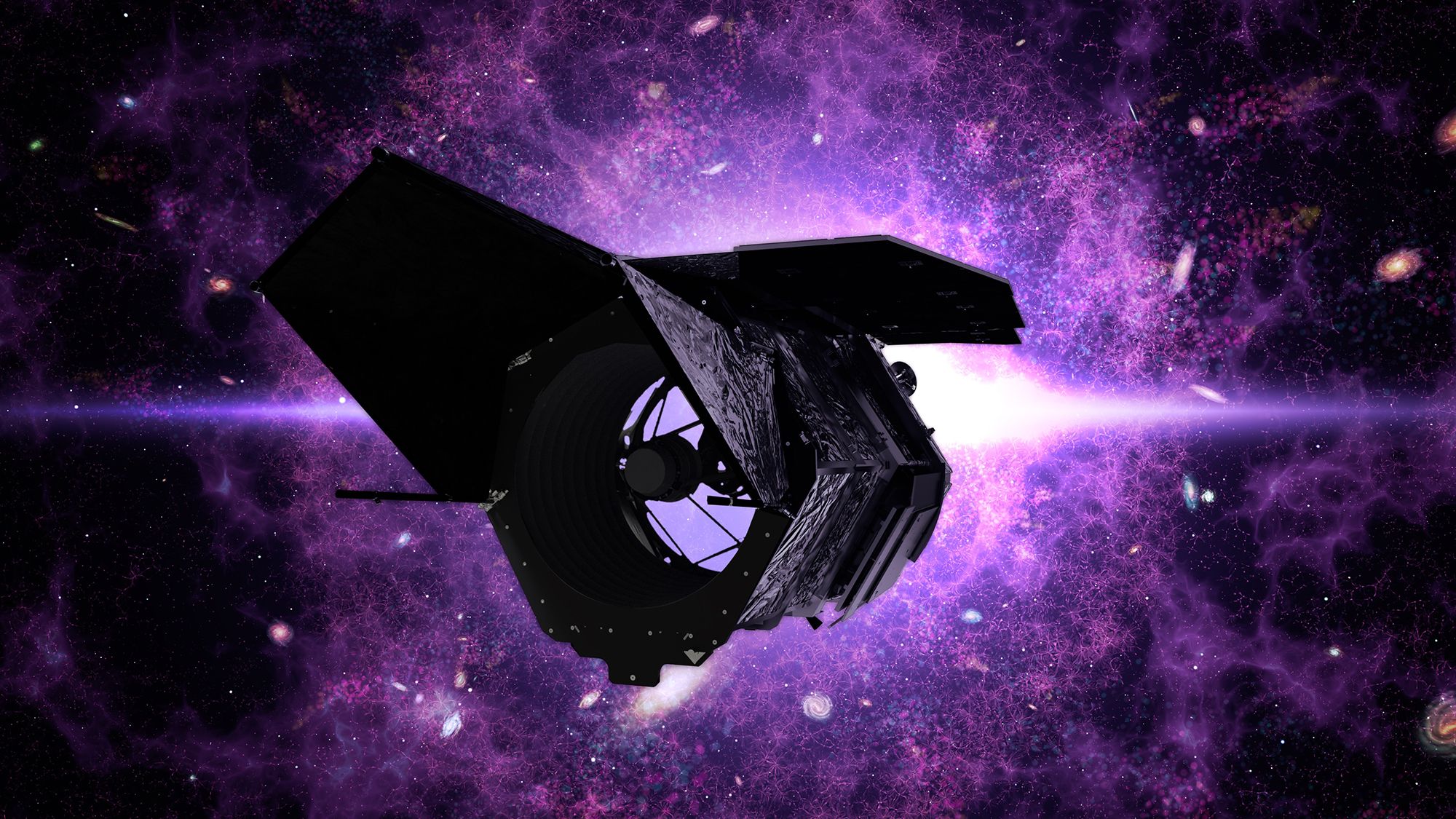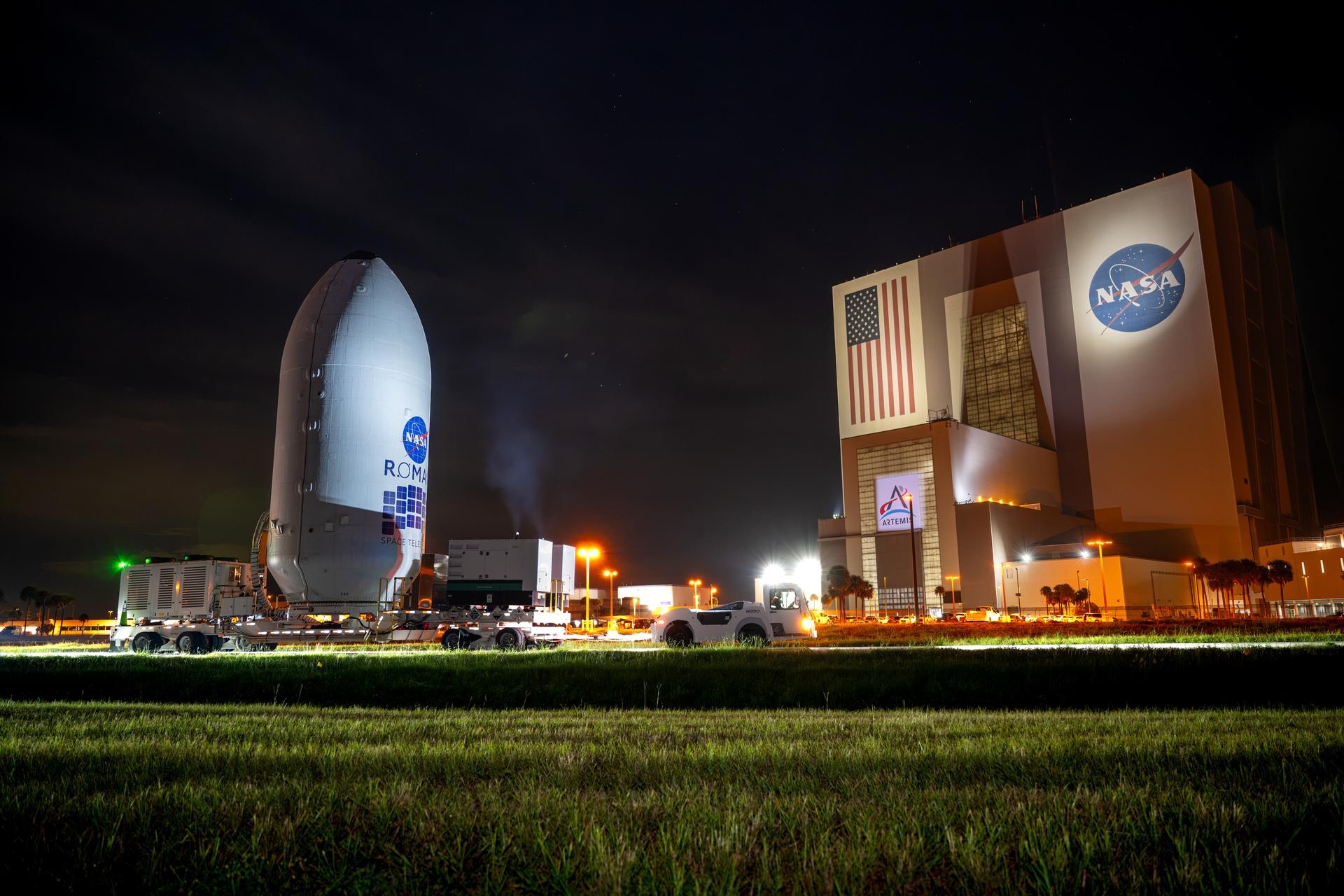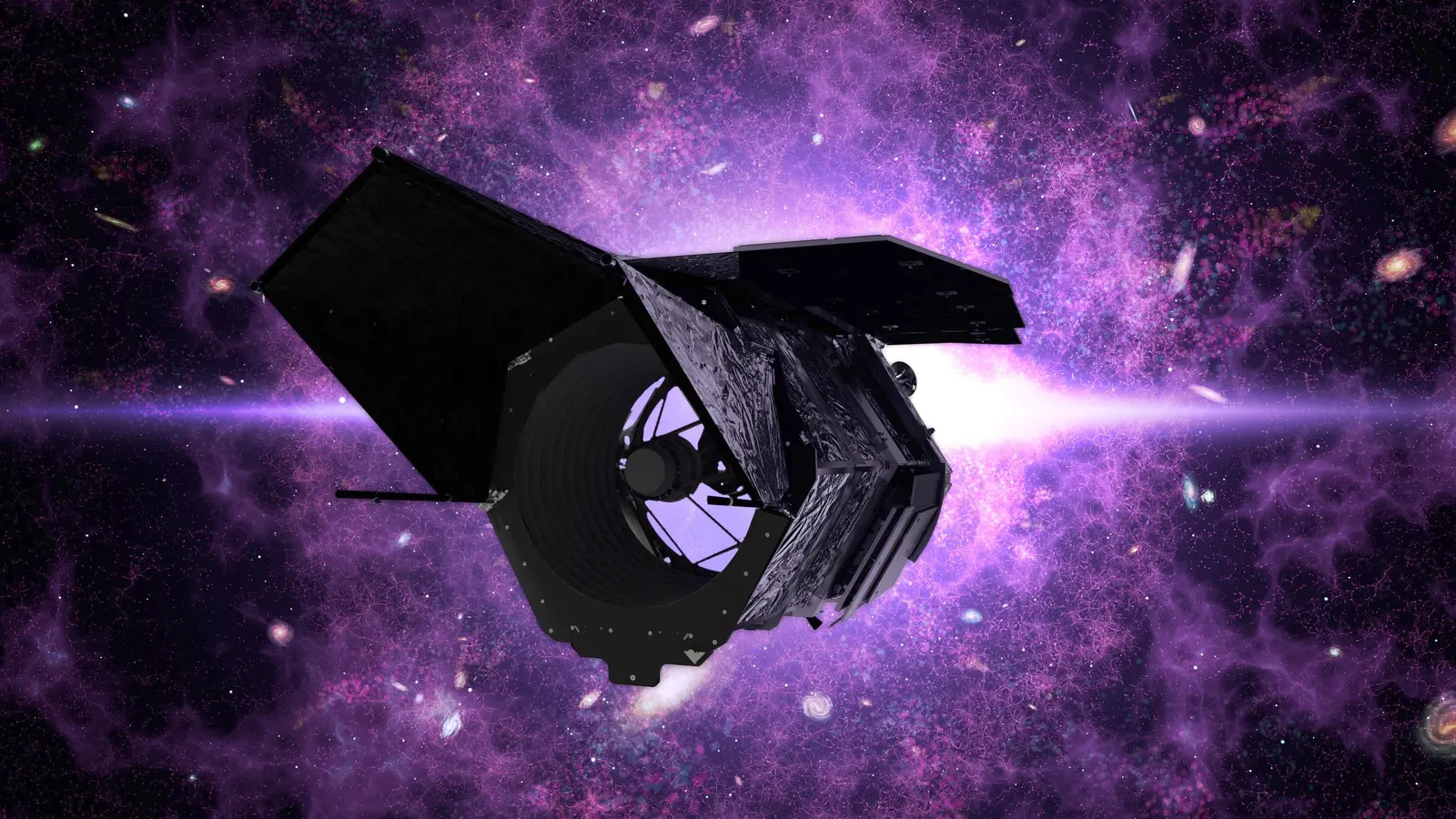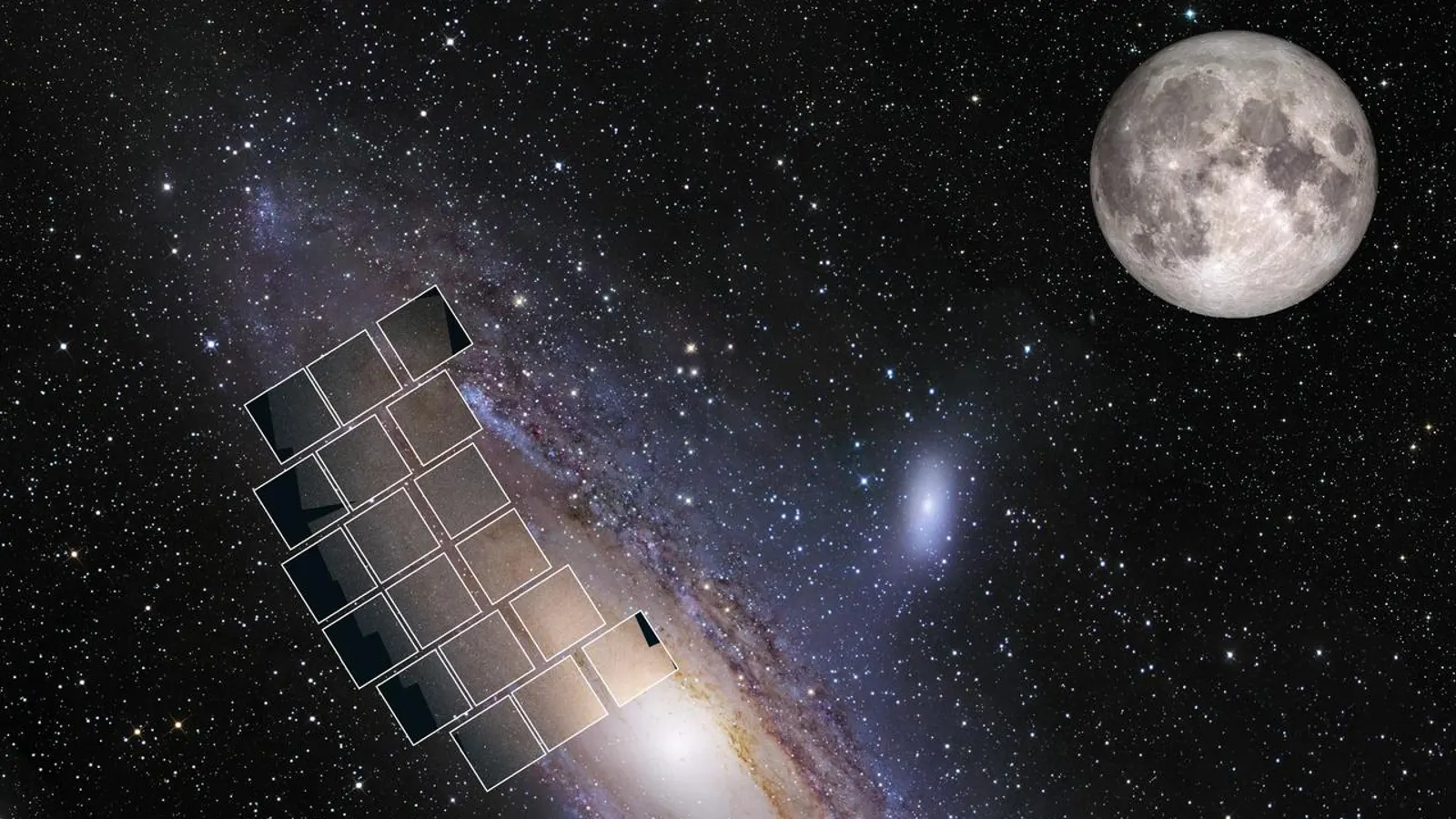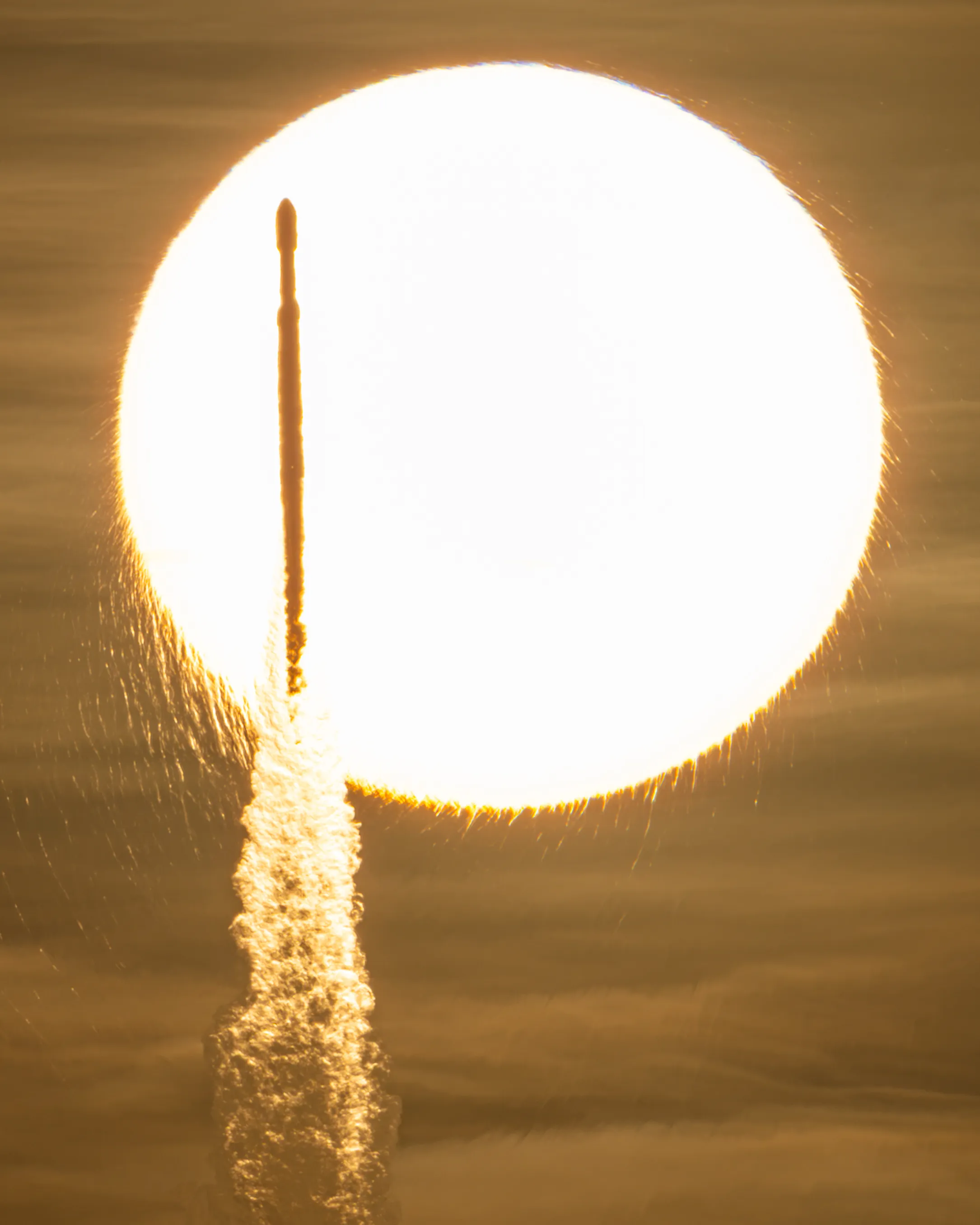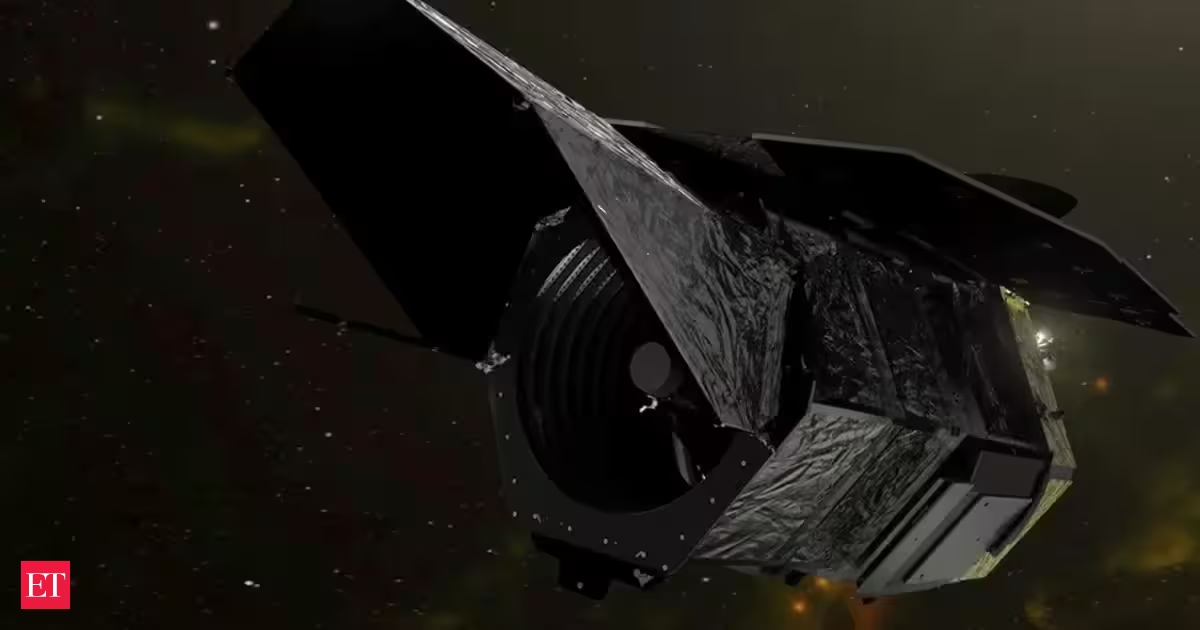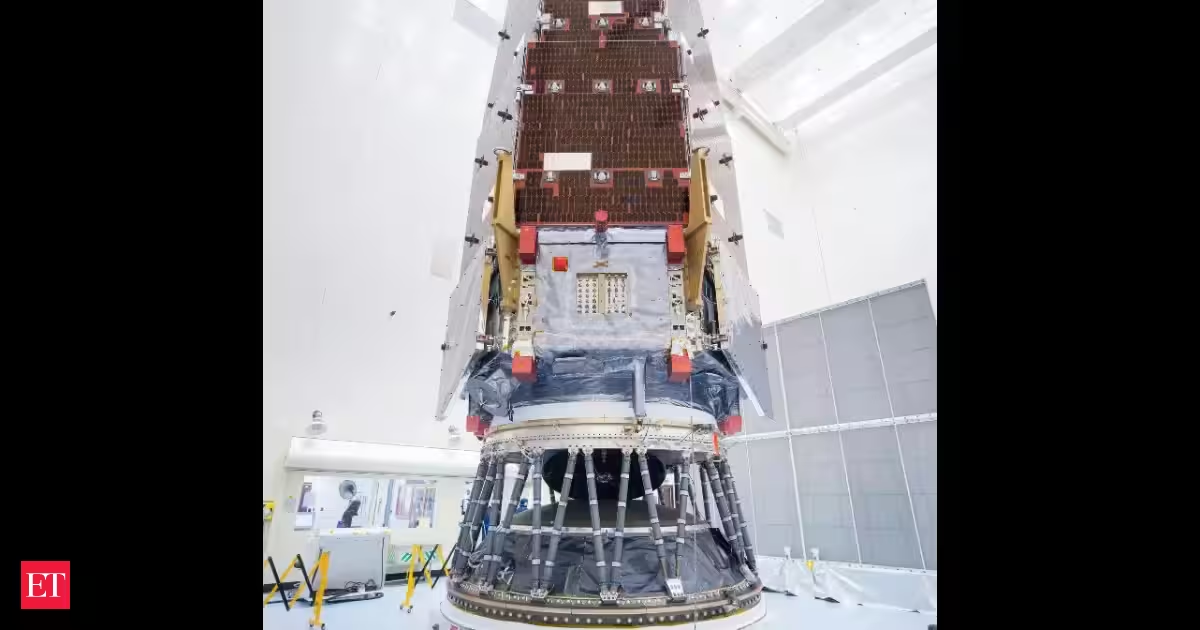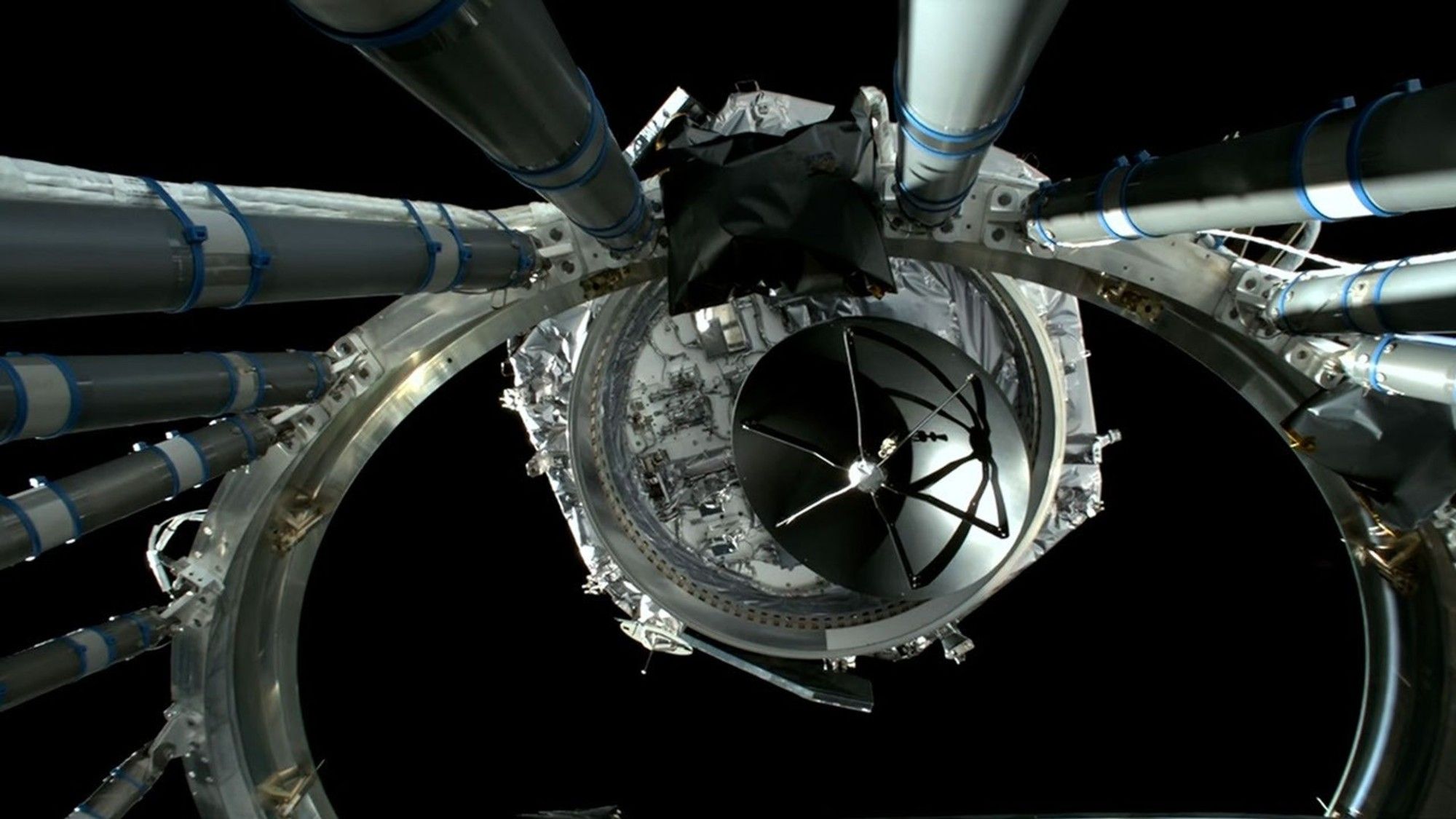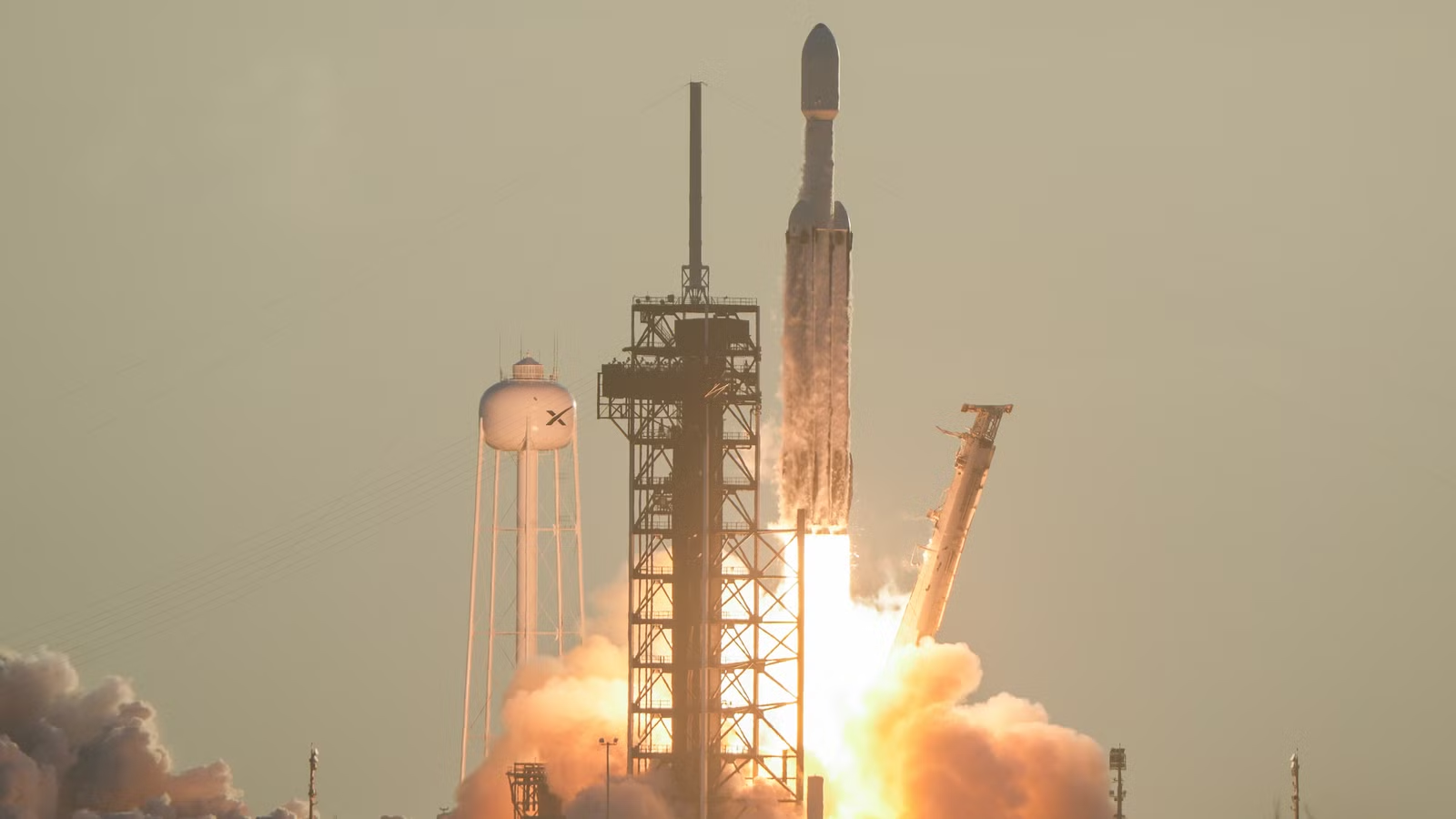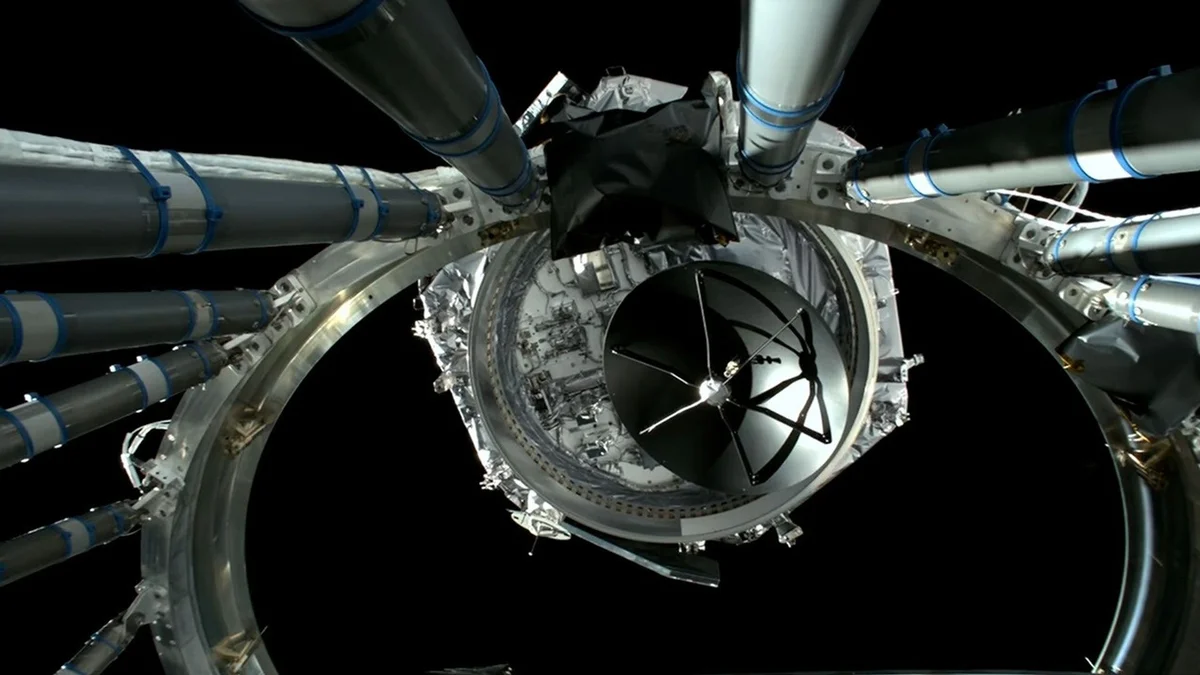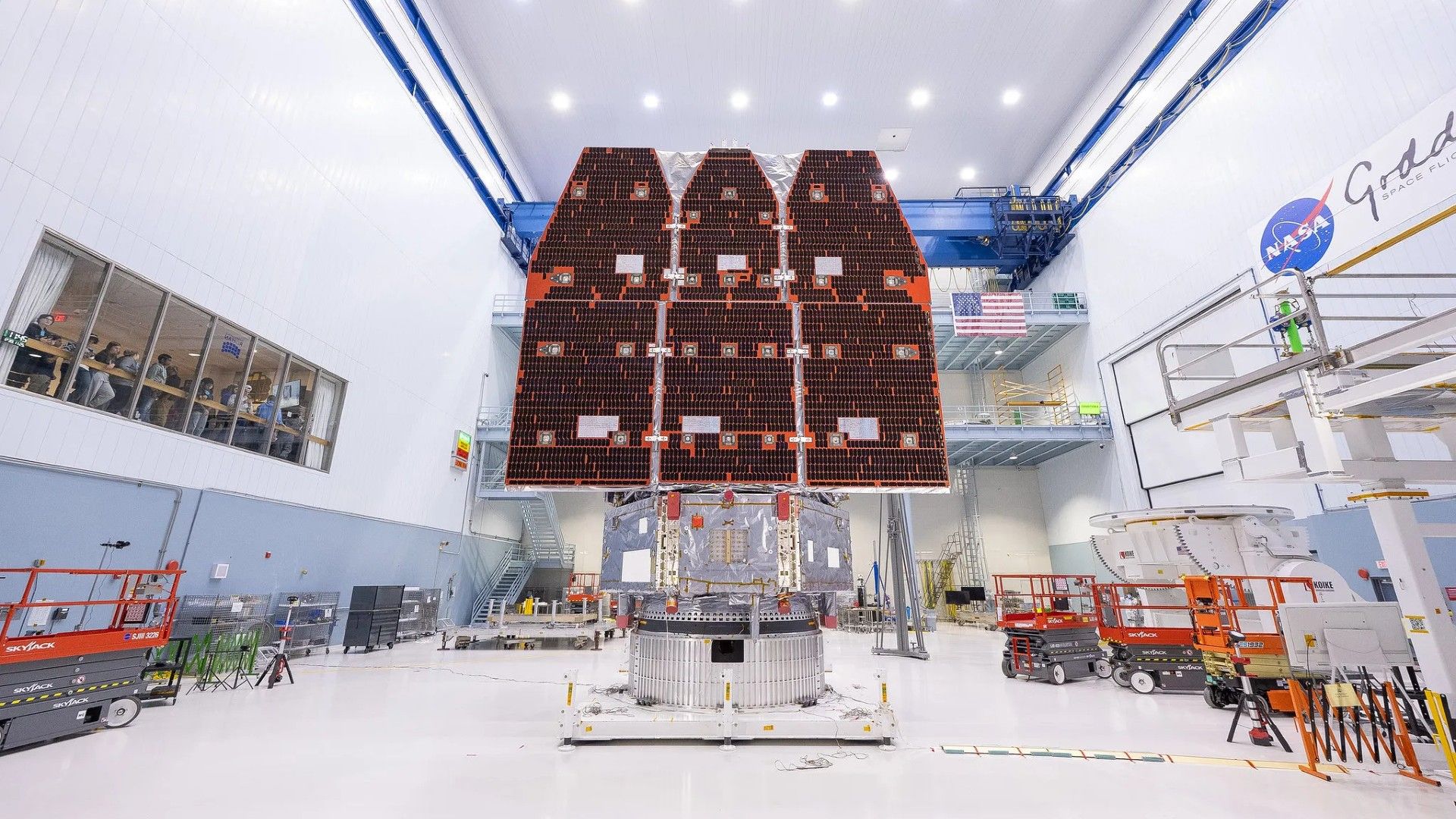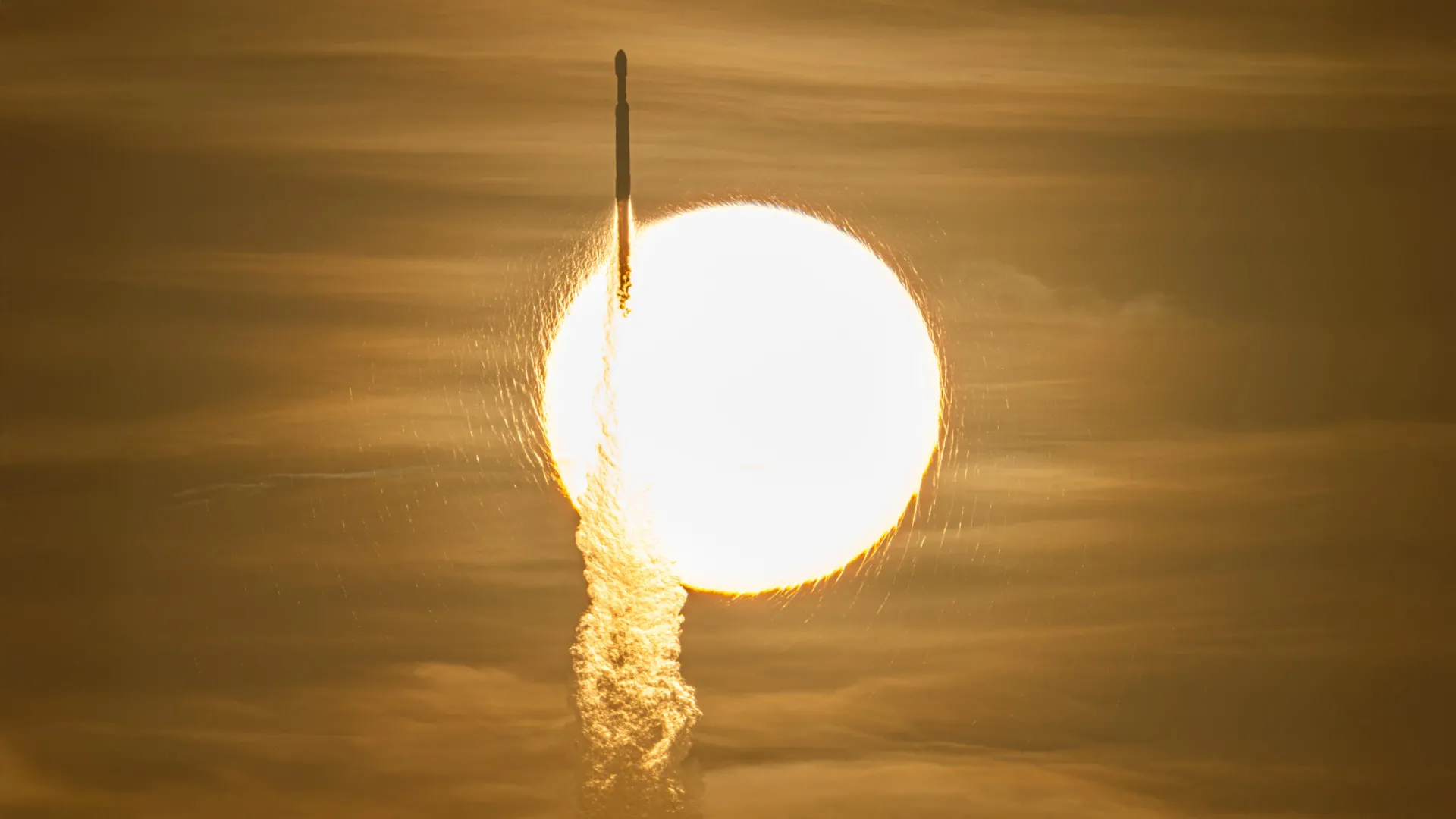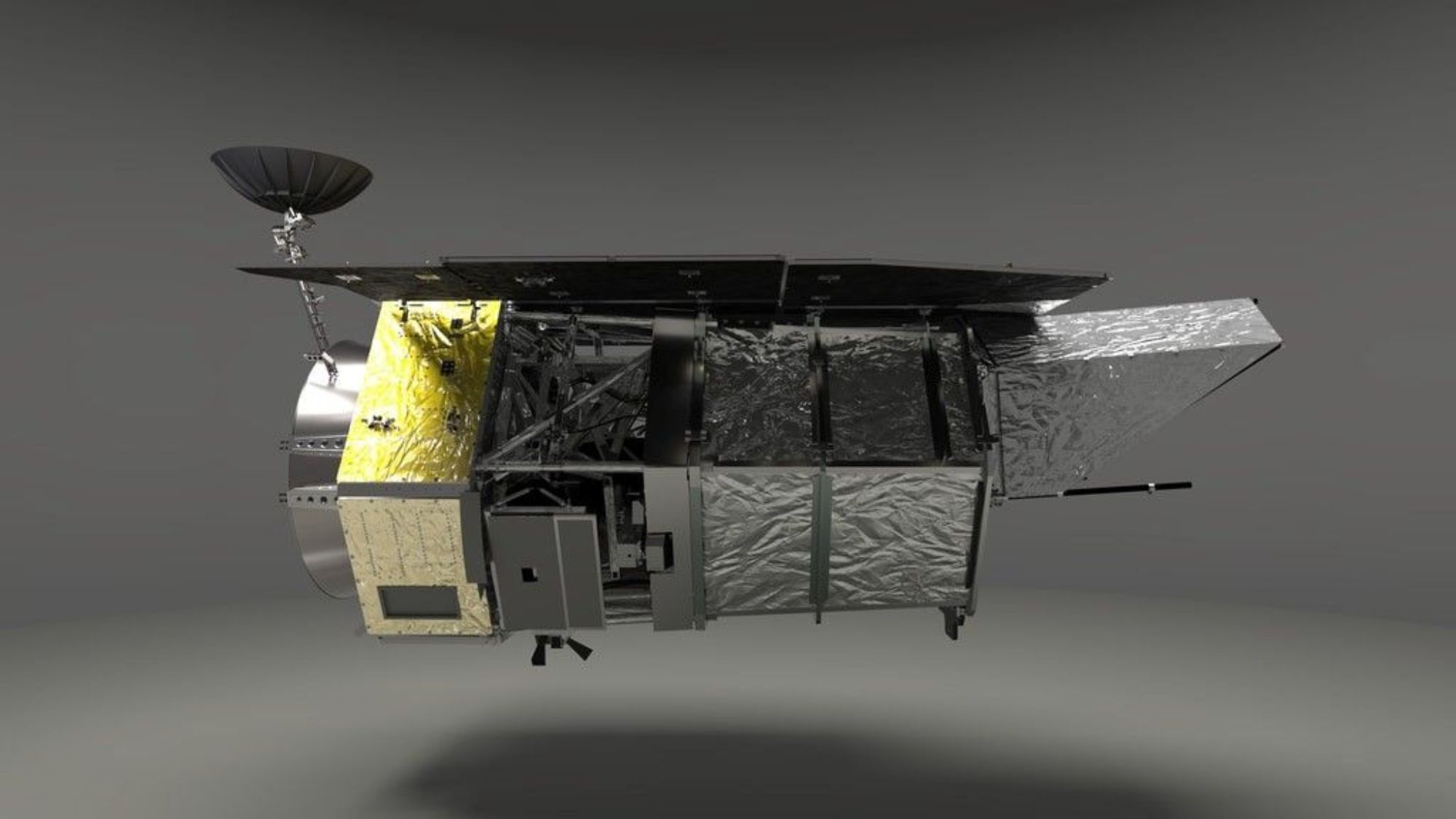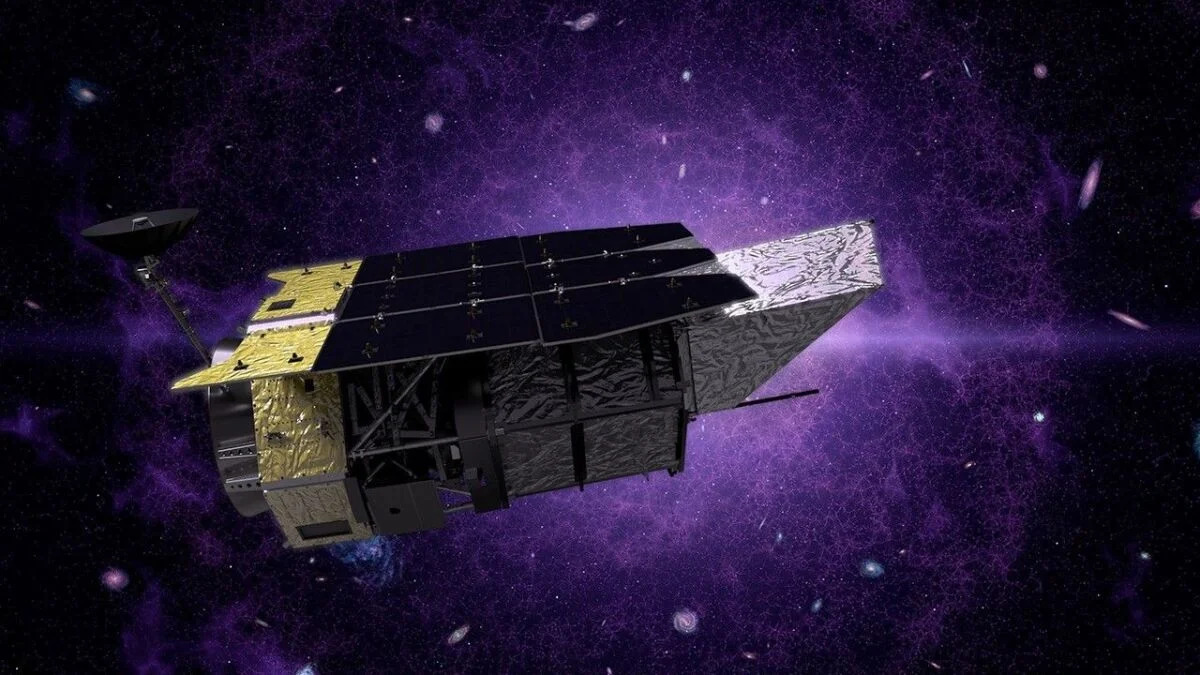
As the new Nancy Grace Roman Space Telescope heads for deep space, the public can follow its three‑month trip in near-real time with NASA's online tracker.The spacecraft launched on Sunday, Aug. 30, from Cape Canaveral, Florida, on a SpaceX Falcon Heavy rocket. It's now cruising on its own toward its final orbit about 1 million miles away from Earth. Roman is flying to a point called the second sun–Earth Lagrange Point, or L2, a gravitational parking spot beyond the moon's orbit that gives the telescope a wide, steady view of the sky without Earth's atmosphere getting in the way.
You May Also Like
During this long flight, the team runs a checkout phase, called commissioning. (For more detail on the process, read Mashable's telescope commissioning explainer.) Engineers and scientists turn on systems step by step, tune settings, and calibrate instruments before Roman starts full science operations. Though NASA has a schedule for this process, the timeline is dependent on how the spacecraft behaves.
Mission controllers already carried out the first "mid‑course correction burn," a three‑minute engine firing that nudged Roman onto a sharper trajectory, on Monday. Flight planners built in two of these opportunities early in the journey. The less the team has to use those burns, the better. More fuel reserves directly translate into more years of science. After Roman settles into its looping orbit around L2, controllers fire thrusters about every 28 days to keep the spacecraft on station.