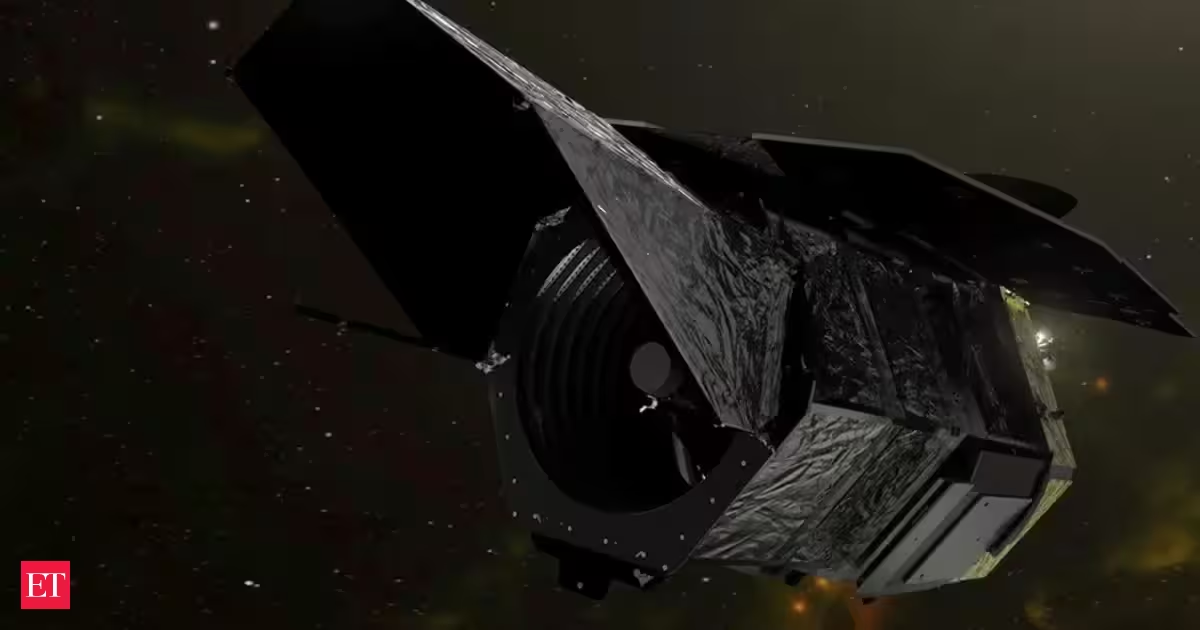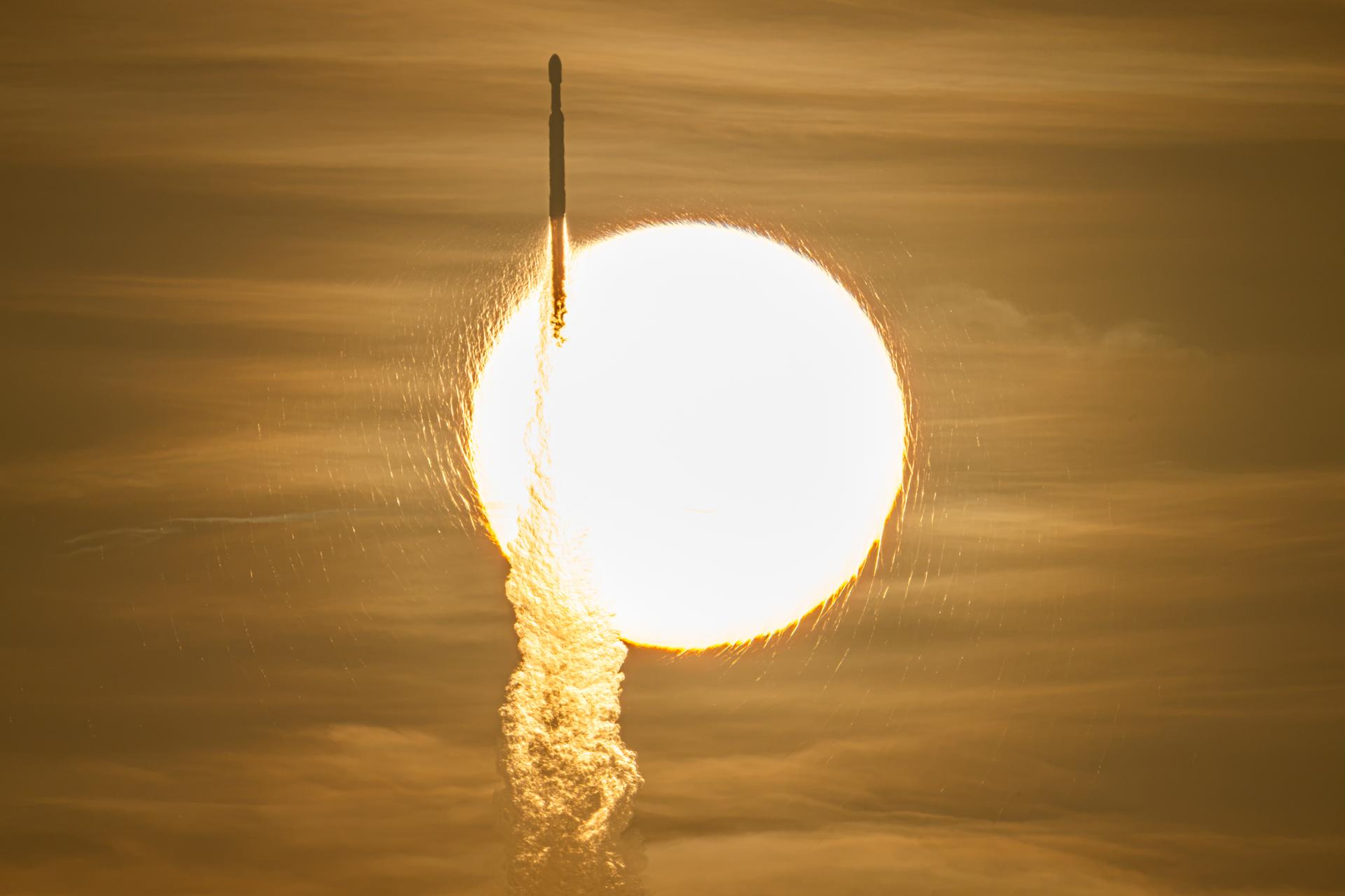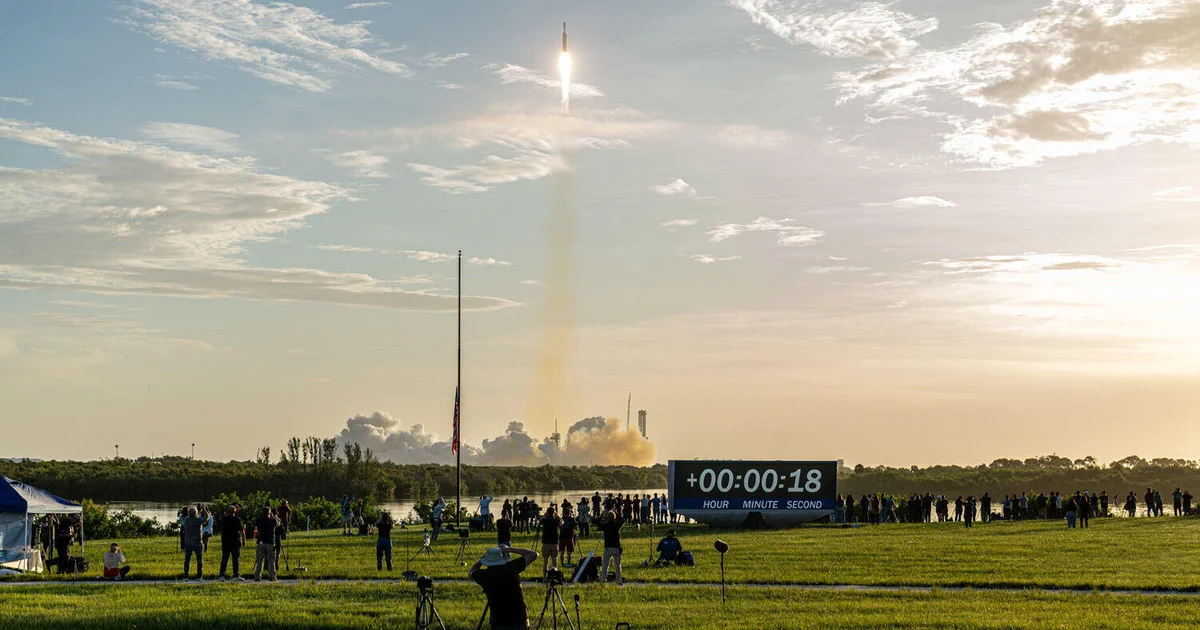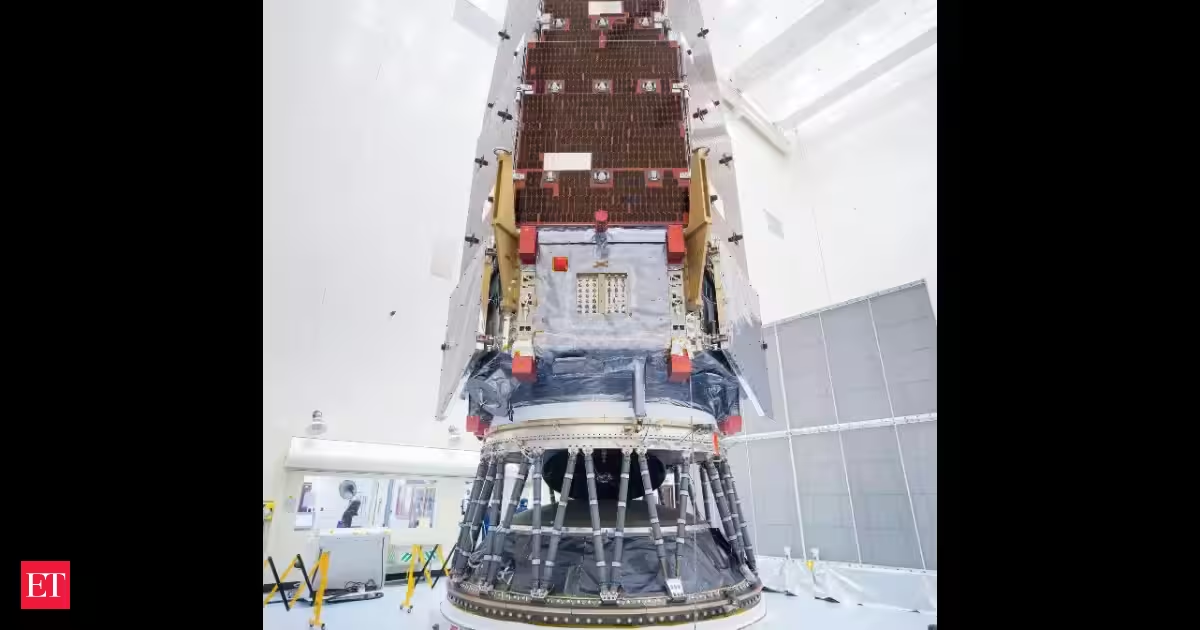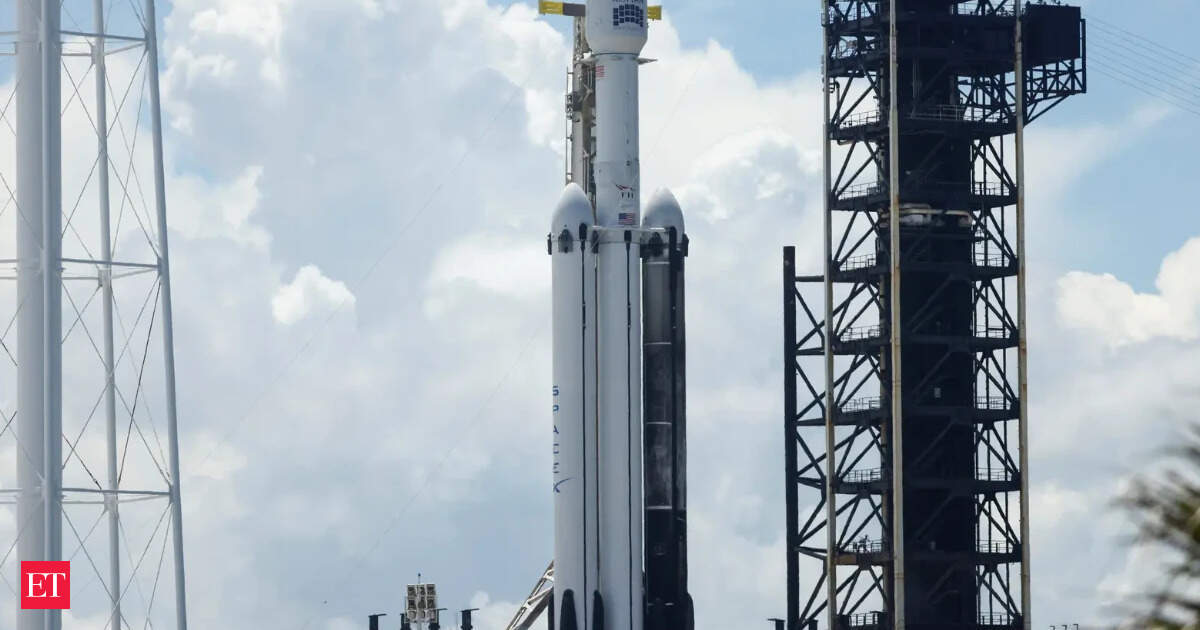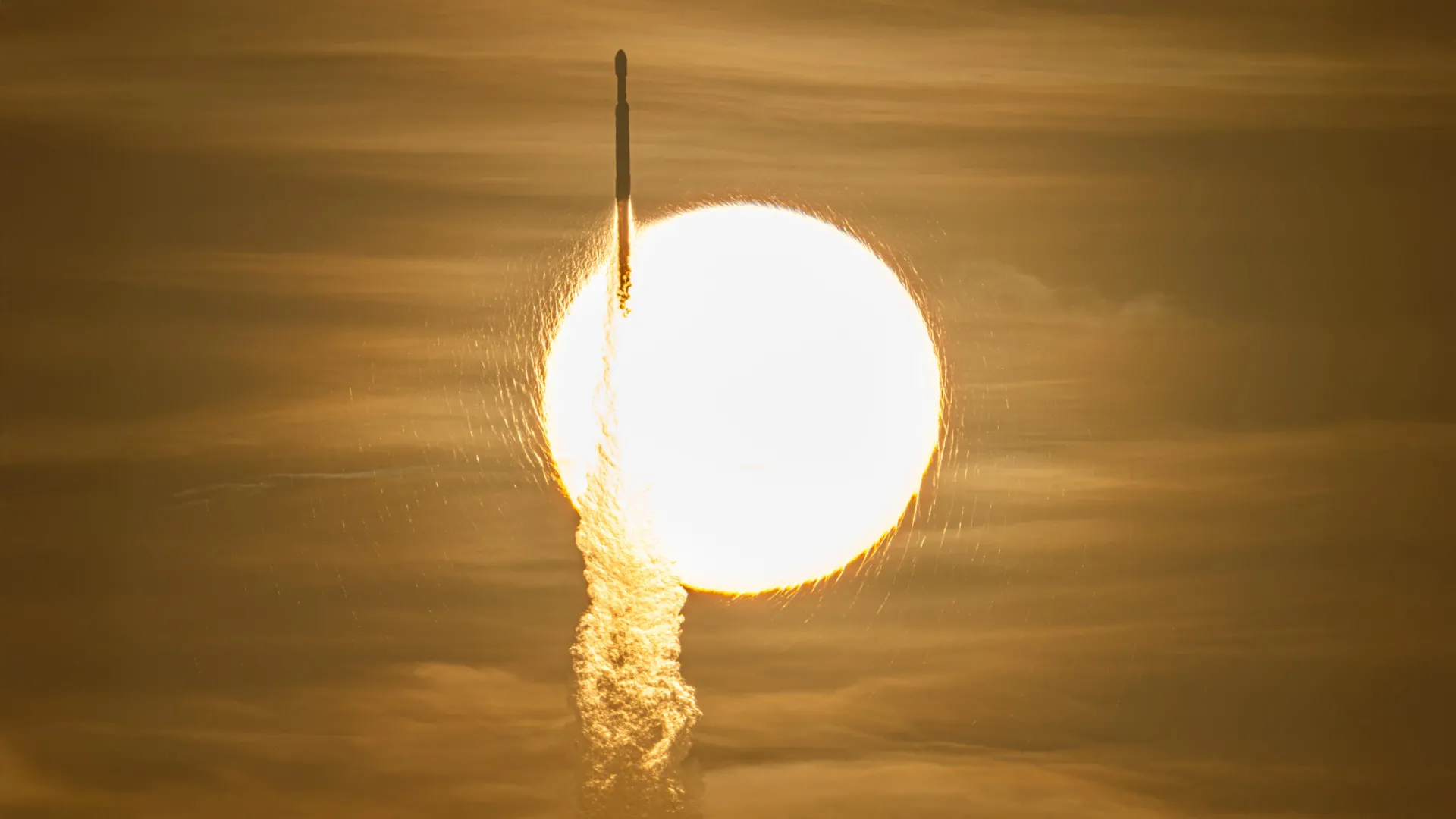
NASA's Nancy Grace Roman Space Telescope has begun a three-month journey covering roughly one million miles as it travels toward its final orbit. The observatory lifted off at 7:26 a.m. EDT Sunday aboard a SpaceX Falcon Heavy rocket from Launch Complex 39A at NASA's Kennedy Space Center in Florida.
Once operational, Roman will combine sharp infrared vision with an unusually wide view of the sky. That combination will allow astronomers to examine enormous regions of space while also looking far back into cosmic history. Among its primary goals are studying dark matter, dark energy, and worlds outside of our solar system, known as exoplanets. Its sweeping observations are also expected to support many discoveries beyond those central objectives.
"Roman is exactly the kind of success story we want to see across NASA," said NASA Administrator Jared Isaacman. "Delivered ahead of schedule and on budget, this mission reflects more than a decade of dedication from the NASA workforce and our industry partners. Now, Roman will give us a new atlas of the universe, push the boundaries of discovery, and demonstrate what is possible when America's space program pairs bold ambition with disciplined execution."