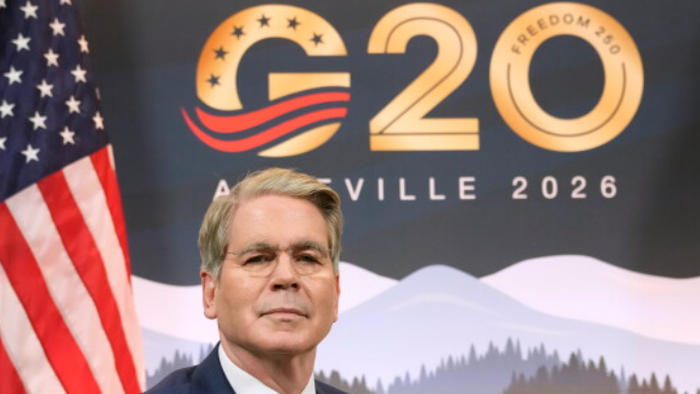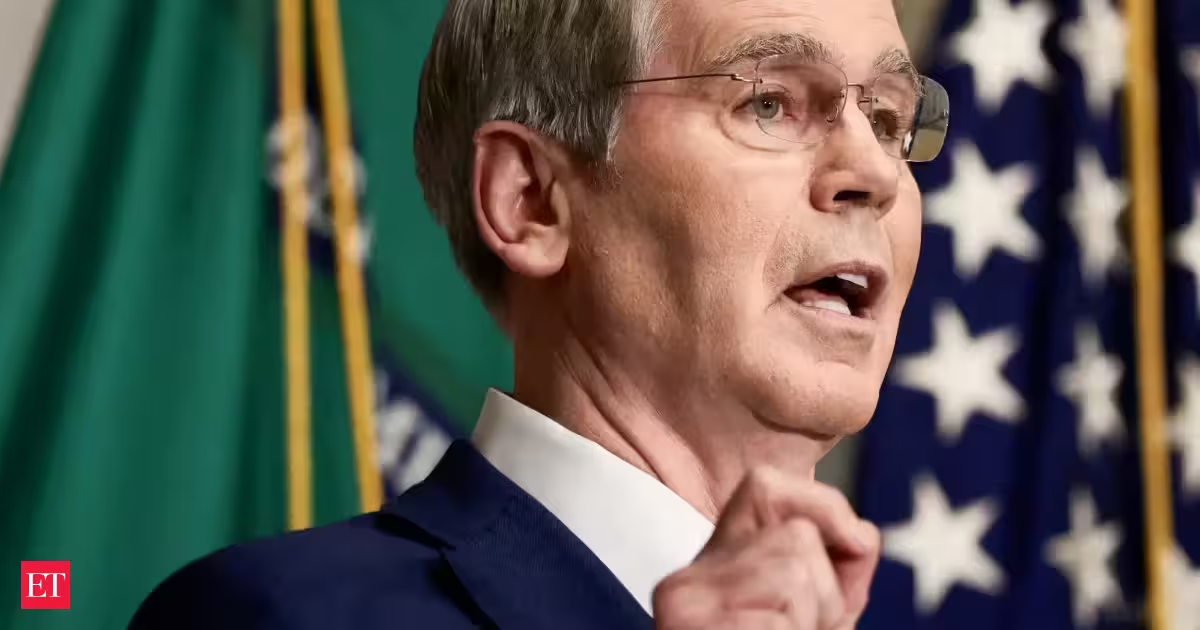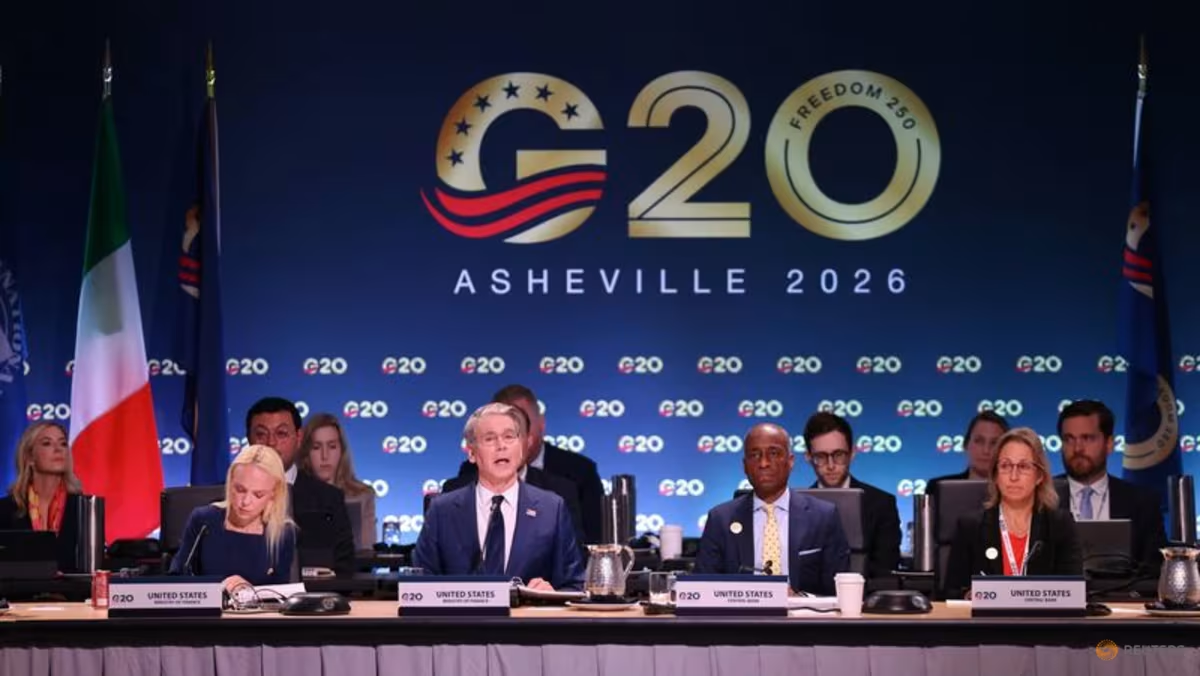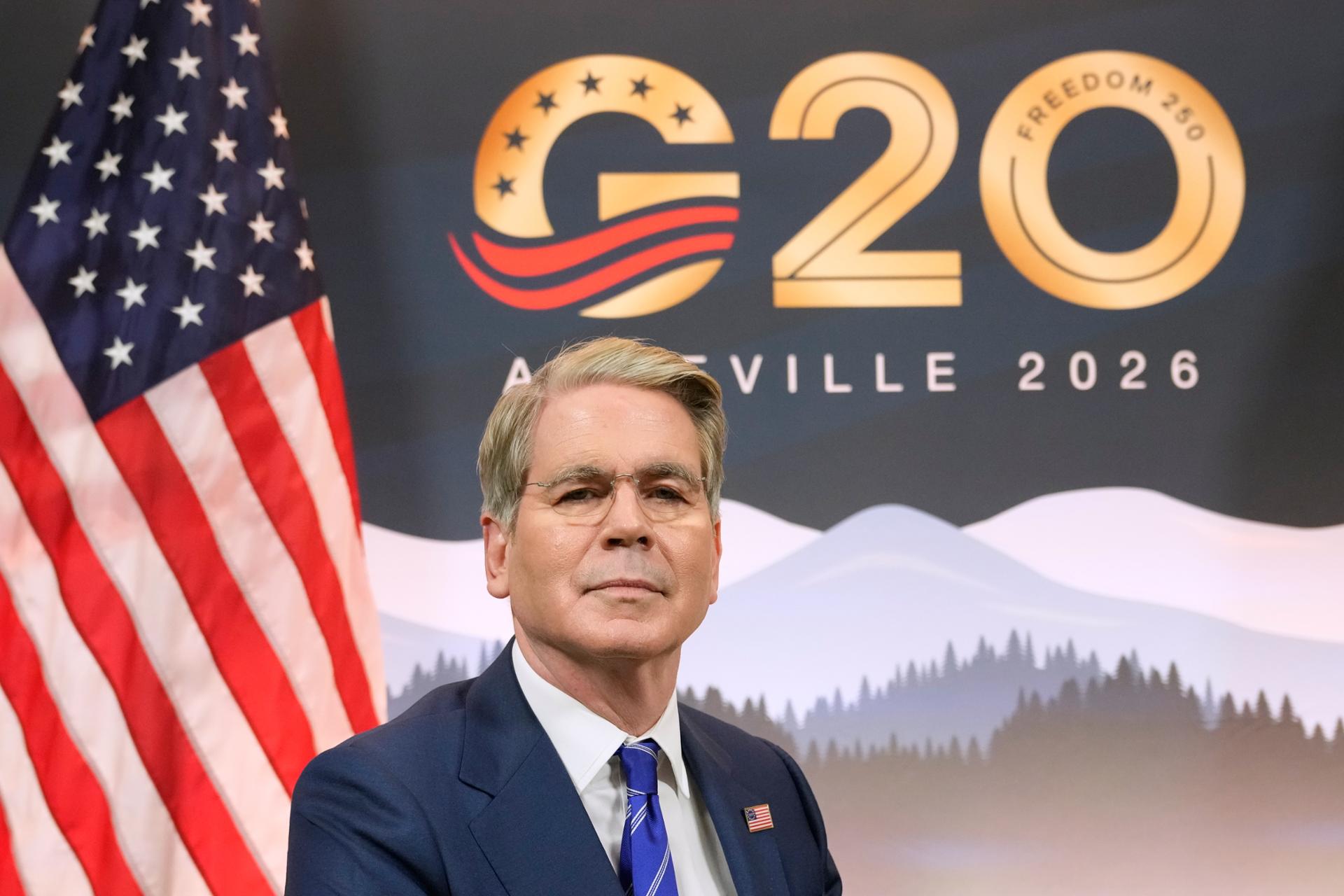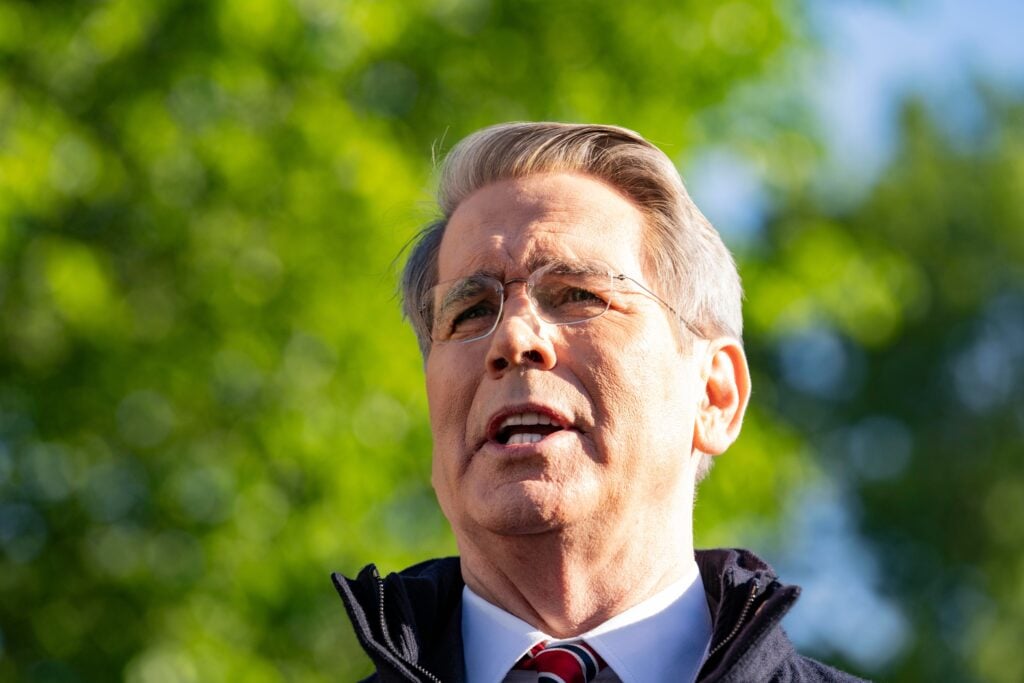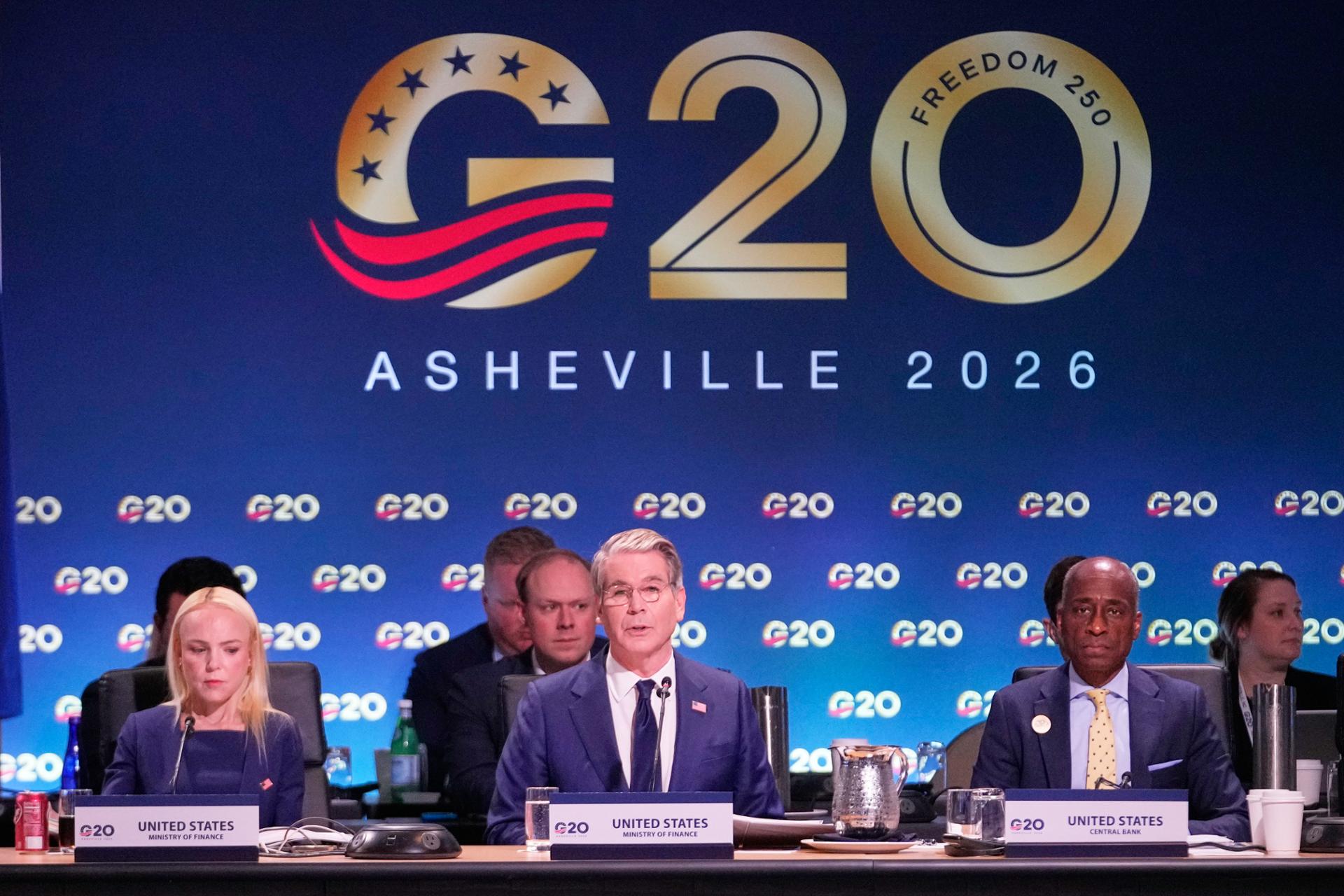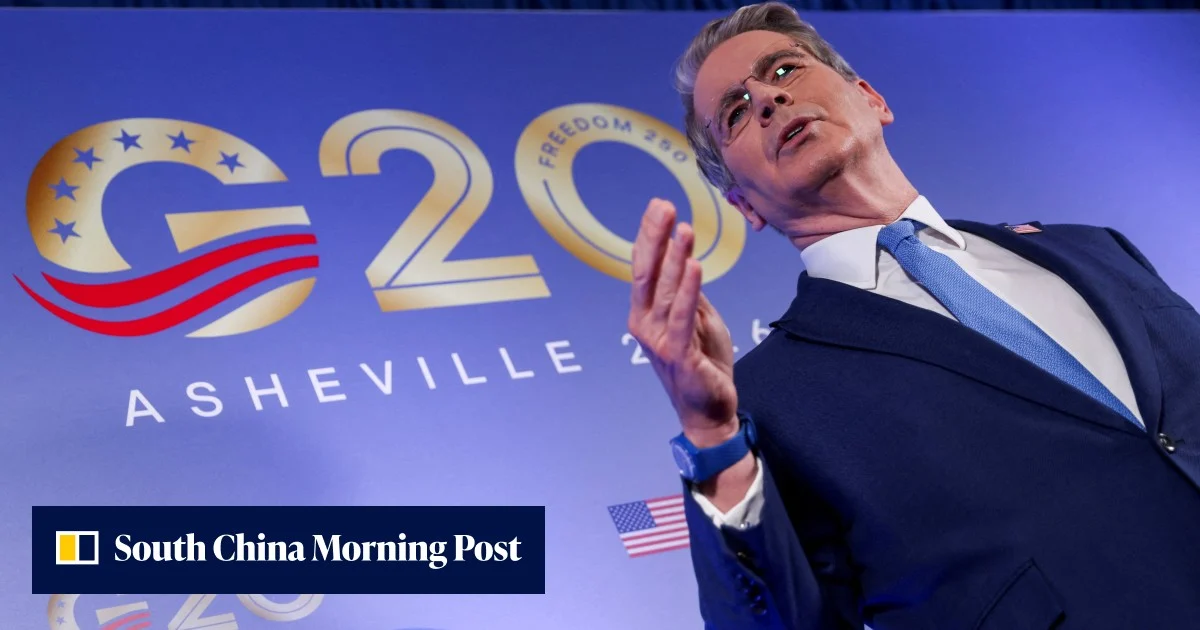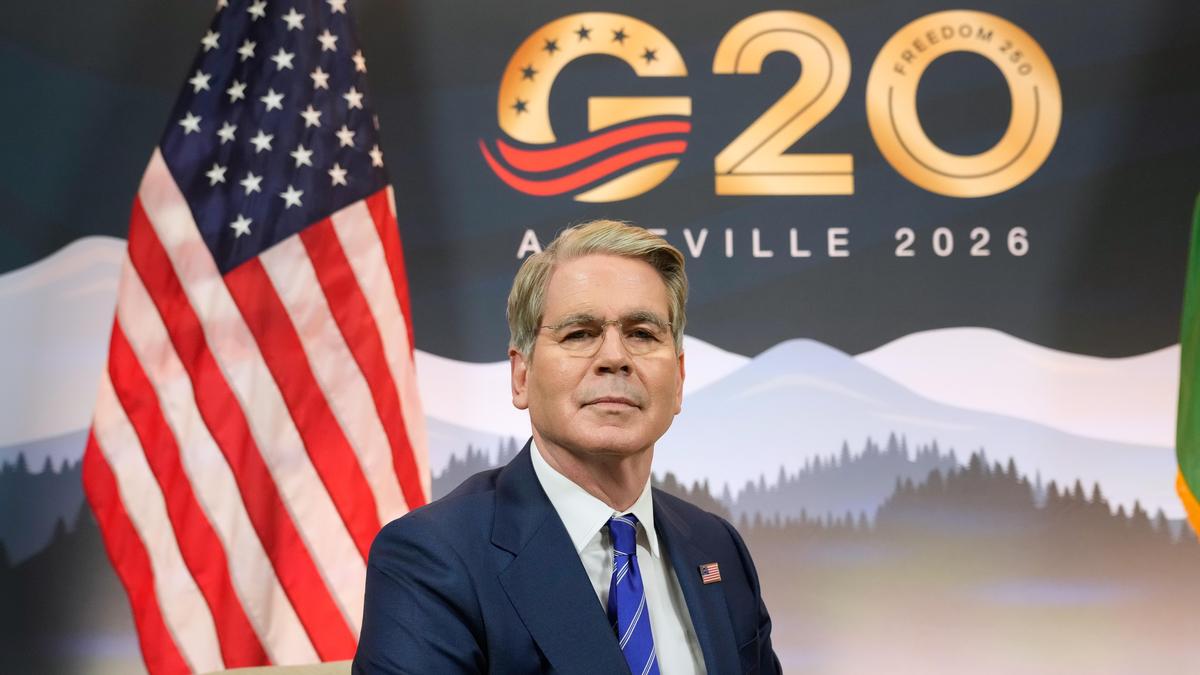
The US is using its turn in the G20 driver’s seat to do something Washington has tried for years: get the rest of the world to collectively tell China its trade surplus is too large. At the G20 finance ministers and central bank governors meeting in Asheville, North Carolina, Treasury Secretary Scott Bessent made the case bluntly. The world, he argued, simply cannot tolerate a $1.2 trillion goods trade surplus from a single country.
That country, of course, is China. And the timing of the push is no accident, with a Xi Jinping-Donald Trump summit scheduled for September 24, giving Washington roughly three weeks to build multilateral leverage before sitting down one-on-one with Beijing.
The numbers behind the pressure campaign
China’s global goods surplus hit roughly $1.2 trillion in 2025, a figure that has become a central talking point for US officials trying to frame the issue as everyone’s problem, not just America’s.
On the bilateral front, US tariffs appear to be doing some of the heavy lifting already. The US goods trade deficit with China fell to approximately $73.9 billion in the first half of 2026, a reduction of about one-third compared to the same period a year earlier.