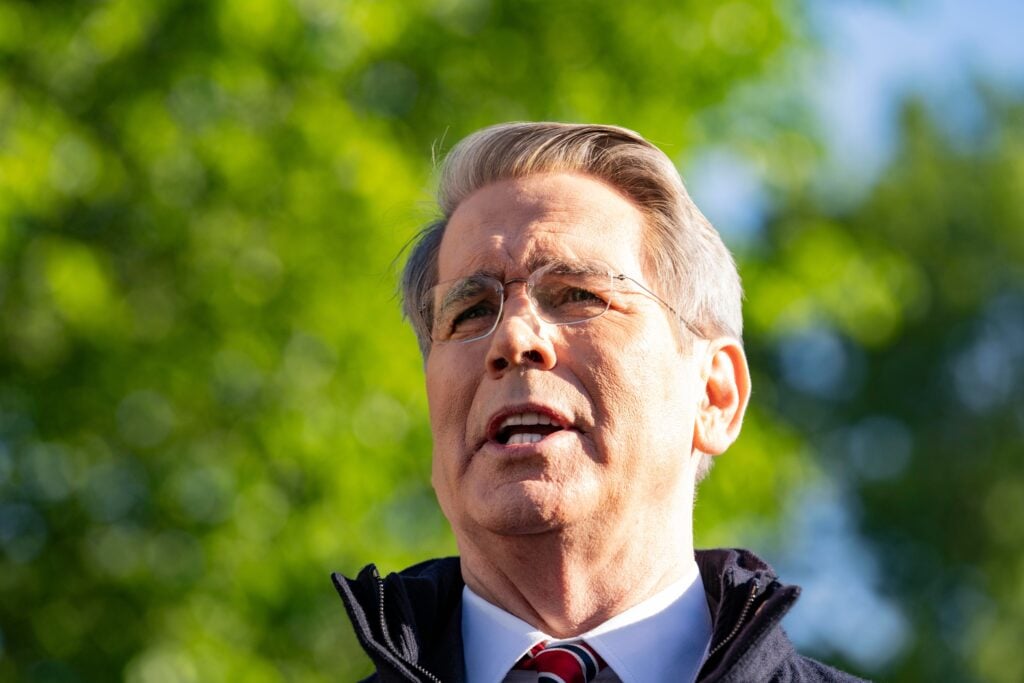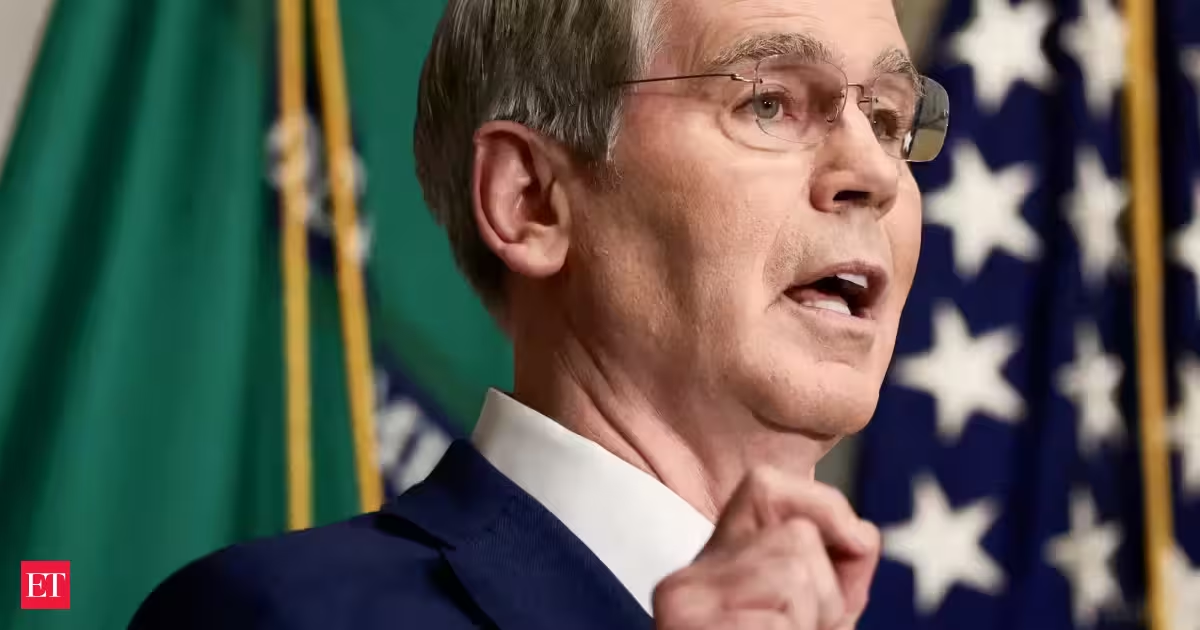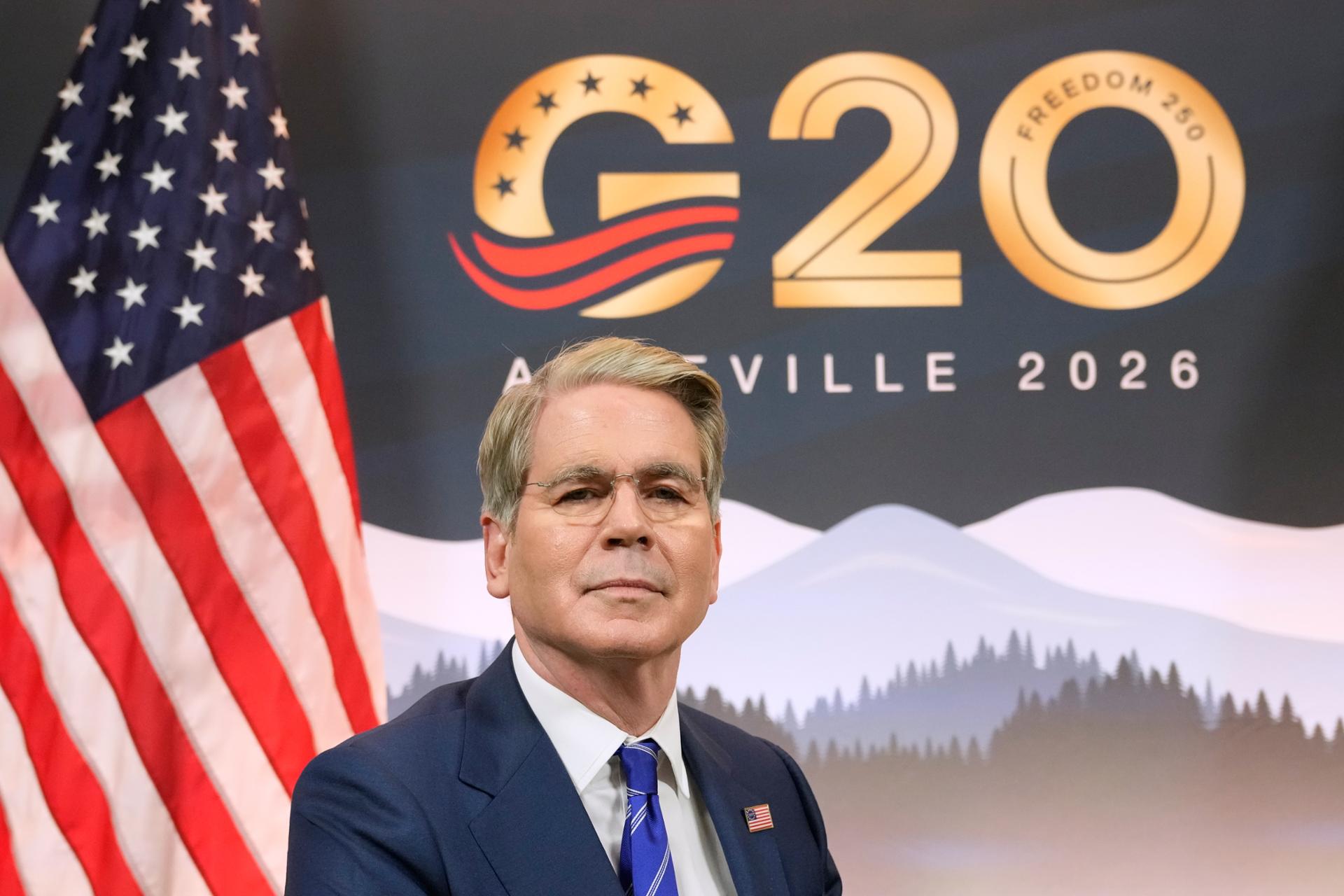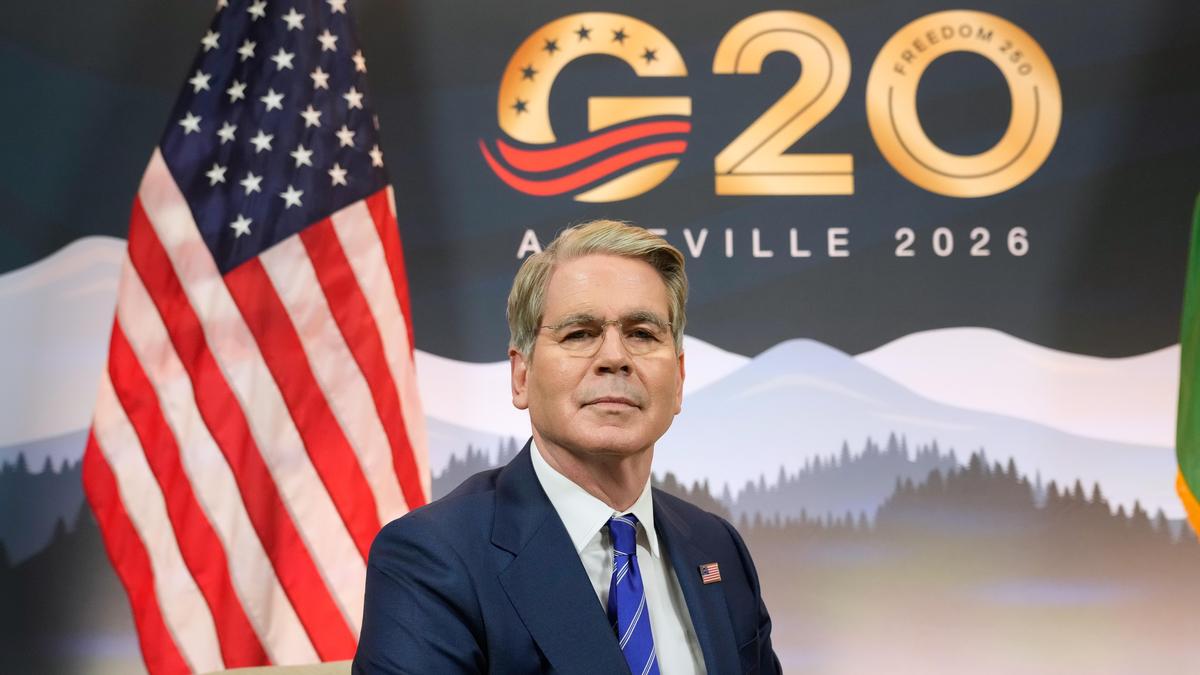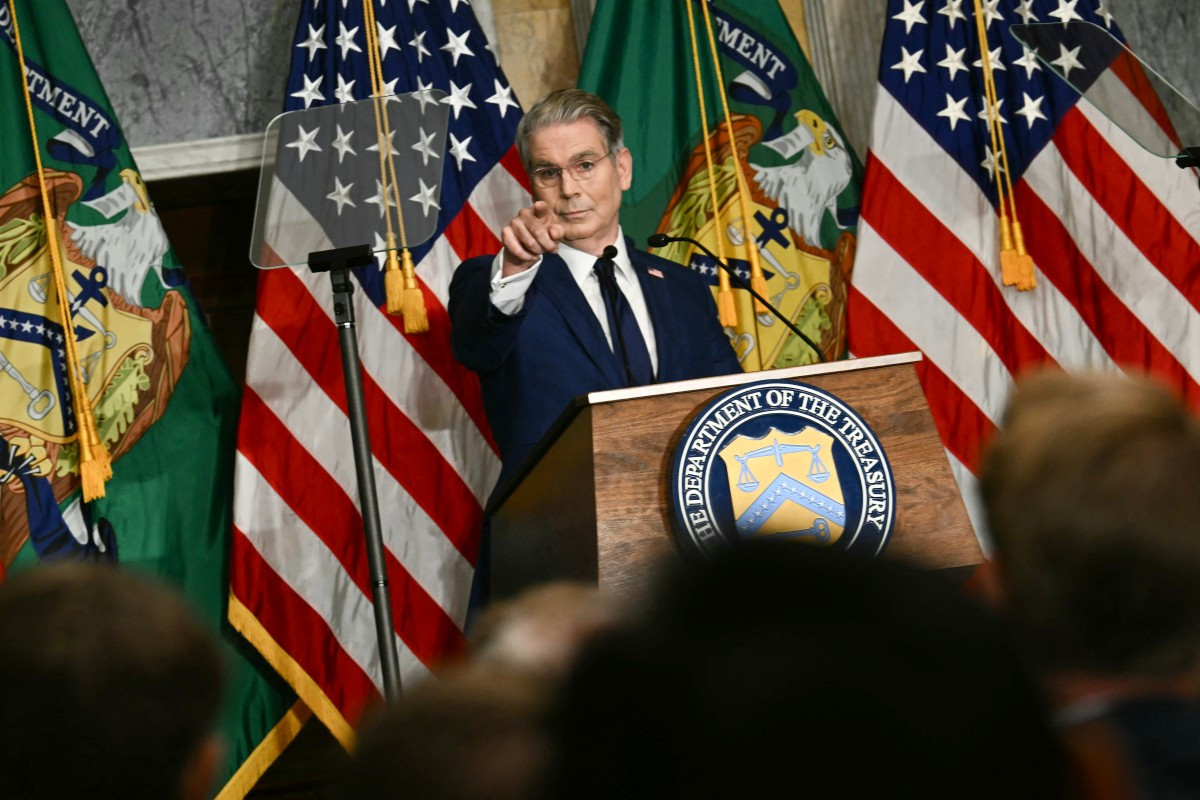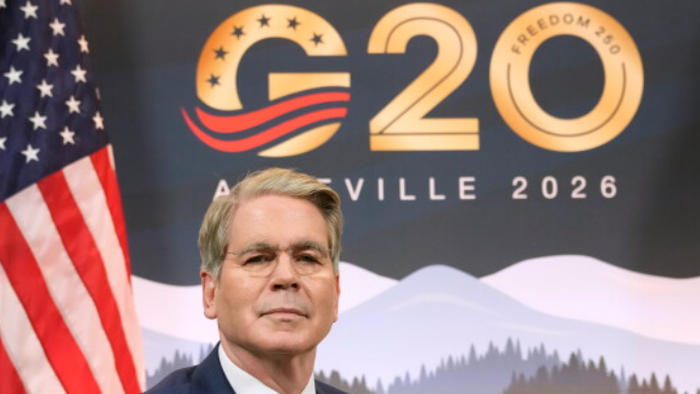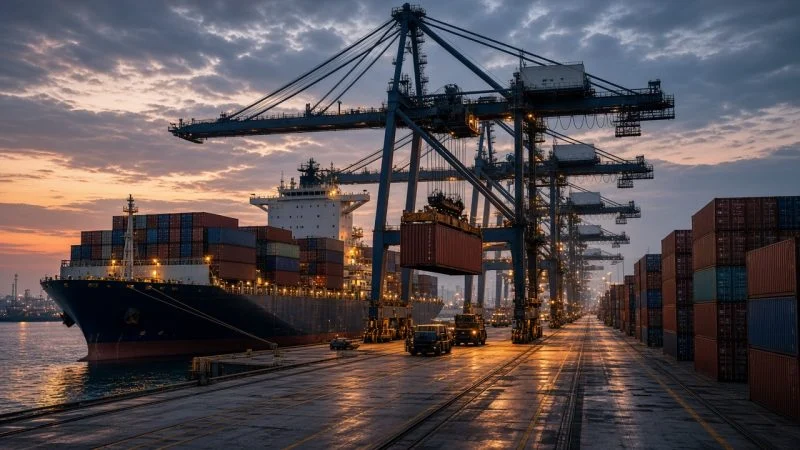
Scott Bessent has a problem with China’s trade model, and he wants the rest of the world to share it. The US Treasury Secretary used the G20 finance ministerial meetings in Asheville, North Carolina, to urge member nations to reconsider their trade terms with China, framing Beijing’s export-driven economy as the root cause of deepening global imbalances.
The timing is not accidental. China’s goods trade surplus hit a record $1.189 trillion in 2025, a number so large it strains comparison. Chinese exports rose 23.9% year-over-year in July 2026 alone, reaching $397.85 billion in a single month.
Why Bessent is taking this to the G20
The core of Bessent’s argument is simple: the US cannot fix this alone. Washington has already deployed tariffs broadly, including measures tied to human rights concerns, but unilateral tools only redirect trade flows rather than address the underlying imbalance. When American buyers pay more for Chinese goods, Beijing finds new customers in the EU, Latin America, and Southeast Asia.
That is precisely what has been happening. China has spent the past two years diversifying its export markets away from the US, insulating its industrial base from American pressure. European manufacturers, particularly in the automotive and steel sectors, are now absorbing the overflow and expressing open frustration over what they describe as dumping practices.