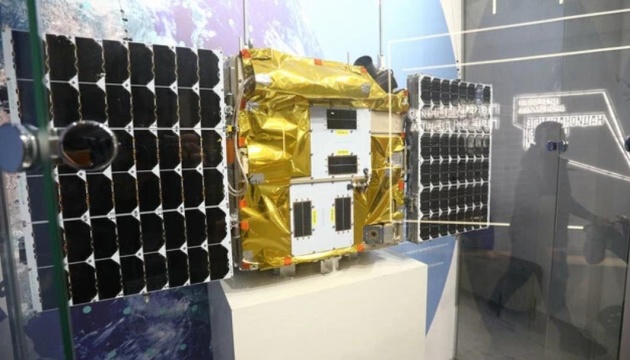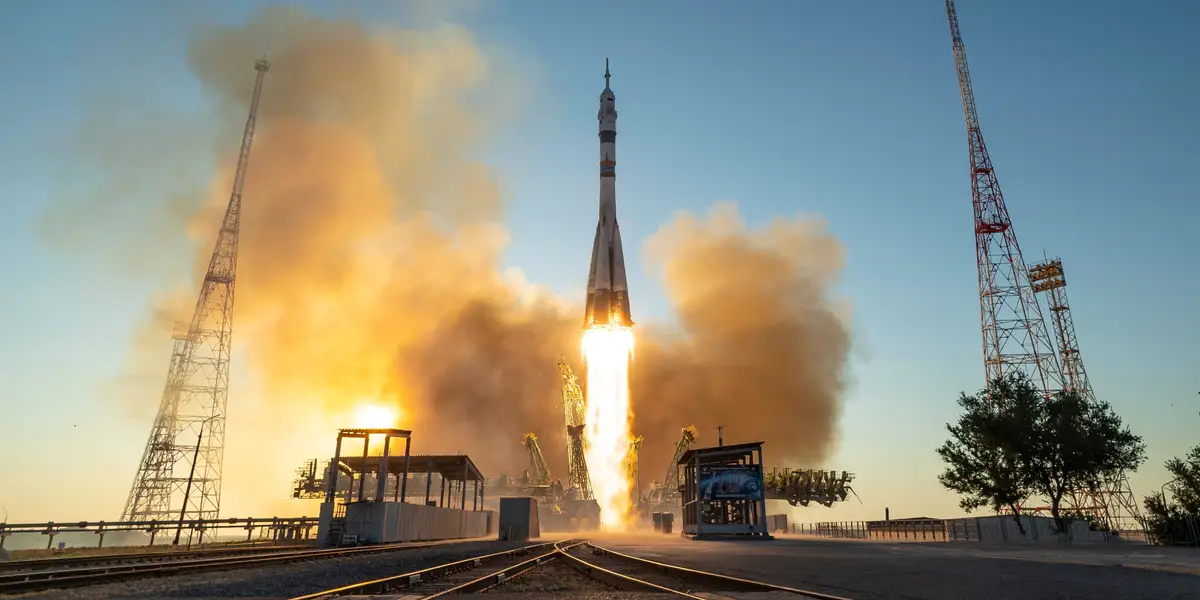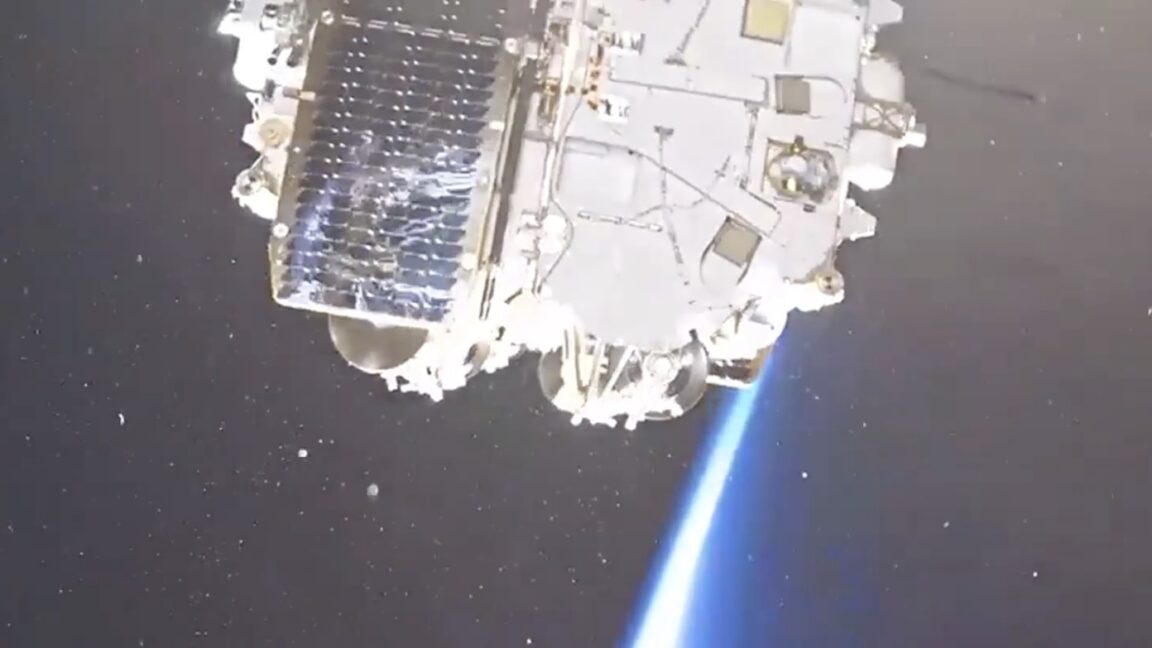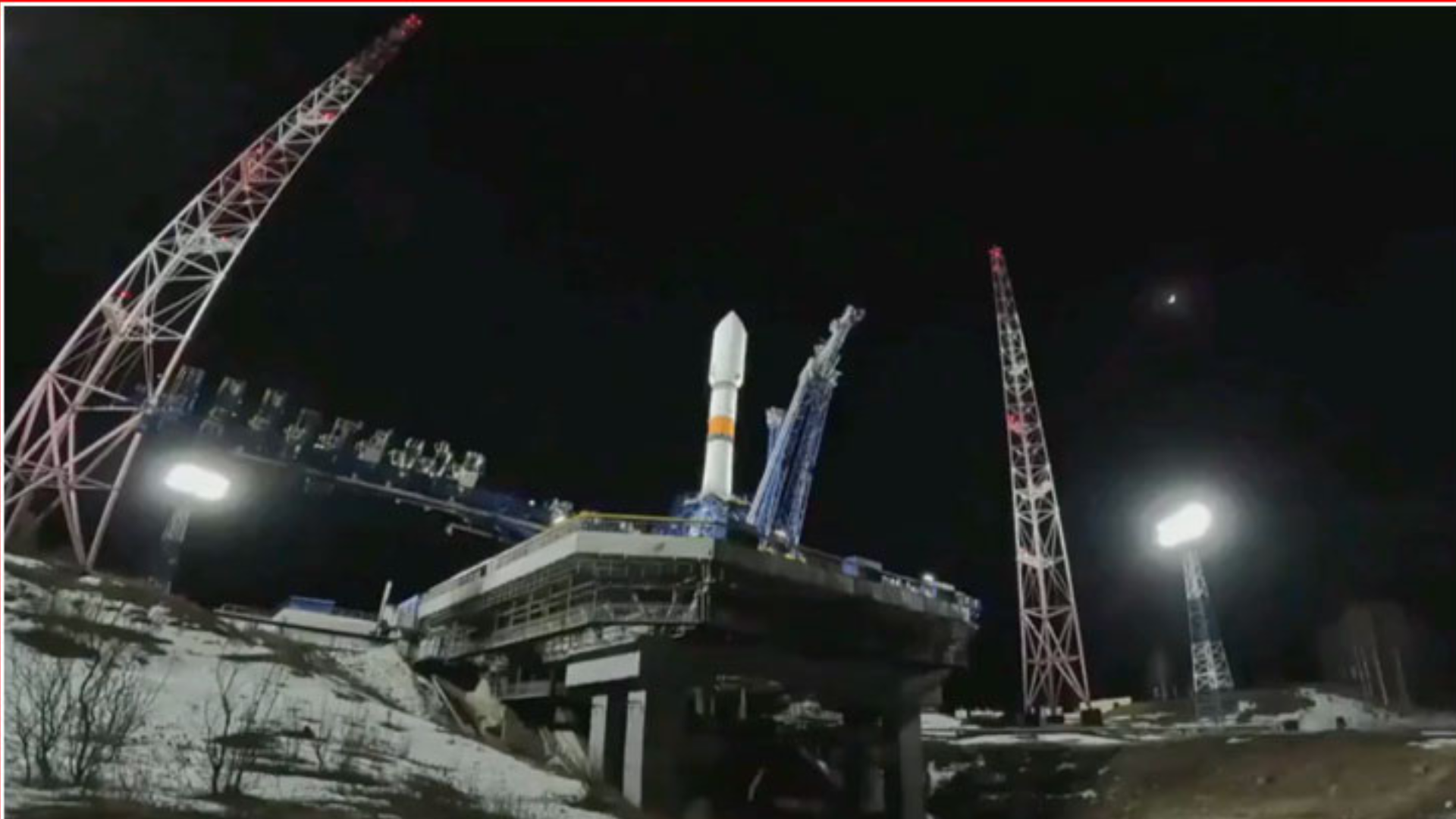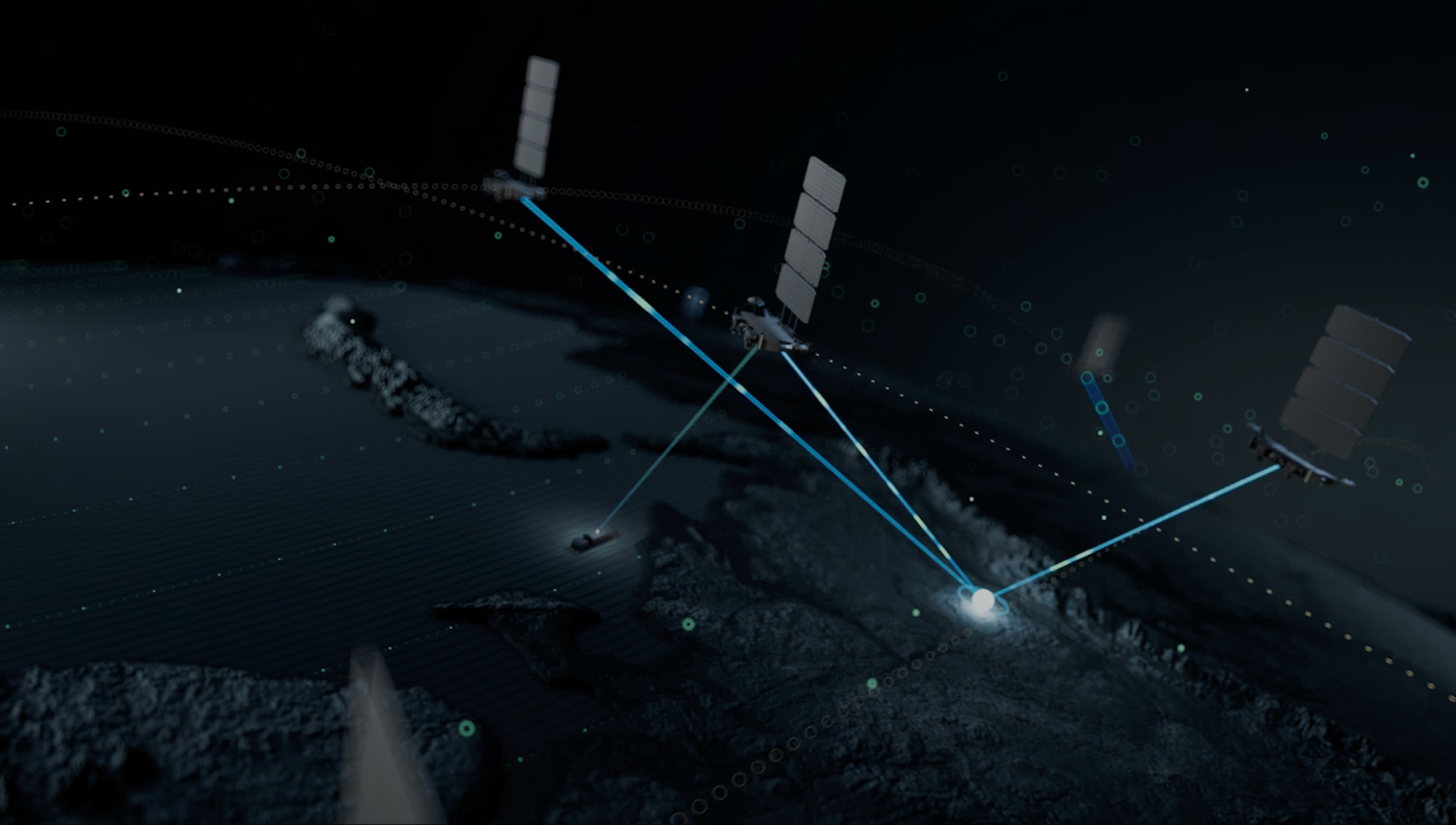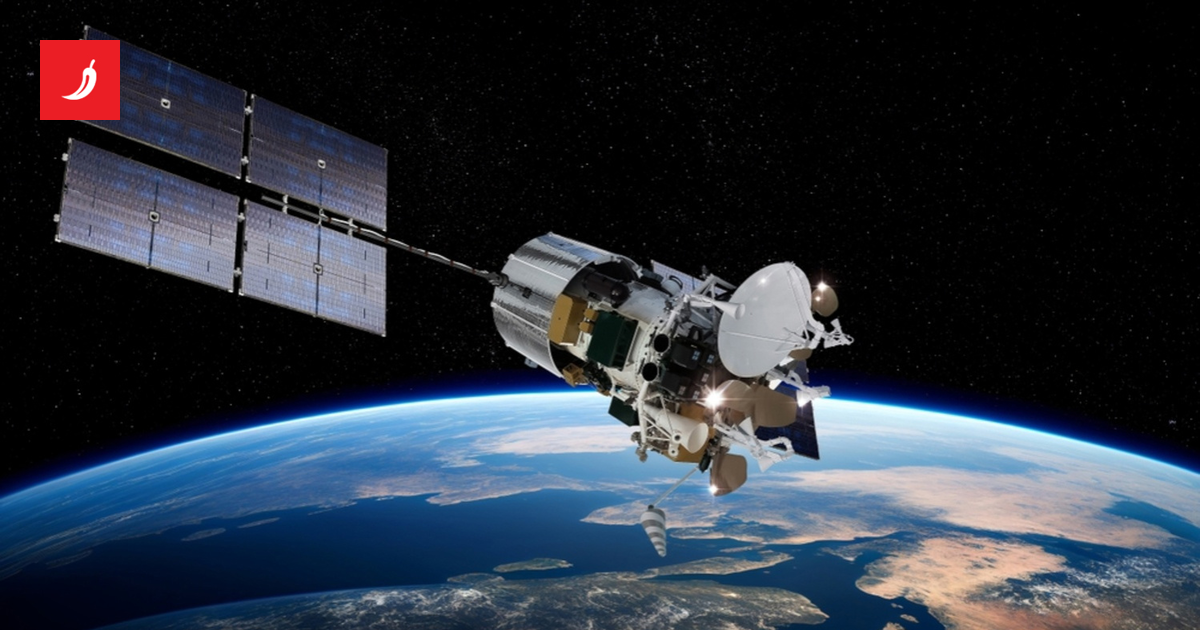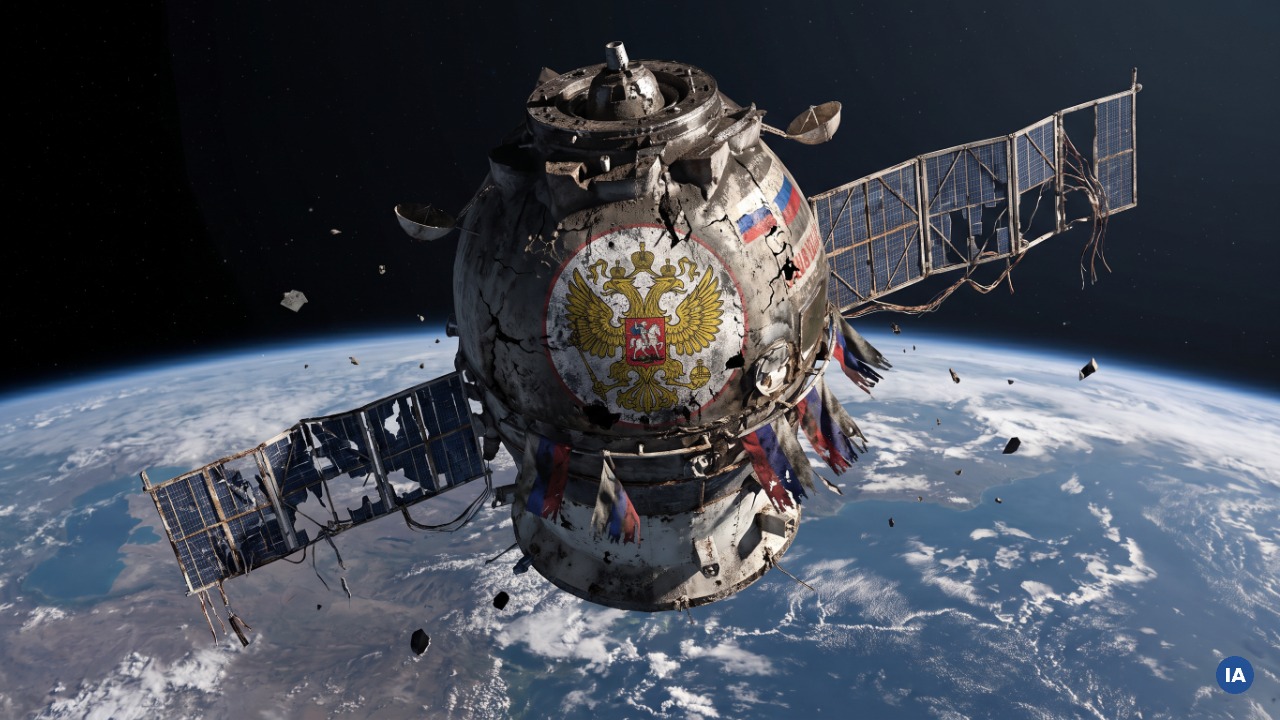
None of the 16 satellites Russia launched on 19 July as part of its Rassvet programme, Moscow's attempt to build its own version of Starlink to guide the drones and missiles it has used against Ukraine for more than four years, have reached their planned orbit, according to the Institute for the Study of War (ISW), citing data from live satellite tracker N2YO.
Most of the satellites are sitting at altitudes of 300 to 400 kilometres, "well short of the intended 870-kilometer operational altitude for the Rassvet satellites," the report said.
At least two satellites appear to be heading for reentry into Earth's atmosphere.
Those flying at lower altitudes face greater atmospheric drag, burn through fuel faster and have shorter operational lifespans than those flying higher, meaning the affected satellites are unlikely to last as long as Russia had planned, even if they stabilise.
Satellite internet has become central to how both sides fight this war.