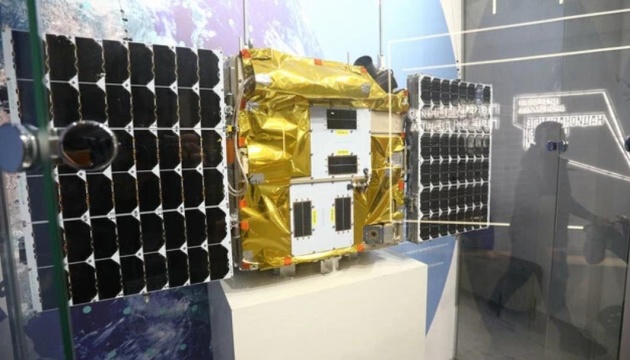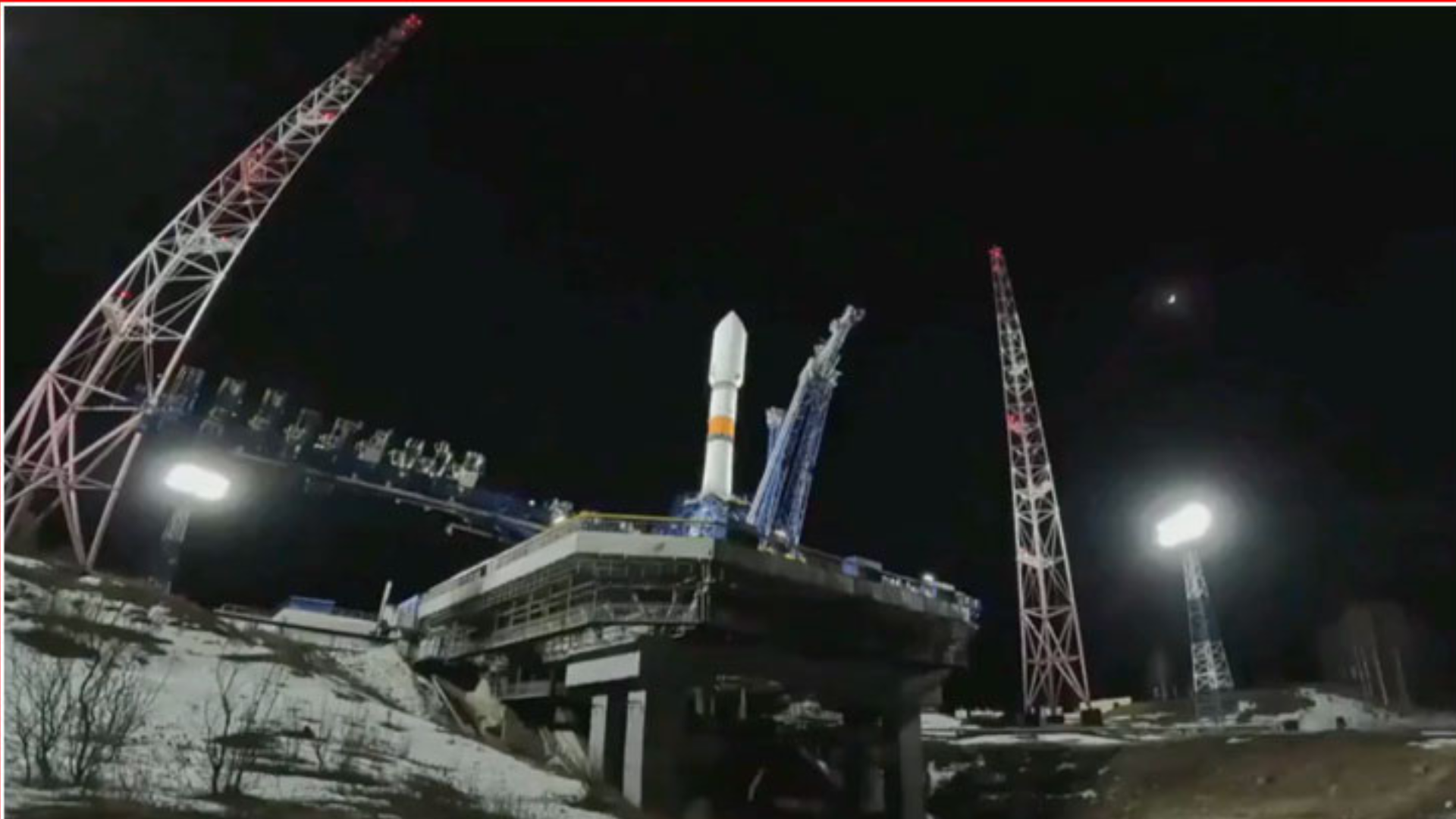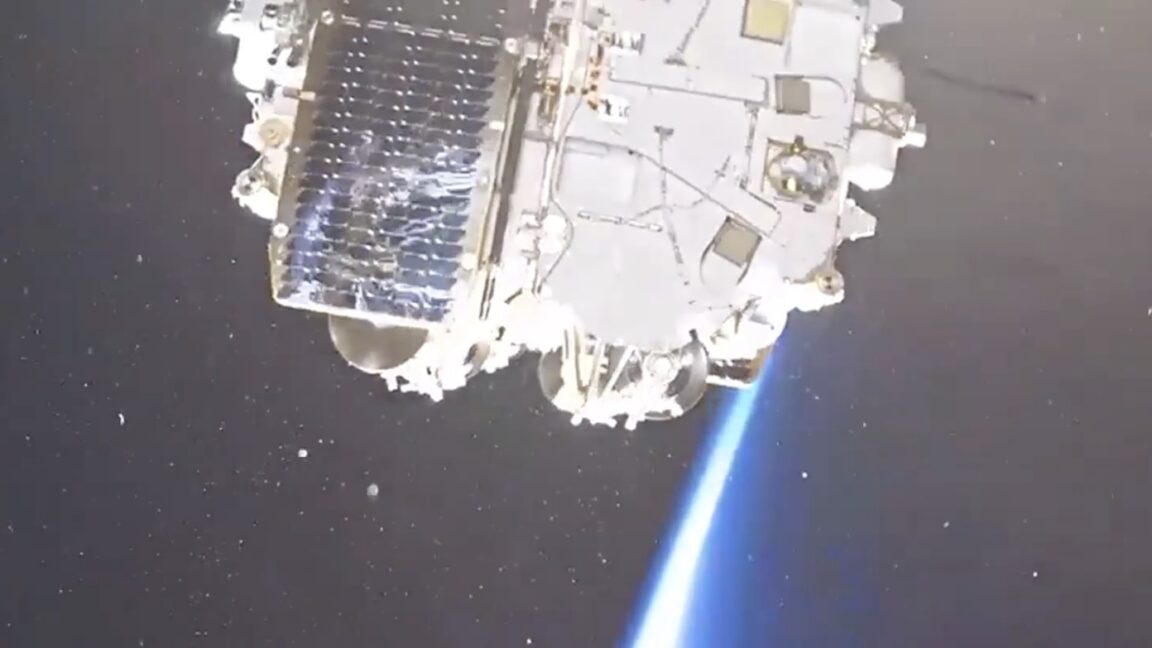
Russia’s attempt to rapidly develop an alternative to Starlink has suffered another setback after all 16 Rassvet satellites launched in July failed to reach their intended operational altitude, the Institute for the Study of War (ISW) reported on Tuesday, Sept. 1. None of the satellites in the second batch, launched on July 19, had reached the anticipated altitude of 550 kilometers (342 miles) as of Aug. 31, according to satellite-tracking data cited by ISW.JOIN US ON TELEGRAMFollow our coverage of the war on the @Kyivpost_official. Many remained between 300 and 400 kilometers (186-249 miles), while some were experiencing orbital decay. At least two were reportedly heading toward reentry into Earth’s atmosphere. ISW noted that these satellites were also well below the reported intended operational altitude of 870 kilometers (541 miles) for the Rassvet system. Why lower orbits pose a problem Satellites in lower orbits have shorter operational lifespans because of increased atmospheric drag and greater fuel consumption, ISW said. It remains unclear how long the lower-altitude satellites will stay in orbit, but they are unlikely to operate for as long as Russia had projected. Of the first batch of 16 Rassvet satellites launched on March 24, only 12 had reached the anticipated altitude of 550 kilometers as of July 31 and remained there as of Aug. 31. Those 12 satellites provided Russian forces with two daily connectivity windows over Ukraine, lasting up to 90 minutes each. Moscow rushing to replace lost Starlink access ISW assessed that Russia is likely rushing to deploy Rassvet satellites after losing access to Starlink communications over Ukraine on Feb. 1.
Russia’s Starlink Rival Falters as Entire Satellite Batch Misses Target Altitude
None of the satellites in the second batch, launched on July 19, had reached the anticipated altitude of 550 kilometers.
661 words~3 min read