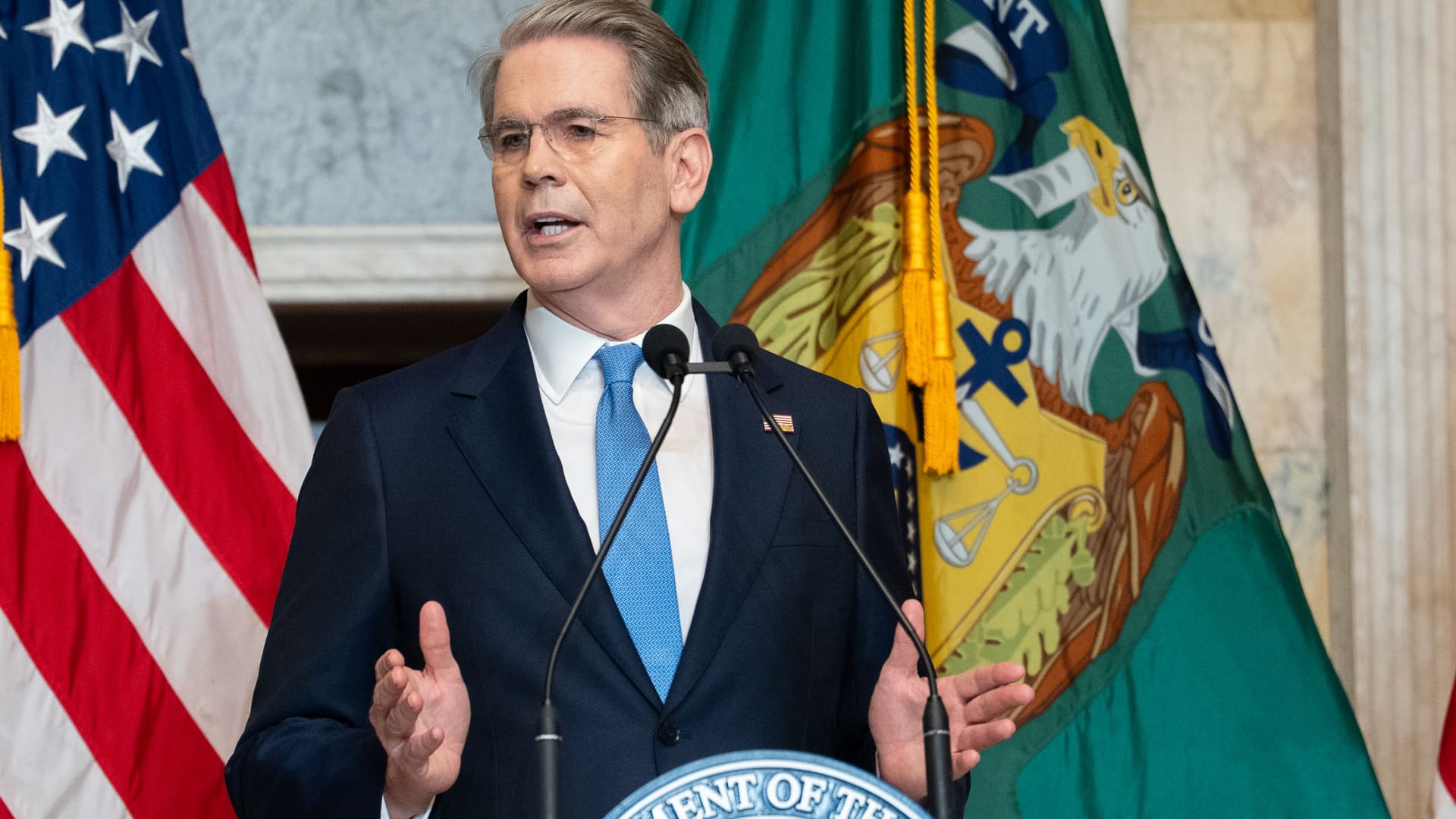
Treasury Secretary Scott Bessent is locked in a public standoff with the bond market over US borrowing costs, and the bond market isn’t blinking. In a Reuters podcast on August 26, Bessent laid out his case for why current Treasury yields are too high, arguing they “don’t reflect the underlying fundamentals.” The 30-year Treasury yield recently hit a 19-year high before pulling back slightly, only to climb again toward 5.27%.
The Treasury twist, explained
On August 19, the Treasury announced it would at least double its purchases of 10- to 30-year Treasuries to a minimum of $4 billion per operation, up from a previous cap of $2 billion. The new program kicks in September 9, funded partly by issuing more short-term debt.
Analysts have dubbed the strategy a “Treasury twist,” a nod to the Federal Reserve’s old Operation Twist from the early 1960s (and its 2011 sequel). The basic mechanic: buy long-dated bonds to push down long-term yields while selling shorter-term debt that carries lower interest rates.
The announcement did produce a temporary pullback in yields. Within days, the 30-year yield was marching back toward that 5.27% level.