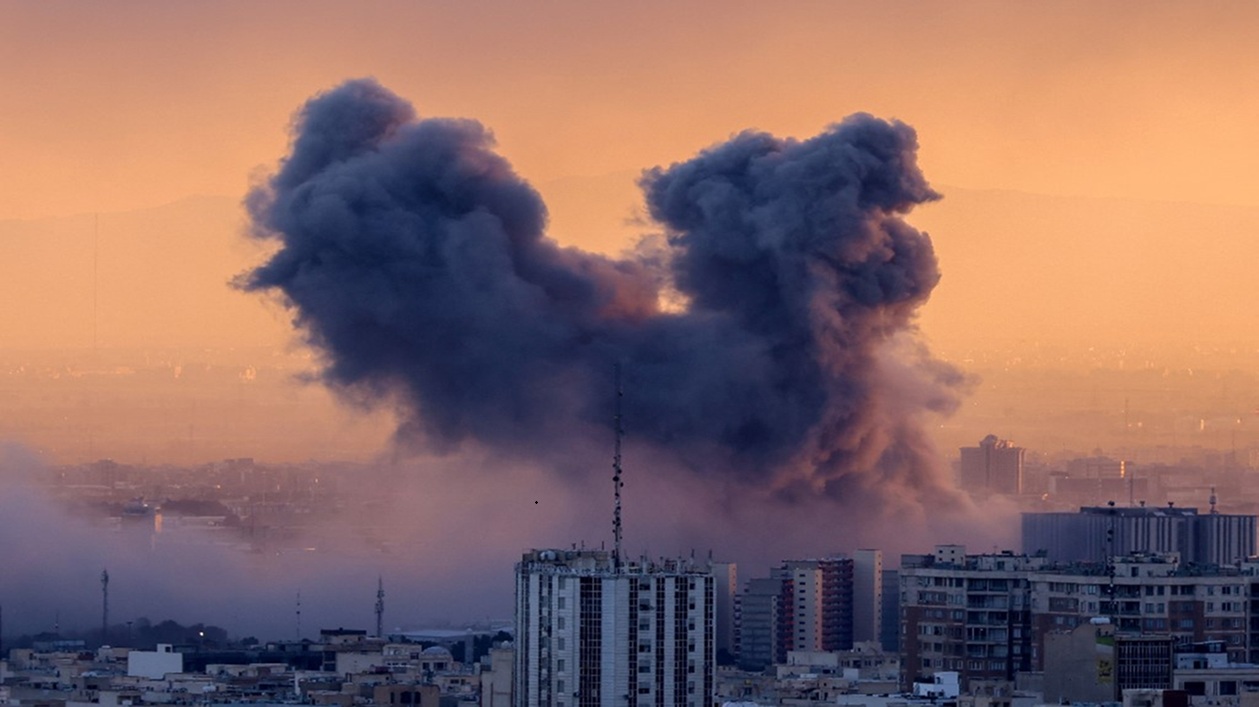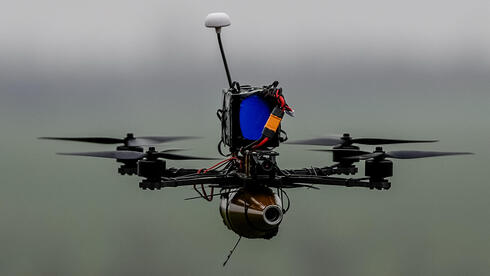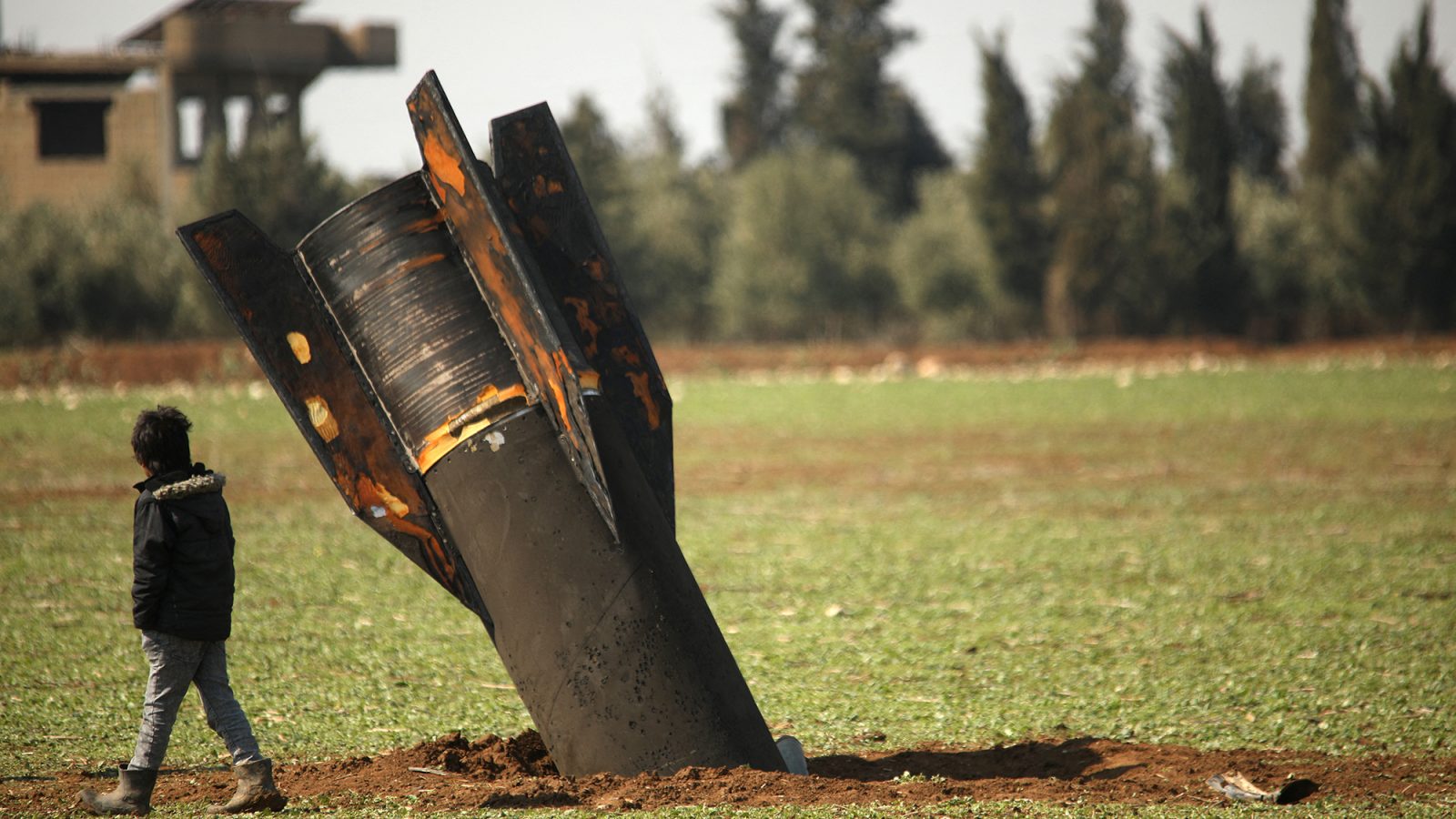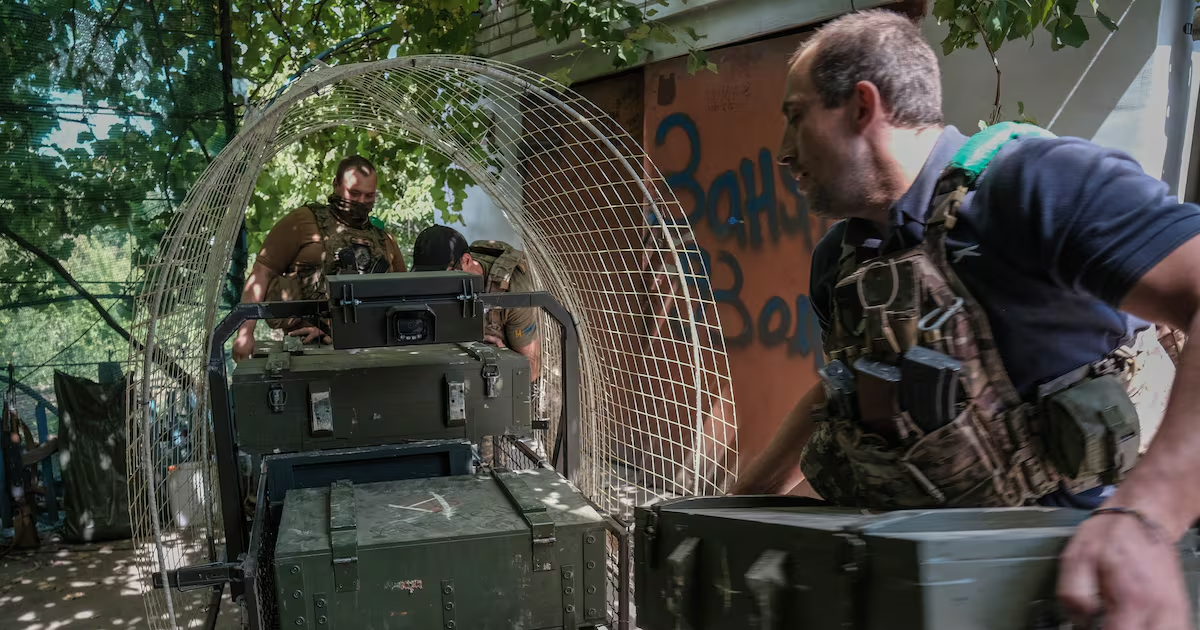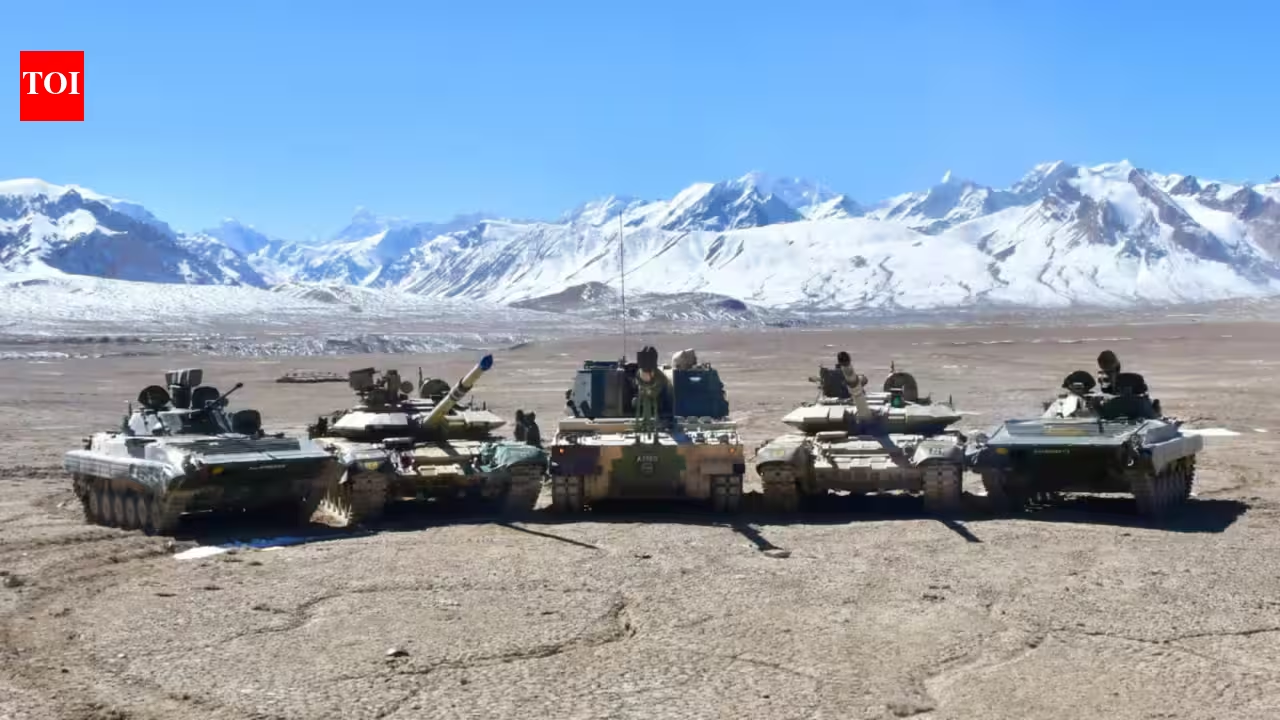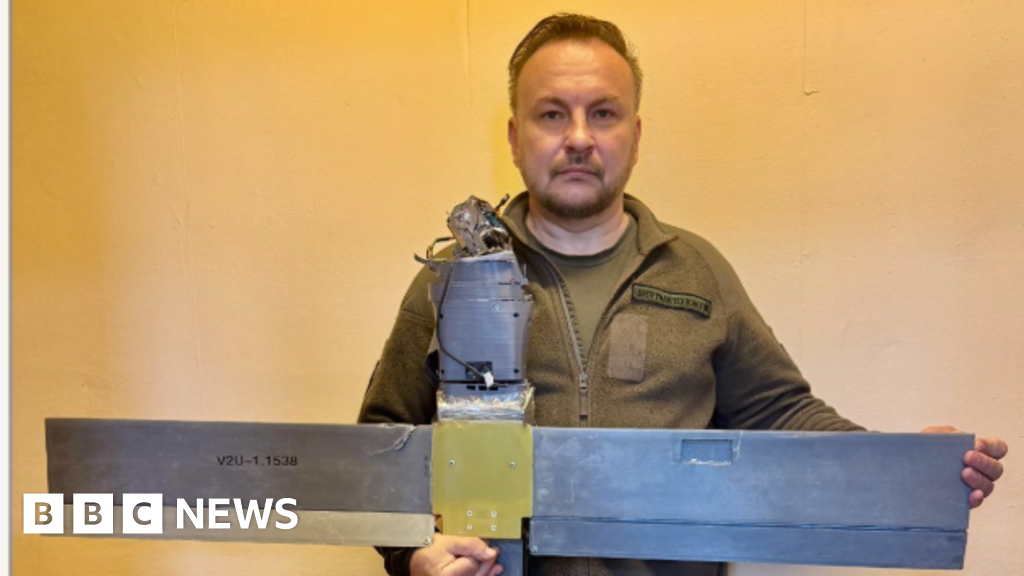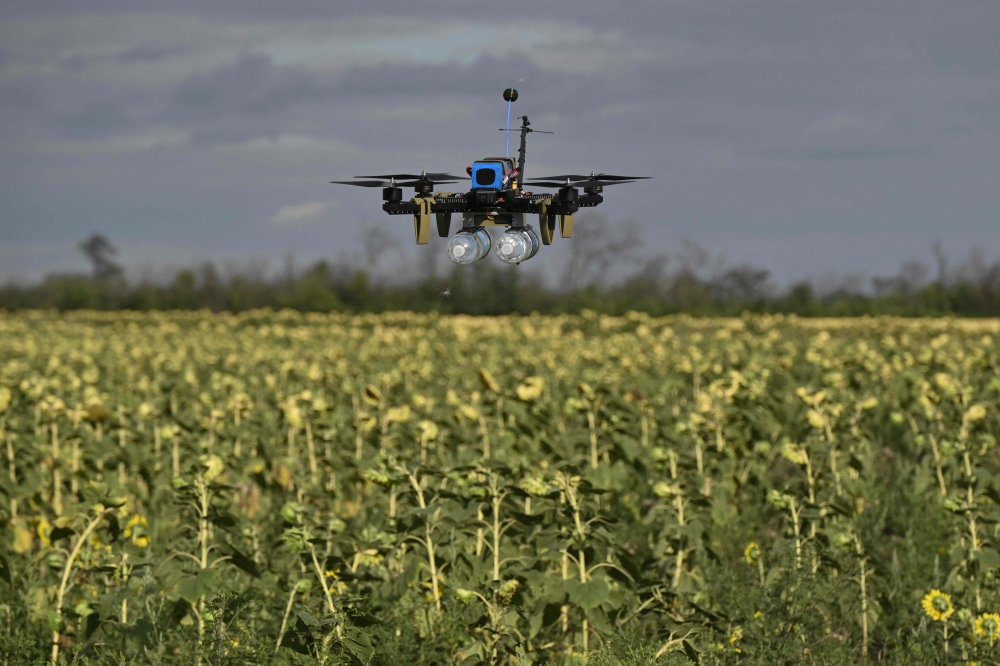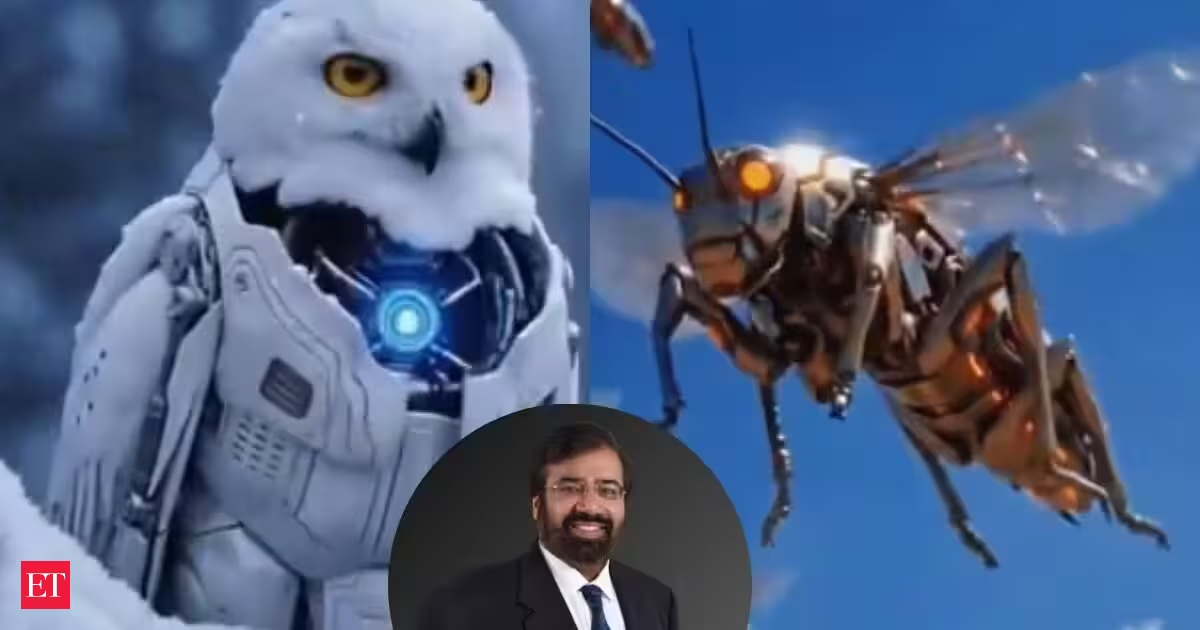
No tanks, fighter jets or soldiers, the next major war may not look like the conflicts of the past. There may be fewer tanks rolling across battlefields or fighter jets dominating the skies. Instead, warfare could increasingly involve autonomous machines, drone swarms and artificial intelligence systems capable of identifying and responding to threats. Industrialist Harsh Goenka shared a video depicting such a future, warning that the next war could begin with “silent swarms” rather than conventional military hardware.Also Read: After 30 years working in cubicle and burnouts, a 50-year-old quits corporate job to make reels, now she earns Rs 4.7 crore in a year“The next war may not begin with tanks or fighter jets. It may begin with silent swarms, bird-like drones, autonomous vehicles and AI systems,” Goenka wrote while sharing the footage. “The battlefield of the future will be won by algorithms. Frightening, the times to come!”Goenka, chairman of RPG Enterprises, frequently comments on technology, business and social developments on social media. His latest post focuses on one of the more unsettling possibilities surrounding the rapid development of artificial intelligence: machines operating in warfare with increasing levels of autonomy.What does the video by Harsh Goenka show?The roughly two-minute video presents a dramatic, computer-generated vision of future warfare. In several scenes, bird-shaped drones move across snowy landscapes and around military installations. Other sequences show tiny, insect-like machines approaching or attaching themselves to military vehicles, followed by flashes, sparks and explosions.— hvgoenka (@hvgoenka) The footage also depicts swarms of small drones moving through urban areas and across deserts. There are also close-up shots of mechanical insects and imagery suggesting machines operating at an extremely small scale.Why AI warfare is raising concernsThe idea highlighted by Goenka is not entirely confined to science fiction. Military forces around the world are already examining how artificial intelligence, autonomous systems and unmanned vehicles can be used for surveillance, reconnaissance and combat. Drone technology, in particular, has changed the way modern conflicts are fought.Large numbers of relatively small drones can potentially be deployed simultaneously, creating what is commonly described as a drone swarm. Such systems could make it harder for conventional air-defence systems to identify and respond to every individual threat.AI could further change this equation by helping machines process information and coordinate actions at speeds that humans cannot match. That prospect has also triggered a difficult ethical question: how much control should a human have over a weapon that can detect and potentially engage a target on its own?Goenka's post struck a nerve with several users. Some described the footage as frightening and dangerous, while others questioned the rapid development of military AI. One response called on technology companies to reconsider developing such systems purely for commercial gains and argued against promoting increasingly autonomous weapons.Also Read: In Australia, worker loses thumb in factory accident; Plastic surgeon rebuilds it using her second toe after 12-hour operationThe concern goes beyond the technology itself. If machines become capable of operating in large numbers, moving autonomously and making decisions in rapidly changing environments, distinguishing between legitimate military targets and civilians could become an even greater challenge.For now, the video shared by Goenka is best viewed as a dramatic illustration of a possible future rather than a prediction of exactly how the next war will unfold. But its central warning is already part of a much bigger global debate.As artificial intelligence becomes more capable, the question may no longer simply be whether machines can fight wars. It could increasingly become a question of how much of the battlefield humans are willing to hand over to algorithms.
‘Frightening times to come!’ Harsh Goenka warns next war may be fought with drone swarms, autonomous vehicles and AI, not tanks or fighter jets
Harsh Goenka has shared a computer-generated video depicting a chilling vision of future warfare involving AI systems, autonomous vehicles, bird-like drones and swarms of insect-sized machines. His post has renewed discussion around autonomous weapons and the growing role of artificial intelligence in military operations.
595 words~3 min read