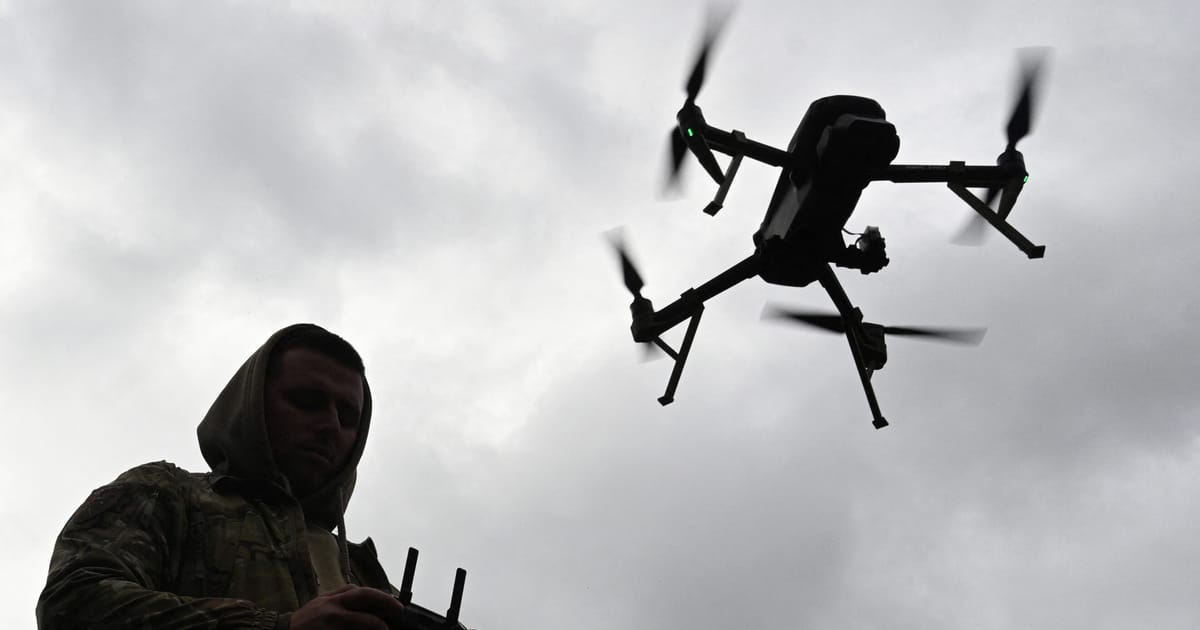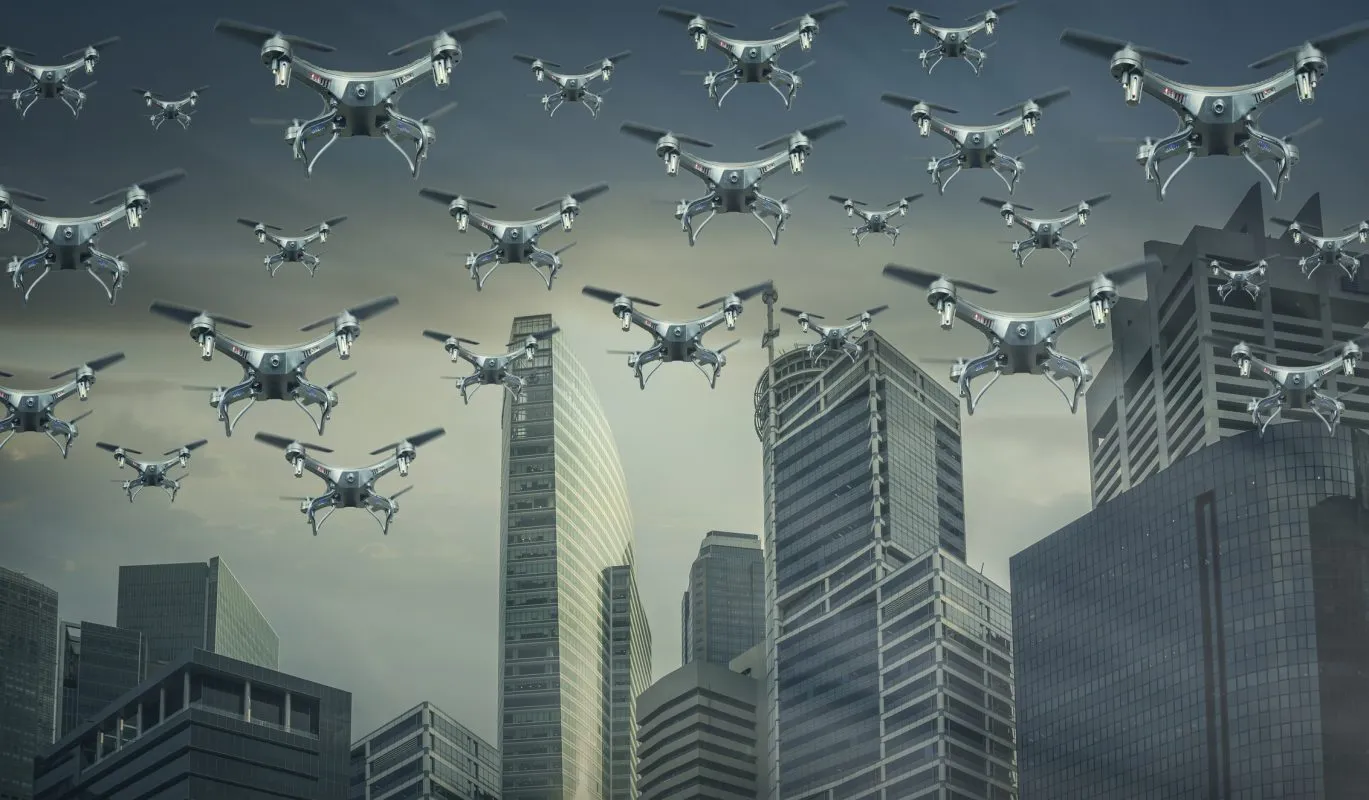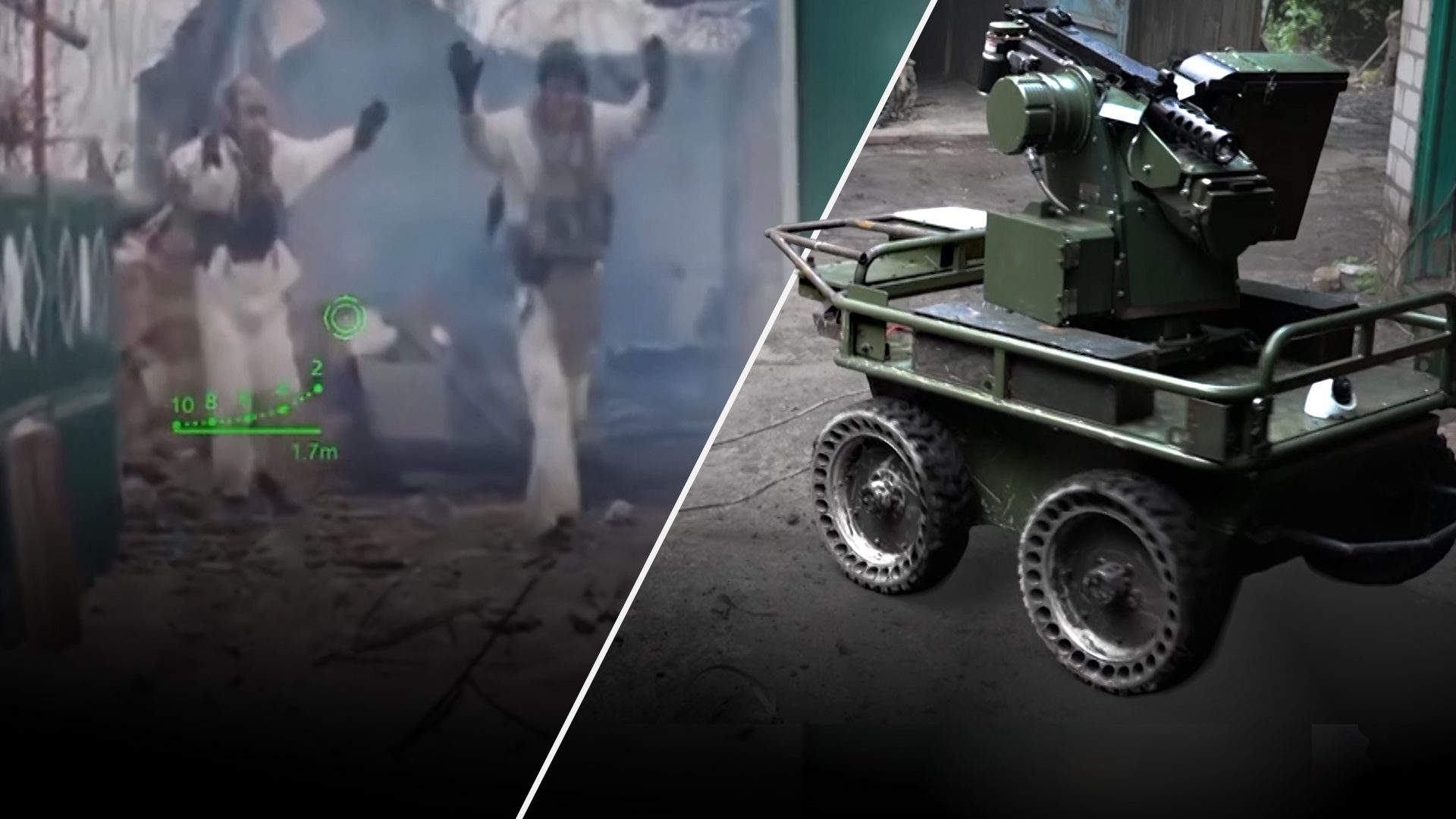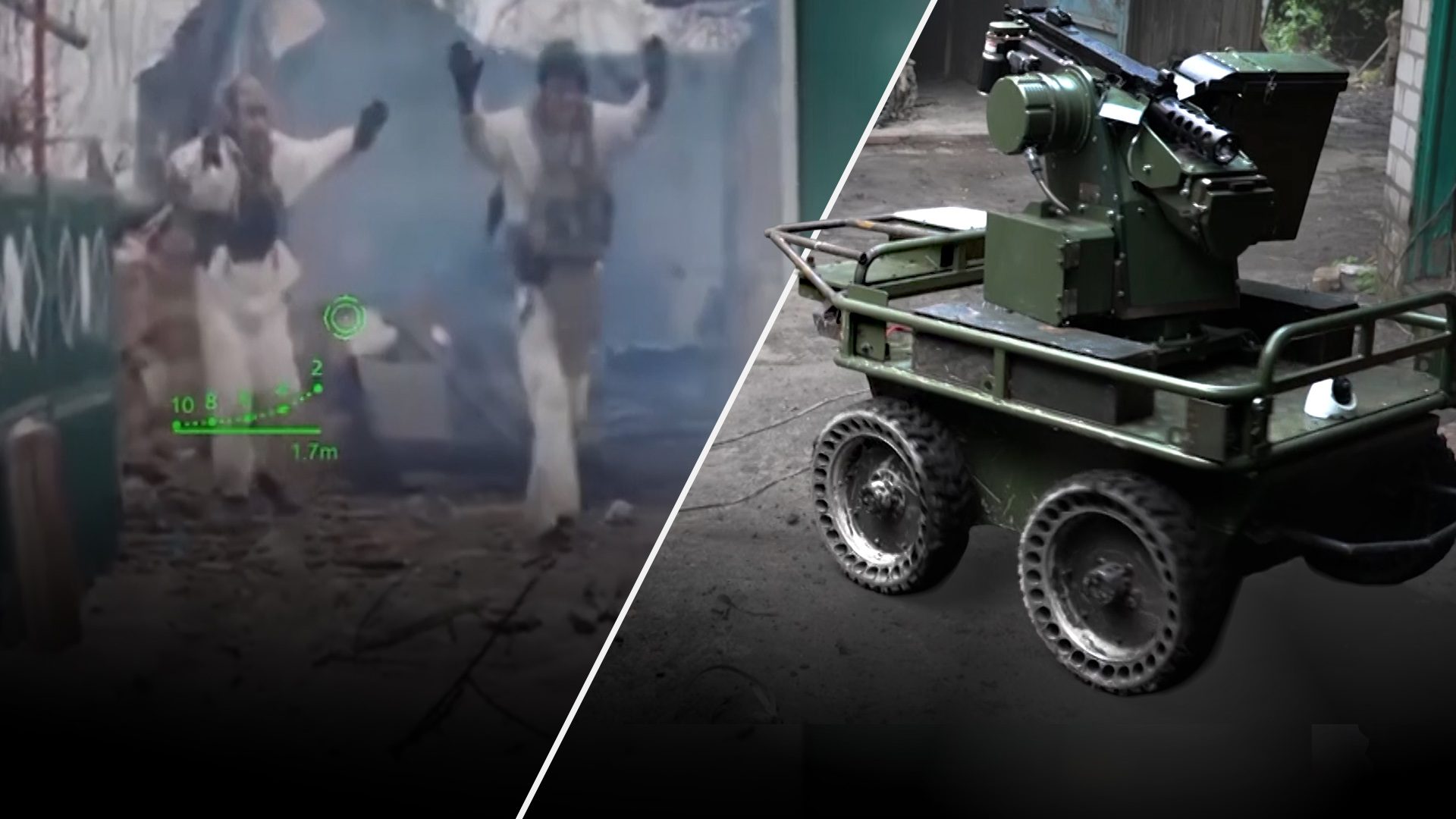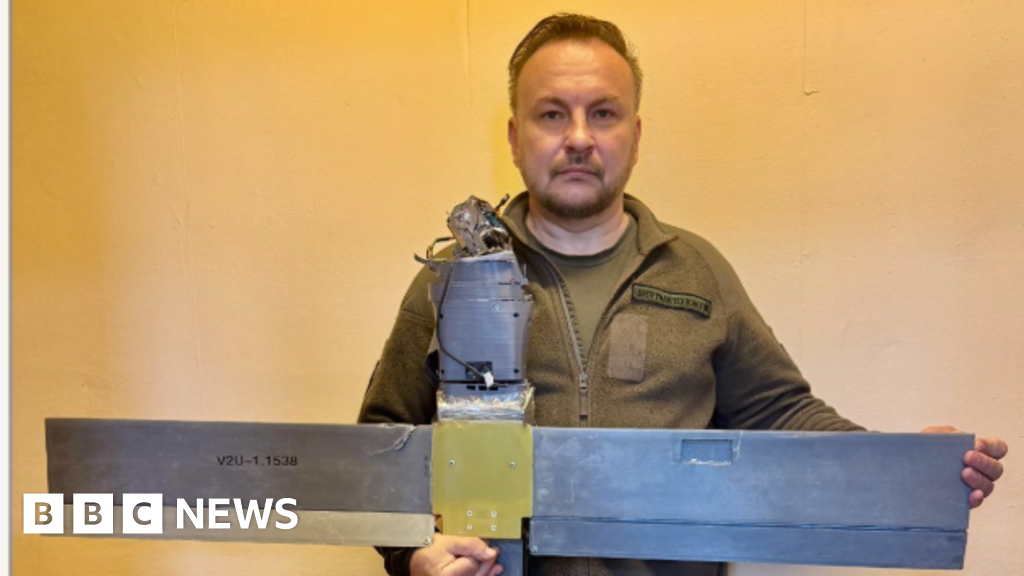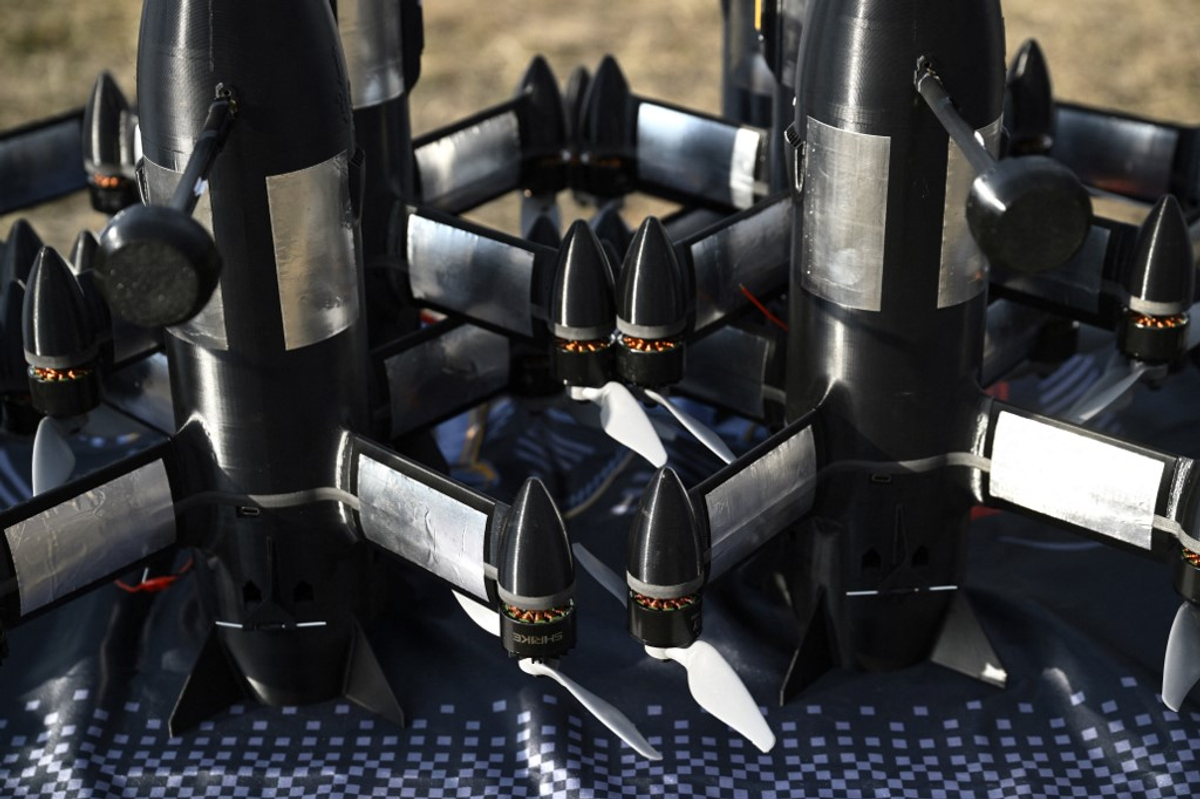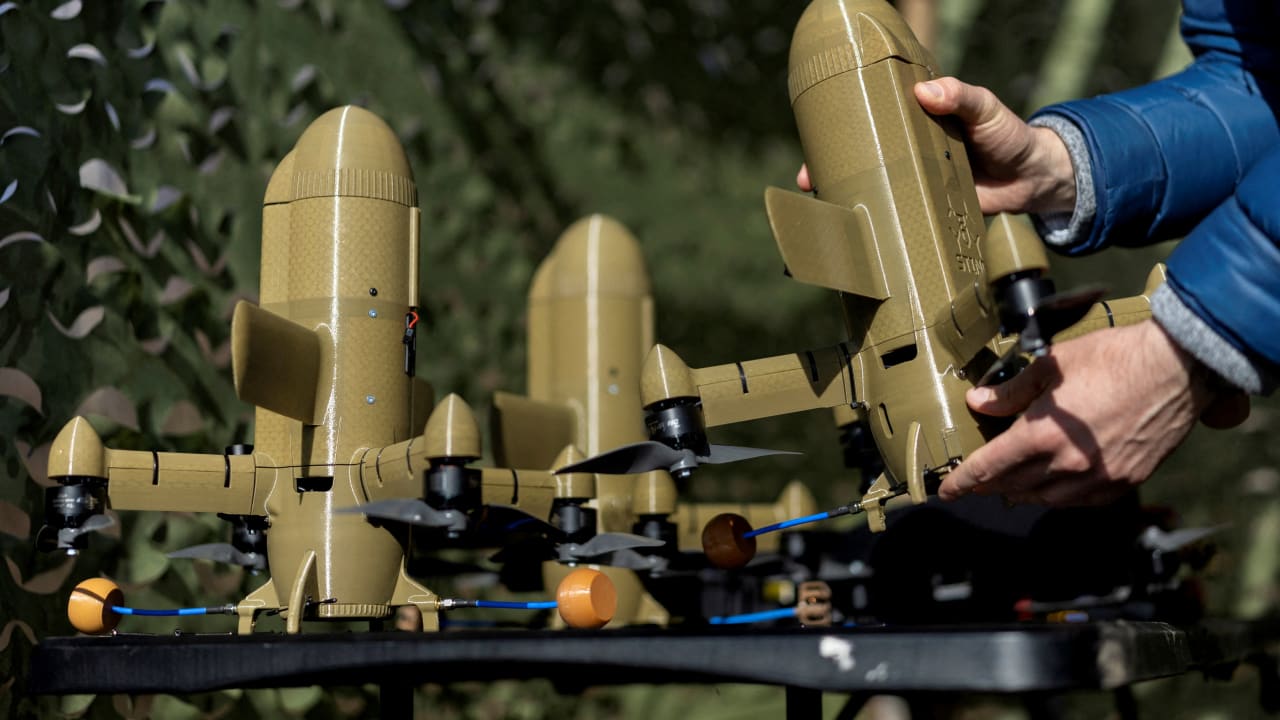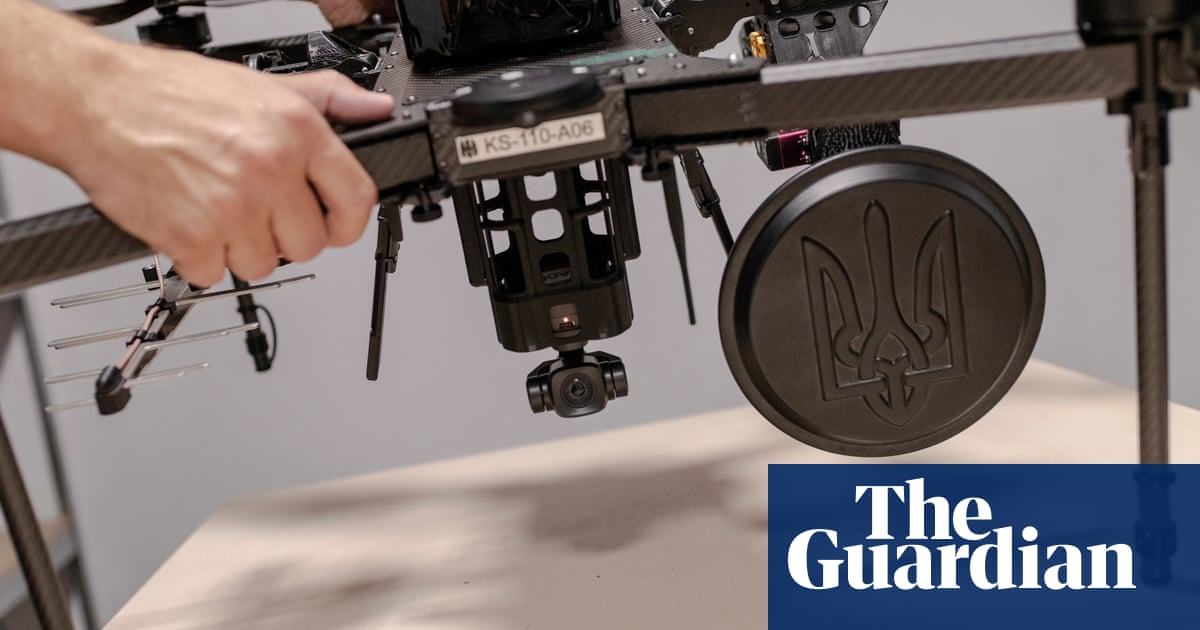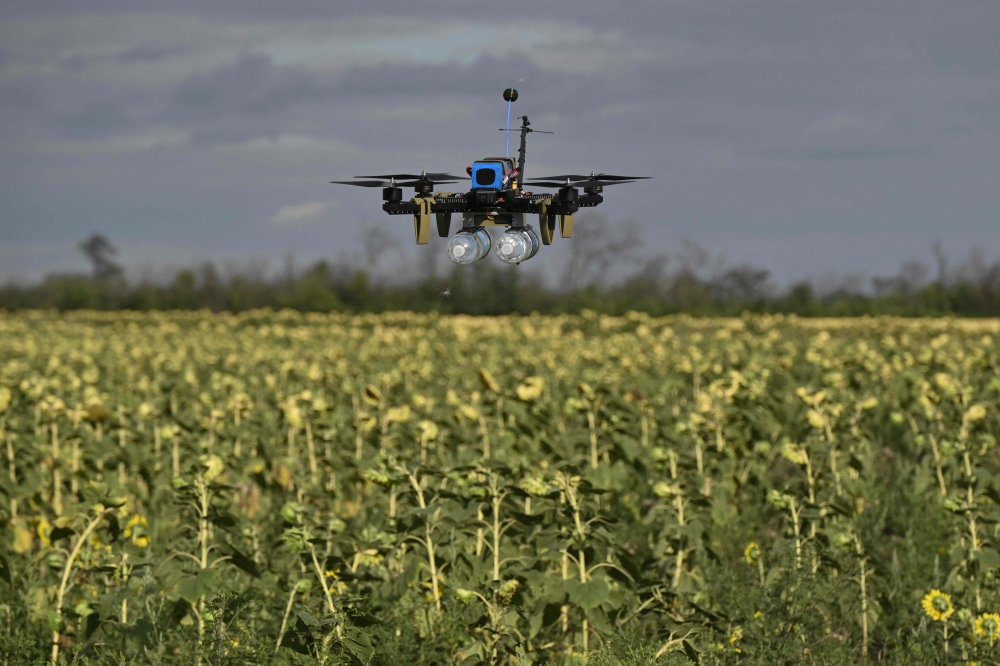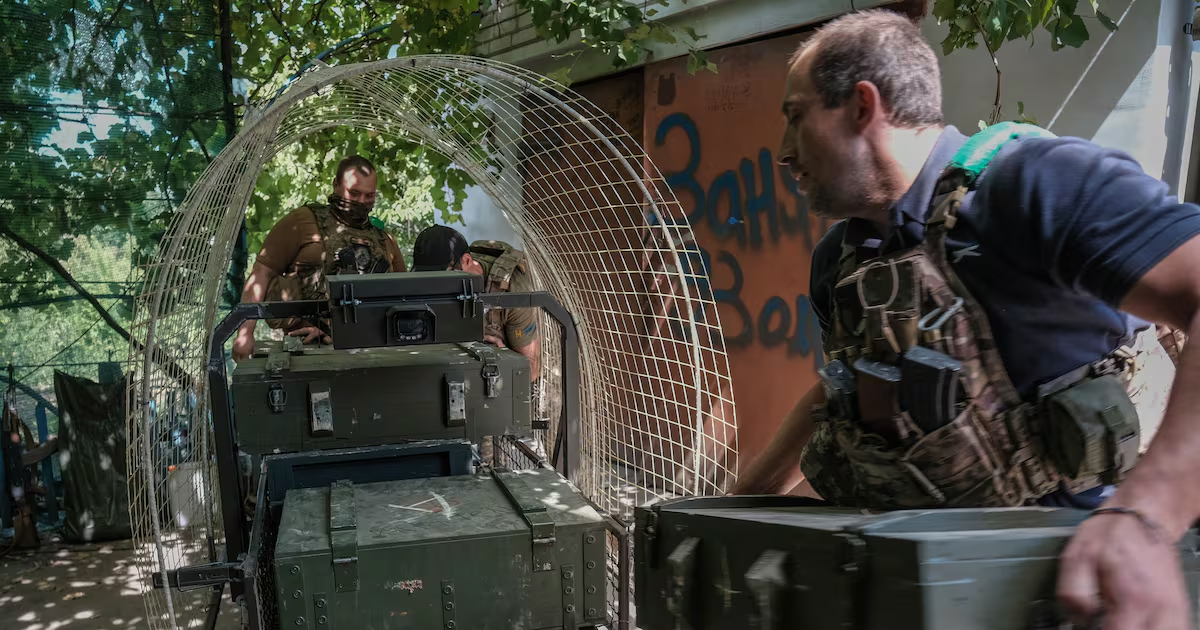
A quarter of the way through the 21st century, the horror and guilt inspired by two world wars appear to have vanished. Despite ample evidence to the contrary, the leaders of Russia, Israel and the United States apparently believe war is an effective method of statecraft. The Swedish Uppsala Conflict Data Program confirmed last month that states were involved in 65 conflicts in 2025, the highest number since statistics were first gathered in 1946. Conflict claimed nearly 250,000 lives in 2025 alone. “The West took a holiday from war and now it’s coming back,” Shashank Joshi, outgoing defence editor, now Washington bureau chief, of the Economist said on The Intelligence podcast.The drone revolution fostered in the Ukraine war has enabled underdogs Ukraine and Iran to hold their own against far more powerful aggressors. Compared to earlier 21st century wars in Afghanistan and Iraq, “the Iran war looks far more like the Russia-Ukraine war, with its proliferation of inexpensive, one-way attack drones, rapid advancements in surveillance and targeting, huge use of munitions and the expansion of the battlefield well beyond traditional military targets”, former US defence secretary Lloyd Austin wrote in The New York Times in April.Ukraine pioneered the use of large numbers of cheap game drones to achieve transparency on the battlefield. Air superiority no longer provides cover for ground operations. Troops and armour cannot mass without being attacked by drones equipped with high explosives. Russia has replicated the strategy, resulting in a “kill zone” 30km wide that in effect freezes front lines in eastern Ukraine.The frontline stalemate has led Russia to heighten its assault on Ukrainian cities, attacking across the country with a mix of hundreds of Shahed-type single-use drones and dozens of traditional ballistic missiles on a near nightly basis. “Let the robots fight” is a Ukrainian motto, signifying that human lives are too precious to risk in combat. Twenty per cent of Ukraine’s armed forces engaged in drone warfare account for 80 per cent of Russian fatalities.Ukrainian soldiers preparing to launch drones at a target in Russia in May 2026. Photograph: Brendan Hoffman/The New York Times
Lara Marlowe: How robots have brought a ‘horrifying intimacy’ to warfare
Vladimir Putin is reportedly terrified that a drone with facial recognition technology – like the AI tools used by Israel to assassinate Iranian leaders – may be used to kill him
TL;DRAI
Ukraine's drone forces (20% of units) inflict 80% Russian casualties; low-cost systems destroyed $10B aircraft. Autonomous swarm targeting with AI is reshaping defense—pivoting investment from traditional tactics to precision systems and autonomous decision-making.
1,004 words~5 min read